For more information about senior living options: (844) 490-3973
3.4 from 35 reviews
5 stars
18
4 stars
3
3 stars
0
2 stars
2
1 stars
12
Assisted LivingDay ProgramMemory Care
RidgeCrest Health Campus Costs & Pricing
At RidgeCrest Health Campus, the monthly costs for various room types reflect a competitive pricing structure when compared to both Jackson County and the broader state of Michigan. For a semi-private room, residents can expect to pay $2,910, which is slightly above Jackson County's average of $2,777 but notably more affordable than Michigan's average of $3,191. Those seeking a studio will find RidgeCrest's rate of $3,600 aligns closely with the county's rate of $3,195 while offering significant savings relative to the state's higher average of $3,824. Lastly, for a one-bedroom unit, RidgeCrest stands out with a price tag of $4,680; this is comparatively higher than Jackson County's average of $3,188 and the state's typical cost of $3,384. Overall, while some costs at RidgeCrest may exceed local averages particularly for the one-bedroom option, they still reflect considerations important for prospective residents such as the quality of care and amenities provided.
Floor plans
RidgeCrest Health Campus
Jackson County
Michigan
Semi-Private
$2,910
$2,777
$3,189
Studio
$3,600
$3,195
$3,824
1 Bedroom
$4,680
$3,188
$3,384
Overall Review of RidgeCrest Health Campus
Pros
The physical and occupational therapy are top-notch, and the staff are kind and empathetic.
The care team puts a lot of effort into keeping residents comfortable and pleased.
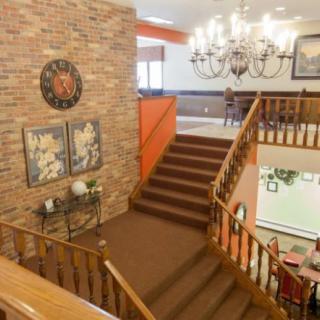
The facility is beautiful, clean, and well kept with pleasant d?cor.
The staff are caring and go above and beyond to help residents and their families.
Mission Point changes lives by helping residents regain strength and independence.
Families feel at ease and have peace of mind knowing their loved ones are well cared for.
The therapy staff are friendly, engaging, and dedicated to residents' recovery.
Ridgecrest Health Campus offers good, nutritious food, a variety of activities, and attentive attendants.
Tours reveal friendly staff, inviting d?cor, and clean, well-maintained facilities.
The dining service is restaurant-like, with staff attentively serving residents.
Cons
The staff do not answer phones, do not return messages, and fail to provide updates to families.
The facility is chronically understaffed, leaving patients ignored for hours and attending to their own needs.
The food is terrible and often disregards dietary restrictions; a no-salt diet patient was served a ham and cheese sandwich.
The TVs are horrible and the furniture is old.
Patient showers are rare, with hygiene care performed only infrequently.
There are reports of neglect, unprofessional behavior, and even verbal or mental abuse by staff, including wrong medications and ignoring doctors' orders.
Communication with administration is poor, with many attempts to contact corporate going unanswered.
Review
RidgeCrest Health Campus in Jackson, MI is best suited for seniors who are coming in primarily for short-term rehabilitation with a strong emphasis on physical and occupational therapy, and for families willing to stay actively involved in oversight. This community tends to deliver solid rehab results when therapy teams are engaged, and when caregivers are prepared to coordinate care across shifts. It is not the right choice for someone who requires highly predictable daily nursing oversight, constant bedside attention, and flawless, timely communication every day.
Those who may want to consider alternatives are families prioritizing reliable, around-the-clock nursing care, consistent communication, and consistent adherence to medical orders. Reviews point to a pattern of staffing gaps and communication lapses that can leave families feeling uninformed and patients under-supervised. If stability in daily routine, prompt call responses, and meticulous medication management are non-negotiables, other facilities in the area may offer more dependable day-to-day coverage.
On the positive side, the strongest aspect of RidgeCrest is the rehab-focused backbone. When physical and occupational therapy come into play, residents have seen meaningful functional gains - often enough to discharge home after a defined rehab stay. Therapy staff are repeatedly described as empathetic, dedicated, and willing to go above and beyond to support healing. The facility also benefits from a reasonably active social environment and a resident community that participates in activities, with some reviewers noting meaningful cognitive and mood improvements as a result of engaging programming.
The main drawbacks, however, are pronounced. Understaffing appears consistently, producing moments when residents are left waiting for help or left to manage pain and activities without adequate assistance. Communication gaps are common, with questions going unanswered and updates to families sporadic at best. Safety and daily living supports come into question when medication timing or delivery is inconsistent, and several reviews report meals that fail to meet dietary restrictions or preferences, along with concerns about cleanliness and the overall condition of rooms and common areas. These issues erode trust and can complicate recovery during rehab or undermine comfort for long-term stays.
Those weighing pros against cons should anchor decisions to the care priority at hand. If rehab success and progress toward discharge are the primary goals, RidgeCrest offers a credible path provided training and oversight remain continuous across shifts, and families remain engaged in monitoring. The therapy team's effectiveness can offset many nursing gaps, especially when a discharge plan hinges on regained independence. Conversely, for residents with complex medical needs, fragile health, or a mandate for consistently high-touch nursing and medication management, the cons significantly outweigh the benefits. In such cases, alternatives with stronger daily staffing patterns and tighter communication pipelines are likely to serve better.
In the end, RidgeCrest Health Campus is a practical, competent option for rehab-focused care when backed by proactive families and a clear plan for oversight. It can deliver real, transferable gains in function and mobility, and it can feel like a supportive community during recovery. Yet the facility requires vigilance: inquire directly about current staffing levels, medication management protocols, response times for call bells, and how dietary needs are handled on a daily basis. For families who can demand accountability and who place rehabilitation outcomes at the top of the list, RidgeCrest is worth consideration; for those who cannot tolerate recurring communication gaps or inconsistent daily care, exploring other Jackson-area options is prudent.
Features
Types of Care
Assisted LivingAssisted living facilities provide crucial support and care for seniors who may need help with daily tasks such as medication management, bathing, and meal preparation. These communities offer a safe and comfortable environment where seniors can maintain their independence while receiving the assistance they need to thrive in their golden years.
Day ProgramDay programs are important for seniors because they provide a safe and supportive environment where older adults can socialize, engage in activities, receive assistance with daily tasks, and access valuable resources and services. These programs help prevent isolation and loneliness, promote mental and physical well-being, and offer a sense of purpose and community for seniors.
Memory CareMemory care is crucial for seniors as it provides specialized support and services for individuals with dementia or Alzheimer's disease. These programs offer a safe and secure environment where residents receive personalized care, cognitive stimulation, and help with daily activities. Memory care helps seniors maintain their independence, quality of life, and dignity while also providing peace of mind for their families.
Amenities
Activities off-siteEngaging in off-site activities is crucial for seniors to maintain social connections, stay active, and stimulate their minds. It promotes overall well-being and helps combat feelings of isolation and loneliness.
Activities on-siteActivities on-site are important for seniors because they provide opportunities for socialization, mental stimulation, physical activity, and overall well-being. Engaging in activities can help seniors stay active, maintain their independence, and improve their quality of life.
Air-conditioningAir conditioning is important for seniors as they are more vulnerable to heat-related illnesses and may have underlying health conditions that make it difficult for them to regulate their body temperature. It helps to keep them comfortable, safe, and healthy in hot weather.
Beautician on-siteHaving a beautician on-site at a senior living community is important for seniors as it allows them to easily access grooming and personal care services, boosting their self-esteem and overall well-being. It also provides convenience and helps seniors maintain their sense of independence and personal style.
Cable or satellite TVCable or satellite TV is important for seniors because it provides entertainment, news, and companionship, helping to combat loneliness and boredom. It also offers a wide range of programming options tailored to different interests and preferences.
Devotional services off-siteDevotional services off-site are important for seniors as they provide spiritual nourishment, social engagement, and a sense of community outside of the senior living facility. This can enhance overall well-being and help combat feelings of isolation and loneliness often experienced by older adults.
Ground floor unitsGround floor units are important for seniors because they provide easy accessibility, reduced risk of falls and injuries, and convenience for those with mobility issues. Seniors can avoid climbing stairs or using elevators, making daily tasks and activities more manageable and enjoyable.
Handicap accessible"Handicap accessible" amenities are crucial for seniors to ensure they can easily navigate and access facilities, services, and activities without barriers or limitations due to physical impairments. This promotes independence, safety, and inclusivity for seniors in senior living communities.
Indoor common areasIndoor common areas are crucial for seniors as they provide a space for socialization, recreation, and community engagement, promoting overall well-being and reducing feelings of isolation and loneliness.
KitchenetteKitchenettes are important for seniors living in senior living communities because they provide the convenience and independence of being able to prepare simple meals and snacks in the comfort of their own living space. This can help promote a sense of autonomy and well-being for seniors, allowing them to maintain some level of control over their dietary choices and daily routines.
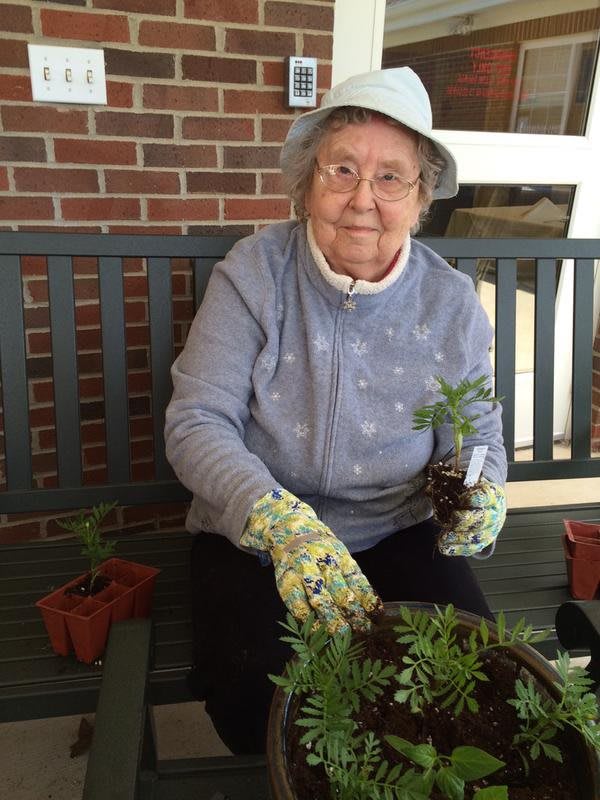
Outdoor common areasOutdoor common areas are important for seniors as they provide a space for socialization, physical activity, and relaxation. Being outside in nature can improve mood and overall well-being, while also encouraging movement and engagement with others. These spaces can help combat feelings of isolation and promote a sense of community among residents.
Respite or short term stays offeredRespite or short term stays provide seniors with a temporary solution when their regular caregiver is unavailable, offering them the opportunity to receive additional care and support during times of need, while also giving caregivers a chance to rest and recharge.
Wi-Fi/high-speed internet availableWi-Fi/high-speed internet is important for seniors to stay connected with loved ones, access online resources, and participate in virtual activities to combat feelings of loneliness and isolation. It also allows them to easily manage healthcare needs, access entertainment, and engage in lifelong learning opportunities.
Care Services
Ambulatory care"Ambulatory care services provide essential medical support and treatment to seniors without requiring hospitalization, allowing them to maintain their independence and quality of life while managing chronic conditions or receiving routine medical care."
Diabetic careDiabetic care is crucial for seniors as they are more susceptible to developing diabetes due to aging and other health conditions. Proper management of diabetes can help prevent complications such as heart disease, vision loss, and nerve damage, improving the overall quality of life for seniors in senior living communities.
Incontinence careIncontinence care is essential for seniors to maintain their dignity, hygiene, and overall quality of life. By addressing incontinence issues promptly and effectively, seniors can enjoy a sense of independence and comfort in their daily activities.
Medication managementMedication management is crucial for seniors to ensure they are taking the right medications at the correct dosages and times. This helps prevent adverse drug interactions, reduces the risk of medication errors, and promotes overall health and well-being. Proactive management also allows for adjustments as needed based on changing health conditions or new prescriptions.
Dining
Anytime diningAnytime dining is important for seniors because it allows them the flexibility to eat when they are hungry, rather than being restricted to set meal times. This can be especially beneficial for those with medical conditions or medications that affect their appetite, as well as those who may have difficulty adhering to a strict dining schedule. Overall, anytime dining promotes independence and overall well-being for seniors in senior living communities.
Gluten-freeGluten-free options are important for seniors as they are more prone to digestive issues and dietary sensitivities. Offering gluten-free meal choices in senior living communities can help improve their overall health and well-being.
Guest mealsGuest meals are important for seniors living in senior living communities because they provide an opportunity for socialization and companionship. Sharing a meal with friends, family, or new acquaintances can help combat feelings of loneliness and isolation, promote a sense of community, and enhance overall well-being. Additionally, guest meals allow seniors to enjoy delicious food in a comfortable setting without the hassle of cooking or cleaning up, making dining a pleasurable and stress-free experience.
International cuisineInternational cuisine is important for seniors because it offers a variety of flavors, ingredients, and cultural experiences that can help keep their meals interesting and enjoyable. Trying new dishes can also stimulate the senses and provide different nutrients that contribute to overall health and well-being. Additionally, exploring international cuisine can bring back fond memories of travels or childhood experiences, making mealtime more nostalgic and fulfilling for seniors.
Low / no sodiumLow/no sodium options are important for seniors because excessive sodium intake can lead to high blood pressure, heart disease, and other health issues commonly experienced by older adults. By choosing low/no sodium foods, seniors can better manage their health and reduce their risk of developing these conditions.
Meals provided"Meals provided" are crucial for seniors in assisted living communities as it ensures they have access to nutritious, balanced meals without the stress of meal planning and preparation. This can help promote overall health and well-being for seniors who may have limited mobility or cognitive abilities.
No SugarNo sugar diets are important for seniors because they can help prevent or manage chronic conditions such as diabetes, heart disease, and obesity. Sugar can also contribute to cognitive decline and inflammation in the body, so reducing sugar intake can lead to overall improved health and well-being in older adults.
OrganicOrganic foods are important for seniors because they contain fewer chemicals and pesticides, which can be harmful to aging bodies. Additionally, organic foods often have higher nutrient levels, making them a healthier choice for maintaining overall well-being in older adults.
Professional chefProfessional chefs are important for seniors living in senior living communities because they provide nutritious and delicious meals that cater to their dietary needs and preferences. A professional chef can ensure that seniors are receiving balanced, flavorful meals that support their overall health and well-being.
Restaurant style diningRestaurant style dining is important for seniors as it offers them a social and enjoyable dining experience, promotes healthy eating habits, and provides personalized menu options to cater to their dietary needs and preferences. This type of dining setting can enhance their overall quality of life and create a sense of community within the senior living facility.
Room serviceRoom service is important for seniors in a senior living community because it provides convenience and allows them to have their meals delivered directly to their room. This can be especially beneficial for seniors who may have mobility issues or difficulty accessing the dining area. Room service ensures that seniors are able to receive nutritious meals without having to navigate through the facility, allowing them to maintain their independence and overall well-being.
Special dining programsSpecial dining programs are important for seniors because they provide nutritious meals tailored to their dietary needs and preferences. These programs also offer socialization opportunities, promote overall health and well-being, and can help prevent malnutrition.
VegetarianA vegetarian diet is important for seniors because it can help lower the risk of chronic diseases, maintain a healthy weight, and provide essential nutrients needed for aging bodies. Additionally, plant-based diets are often easier on digestive systems and can contribute to overall well-being in older adults.
Activities
Art classesArt classes are important for seniors because they provide a creative outlet, improve cognitive function, reduce stress and anxiety, promote socialization, and enhance overall well-being and quality of life.
Cooking classesCooking classes are important for seniors as they provide opportunities for social interaction, enhance cognitive skills, promote healthy eating habits, and boost confidence in the kitchen.
Day trips and outingsDay trips and outings are important for seniors as they provide opportunities for socialization, mental stimulation, physical activity, and a break from daily routines. These experiences can enhance overall well-being and quality of life for older adults living in senior communities.
Devotional activities offsiteDevotional activities offsite are important for seniors because they provide social engagement, spiritual growth, and a sense of community outside of their living environment. This can improve overall well-being, mental health, and combat feelings of isolation or loneliness.
Educational speakers / life long learningEducational speakers and lifelong learning opportunities are crucial for seniors as they provide mental stimulation, promote social engagement, and contribute to overall well-being. Continuous learning helps seniors stay mentally sharp, build new skills, and maintain a sense of purpose and fulfillment in their lives. It also allows them to stay connected to the world around them and fosters a sense of community within senior living facilities.
Happy hourHappy hour is important for seniors as it provides a social activity that promotes camaraderie and reduces feelings of loneliness or isolation. It also offers an opportunity for older adults to relax, unwind, and enjoy some drinks or snacks in a fun and welcoming atmosphere.
KaraokeKaraoke provides seniors with a fun and social activity that can boost mood, confidence, and cognitive function. It encourages social interaction, physical movement, and creative expression, making it an important form of entertainment for senior living communities.
Live dance or theater performancesLive dance or theater performances are important for seniors because they provide opportunities for socialization, mental stimulation, and emotional engagement. These performances can help combat feelings of isolation and loneliness, while also offering a sense of connection to the arts and culture. Additionally, watching live performances can bring joy and create lasting memories for seniors in their later years.
Live musical performancesLive musical performances can provide seniors with a sense of joy, nostalgia, and connection. Music has the power to evoke emotions and memories, improve mood and cognitive function, and foster social interaction among seniors. It can also serve as a form of therapy and stress relief for older adults, making it an important activity to include in senior living communities.
Live well programs"Live well programs are essential for seniors as they provide opportunities for physical activity, social engagement, and mental stimulation, ultimately promoting overall health and well-being in later years."
Stretching classesStretching classes are important for seniors because they help improve flexibility, reduce the risk of injury, and promote overall health and well-being. Regular stretching can also help alleviate joint pain and stiffness, enhance balance and coordination, and increase range of motion.
Wine tastingWine tasting can be a fun and social activity for seniors, allowing them to engage their senses, learn about different varieties of wine, and potentially meet new friends. It also offers health benefits such as improved cognitive function and reduced risk of heart disease when consumed in moderation.
Description
RidgeCrest Health Campus in Jackson, MI is an exceptional assisted living community that provides top-quality care and a wide range of amenities to enhance the lives of its residents. With a focus on day programs and memory care, RidgeCrest is dedicated to meeting the unique needs of individuals with various levels of cognitive and physical abilities.
At RidgeCrest Health Campus, residents can enjoy a variety of activities conveniently located on-site, including cooking classes, stretching classes, wine tasting, and live performances such as dance, theater, and musical shows. Additionally, day trips and outings are organized to provide residents with opportunities for socialization and exploration.
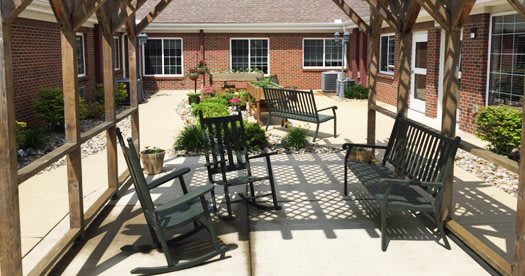
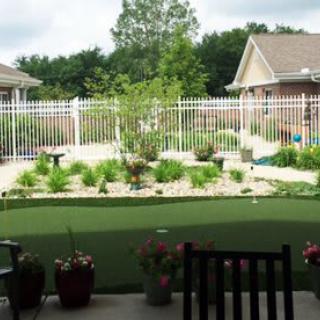
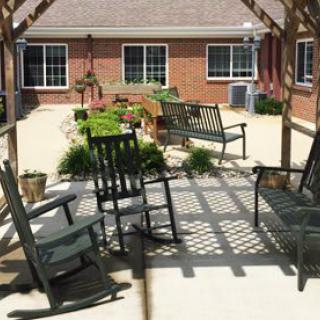
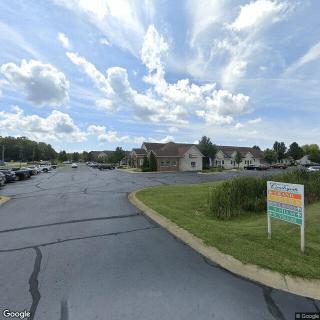
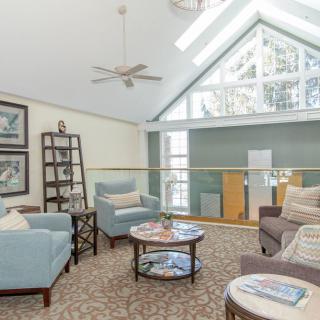
The community offers comfortable accommodations that are designed for ease of access and mobility. Its ground floor units are handicap accessible to ensure all residents can move around freely. The indoor common areas provide welcoming spaces for residents to relax or engage in social activities. For those who prefer spending time outdoors, there are beautifully landscaped outdoor common areas where residents can enjoy fresh air and nature.
RidgeCrest Health Campus also understands the importance of delicious and nutritious meals. With a professional chef on-site, residents are treated to restaurant-style dining options with a diverse menu that caters to various dietary needs. Whether it's gluten-free, low sodium, vegetarian, or organic cuisine, the dining experience at RidgeCrest is sure to satisfy every palate.
Residents benefit from a range of care services provided by highly trained staff members. These services include diabetic care for individuals who require assistance managing their diabetes, incontinence care for those with bladder control issues, and medication management to ensure proper administration of medications.
Furthermore, RidgeCrest Health Campus values its residents' well-being by offering amenities such as air-conditioning in all units for comfort during hot weather. Wi-Fi/high-speed internet connectivity ensures that residents can stay connected with loved ones digitally. A beautician on-site helps residents maintain their personal grooming needs.
In terms of location, RidgeCrest Health Campus is conveniently situated near various amenities and services. With cafes, parks, pharmacies, physicians, restaurants, places of worship, and hospitals located nearby, residents have easy access to everything they need.
Overall, RidgeCrest Health Campus is a premier assisted living community that prioritizes the well-being and enjoyment of its residents. With exceptional care services, a variety of amenities, and an engaging social atmosphere, it is a place where seniors can thrive and lead fulfilling lives.
Nearby Places of Interest
This part of Jackson, Michigan, offers a variety of healthcare options with several physicians, pharmacies, and hospitals within close proximity. There are also plenty of dining choices ranging from fast food to sit-down restaurants such as Jimmy John's and Applebee's. For those who enjoy outdoor activities, Cascades Falls Park is just a short distance away. Additionally, there are places of worship nearby for spiritual fulfillment and a cafe for socializing and enjoying a cup of coffee. Overall, this area provides convenient access to essential services and amenities that cater to the needs of seniors looking for a comfortable and well-rounded community to live in.
Physicians
Cardon Stephanie Cardon Sorrow Jackson (0.1 miles)
At RidgeCrest Health Campus, the monthly costs for various room types reflect a competitive pricing structure when compared to both Jackson County and the broader state of Michigan. For a semi-private room, residents can expect to pay $2,910, which is slightly above Jackson County's average of $2,777 but notably more affordable than Michigan's average of $3,191. Those seeking a studio will find RidgeCrest's rate of $3,600 aligns closely with the county's rate of $3,195 while offering significant savings relative to the state's higher average of $3,824. Lastly, for a one-bedroom unit, RidgeCrest stands out with a price tag of $4,680; this is comparatively higher than Jackson County's average of $3,188 and the state's typical cost of $3,384. Overall, while some costs at RidgeCrest may exceed local averages particularly for the one-bedroom option, they still reflect considerations important for prospective residents such as the quality of care and amenities provided.
RidgeCrest Health Campus offers essential features such as medication management and incontinence care, which directly address the unique needs of residents with dementia or Alzheimer's disease. Medication management ensures that residents receive their prescribed medications on time and in the correct dosages, reducing the risk of medication errors that could exacerbate cognitive decline or lead to adverse effects. Additionally, incontinence care is crucial for maintaining dignity and comfort, allowing residents to feel secure and supported as they navigate the challenges associated with memory loss. Together, these services create a nurturing environment that fosters overall well-being and enhances the quality of life for individuals facing memory impairments.
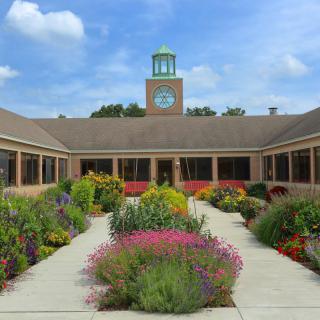
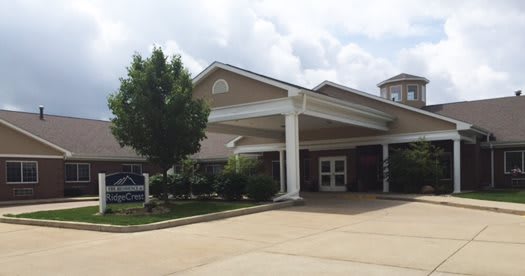
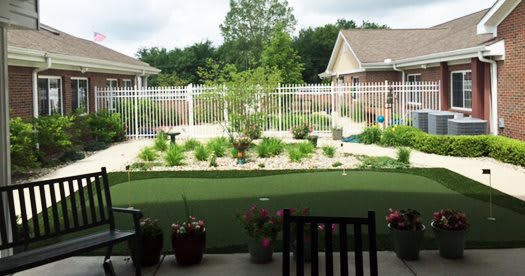
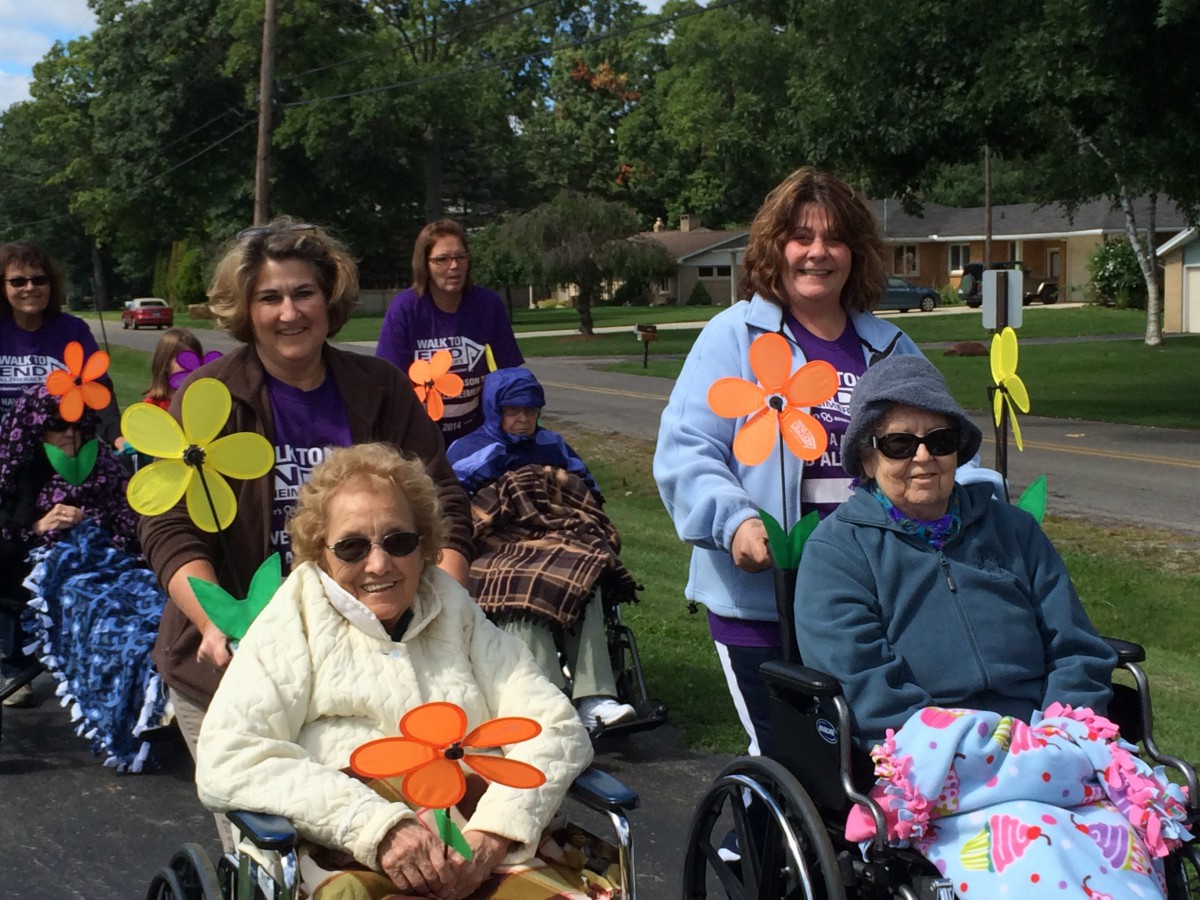
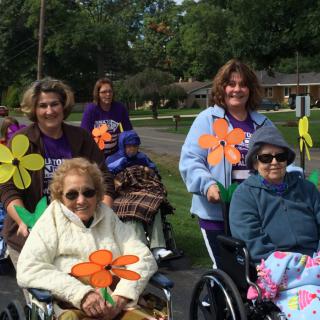
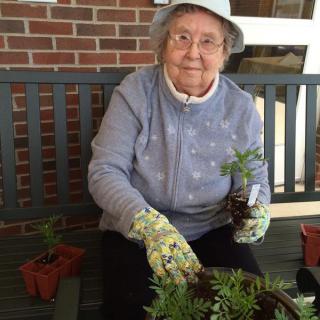
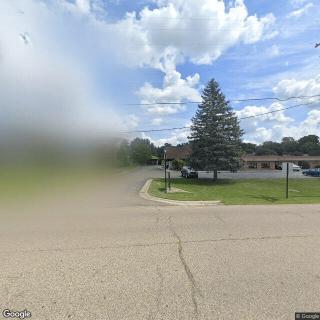
RidgeCrest Health Campus on seniors.fyi includes 9 photos including images showing landscaping, garden, patio, wheelchair, architecture, fence, shrubs, rocking chairs, and more.
Nearby Communities
Countryside Manor
Jackson, MI
4.3 from 15 reviews
$3,500 to $5,000 / month
Beautiful grounds, spacious accessible apartments, and attentive staff.
Countryside Villa
Jackson, MI
$910 to $1,285 / month
Affordable independent living with extensive nearby amenities.
Ganton's Countryside Retirement Community
Jackson, MI
Comprehensive care options with on-site amenities.
Countryside Care Center
Jackson, MI
24/7 nursing care with extensive on-site amenities
Ganton's Countryside Retire
Jackson, MI
Active community with convenient access to healthcare, dining, and parks.
Countryside Atrium
Jackson, MI
$1,065 to $1,585 / month
Affordable pricing vs. county/state averages; memory care and diabetic care; engaging activities.
Summit Park Assisted Living Center
Jackson, MI
4.7 from 13 reviews
$3,645 to $4,245 / month
Caring staff, clean and well-organized environment, and a convenient location with a range of on-site activities.
Jackson Friendly Home
Jackson, MI
4.6 from 56 reviews
$1,400 / month
Caring, family-like staff with engaging activities and supportive environment.
Vista Grande Villa
Jackson, MI
4 from 91 reviews
$1,690 to $2,143 / month
Clean, well-maintained community with engaging activities and flexible month-to-month leases.
The content outlines five key early indicators of dementia, including significant memory loss and confusion about time and place, while emphasizing the need for professional evaluation and emotional support for both individuals showing symptoms and their caregivers. It encourages family members to monitor these signs closely and use online quizzes for initial awareness.
The article highlights eight indicators that a loved one with dementia may require specialized memory care, emphasizing the emotional and logistical challenges families encounter in this decision. It discusses signs such as difficulties with daily tasks, safety concerns, and caregiver burnout, suggesting that memory care facilities can provide the necessary support and structured environments for those experiencing cognitive decline.
Dementia, primarily caused by Alzheimer's disease but also linked to other conditions, leads to cognitive decline impacting memory and daily functioning, with individuals experiencing varied awareness of their impairments. Despite memory loss, emotional connections persist, enabling responses to familiar stimuli, highlighting the need for caregivers to provide compassionate support that recognizes both limitations and retained emotional depth.