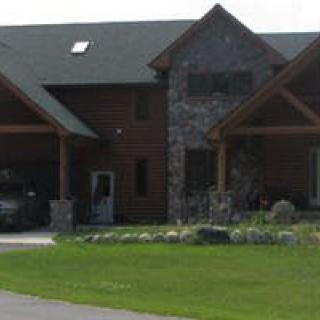
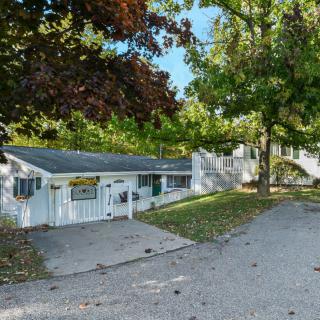
Angela's House Assisted Living II in Imlay City, MI

1839 South Almont, Imlay City, MI 48444

For more information about senior living options: (844) 490-3973

4.3 from 63 reviews
5 stars
51
4 stars
1
3 stars
0
2 stars
1
1 stars
10

Assisted Living

What level of care are you interested in?

Assisted Living

Memory Care

Independent Living

Skilled Nursing Facility

Continuing Care Retirement Community (CCRC)CCRC

Other


Request a tour at Angela's House Assisted Living II

    Overall Review of Angela's House Assisted Living II

    Pros

    • pro The staff are caring and treat residents like family.
    • pro The facility is clean, well maintained, and feels like home.
    • pro The care team goes above and beyond for every resident.
    • pro Management is kind, helpful, and easy to communicate with.
    • pro Residents have ample opportunities to socialize through meals, exercise classes, concerts, and puzzles.
    • pro The meals are homemade and offer good variety.
    • pro The environment is safe, warm, and welcoming.
    • pro Families feel supported and the staff handle difficult times with compassion.
    • pro The facility comes highly recommended for a loved one who needs care.

    Cons

    • pro One reviewer notes that there are two sides to every story, implying skepticism about the reviews.
    • pro Another reviewer suggests that since Samantha left Angela's House, things run much smoother, implying there were problems before.
    • pro A commenter dismisses rude remarks as coming from people who are not worthy of the love this place offers.
    • pro The reviews hint at past issues with staff or management, casting a shadow over earlier operations.

    Review

    Angela's House Assisted Living II in Imlay City is best suited for families that want a warm, hands-on, home-like setting where residents are treated with genuine care and daily life feels like family time. The community excels at cleanliness, comfort, and a tangible sense of belonging: rooms that feel like personal space, the option to bring in familiar recliners or belongings, and a steadily clean, well-maintained environment. Food is described as homemade and varied, and the social calendar - mealtimes, exercise classes, concerts, and puzzle-solving - provides meaningful engagement. For families prioritizing emotional warmth, attentive staff, and a respectful, homelike routine, this is a compelling fit.

    Those who may want to consider alternatives include families seeking a higher level of medical oversight or highly specialized memory-care programming. Angela's House II demonstrates strong, compassionate caregiving and a capable memory-care presence, but it remains a smaller, personal setting rather than a hospital-like campus. If a loved one requires round-the-clock nursing with immediate access to physicians, rapid escalation of care, or a broader continuum of medical services, larger communities with on-site nursing or hospital affiliations may be more appropriate. Likewise, families chasing the most aggressive clinical schedule or cutting-edge therapy programs might prefer other options with more extensive clinical resources.

    The core strengths - caring staff, family-like culture, and a clean, homelike atmosphere - offset potential limitations in medical acuity through several clear mechanisms. Caregivers consistently treat residents as if they are their own family, which reduces anxiety for families and helps residents feel secure. The absence of a clinical, impersonal vibe is a repeated theme, and this emotional safety net often translates into better overall quality of life for residents who thrive on routine, personalized attention, and social interaction. Cleanliness and thoughtful room setup - ample storage, wall-mounted TV, and space for personal touches - accentuate daily comfort and dignity, while homemade meals and diverse activities create ongoing opportunities for connection and joy.

    The memory-care component is a notable strength, with staff described as warm and capable in navigating dementia-related needs. This suggests Angela's House II can handle a range of cognitive impairment levels without forcing families to move to a facility with a more clinical focus. Yet, the existence of a memory-care unit also signals a need for families to assess whether the current level of clinical oversight aligns with expectations for future care. For some residents, the care approach here will feel perfectly adequate; for others facing rapid changes in medical demands, it may be a stepping stone toward a setting with broader medical resources.

    Management and operations come across as approachable and responsive, with positive notes on contract clarity and payment handling. The general sentiment from families emphasizes open communication, manageable pricing, and a collaborative mindset when plans change or questions arise. This combination - transparent administration and consistently good caregiver interaction - reduces the typical stress that accompanies transitions into assisted living. While no community is immune to occasional management shifts, the prevailing pattern at Angela's House II is one of stability, accountability, and a genuine willingness to work with families to tailor care.

    In the end, Angela's House Assisted Living II stands out as a practical, strong choice for families prioritizing a homey atmosphere, heartfelt caregiving, and active resident engagement. It delivers a compelling value proposition: clean, comfortable living spaces; attentive staff who treat residents like family; and a steady slate of social and recreational activities that keep elders connected and engaged. It may not be the best fit for those whose needs demand intensive, hospital-level medical oversight or a broader continuum of care beyond what a smaller, intimate community routinely provides. For such families, alternatives with more robust clinical resources or a more specialized memory-care focus should be considered, while continuing to evaluate this community's warmth, reliability, and proven dedication to making residents feel at home.

    Features

    Housing

    • 20 resident community capacity 20 resident community capacity

    Types of Care

    • Assisted Living Assisted LivingAssisted living facilities provide crucial support and care for seniors who may need help with daily tasks such as medication management, bathing, and meal preparation. These communities offer a safe and comfortable environment where seniors can maintain their independence while receiving the assistance they need to thrive in their golden years.

    Amenities

    • Beauty salon Beauty salonBeauty salons are important for seniors because they provide a space for them to feel pampered, socialize, and maintain their personal grooming and hygiene. Regular visits to a beauty salon can help boost seniors' self-esteem and overall well-being.
    • Cable or satellite TV Cable or satellite TVCable or satellite TV is important for seniors because it provides entertainment, news, and companionship, helping to combat loneliness and boredom. It also offers a wide range of programming options tailored to different interests and preferences.
    • Dining room Dining roomDining rooms are important for seniors as they provide a space for socialization, connection, and nutritious meals. They offer opportunities for residents to bond over shared meals, foster a sense of community, and promote healthy eating habits. Dining rooms also ensure that seniors have access to well-balanced meals tailored to their dietary needs and preferences.
    • Fully furnished Fully furnishedFully furnished senior living communities are important for seniors because they provide convenience, comfort, and a hassle-free moving experience. Seniors can easily settle into their new living space without the stress of having to buy and move furniture. This allows them to focus on enjoying their new home and community.
    • Garden GardenGardens are important for seniors as they provide a peaceful and therapeutic environment for relaxation, physical activity, and socialization. Being in nature has been shown to reduce stress, improve mood, and promote overall well-being. Gardens also offer opportunities for seniors to engage in gardening activities, which can improve mobility, flexibility, and cognitive function. Additionally, gardens create a sense of community and connection with others who share a passion for plants and outdoor spaces.
    • Housekeeping services Housekeeping servicesHousekeeping services are important for seniors because they help maintain a clean and safe living environment, promote independence, and reduce the risk of accidents or illnesses. Additionally, having assistance with household chores can alleviate physical strain and allow seniors to focus on other aspects of their well-being.
    • Kitchenette KitchenetteKitchenettes are important for seniors living in senior living communities because they provide the convenience and independence of being able to prepare simple meals and snacks in the comfort of their own living space. This can help promote a sense of autonomy and well-being for seniors, allowing them to maintain some level of control over their dietary choices and daily routines.
    • Move-in coordination Move-in coordinationMove-in coordination is important for seniors because it helps ease the transition into their new living environment. It ensures that all logistics, such as packing, organizing movers, and setting up utilities are taken care of, allowing seniors to focus on settling in and adjusting to their new home. Having a smooth move-in process can alleviate stress and anxiety, making the transition smoother and more enjoyable for seniors.
    • Outdoor space Outdoor spaceOutdoor spaces are important for seniors as they provide opportunities for physical activity, social interaction, exposure to natural light and fresh air, and a sense of connection to nature. Having access to outdoor spaces can improve overall well-being and quality of life for older adults living in senior communities.
    • Restaurant-style dining Restaurant-style diningRestaurant-style dining is important for seniors because it allows them to enjoy delicious, nutritious meals in a social and upscale setting. This enhances their dining experience, promotes healthy eating habits, and fosters socialization with fellow residents, ultimately contributing to their overall well-being and quality of life.
    • Small library Small librarySmall libraries are important for seniors as they provide access to a variety of reading materials, including books, newspapers, and magazines. This can help stimulate their minds, keep them engaged, and provide a sense of community through book clubs and other social activities. Additionally, reading has been shown to improve cognitive function and overall mental well-being in older adults.
    • Telephone TelephoneTelephones are important for seniors as they provide a lifeline for communication with loved ones, emergency services, and healthcare providers. They offer a sense of security and independence, enabling seniors to stay connected and access assistance when needed.
    • Wi-Fi/high-speed internet available Wi-Fi/high-speed internet availableWi-Fi/high-speed internet is important for seniors to stay connected with loved ones, access online resources, and participate in virtual activities to combat feelings of loneliness and isolation. It also allows them to easily manage healthcare needs, access entertainment, and engage in lifelong learning opportunities.

    Care Services

    • 24-hour call system 24-hour call system24-hour call systems are important for seniors because they provide peace of mind and immediate assistance in case of emergencies. This technology ensures that help is always available, promoting safety and security for elderly individuals living alone or in assisted living facilities.
    • 24-hour supervision 24-hour supervision24-hour supervision is important for seniors to ensure their safety, well-being, and access to immediate assistance in case of emergencies or health issues. This constant support provides peace of mind for both seniors and their loved ones, allowing them to age in place with dignity and security.
    • Activities of daily living assistance Activities of daily living assistanceActivities of daily living assistance are important for seniors because they provide essential support with tasks such as eating, bathing, dressing, and mobility. This assistance helps seniors maintain their independence, dignity, and overall quality of life as they age.
    • Assistance with bathing Assistance with bathingAssistance with bathing is crucial for seniors as it helps maintain personal hygiene, prevents infections, and ensures their overall well-being and comfort. It also provides a sense of dignity and independence for seniors who may struggle with this task on their own.
    • Assistance with dressing Assistance with dressingAssistance with dressing is important for seniors because it helps maintain their independence, promotes personal hygiene, prevents accidents and injuries, and improves overall quality of life. This service ensures that seniors can continue to dress comfortably and confidently, despite any physical limitations they may have.
    • Assistance with transfers Assistance with transfersAssistance with transfers is crucial for seniors as it helps prevent falls and injuries, maintains their independence, and ensures they can safely navigate their living environment. It also provides peace of mind for both seniors and their loved ones.
    • Diabetes diet Diabetes dietA diabetes diet is crucial for seniors as it helps manage blood sugar levels, reduce risks of complications, and improve overall health and well-being. By following a balanced and nutritious diet tailored to their specific needs, seniors can better control their diabetes and enhance their quality of life.
    • Meal preparation and service Meal preparation and serviceMeal preparation and service are crucial for seniors as they may have limited mobility or energy to cook nutritious meals. Having access to healthy and convenient food options can ensure they are getting the proper nutrition needed to maintain their overall health and well-being.
    • Medication management Medication managementMedication management is crucial for seniors to ensure they are taking the right medications at the correct dosages and times. This helps prevent adverse drug interactions, reduces the risk of medication errors, and promotes overall health and well-being. Proactive management also allows for adjustments as needed based on changing health conditions or new prescriptions.
    • Mental wellness program Mental wellness programMental wellness programs are essential for seniors as they promote cognitive stimulation, emotional support, and social engagement. These programs help prevent isolation, depression, and cognitive decline, ultimately enhancing the overall quality of life for older adults.
    • Special dietary restrictions Special dietary restrictionsSpecial dietary restrictions are important for seniors because age-related changes in metabolism and health conditions can make it difficult for their bodies to process certain foods. By following a diet tailored to their specific needs, seniors can maintain their overall health and well-being, manage chronic conditions, and reduce the risk of complications such as malnutrition or food interactions with medications.

    Dining

    • Diabetes diet Diabetes dietA diabetes diet is crucial for seniors as it helps manage blood sugar levels, reduce risks of complications, and improve overall health and well-being. By following a balanced and nutritious diet tailored to their specific needs, seniors can better control their diabetes and enhance their quality of life.
    • Special dietary restrictions Special dietary restrictionsSpecial dietary restrictions are important for seniors because age-related changes in metabolism and health conditions can make it difficult for their bodies to process certain foods. By following a diet tailored to their specific needs, seniors can maintain their overall health and well-being, manage chronic conditions, and reduce the risk of complications such as malnutrition or food interactions with medications.

    Activities

    • Community-sponsored activities Community-sponsored activitiesCommunity-sponsored activities are important for seniors as they provide opportunities for social interaction, mental stimulation, and physical activity. These activities can help improve overall well-being, combat loneliness and isolation, and promote a sense of belonging and purpose among older adults.
    • Resident-run activities Resident-run activitiesResident-run activities are important for seniors as they encourage social interaction, creativity, and a sense of autonomy. These activities empower seniors to stay engaged and active in their community while fostering meaningful connections with their peers.
    • Scheduled daily activities Scheduled daily activitiesScheduled daily activities are important for seniors because they provide structure, socialization, mental stimulation, and physical activity. Engaging in regular activities can improve overall well-being and quality of life for seniors living in a community setting.

    Description

    Angela's House Assisted Living II, located in the charming town of Imlay City, MI, offers a warm and inviting environment for seniors seeking comfort and care. This community is designed to provide residents with a fulfilling lifestyle while ensuring they have access to essential support.

    The amenities at Angela's House include fully furnished living spaces equipped with cable or satellite TV and Wi-Fi/high-speed internet, allowing residents to stay connected and entertained. A cozy dining room provides restaurant-style dining experiences tailored to meet special dietary restrictions, while meal preparation and service are handled by dedicated staff. Residents can also enjoy the tranquil outdoor space and beautifully maintained gardens that enhance their quality of life.

    Care services are comprehensive and attentive, including 24-hour supervision and assistance with activities of daily living such as bathing, dressing, and transfers. Angela's House caters to specialized needs with diabetes diets and medication management programs. Moreover, a mental wellness program promotes emotional health among residents.

    Residents can partake in a variety of scheduled daily activities as well as resident-run initiatives that foster community engagement. The small library provides opportunities for quiet reading time, ensuring that everyone finds something enjoyable to do.

    Conveniently situated near local cafes, parks, pharmacies, physicians’ offices, restaurants, and places of worship, Angela's House is ideally located for easy access to community services while maintaining a serene atmosphere where residents can thrive. With move-in coordination services available, transitioning into this nurturing environment is smooth and welcoming for every new resident.

    Nearby Places of Interest

    Restaurants

    • Wendy's (0.3 miles)
    • Burger King (0.3 miles)
    • Little Caesars Pizza (0.3 miles)
    • Taco Bell (0.3 miles)
    • Lucky's Steakhouse (0.4 miles)
    • McDonald's (0.4 miles)
    • A&W Restaurant (5.5 miles)

    Cafes

    • Tim Hortons (0.3 miles)
    • Starbucks (12.6 miles)

    Physicians

    • SVS Vision Optical Centers (0.3 miles)
    • Skalski Grace Imlay City Family Practice Imlay City (0.4 miles)
    • Imlay City Family Practice (0.4 miles)
    • Cornerstone Medical Group/Almont Family Practice (4.9 miles)
    • Lane Swayze Clinic (6.5 miles)
    • Family First Clinic (7.4 miles)
    • Family First Health Care DO (7.4 miles)

    Pharmacies

    • Sav-On Drugs (0.4 miles)
    • Narayan Drugs and Pharmacy (0.9 miles)
    • Rite Aid (1.3 miles)
    • Rite Aid (5.9 miles)
    • Capac Pharmacy (7.5 miles)
    • Walmart Pharmacy (11.6 miles)
    • Rogers Pharmacy (12.3 miles)

    Parks

    • Rotary Park (0.7 miles)
    • Attica Twp Park (5.1 miles)
    • Almont Fields (6.1 miles)
    • General Squier Park (6.4 miles)
    • Almont Community Park (6.7 miles)
    • Lapeer County Parks & Recreation Department (12.2 miles)
    • Rowden Park (12.7 miles)

    Places of Worship

    • Trinity Baptist Church (0.8 miles)
    • Imlay City Church of Christ (1.9 miles)
    • Gateway Assembly Church (2.7 miles)
    • First Baptist Church of Attica (5.1 miles)
    • First Congregational Church (6.4 miles)
    • Almont New Church Assembly (7.1 miles)
    • The C3 Connection Center (7.5 miles)

    Transportation

    • Mounts Of Distinction (7.3 miles)
    • Bizzy Bugs Skull Cleaning (11.4 miles)
    • Amtrack Train Station:Lapeer To Chicago (11.9 miles)

    Hospitals

    • Occupational Health and Convenient Care Center - McLaren Lapeer Region (12.5 miles)
    • Nunnally, Nicholas Mclaren Lapeer Region Community Medical Center (12.8 miles)

    Frequently Asked Questions

    Where is Angela's House Assisted Living II?

    Nearby Communities

    • Angela's House Assisted Living

      Angela's House Assisted Living

      Imlay City, MI

      4.3 from 66 reviews
      $4,300 to $4,600 / month

      pro Attentive staff with consistent caregivers in a cozy, home-like setting and good meals.

    • Maple Vista

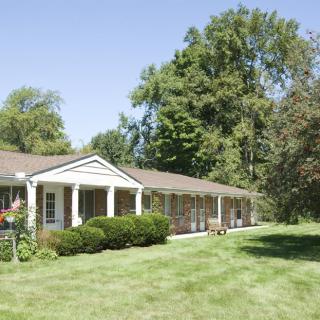
      Maple Vista

      Imlay City, MI

      4.2 from 42 reviews
      $990 to $1,740 / month

      pro Spacious, clean apartments with inclusive meals and housekeeping, plus a vibrant, supportive community.

    • Lighthouse

      Lighthouse

      Imlay City, MI


      pro Specialized memory care with 24/7 supervision and comprehensive support (ADLs, medications, meals, transportation).

    • Heatherton Place Retirement Center

      Heatherton Place Retirement Center

      Imlay City, MI

      4.1 from 12 reviews
      $7,744 to $10,067 / month

      pro Welcoming, home-like atmosphere with personalized care and meals.

    • Serenity Acres

      Serenity Acres

      Attica, MI

      1 from 1 review
       

      pro Cozy, home-like board-and-care with personalized attention.

    • Stepping Stone Cove

      Stepping Stone Cove

      Dryden, MI


      pro Comprehensive care (24/7 supervision, ADL support, medication management) with diabetes-friendly meals, appointment transport, coordinated healthcare, plus furnished rooms and an outdoor garden.

    • Shadowtree Lodge

      Shadowtree Lodge

      Lapeer, MI

      4.6 from 18 reviews
      $4,000 to $4,450 / month

      pro Small, home-like setting with highly attentive, involved staff.

    • Orchard Grove Health Campus

      Orchard Grove Health Campus

      Romeo, MI

      3.9 from 64 reviews
      $3,200 to $4,500 / month

      pro Clean, inviting environment with engaging activities and access to memory care and rehab services.

    • Caremore of Oxford Assisted Living - Campbell Personal Care Home

      Caremore of Oxford Assisted Living - Campbell Personal Care Home

      Leonard, MI

      4.3 from 23 reviews
      $2,000 to $3,500 / month

      pro Proximity to loved ones with open visiting hours and compassionate staff who treat residents like family.

    Related Resources

    • activities of daily livingComprehensive Insights into Activities of Daily Living (ADLs) and Their Assessment

      Activities of Daily Living (ADLs) are fundamental tasks vital for an individual's independence, particularly in older adults over 85, and include functions like bathing and dressing; assessing ADLs alongside Instrumental Activities of Daily Living (IADLs) helps determine the level of required assistance due to age-related health challenges. Tailored support plans, involving family and community resources, are essential for maintaining dignity and autonomy in assisted living environments.

    • does medicare pay for assisted livingMedicare Coverage for Assisted Living: An In-Depth Exploration

      Medicare does not cover assisted living costs, as it focuses on acute medical needs and short-term care, with exceptions for certain medically necessary services like physical therapy. Individuals must explore other options such as Medicaid, veterans' benefits, or long-term care insurance to manage these expenses effectively.

    • luxury assisted livingYour Comprehensive Guide to Luxury Assisted Living: Elevated Facilities, Amenities, and Costs

      Luxury assisted living offers high-quality senior care in a resort-like environment that combines essential medical support, gourmet dining, and personalized services to enhance residents' independence and well-being. These upscale facilities emphasize holistic health and community-building through customized care plans and social activities, catering to the growing demand for enriched senior living experiences despite higher costs.


    Get Pricing Ask A Question Schedule A Tour Contact Senior Advisor