
6699 North Oceana Drive, Hart, MI 49420
For more information about senior living options: (866) 208-4318
Overall Review of Family Tree Adult Foster Care
Pros
 The owners and staff provide excellent care.
Cons
 They could not provide an actual review and were frustrated by the lack of a “Did Not Visit” option.
- They do not know anyone who lives or works there, making any review impossible.
- They were annoyed by the site repeatedly prompting for a review despite not having visited.
Review
Family Tree Adult Foster Care in Hart, Michigan is best suited for seniors who want a small, home-like setting with hands-on, consistent attention from a stable caregiver team. The community appears to serve residents who value close daily contact with owners and staff and who prefer personalized care plans over impersonal routines. In short, it is ideal for families seeking intimate supervision and a warm, neighborly atmosphere rather than a large, institutional environment.
Those needing extensive medical oversight, complex memory care, or robust, structured programs may want alternatives. The limited public footprint, two reviews, with one noting they did not visit, means less external validation of quality and reliability. For families seeking a wide array of on-site activities, transportation options, or highly regulated care pathways, a larger assisted living or dedicated memory-care community could be more trustworthy options.
On the upside, the strongest asset is the people: owners and staff described as providing excellent care, with warmth and attentiveness that translate into careful daily monitoring and a prompt, compassionate response to needs. That kind of personalized attention is difficult to match in larger settings and often translates into safer, more dignified aging in place. The small, home-like environment also promotes easier communication with family members and reduces the impersonality that can accompany bigger campuses. However, the main caveat rests in the size and evidence base: with a scant number of reviews and no long track record, the consistency of programming, staffing stability, and overall reliability remain less certain. Potential gaps may include a limited activity calendar, fewer on-site healthcare resources, and a reliance on the owner/operators for crisis management.
Families evaluating this option should verify several operational details before moving in. Inquire about caregiver-to-resident ratios, whether there is on-site nursing or medication management, and how emergencies are handled after hours. Seek clarity on meal options and dietary accommodations, daily routines that affect independence and safety, and the degree of resident choice in activities. Ask about transportation support for appointments and outings, along with the safety features in living spaces designed to prevent falls. These questions help offset the uncertainties inherent in a smaller operation and provide a clearer sense of day-to-day quality.
From a decision standpoint, this community shines when the priority is relational care and daily reassurance rather than a polished, high-program facility. It is a strong match for families who trust a small team to know their loved one personally, who value quick responsiveness, and who can maintain regular visits and open lines of communication with caregivers. It is less compelling for those who demand expansive programming, broader medical oversight, or significant memory-care specialization that goes beyond familiar, one-on-one care.
Bottom line: Family Tree Adult Foster Care offers a practical, compassionate option for seniors who thrive on intimate supervision in a home-like setting and for families prioritizing accessible, attentive care over scale. It may not satisfy those seeking robust medical oversight, a wide activity calendar, or extensive third-party validation. Prospective residents should schedule direct conversations with the owners, arrange a visit, and request candid references to confirm consistency in care, staffing reliability, and contingency planning before making a commitment.
 12 resident community capacity
 Assisted Living
 Board and Care Home
 Cable or satellite TV
 Dining room
 Fully furnished
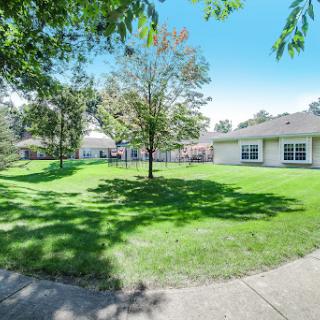
 Garden
 Housekeeping services
 Move-in coordination
 Outdoor space
 Telephone
 Wi-Fi/high-speed internet available
 24-hour supervision
 Activities of daily living assistance
 Assistance with bathing
 Assistance with dressing
 Assistance with transfers
 Diabetes diet
 Meal preparation and service
 Medication management
 Special dietary restrictions
 Transportation arrangement (medical)
 Transportation to doctors appointments




 8 Key Indicators That Suggest It May Be Time to Transition from Assisted Living to Skilled Nursing Care
 Vibrant Senior Living: A Comprehensive Guide for Active Older Adults
 When to Transition from Assisted Living to Memory Care: Key Indicators, Steps, and Finding the Right Community