
611 East Main Street, Hart, MI 49420
To contact a resident: (231) 873-5377
For more information about senior living options: (866) 208-4318
Overall Review of Cherry Blossom Manor
Pros
 The staff at Cherry Blossom Manor is caring and helpful, taking time with families to assist with transitions.
- The management goes the extra mile to satisfy residents' needs and runs a smooth operation.
- The community offers a variety of daily activities, such as Bingo, with after-dinner treats, keeping residents engaged.
- Residents can personalize their rooms with familiar furnishings and enjoy the views from their windows, including bird watching.
- The facility is clean, well-maintained, and welcoming, with staff who are accessible, friendly, and genuinely interested in residents.
- Medical care at Cherry Blossom Manor is thorough and goes above and beyond, with staff who are caring and competent.
- Families consistently express gratitude and describe Cherry Blossom Manor as a wonderful place for their loved ones.
Cons
 It is a horrible place for families.
- There is neglect and abuse.
- When residents flinch, something isn’t right.
- Residents are constantly blamed for things that are clearly not their fault.
- The facility should be shut down; residents are not safe, especially on the second shift.
- The staff is lazy, cleanliness is marginal, and residents are ignored.
- The third shift is very questionable.
- The rooms stink of urine and residents are left unattended all day.
Review
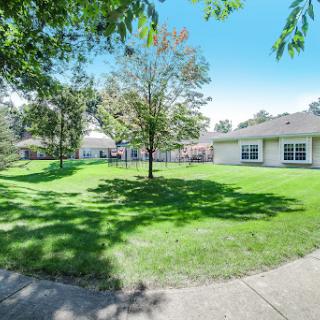
Cherry Blossom Manor in Hart, Michigan is best suited for seniors who value a warm, home-like setting where staff establish real connections and daily life includes a full slate of social activities. This community tends to attract families who want hands-on, personable care from a team that behaves like neighbors more than administrators, and who appreciate a clean, well-kept environment with personal touches, room personalization, scenic views, and a inviting common space. It’s a good fit for residents who thrive on interaction, predictable routines, and activities such as bingo, crafts, and casual programming that feel accessible rather than institutional. For families prioritizing consistently flawless night-time oversight, or residents with high medical acuity requiring rigid, around-the-clock supervision, alternatives with stronger night-shift coverage and higher-acuity programming should be considered.
The strongest positives center on the staff and the management culture. Reviewers repeatedly highlight care that feels genuine and attentive, with personnel who are accessible, cheerful, and focused on residents as people. Management is praised for running things smoothly, going the extra mile, and maintaining a welcoming atmosphere where residents can feel at home. Cleanliness is repeatedly noted, with many pointing to a pleasant odor-free environment and well-kept rooms. The community supports personalization, rooms that residents can furnish with familiar belongings, and the views, birdwatching opportunities, and large windows contribute to a sense of something more than a care facility. A robust activity calendar, including daily engagement and social opportunities, helps residents stay connected and invested in daily life, while extras like a barbershop or an open common room with piano and social seating reinforce the feeling of a lived-in, comfortable home.
Yet the landscape is not uniformly positive. A portion of reviews recount serious safety and care concerns, painting a stark contrast to the more favorable accounts. Accounts of neglect, odor issues, and residents being left unattended have been reported, sometimes accompanied by significant weight loss and a perception that the environment is not consistently monitored. Night-shift and second-shift reliability emerge as recurring themes, with some families describing shifts as questionable and staff performance as insufficiently vigilant. These reports are not universal, but they supply a crucial counterweight to the many praise-filled narratives and inevitably shape the decision calculus for families weighing this option.
Those pros do have teeth in offsetting the cons when the setting is right. A staff culture that feels genuinely invested can dramatically improve day-to-day quality of life, turning a routine schedule into something meaningful. Clean facilities and well-maintained rooms reduce anxiety about odors or clutter, while an engaging activity program helps prevent isolation and decline, especially when residents are allowed to participate at their own pace. The ability to personalize space, enjoy generous views, and access social anchors like group games and casual gatherings often translates into improvements in mood and overall well-being. Where management keeps the ship steady and residents’ needs prioritized, many families experience dependable, affectionate care that stands up against the more challenging shifts.
For families where safety and consistency across all hours are non-negotiables, alternatives deserve close consideration. If night-time oversight, prompt response to needs, and reliable supervision are paramount, it is prudent to ask pointed questions during tours: How are night-shift staffing levels determined? What is the incident reporting process, and how quickly are concerns escalated? What are the appetite and dining routines on evenings and weekends? How is care coordinated across shifts for residents with evolving needs? Visiting at different times, especially in the evening, and speaking with multiple staff members from each shift can reveal whether the positive atmosphere holds beyond daytime tours. Also wise is reviewing recent resident and family references beyond the strongest endorsements.
In the end, Cherry Blossom Manor can be an excellent choice for families seeking a nurturing, socially engaged community where staff warmth, cleanliness, and personal spaces create a strong sense of home. The decision hinges on the priority placed on consistent nighttime protections and the degree to which individual residents rely on tightly coordinated, round-the-clock oversight. If the care philosophy aligns with a home-first approach and the family is prepared to investigate staffing patterns, confirm day-to-day responsiveness, and weigh the reports against the many affirmative experiences, this community offers a compelling blend of warmth, activity, and attentiveness. When diligence is applied and expectations are aligned with realities on each shift, Cherry Blossom Manor stands out as a practical, compassionate option in Hart.
 39 resident community capacity
 Assisted Living
 Memory Care
 Activities on-site
 Beauty salon
 Cable or satellite TV
 Devotional services off-site
 Dining room
 Fully furnished
 Garden
 Housekeeping services
 Indoor common areas
 Kitchenette
 Move-in coordination
 Outdoor space
 Restaurant-style dining
 Small library
 Telephone
 Wi-Fi/high-speed internet available
 24-hour call system
 Ambulatory care
 Assistance with bathing
 Assistance with dressing
 Assistance with transfers
 Diabetes diet
 Diabetic care
 Medication management
 Mental wellness program
 Special dietary restrictions




 Assisted Living and Memory Care: Understanding Their Core Differences
 Choosing the Right Senior Care: A Detailed Exploration of Assisted Living and Nursing Homes
 Safeguarding Your Memory Through the Golden Years: Eight Ways to Preserve Cognitive Health