
4691 County Farm Road, Greenville, MI 48838
For more information about senior living options: (866) 208-4318
Overall Review of Greenville Acres Adult Care
Pros
 The place treats its people with love and care.
- The staff treats people with genuine care.
- The organization’s treatment of people is awesome.
Cons
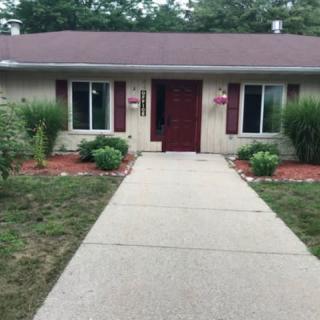
 It looks old.
- Brenda was very rude and did not seem to care at all.
Review
Greenville Acres Adult Care in Greenville, Michigan is best suited for families seeking a small, home-like setting where caregivers are perceived as genuinely affectionate and attentive. It appeals to residents who prize personal warmth and daily, hands-on contact with staff over glossy amenities or formal programming. The facility’s outward appearance may feel aging, but the emphasis is on relationships, routine, and a caregiving approach that feels intimate and steady. For seniors who want to be known, spoken to with courtesy, and cared for with steady hands, this community offers a caregiving culture that can feel like an extended family.
That warmth, however, comes with clear caveats. The community’s overall rating sits at 2.6 out of 5, and multiple reviews point to problematic interactions, most notably a report of brusque, dismissive communication from a staff member during a phone inquiry. Such experiences matter deeply when families must navigate care logistics, billing questions, and scheduling, because soft skills at reception and in management channels often set the tone for ongoing trust. In short, the environment can be emotionally reassuring, but the administrative and customer-service side raises red flags that cannot be ignored during a serious care search.
On the pro side, the strongest asset is unequivocally the evident warmth and attentiveness of caregivers toward residents. When staff are described as loving, patient, and engaged, that level of personal connection translates into dependable help with daily activities, medication oversight, and reassurance during challenging moments. That kind of hands-on, compassionate care can compensate for less-polished facilities or limited programming, making residents feel seen and valued. Yet the flip side, unreliable or curt communication from front-line staff or management, erodes confidence and can complicate coordination of comprehensive care plans, which in turn intensifies parental or familial stress.
The practical question for decision-making becomes: do the benefits of intimate, caregiver-led support outweigh the risks associated with inconsistent administrative responsiveness? For families prioritizing a nurturing daily presence, Greenville Acres delivers a legitimate value proposition. The concern is that the same environment that delivers tenderness can also fail to deliver predictable, proactive communication and problem-solving when needs shift or emergencies arise. For those who rely on timely updates, transparent billing, and decisive escalation when issues occur, these gaps can tip the scale toward seeking options with steadier administrative oversight and more consistent customer-service experiences.
To navigate a potential move, prospective residents and families should approach tours with a focused checklist. Inquire about staff-to-resident ratios and how staffing levels vary across shifts. Ask who creates and reviews care plans, how changes are documented, and how families are notified about adjustments. Probe the communication style of the administration, including how complaints are handled and what a typical response time looks like. Observe interactions during a visit, how front-desk staff treat visitors, how caregivers greet and assist residents, and whether residents appear comfortable and engaged in daily activities. These observations, paired with references from current families, will reveal whether the warm caregiving culture truly persists beyond warm words.
Bottom line: Greenville Acres may be a strong fit for families prioritizing authentic, affectionate daily care within a small, homelike setting, especially when the primary concern is ensuring residents feel valued and attended to. However, the community is not for those who require consistently polished administrative communication, proactive problem-resolution, and a high level of organizational efficiency. Alternatives should be considered for families whose decision hinges on dependable, clear, and timely information, robust administrative support, and a more modernized or professionally streamlined environment. In the end, the choice should hinge on aligning the available warmth with the family’s expectations for reliable, ongoing oversight and communication.
 21 resident community capacity
 Assisted Living
 Beauty salon
 Cable or satellite TV
 Dining room
 Fully furnished
 Garden
 Housekeeping services
 Kitchenette
 Move-in coordination
 Outdoor space
 Telephone
 Wi-Fi/high-speed internet available
 24-hour call system
 Activities of daily living assistance
 Assistance with bathing
 Assistance with dressing
 Assistance with transfers
 Diabetes diet
 Meal preparation and service
 Medication management
 Mental wellness program
 Special dietary restrictions
 Transportation arrangement (medical)
 Transportation to doctors appointments



 Assisted Living and Memory Care: Understanding Their Core Differences
 Beyond the Bingo Hall: 50+ Enriching Activities for Seniors in Assisted Living
 Understanding the Distinctions: Assisted Living and Memory Care Explained