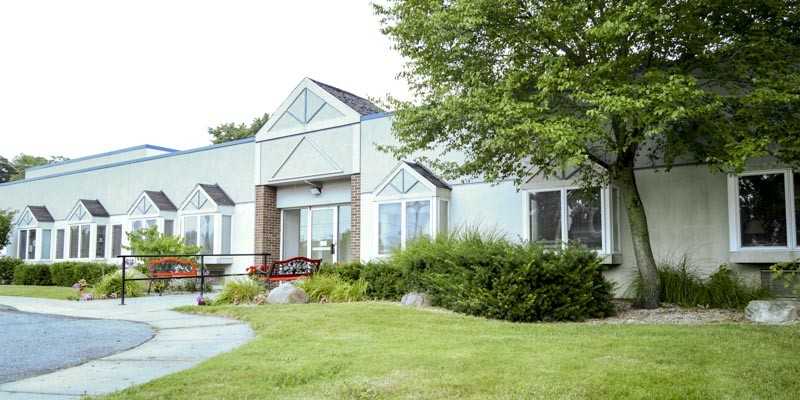
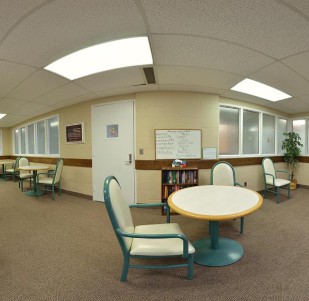
50 South Maple Street, Grant, MI 49327
For more information about senior living options: (866) 208-4318
Overall Review of Fountain View Retirement Village Grant
Pros
 The family expresses the highest regard for the staff at Fountain View.
- The care given to residents is described as beautiful and deeply compassionate.
- The staff are loving, and residents feel cared for by them.
- Residents are treated like family by Fountain View staff.
- Administration staff are praised for prompt, professional answers.
- Residents pass peacefully thanks to attentive care.
- The facility is consistently clean and provides a comfortable environment.
- Fountain View is described as person-centered care with kind-hearted staff.
- The kitchen team takes time to know residents and their families.
- The community hosts wonderful events that foster connection.
Cons
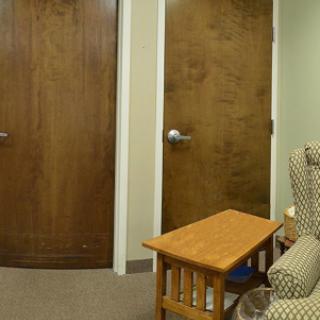
 The rooms need updated.
- They need to look more cozy and warm feeling.
- The boiler overheated and caused the place to set off fire alarms.
- There is terrible understaffing; there were only 2 or 3 staff working, while someone was injured and stuck doing everything.
- There is neglect to help residents and some staff do not correctly take care of the residents.
- The food is terrible.
- There is one solid report of theft from one resident, and likely many others.
- The units often have strong odors.
Review
Fountain View Retirement Village in Grant is best suited for seniors who prize a warm, person-centered care culture and a tight-knit, family-like atmosphere. The community shines when staff connect with residents on an individual level, demonstrate genuine compassion, and coordinate responsive communication with families. It is a strong fit for families seeking daytime-to-daycare stability in a small-town setting that offers meaningful social programming and visible investments in resident well-being. Those who value heartfelt interactions over sleek modernity will find provenance here in the intimate, neighborly feel that many residents and families come to rely on.
The strongest positives center on caregiving relationships and attentiveness. Families repeatedly describe staff as kind, patient, and devoted, with caregivers who treat residents like beloved family members. Attentive, hands-on care is underscored by stories of peaceful, well-managed end-of-life moments and staff who are readily available, compassionate, and professional in how they answer questions and support both residents and relatives. Cleanliness and a willingness to personalize care also recur in owner- or administrator-level praise, including praise for a kitchen manager who takes time to know residents and families. Community events and a scenic, small-town setting further reinforce a sense of belonging and daily purpose.
Yet, the landscape is not without meaningful cautions. Reports of understaffing, with shifts that leave certain days or times short-handed, introduce real risk for response times and consistency in daily routines. Several observers note strong odors on some units and concerns about maintenance gaps, including a boiler incident that triggered external emergency involvement. Food quality and menu variety receive mixed feedback, with some residents and families describing meals as subpar relative to expectations, and a few anecdotes of neglect or theft challenge confidence in operation. Administrative turnover and intermittent management inconsistencies contribute to a perception that policies and accountability can wobble, especially on difficult days.
The pros, caring, resident-centered staff; genuine warmth in daily interactions; a clean environment and strong mission at the caregiver level, do offset some of these concerns, but not all. The emotional assurance of being known, respected, and treated with dignity can significantly ease the transition for families and residents dealing with memory impairment, mobility limits, or end-of-life planning. When staff are present and engaged, they shape a daily life that feels meaningful, with events and social opportunities that help residents stay connected to the community and their own histories. The challenge lies in translating that caregiving strength into consistent operations across all shifts and ensuring the dining experience, odor control, and safety practices meet broader expectations.
For families weighing options, Fountain View is not a one-size-fits-all choice. Those who require near-continuous staffing coverage, consistently modern amenities, and a consistently high standard for meals may want to compare nearby alternatives with more stable governance and updated facilities. Likewise, anyone who prioritizes a pristine, odor-free environment and rigorous safety protocols should investigate whether current leadership has solid, measurable plans to address maintenance and kitchen quality. Prospective residents should request a candid discussion about staffing ratios by shift, the frequency of unit audits, and a clear plan for room updates and odor control.
In practical terms, a visit should focus on three core questions: staffing reliability and turnover, the current state of the dining program, and the facility’s maintenance and safety track record. Inspect resident rooms for warmth, storage, and overall comfort, and taste-test meals or review the menu against dietary needs. Ask for recent activity calendars to gauge engagement levels and confirm whether administratively, there is a stable leadership team with a predictable point of contact. Fountain View offers undeniable strengths in compassion and community, but families with high demands for modernization, consistent staffing, and guaranteed environmental standards will want to compare alternatives thoroughly before deciding.
 38 resident community capacity
 Assisted Living
 Memory Care
 Respite Care
 Beauty salon
 Cable or satellite TV
 Dining room
 Fully furnished
 Garden
 Housekeeping services
 Kitchenette
 Move-in coordination
 Outdoor space
 Restaurant-style dining
 Small library
 Telephone
 Wi-Fi/high-speed internet available
 Muskegon County (24 miles away)
 24-hour call system
 Activities of daily living assistance
 Assistance with bathing
 Assistance with dressing
 Assistance with transfers
 Diabetes diet
 Medication management
 Mental wellness program
 Special dietary restrictions





 Understanding the Distinctions: Assisted Living and Memory Care Explained
 How to Communicate with a Loved One Living with Dementia: 10 Supportive Strategies
 Comprehensive Guide to VA Nursing Homes: A Crucial Long-Term Care Resource for Veterans