Willow Creek West AFC offers competitive pricing for its services, particularly when compared to the broader market in Kent County and across Michigan. The monthly cost for a semi-private room at Willow Creek West is $3,500, which is notably lower than the county average of $3,939 while remaining slightly higher than the state average of $3,191. For studio accommodations, residents can expect to pay $5,000 per month. This rate surpasses both Kent County's average of $3,661 and Michigan's overall average of $3,824. Despite the higher price point for studios, Willow Creek West AFC maintains a favorable position in the market by providing personalized care and an environment that emphasizes comfort and community engagement.
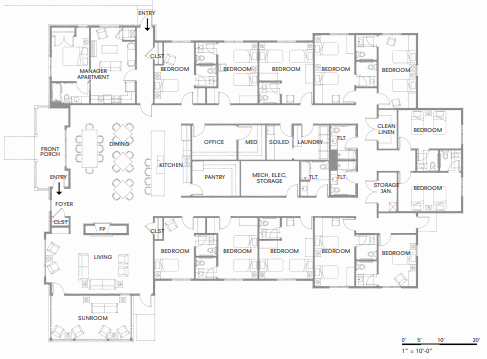
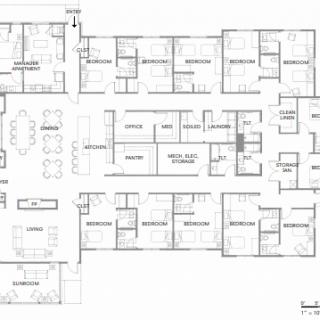
Floor plans
Willow Creek West AFC
Kent County
Michigan
Semi-Private
$3,500
$3,939
$3,189
Studio
$5,000
$3,661
$3,824
Memory care communities with a similar price nearby
Memory care residents are described as being met with patience and specialized attention.
Several reviewers describe memory care support that goes beyond basic help, including staff learning how to approach a challenging patient and demonstrating patience over time. One family specifically credits the memory-care team with helping their loved one stay stable and cared for through the end of life, while another praises how caregivers handled food preferences and a resident’s quirks. At the same time, a few negative reviews say they felt the facility was not adequately trained for dementia-related needs, including concerns around hydration and medication handling.
common17 reviews mention this
Staff support feels responsive
Staff are repeatedly described as caring and available to help.
Across reviews, residents and families describe the staff as friendly, attentive, and genuinely involved with daily care. One assisted-living reviewer also highlights that the team is supportive and answers questions even after hours and on weekends. Negative experiences mention that some residents were treated rudely or that staff were not as responsive as needed, which is the main counterpoint to the otherwise consistent praise.
common6 reviews mention this
Dining is described as homemade
Dining receives frequent praise for quality and how it’s prepared.
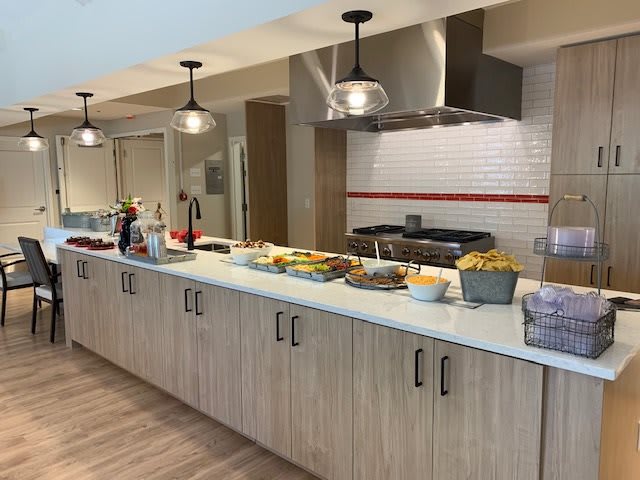
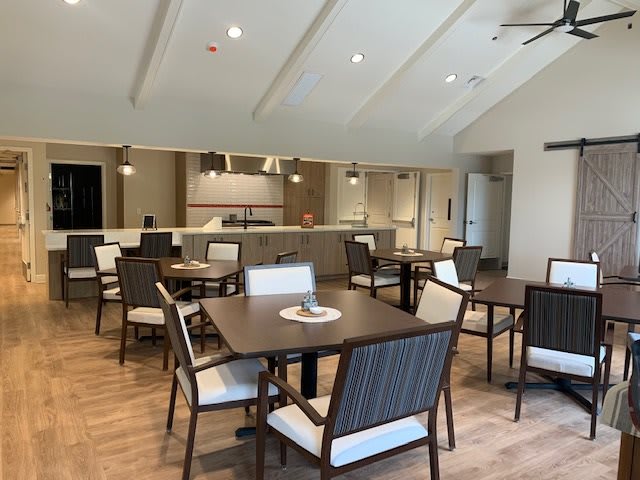
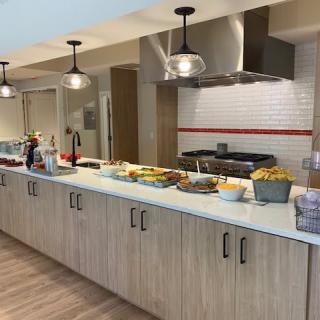
Residents are described as eating well, and multiple reviews say the meals feel homemade. Several reviewers also mention being able to see or smell food being cooked, which contributes to a more home-like dining experience. At the same time, dining-related praise is most often paired with broader care comments, so it reads as part of overall daily comfort rather than a standalone service.
caveat6 reviews mention this
Cleanliness is a mixed signal
Cleanliness is sometimes praised, but there are also serious concerns reported by families.
Some reviewers describe the community as clean and quiet, with others specifically noting residents staying dry and clean. However, multiple critical reviews point to hygiene and cleanliness failures, including reports of soiled clothing and bedding issues, and concerns that rooms were not cleaned. Because the feedback ranges from “clean” to “bed musty/soiled,” cleanliness appears uneven depending on the situation and staffing coverage.
caveat3 reviews mention this
Care and medication handling concerns
A few reviewers report problems with medication and basic care.
While most reviews describe strong care and support, a small set of negative reviews focuses on basic health management problems. These include concerns about dehydration leading to emergency care, and reports that medication handling was not done properly during respite, along with communication issues when changes occurred. Those reviewers tie the outcomes to a lack of training for dementia-related needs.
How we summarize
Counts show how many written reviews mention each theme; a review can touch several themes, and only frequently mentioned themes are displayed.
Features
Types of Care
Assisted Living
Memory Care
Amenities
Activities on-site
Air-conditioning
Cable or satellite TV
Devotional services off-site
Ground floor units
Indoor common areas
Outdoor common areas
Respite or short term stays offered
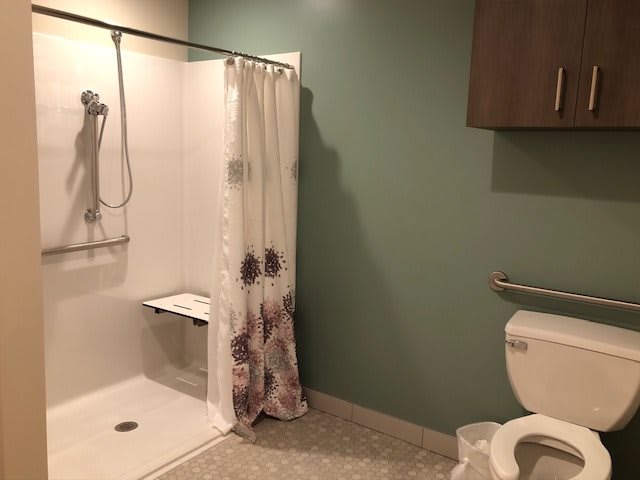
Wheelchair accessible showers
Wi-Fi/high-speed internet available
Transportation
Kent County International (5 miles away)
Care Services
Ambulatory care
Diabetic care
Incontinence care
Medication management
Dining
Low / no sodium
Meals provided
No Sugar
Activities
Activities on-site
Day trips and outings
Devotional activities offsite
Live well programs
Nearby Places of Interest
This area of Grand Rapids, Michigan, offers a variety of amenities that cater to the needs of seniors. There are several places of worship nearby for spiritual fulfillment, as well as reputable physicians and pharmacies for convenient access to healthcare services. Additionally, there are numerous dining options ranging from fast food to sit-down restaurants, ensuring a diverse culinary experience. For entertainment, there are theaters and cafes where residents can enjoy leisurely activities. The proximity to hospitals such as Spectrum Health Lab and Metro Health Hospital provides peace of mind in case of medical emergencies. Overall, this neighborhood offers a mix of convenience, comfort, and recreation for seniors looking for a vibrant community to call home.
Places of Worship
St Mark Lutheran Church (0.6 miles)
Christ Church-Pca (3.2 miles)
Providence Christian Reformed Church (3.6 miles)
Cornerstone Church (4.1 miles)
Church of the Servant (4.6 miles)
Madison Square Christian Reformed Church (4.7 miles)
Physicians
Spectrum Health (0.6 miles)
Rx Optical (1.1 miles)
Psychiatric Associates Of West Michigan (1.2 miles)
SVS Vision Optical Centers (1.9 miles)
Battiste Family Medicine PLC (2.7 miles)
Mikids Pediatrics (2.7 miles)
Dr. Philip Hunt (3.5 miles)
Restaurants
Mr Burger (0.7 miles)
Village Inn (1 miles)
McDonald's (1.4 miles)
Peppino's Sports Grille & Pizzeria (1.6 miles)
Chick-Fil-A (1.9 miles)
Culver's (2.3 miles)
FireRock Grille (2.7 miles)
Pharmacies
Emergency Response Training (0.9 miles)
CVS Pharmacy (1.1 miles)
Walgreens (1.2 miles)
Rite Aid (1.3 miles)
Walgreens (1.4 miles)
Family Fare (1.5 miles)
Meijer Pharmacy (1.9 miles)
Hospitals
Spectrum Health Lab (1.1 miles)
Pine Rest: Van Andel Center (3.2 miles)
Pine Rest: Mulder Therapy Center (3.2 miles)
Metro Health Hospital (4.8 miles)
Trinity Health Medical Center (5.1 miles)
Cafes
Starbucks (1.7 miles)
Real Food Cafe (3.4 miles)
Starbucks (3.4 miles)
Starbucks (3.8 miles)
Starbucks (4.9 miles)
Starbucks (4.9 miles)
Theaters
Phoenix Theaters (3.4 miles)
Parks
Chesebro Park (3.8 miles)
Lemery Park (5 miles)
Transportation
Enterprise Rent-A-Car (3.9 miles)
Gerald R. Ford International Airport (GRR) (4.9 miles)
Willow Creek West AFC offers competitive pricing for its services, particularly when compared to the broader market in Kent County and across Michigan. The monthly cost for a semi-private room at Willow Creek West is $3,500, which is notably lower than the county average of $3,939 while remaining slightly higher than the state average of $3,191. For studio accommodations, residents can expect to pay $5,000 per month. This rate surpasses both Kent County's average of $3,661 and Michigan's overall average of $3,824. Despite the higher price point for studios, Willow Creek West AFC maintains a favorable position in the market by providing personalized care and an environment that emphasizes comfort and community engagement.
Willow Creek West AFC's medication management system ensures that residents receive their prescribed medications accurately and on time, which is crucial for maintaining cognitive function and overall health in individuals with dementia or Alzheimer's disease. This careful oversight minimizes the risk of medication errors that could exacerbate symptoms or lead to adverse reactions. Additionally, the provision of incontinence care addresses a common challenge faced by individuals with advanced memory impairments, promoting dignity and comfort while alleviating stress for both residents and their families. By integrating these features into their comprehensive care model, Willow Creek West AFC supports a nurturing environment that caters specifically to the unique needs of memory care residents.
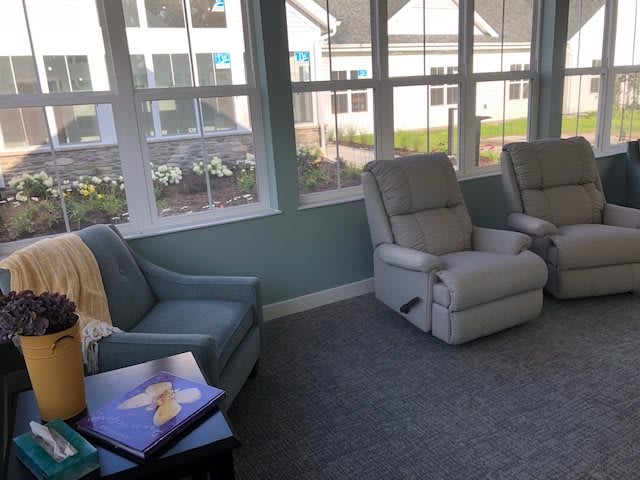
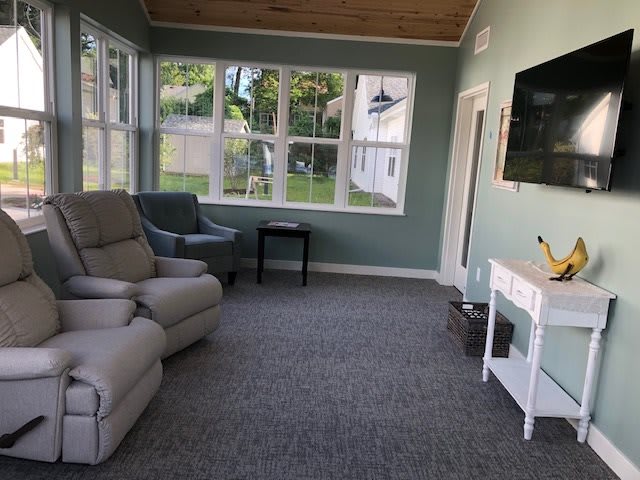
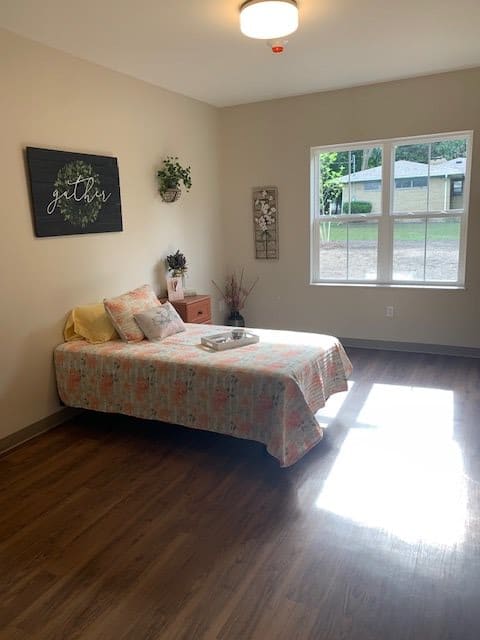
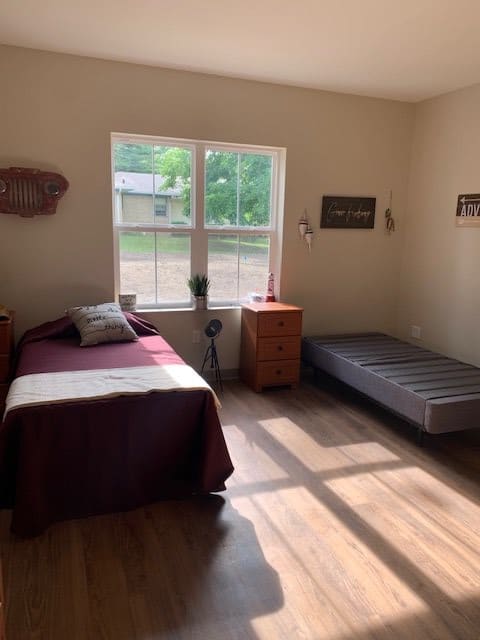
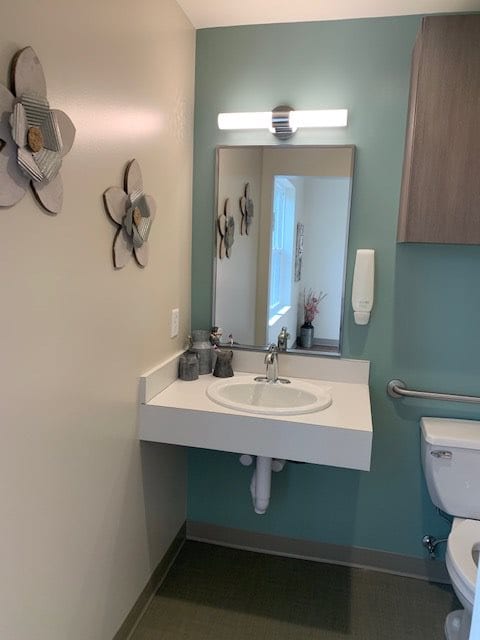
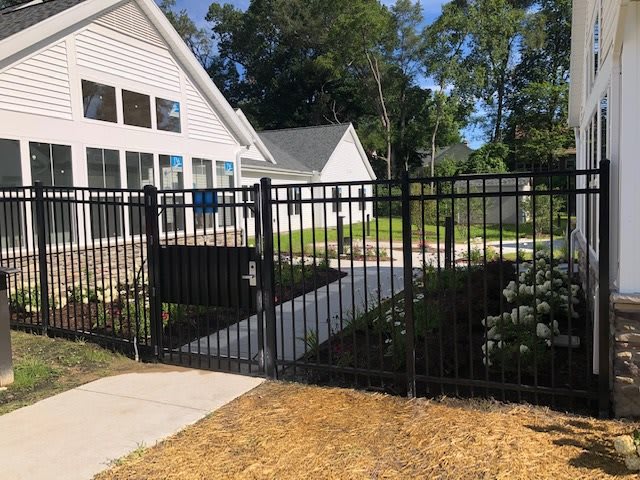
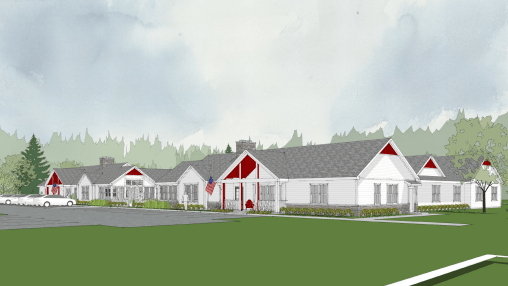
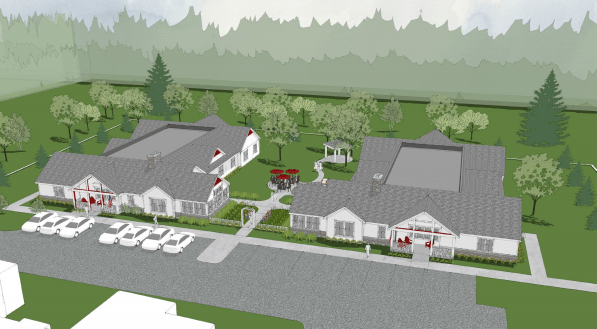
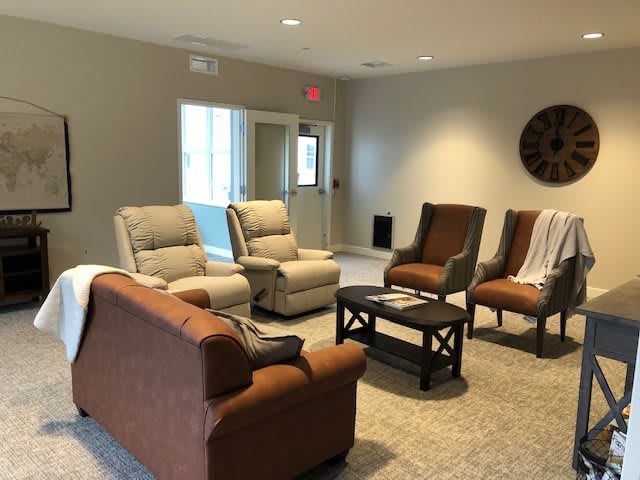
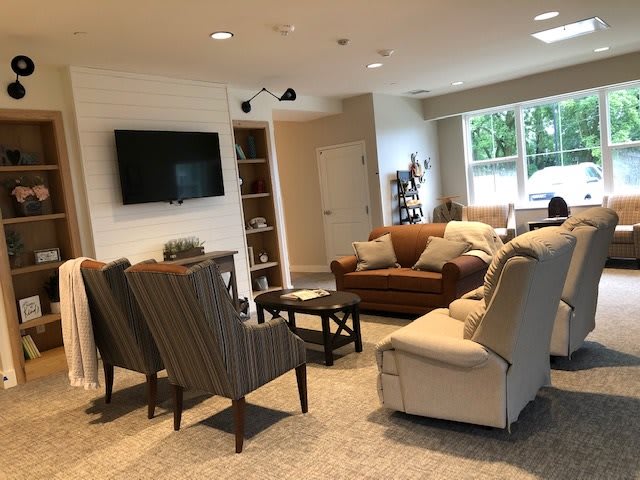
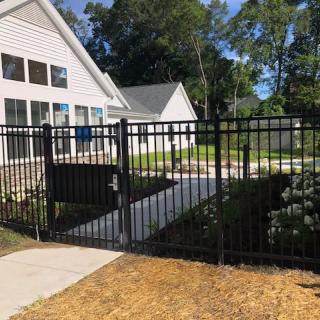
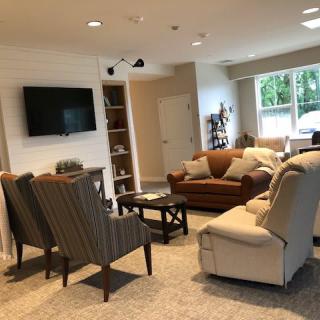
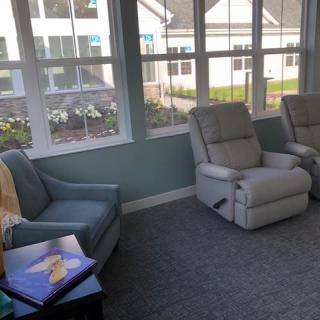
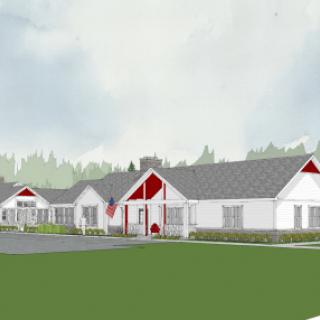
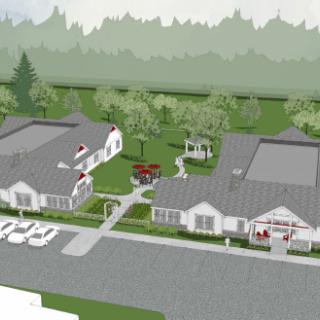
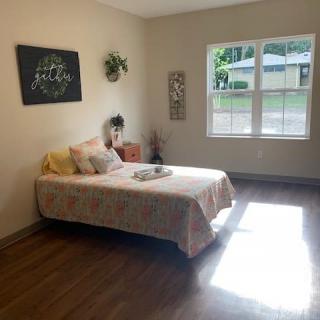
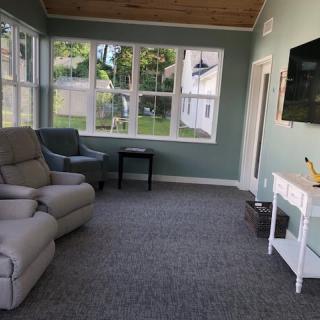
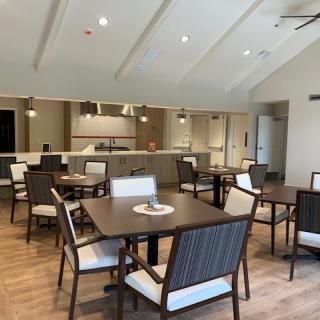
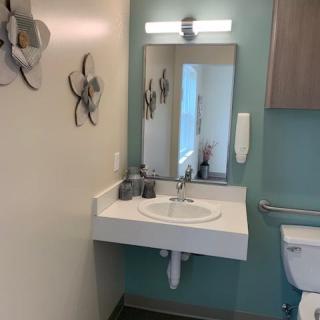
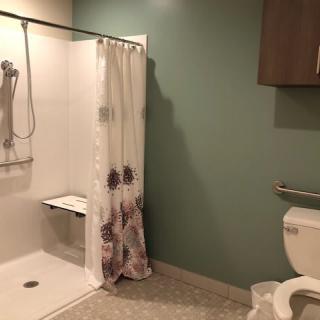
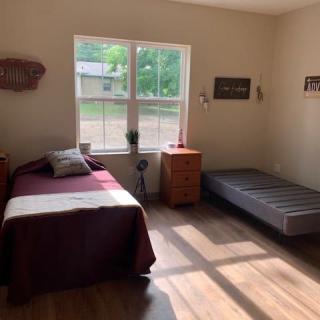
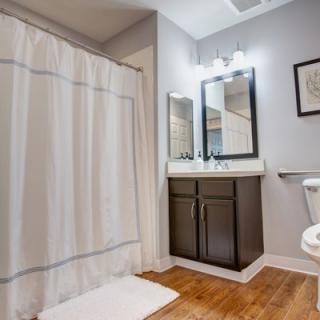
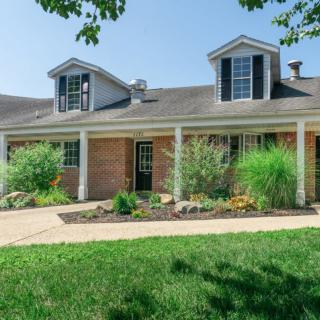
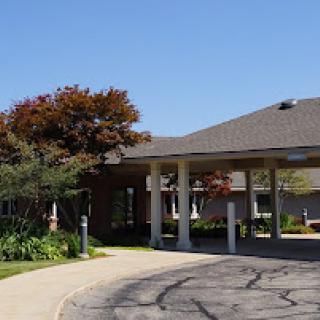
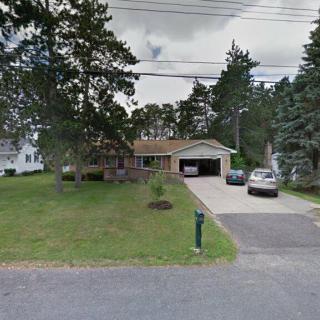
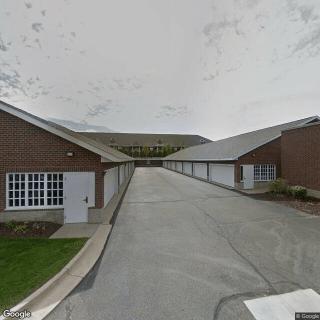
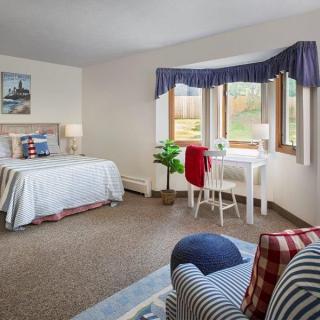
Willow Creek West AFC on seniors.fyi includes 15 photos including images showing interior, windows, bathroom, decor, landscaping, bedroom, living room, dining, and more.
Nearby Communities
Care Cardinal Alger Heights II
Grand Rapids, MI
4.3 from 32 reviews
$2,100 to $3,300 / month
Exceptional, warm, person-centered care from attentive staff.
La Benediction
Kentwood, MI
3.9 from 44 reviews
Small, fully furnished assisted living with comprehensive care, meals, housekeeping, activities, and care coordination.
Indigo
Kentwood, MI
Fully furnished with diabetes management and medication coordination.
Brookwood
Kentwood, MI
Small, intimate assisted living with fully furnished units, on-site care, meals, housekeeping, and scheduled activities.
JC Adult Home 3
Grand Rapids, MI
Specialized memory care with 24/7 supervision and transportation to medical appointments.
Stauffer
Kentwood, MI
Small, personalized care with comprehensive ADL support and diabetes-friendly dining.
Breton Woods of Holland Home
Grand Rapids, MI
4.6 from 7 reviews
$908 / month
Continuum of care with attractive amenities and welcoming staff.
American House Kentwood
Kentwood, MI
4.1 from 62 reviews
$4,250 to $5,050 / month
Homey feel with friendly, attentive staff and clean facilities.
Beacon Hill at Eastgate
Grand Rapids, MI
4.4 from 45 reviews
$1,160 to $2,420 / month
Compassionate staff with comprehensive care options (independent, assisted, memory care) in a peaceful, amenity-rich setting.
Assisted living provides moderate support for seniors seeking independence, while memory care offers specialized support for individuals with dementia or cognitive impairments through structured routines and trained staff. Key differences include care approaches, environment security measures, staff training levels, activity types, and cost considerations.
Choosing between assisted living and nursing homes involves evaluating emotional and financial factors, with assisted living offering independence and support for daily activities at a lower cost, while nursing homes provide intensive medical care for individuals with significant health needs. The decision is influenced by personal preferences, health status, cognitive function, and varying Medicaid coverage across states.
The article presents eight strategies for preserving cognitive health and memory in older adults, emphasizing a nutrient-rich diet, regular exercise, intellectually stimulating activities, adequate sleep, social connections, stress management techniques, limiting harmful substances, and regular medical checkups to mitigate age-related memory decline.
Get PricingAsk A QuestionSchedule A TourContact Senior Advisor
By clicking submit, you agree to our Partner's Terms of Use. You
also consent to receive calls and texts, which may be autodialed, from our Partner. Your consent is not a condition to
using our Partner's service. Please visit our Partner's Privacy Policy for information about their privacy practices.


 Assisted Living
 Memory Care
 Activities on-site
 Air-conditioning
 Cable or satellite TV
 Devotional services off-site
 Ground floor units
 Indoor common areas
 Outdoor common areas
 Respite or short term stays offered
 Wheelchair accessible showers
 Wi-Fi/high-speed internet available
 Kent County International (5 miles away)
 Ambulatory care
 Diabetic care
 Incontinence care
 Medication management
 Low / no sodium
 Day trips and outings
 Live well programs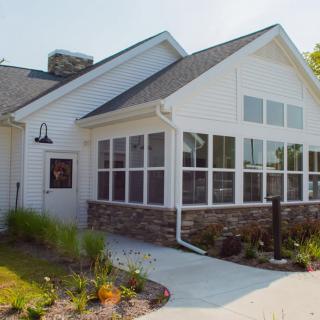
 Exceptional, warm, person-centered care from attentive staff.
 Assisted Living and Memory Care: Understanding Their Core Differences
 Choosing the Right Senior Care: A Detailed Exploration of Assisted Living and Nursing Homes
 Safeguarding Your Memory Through the Golden Years: Eight Ways to Preserve Cognitive Health