Residents and families repeatedly describe attentive, genuinely kind staff.
Many reviewers say the staff are friendly, approachable, and engaged with residents throughout the day. Several mention quick issue resolution when they call, and others highlight specific nurses being proactive with care and staying active with residents. Even in reviews that raise concerns, families still distinguish that some staff do care, while describing problems with other parts of the experience.
common13 reviews mention this
The community is consistently kept clean
Multiple reviews point to a clean, well-kept community.
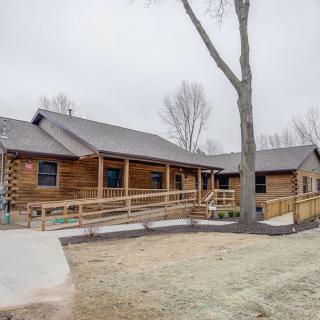
Reviewers frequently mention cleanliness, from spotless common areas to rooms that look maintained. Some also describe updated or renovated spaces, including improvements on the campus and remodeling in the memory care area. A few reviews note the place looks beautiful and inviting, even when they raise concerns about care quality.
common7 reviews mention this
Activities and engagement stand out
Residents are described as staying involved in daily activities.
Several families say they see staff actively involving residents in scheduled daily activities and day-to-day engagement. Reviewers also mention residents appearing happy and the community fostering a “full of life” experience, including in the memory care setting. A few notes about keeping residents active and engaged reinforce the same theme across different parts of the community.
differentiator5 reviews mention this
Memory care feels like a strong fit
Memory care is repeatedly described as a good fit for dementia.
Families specifically mention the memory care unit working well for their loved one, including praise about the people working there. Multiple reviewers also connect the program to dementia/Alzheimer’s support, and one describes remodeling within the secured memory care units. Taken together, the reviews suggest families associate this community’s memory care with structured engagement rather than a one-size-fits-all approach.
caveat2 reviews mention this
Some care concerns need scrutiny
A few reviews report breakdowns in care follow-through.
While most feedback is positive, at least two reviewers describe serious concerns about how care was handled for a family member with dementia. One review says bathing wasn’t addressed for an extended period despite paid care level expectations, and another describes alarm response issues and staff not understanding care level. These accounts stand in contrast to other reviews that describe attentive nursing and quick problem-solving.
How we summarize
Counts show how many written reviews mention each theme; a review can touch several themes, and only frequently mentioned themes are displayed.
Features
Housing
20 resident community capacity
Types of Care
Assisted Living
Board and Care Home
Memory Care
Amenities
Beauty salon
Cable or satellite TV
Dining room
Fully furnished
Garden
Housekeeping services
Kitchenette
Move-in coordination
Outdoor space
Telephone
Wi-Fi/high-speed internet available
Transportation
Kent County International (11 miles away)
Care Services
24-hour call system
24-hour supervision
Activities of daily living assistance
Assistance with bathing
Assistance with dressing
Assistance with transfers
Coordination with health care providers
Dementia waiver
Diabetes diet
Hospice waiver
Meal preparation and service
Medication management
Mental wellness program
Mild cognitive impairment
Special dietary restrictions
Specialized memory care programming
Transportation arrangement (medical)
Transportation to doctors appointments
Dining
Diabetes diet
Special dietary restrictions
Activities
Community-sponsored activities
Resident-run activities
Scheduled daily activities
Nearby Places of Interest
Physicians
Spectrum Health Medical Group (0.5 miles)
Decatur Vein Clinic (2 miles)
Grand Rapids Ophthalmology (2.9 miles)
Trinity Health OB/GYN East Beltline (3 miles)
Eye Plastic And Facial Cosmetic Surgery (3.3 miles)
Maupin, Bernard Orthopaedic Associates of Michigan (3.6 miles)
Patel Dipa S MD (3.9 miles)
Parks
Provin Trails Park (0.8 miles)
Huff Park (3.1 miles)
Frederik Meijer Gardens & Sculpture Park (3.6 miles)
Riverside Park (4.4 miles)
Belknap Park (5.5 miles)
Warren Townsend Park (6.2 miles)
Restaurants
Reds at Thousand Oaks (0.8 miles)
Mr Burger Restaurant (1.7 miles)
Blue Water Grill (1.7 miles)
Cheers Good Time Saloons (1.8 miles)
Russ' Restaurant (1.9 miles)
The Score Restaurant & Sports Bar (1.9 miles)
McDonald's (1.9 miles)
Pharmacies
Walgreens (1.6 miles)
Family Fare Supermarkets (1.8 miles)
Meijer Pharmacy (2.3 miles)
Walgreens (2.4 miles)
Meijer Pharmacy (2.5 miles)
Mercy Health Pharmacy Rockford (2.8 miles)
Walgreens (3.7 miles)
Cafes
Biggby Coffee (1.8 miles)
Starbucks (1.8 miles)
Kitchen 67 (2.6 miles)
Theaters
Celebration Cinema Grand Rapids North & IMAX (2.2 miles)
Vista Springs Northview Woods offers a comprehensive suite of features designed to enhance the quality of life for residents with dementia or Alzheimer's disease. Assistance with dressing, bathing, and transfers ensures that individuals maintain dignity and comfort in their daily routines while receiving the support needed to navigate physical challenges. Medication management is pivotal in maintaining health stability, ensuring residents receive the correct doses at appropriate times. Meal preparation and service cater to nutritional needs tailored specifically for cognitive health, while transportation arrangements facilitate medical appointments without added stress. Coordination with healthcare providers fosters a holistic approach to care, allowing for seamless communication regarding each resident's evolving needs. The focus on activities of daily living promotes independence where possible, bolstered by 24-hour supervision that ensures safety and security at all times. Additionally, specialized memory care programming addresses the unique challenges faced by those with varying degrees of cognitive impairment, complemented by mental wellness initiatives that promote emotional health. The inclusion of a dementia waiver underscores a commitment to individualized care solutions that respect each resident's journey through memory loss.
Nearby Communities
Lakewood Manor
Grand Rapids, MI
4.3 from 8 reviews
Convenient access to healthcare and nearby amenities.
Dunlop Court
Grand Rapids, MI
$1,800 / month
Affordable semi-private rate ($1,800/mo) vs. Kent County and Michigan averages.
Home Instead Senior Care
Grand Rapids, MI
Compassionate, personalized care with easy access to extensive nearby amenities.
SERENITY HOMES
GRAND RAPIDS, MI
Strong access to healthcare, dining, and social opportunities.
Ivy Home
Grand Rapids, MI
2 from 2 reviews
$3,000 / month
Home-like atmosphere with extensive amenities.
Vista Springs Northview Terrace South
Grand Rapids, MI
3.6 from 90 reviews
$2,580 / month
Beautiful facility with caring memory care staff.
Ambrose Ridge Apartments
Grand Rapids, MI
4.4 from 9 reviews
Well-maintained, clean community with engaging activities.
Care Cardinal Belmont
Belmont, MI
4 from 39 reviews
$4,500 to $5,500 / month
Warm, home-like atmosphere with caring staff.
Medilodge of Grand Rapids
Grand Rapids, MI
3.4 from 101 reviews
$1,600 to $3,090 / month
Friendly staff, supportive community, and multiple care levels in a well-appointed setting.
The guide outlines the complexities of Medicaid coverage for assisted living, highlighting significant state-to-state variations, limited coverage often restricted to personal care services, and the existence of specialized waivers for certain needs like memory care. It advises families to consult local Medicaid offices for options while emphasizing the importance of understanding state-specific regulations and facility policies.
Medicaid coverage for assisted living varies by state and is primarily available to low-income individuals, with eligibility dependent on strict income and asset limits. Some states offer HCBS waivers for specific services in assisted living, but families must generally cover room and board costs, and should verify facility acceptance of Medicaid while considering potential waiting lists.
Medicaid waivers for assisted living services provide vital support for seniors and individuals with disabilities in need of long-term care, with varying state-specific eligibility criteria and benefits. These waivers cover personal care and case management but often do not fully cover room and board, leading to waiting lists for many applicants.
Get PricingAsk A QuestionSchedule A TourContact Senior Advisor
By clicking submit, you agree to our Partner's Terms of Use. You
also consent to receive calls and texts, which may be autodialed, from our Partner. Your consent is not a condition to
using our Partner's service. Please visit our Partner's Privacy Policy for information about their privacy practices.

 20 resident community capacity
 Assisted Living
 Board and Care Home
 Memory Care
 Beauty salon
 Cable or satellite TV
 Dining room
 Fully furnished
 Garden
 Housekeeping services
 Kitchenette
 Move-in coordination
 Outdoor space
 Telephone
 Wi-Fi/high-speed internet available
 Kent County International (11 miles away)
 24-hour call system
 Activities of daily living assistance
 Assistance with bathing
 Assistance with dressing
 Assistance with transfers
 Diabetes diet
 Hospice waiver
 Meal preparation and service
 Medication management
 Mental wellness program
 Special dietary restrictions
 Transportation arrangement (medical)
 Transportation to doctors appointments
 Convenient access to healthcare and nearby amenities.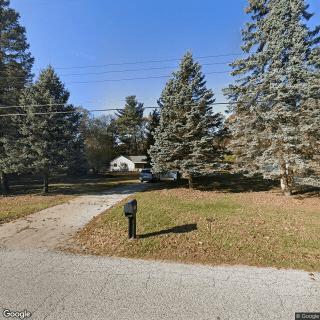

 Understanding Medicaid Coverage for Assisted Living: A Comprehensive Guide
 How and When Medicaid May Cover Assisted Living Costs
 A Detailed Exploration of Assisted Living Medicaid Waivers Across the United States