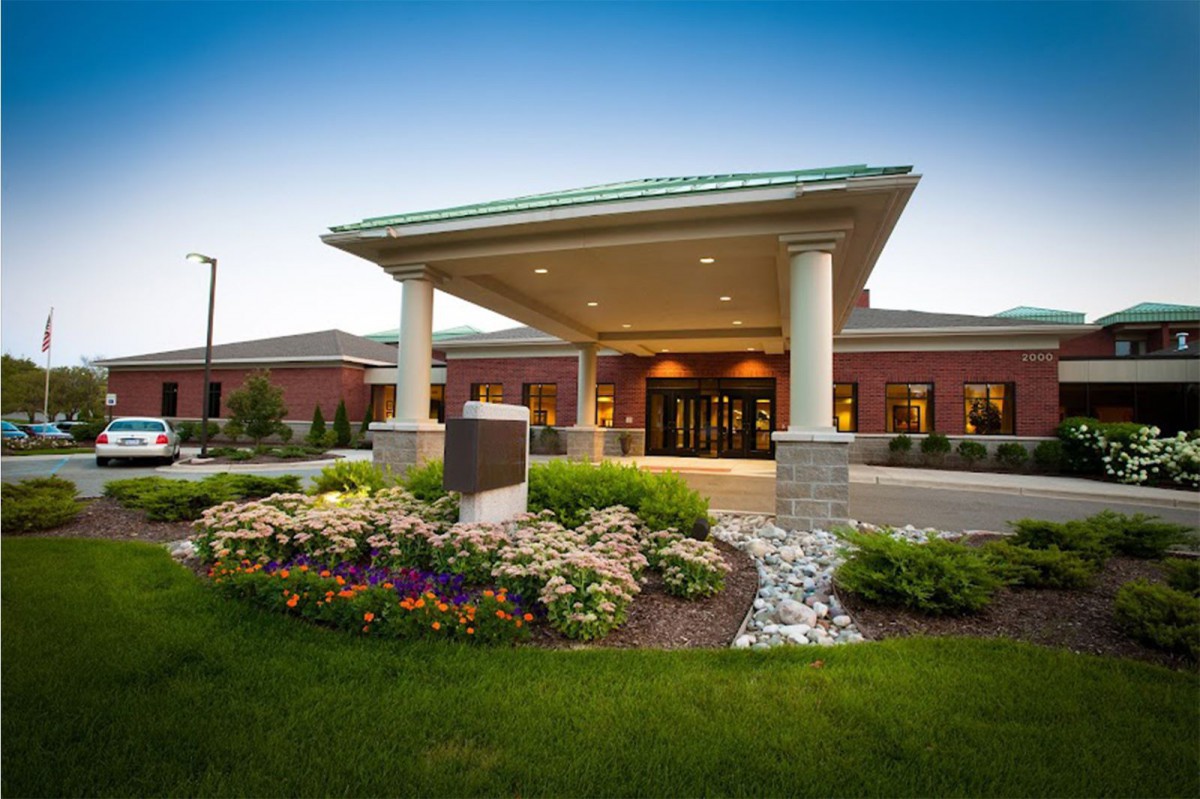

2000 32nd St SE, Grand Rapids, MI 49508
To contact a resident: (616) 452-5900
For more information about senior living options: (866) 208-4318
Overall Review of Maple Creek
Pros
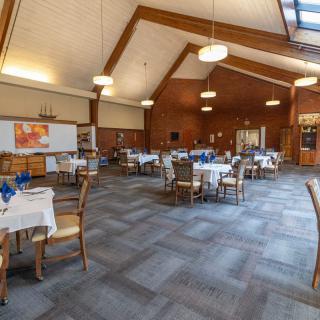
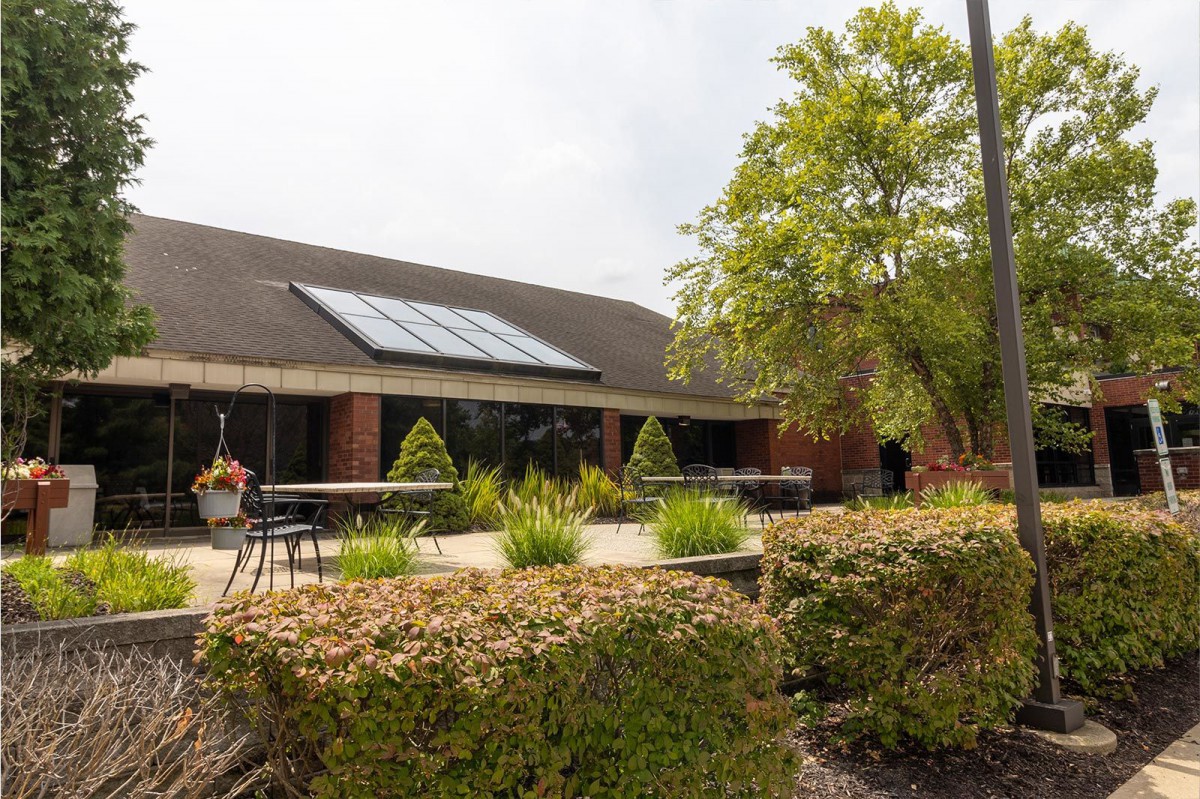
 The facility has a lot of natural light and a cheerful atmosphere.
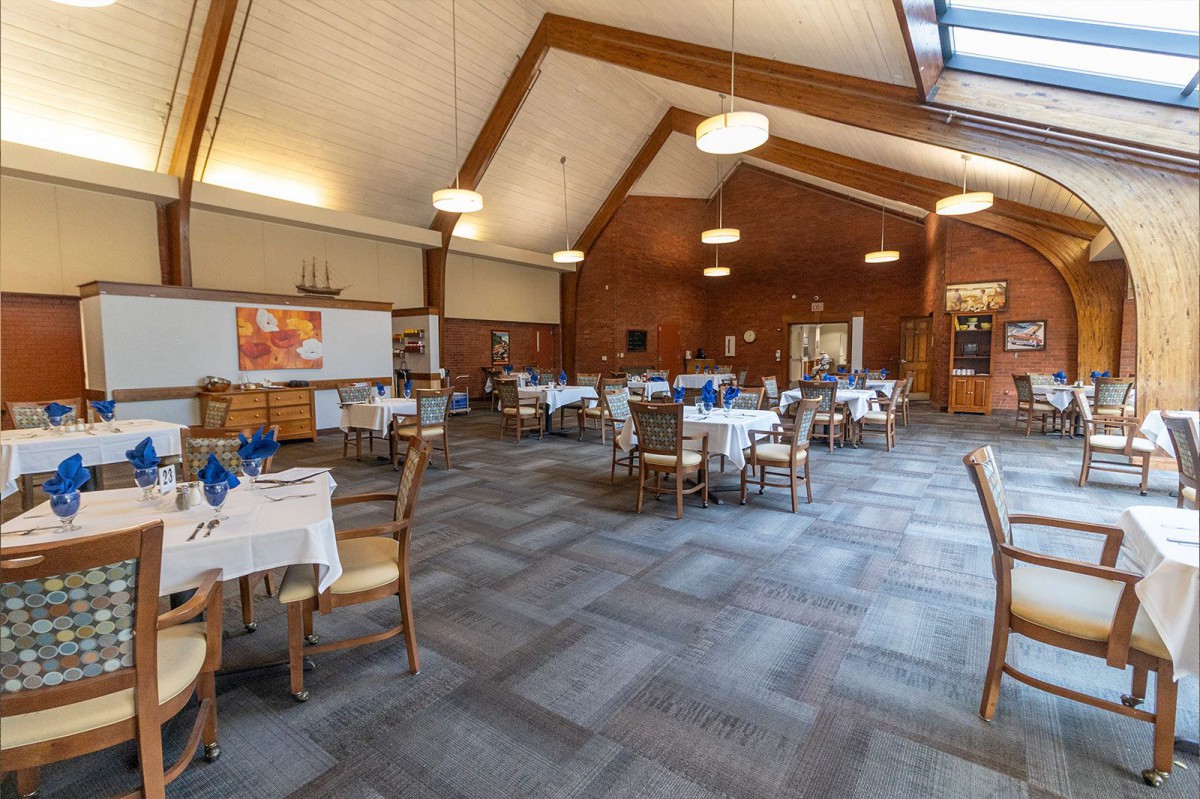
- The dining area feels homey and welcoming.
- The staff are friendly, helpful, and treat residents with dignity and warmth.
- Everything looks clean and fresh, and it smells nice.
- Residents feel at home and make wonderful friends at Maple Creek.
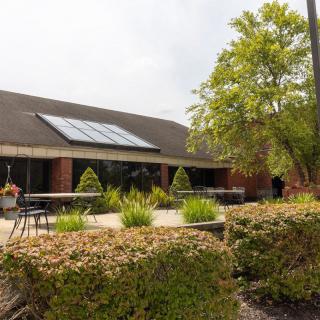
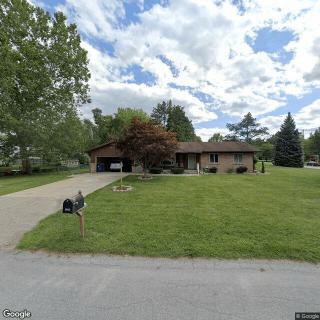
- The Terraces at MapleCreek offers nicely set up cottages, clean facilities, and pleasant grounds.
- The food is very good and residents have opportunities to stay active with exercise.
- The facility is up-to-date and supports residents' independence.
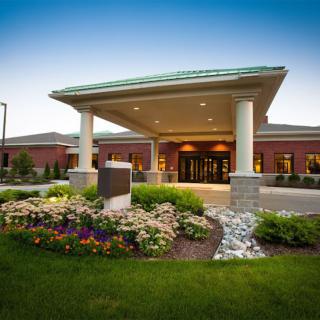
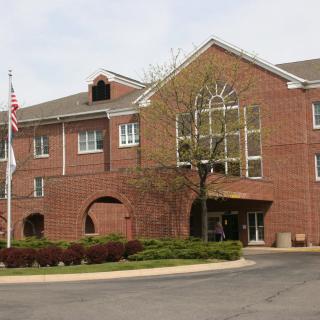
- Maple Creek has been beautifully renovated and offers multiple levels of care.
- The staff take the time to meet each person's needs with care.
- Residents are never alone; there is always someone to talk to or lend a helping hand.
Cons
 The mother-in-law would not like the double rooms.
- The reviewer was disgusted by the care her grandmother received; the room was dirty and hair washing was neglected.
- The reviewer reports that a resident walked out and froze to death after being unable to re-enter.
- The reviewer notes that negative stories about these homes are common, and positives are rarely mentioned.
Review
Maple Creek is best suited for families seeking a genuine continuum-of-care on a single campus, where independent living, assisted living, and skilled nursing sit within easy reach and staff-centered care remains the norm. The campus design supports aging in place, with multiple living options including more independent cottages and a structured assisted-living environment, plus the option to move to skilled nursing without uprooting. This is a community built for sustained social connection, ongoing programming, and regular family involvement, making it a strong fit for seniors who value warmth, dignity, and a sense of “home.”
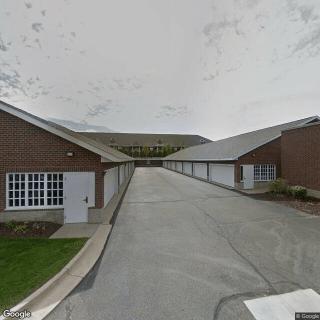
The strongest advantages center on atmosphere, people, and a capable care framework. Natural light floods the common areas, the dining experiences feel homey and predictable in a good way, and cleanliness is consistently noted. Residents encounter welcoming, attentive staff who take the time to know individual needs and keep families informed about plans of care and any changes. The campus has undergone renovations and now offers a cohesive, modern feel across buildings. A robust activity calendar, scheduled bus outings, on-site chapels, and chaplains contribute to a lively, engaged lifestyle that most families find appealing. Medicaid-friendly options and the presence of multiple care levels on one site further strengthen its practical value.
Yet, several downsides require attention. Some residents encounter privacy limitations in shared accommodations, with at least one review highlighting double rooms that may not suit those who prize quiet personal space. A stark safety incident reported in one account, a resident leaving the building and freezing outside, serves as a sobering reminder that wandering and outdoor security are critical considerations. While the overall sentiment about staff remains positive, experiences can vary, and a few families describe moments where perceived gaps in care or communication impacted confidence. These factors mean Maple Creek may demand vigilant oversight and proactive engagement from families.
Despite the drawbacks, the pros can meaningfully offset the cons through the campus’s design and culture. The continuum of care minimizes disruptive moves, so residents can transition to higher levels of support without leaving the congenial environment they have come to know. Strong, transparent communication about plans of care helps families stay aligned with medical and personal needs, reducing anxiety during transitions. Crucially, the Terraces option on the Maple Creek ecosystem, offering cottages with greater privacy and a quiet atmosphere, addresses the privacy concern for those who want more autonomy while still having access to assisted living services. Regular outings, social programming, and the sense of a close-knit community help compensate for smaller living spaces by enriching daily life and reducing isolation.
Practical guidance for families considering Maple Creek is straightforward. Schedule comprehensive tours and specifically assess room configurations, noting whether private space can be secured or whether a transition to the Terraces or similar options is preferable. Inquire about the exact processes for care-plan updates, medication management, and how wandering or nighttime safety is managed on the campus. Request conversations with current residents or families to gauge consistency of care across shifts, and verify what memory-care or security provisions exist if memory-related needs emerge. For those who prize privacy, or who require highly specialized memory support, it may be wise to compare private-suite options elsewhere; for others, Maple Creek’s blend of warmth, activity, and a true campus culture offers a compelling fit.
In the end, Maple Creek stands out as a practical, experienced choice for seniors who want a supportive, family-friendly community with a built-in care continuum and meaningful engagement. It is especially well-suited for households that value a transparent care process, regular social interaction, and the comfort of aging in place on a single campus. Those who prioritize private rooms or highly specialized, high-security memory care may want to explore alternatives, but for families seeking dependable staff relationships, accessible care levels, and a reassuring sense of community, Maple Creek delivers. A well-considered visit will crystallize whether the Terraces’ privacy-forward option or the broader Maple Creek ecosystem best aligns with the loved one’s needs.
 Assisted Living
 Independent Living
 Memory Care
 Skilled Nursing Facility
 Activities on-site
 Devotional services off-site
 Indoor common areas
 Kent County International (5 miles away)
 Ambulatory care
 Diabetic care
 Meals provided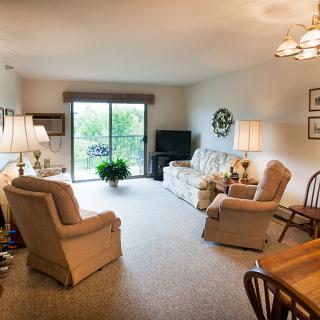




 Dementia-Related Hallucinations: Causes, Experiences, and Practical Approaches
 Illuminating Insights About Alzheimer's Disease: Ten Crucial Realities
 A Thorough Discussion of Medications Potentially Linked to Dementia Risk