Commonwealth Senior Living at Grand Rapids Costs & Pricing
Commonwealth Senior Living at Grand Rapids offers competitive pricing for its residents compared to the broader market in Kent County and across Michigan. For a studio, the monthly cost is $3,450, which is slightly below the county average of $3,661 and significantly lower than the state average of $3,824. The semi-private rooms are priced at $3,500, again more affordable than Kent County's average of $3,939 but notably higher than Michigan's average of $3,191. In contrast, their 1-bedroom units stand at $4,950, which exceeds both county and state averages of $3,483 and $3,384 respectively. Overall, Commonwealth Senior Living provides an appealing balance between quality care and affordability within the local context.
Floor plans
Commonwealth Senior Living at Grand Rapids
Kent County
Michigan
Studio
$3,450
$3,661
$3,824
Semi-Private
$3,500
$3,939
$3,189
1 Bedroom
$4,950
$3,483
$3,384
Memory care communities with a similar price nearby
Overall Review of Commonwealth Senior Living at Grand Rapids
common16 reviews mention this
Staff care comes through daily
Residents and families repeatedly describe staff who are kind, friendly, and attentive to needs.
Many reviewers say the day-to-day experience feels supported by staff who are consistently friendly and caring, including in memory care. Multiple families also describe being able to get help quickly when requests come up, and several mention staff members who were especially helpful during difficult moments. A smaller set of reviews raises concerns about staffing levels and responsiveness, including missed calls and long waits for help, which is a meaningful counterpoint to the overall tone.
common14 reviews mention this
Clean, bright spaces are noticed
Clean, bright common areas and rooms are a frequent point reviewers highlight.
A large portion of reviews mention the community looking clean, well maintained, and bright, with some reviewers noting a fresh smell and overall comfort during visits. Others specifically describe rooms that stay clean and tidy as part of what made them feel confident about the care. There are also a few complaints where visitors found rooms messy or not properly cleaned, which stands out against the more common positive cleanliness comments.
caveat6 reviews mention this
Meals are mixed, not consistently praised
Food quality and meal service are where reviews split the most.
Some residents and families praise meals and say the food is good, including references to restaurant-style dining and warm, enjoyable meals. Others describe food as bland, cold, poor quality, or served with more processed/frozen items than expected. A few reviews also mention specific dietary-handling issues, reinforcing that dining experience can vary depending on timing and individual support.
differentiator7 reviews mention this
Memory care support is central
Reviewers repeatedly connect Commonwealth’s memory care experience with how well loved ones are supported.
Several reviewers talk about living in memory care (including the Sweet Memories wing) and describe staff engagement, comfort, and being able to rely on caregivers for daily needs. Families also mention the community feeling like a better fit when dementia care needs became more challenging. At the same time, some memory-care reviews raise concerns about aide coverage, training, and food being served cold, which suggests uneven experiences for some residents.
common2 reviews mention this
Pricing can fit below area ranges
Pricing is positioned slightly below county for studios and about near or under state benchmarks across unit types.
At least a couple of reviewers discuss cost pressure and affordability concerns, including expectations around what they could qualify for financially. The pricing range provided for studios, semi-private accommodations, and one-bedrooms sits close to or below county and state benchmarks, but the reviews still reflect that total affordability and care level changes can be a decisive factor for families.
How we summarize
Counts show how many written reviews mention each theme; a review can touch several themes, and only frequently mentioned themes are displayed.
Features
Housing
1-bedroom apartments
Studio apartments
Types of Care
Assisted Living
Memory Care
Pets
Cats allowed
Dogs allowed
Amenities
Activities off-site
Activities on-site
Air-conditioning
Bath tubs
Beautician on-site
Cable or satellite TV
Cafe
Devotional services off-site
Dining room
Garden
Ground floor units
Guasts at mealtime
Guest parking
Handicap accessible
Housekeeping services
Indoor common areas
Kitchenette
Laundry
Outdoor common areas
Respite or short term stays offered
Security gate
TV room
Wheelchair accessible showers
Wi-Fi/high-speed internet available
Transportation
Kent County International (6 miles away)
Care Services
Diabetic care
Incontinence care
Medication management
Personal care assistants
Dining
Guest meals
Low / no sodium
Meals provided
No Sugar
Restaurant style dining
Room service
Special dietary restrictions
Special dining programs
Activities
Activities off-site
Art classes
Arts and crafts
Bible study group
Catholic services
Cooking classes
Day trips and outings
Devotional activities offsite
Educational speakers / life long learning
Games
Gardening club
Live musical performances
Protestant services
Religious services
Stories
Stretching classes
Wii bowling
Nearby Places of Interest
This area of Grand Rapids, Michigan offers a convenient and diverse range of amenities for seniors looking to settle down. With a variety of restaurants including Chick-Fil-A, Peppino's Sports Grille & Pizzeria, and FireRock Grille within close proximity, there are plenty of dining options to choose from. Access to healthcare is readily available with physicians such as Battiste Family Medicine PLC and Mikids Pediatrics nearby, as well as pharmacies like Family Fare and Meijer Pharmacy. For spiritual fulfillment, there are several places of worship including Providence Christian Reformed Church and St Mark Lutheran Church. Transportation options are also easily accessible with Enterprise Rent-A-Car located just 2 miles away. Overall, this area provides a comfortable and convenient setting for seniors seeking a vibrant community in which to live.
Restaurants
Chick-Fil-A (0.5 miles)
Peppino's Sports Grille & Pizzeria (0.7 miles)
FireRock Grille (0.8 miles)
McDonald's (0.9 miles)
Arby's (2 miles)
McDonald's (2.1 miles)
76th Street Truck Stop Diner (2.3 miles)
Cafes
Starbucks (0.6 miles)
Starbucks (2.9 miles)
Real Food Cafe (5.3 miles)
Starbucks (5.5 miles)
Starbucks (6 miles)
Physicians
Battiste Family Medicine PLC (0.7 miles)
Mikids Pediatrics (0.8 miles)
SVS Vision Optical Centers (0.9 miles)
Psychiatric Associates Of West Michigan (1 miles)
Spectrum Health (2.8 miles)
Rx Optical (3.1 miles)
Wolverine Dermatology (3.7 miles)
Pharmacies
Family Fare (0.8 miles)
Meijer Pharmacy (0.8 miles)
Walgreens (1 miles)
Rite Aid (1 miles)
Walgreens (1.5 miles)
CVS Pharmacy (1.9 miles)
Meijer Drive Up Pharmacy (2.7 miles)
Hospitals
Pine Rest: Van Andel Center (1.3 miles)
Pine Rest: Mulder Therapy Center (1.3 miles)
Spectrum Health Lab (3 miles)
Metro Health Hospital (4.3 miles)
Trinity Health Medical Center (4.3 miles)
Places of Worship
Providence Christian Reformed Church (1.4 miles)
St Mark Lutheran Church (2 miles)
Cornerstone Church (2.1 miles)
Cornerstone Methodist (5 miles)
Christ Church-Pca (5.4 miles)
Madison Square Christian Reformed Church (6.6 miles)
Transportation
Enterprise Rent-A-Car (2 miles)
Gerald R. Ford International Airport (GRR) (6.1 miles)
Commonwealth Senior Living at Grand Rapids offers competitive pricing for its residents compared to the broader market in Kent County and across Michigan. For a studio, the monthly cost is $3,450, which is slightly below the county average of $3,661 and significantly lower than the state average of $3,824. The semi-private rooms are priced at $3,500, again more affordable than Kent County's average of $3,939 but notably higher than Michigan's average of $3,191. In contrast, their 1-bedroom units stand at $4,950, which exceeds both county and state averages of $3,483 and $3,384 respectively. Overall, Commonwealth Senior Living provides an appealing balance between quality care and affordability within the local context.
Medication management is crucial for residents with dementia or Alzheimer's, as these individuals often rely on prescribed medications to manage their symptoms and maintain cognitive function. By ensuring timely administration and proper monitoring of medications, Commonwealth Senior Living at Grand Rapids helps mitigate potential health issues that could arise from missed doses or mismanagement. Incontinence care further supports the dignity and comfort of residents by providing specialized assistance tailored to their needs, promoting hygiene, reducing anxiety related to incontinence, and allowing them to focus more on social interactions and engaging activities rather than worrying about personal care. Both features contribute significantly to a supportive environment that fosters independence while ensuring necessary support for daily living challenges.
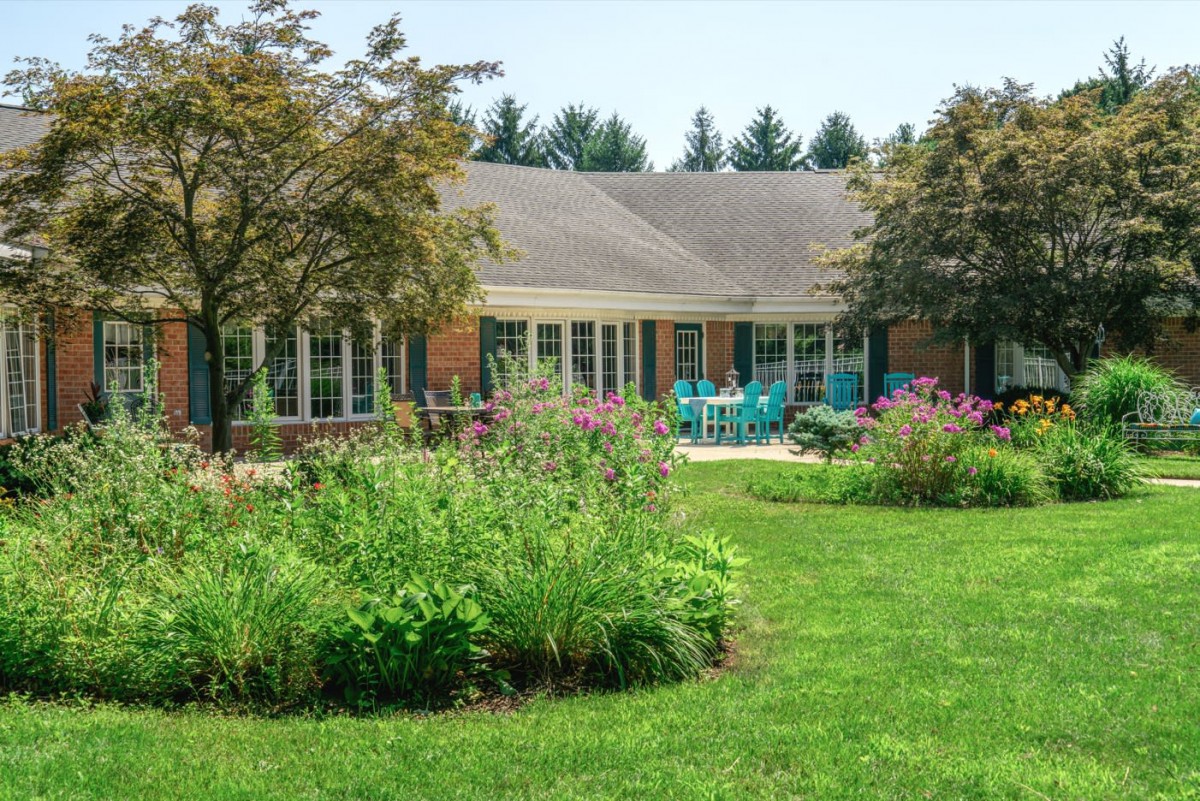
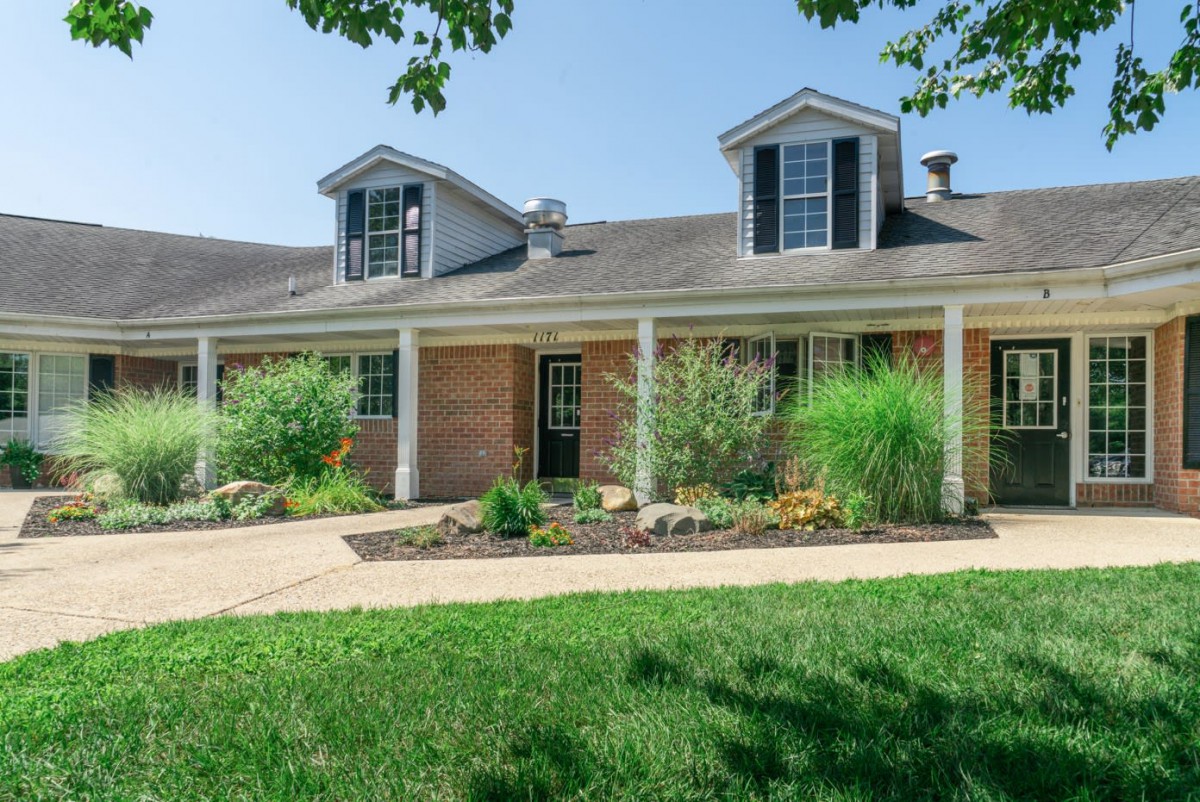
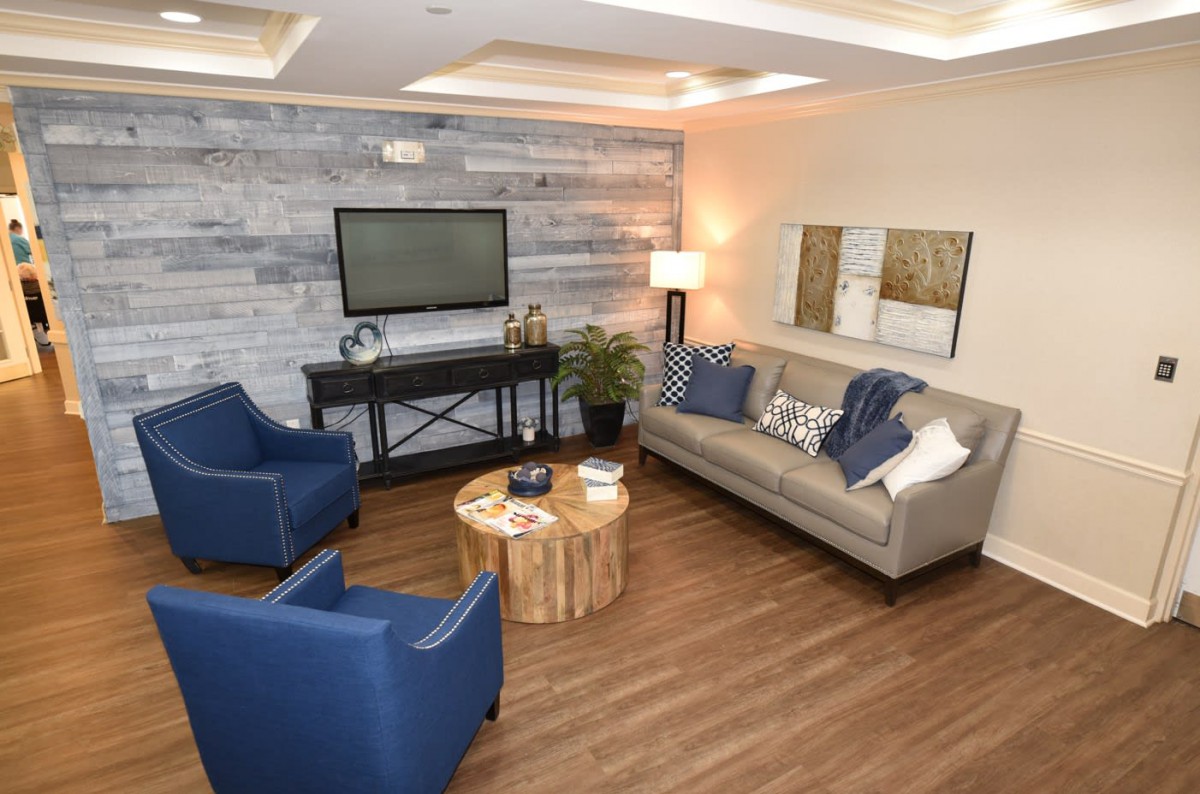
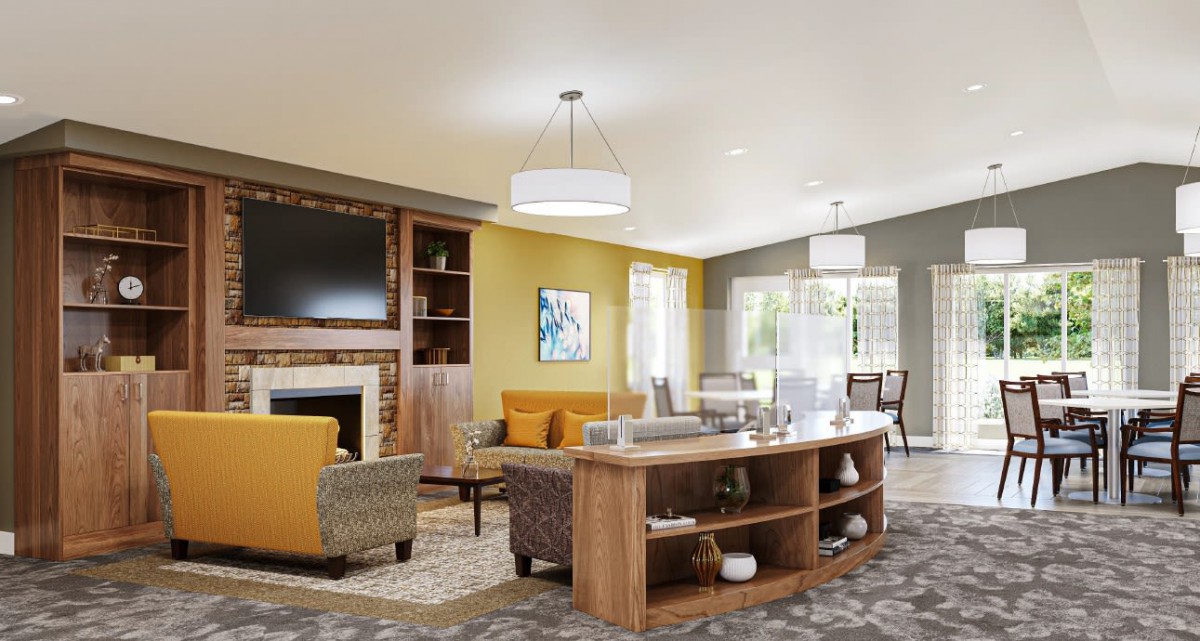
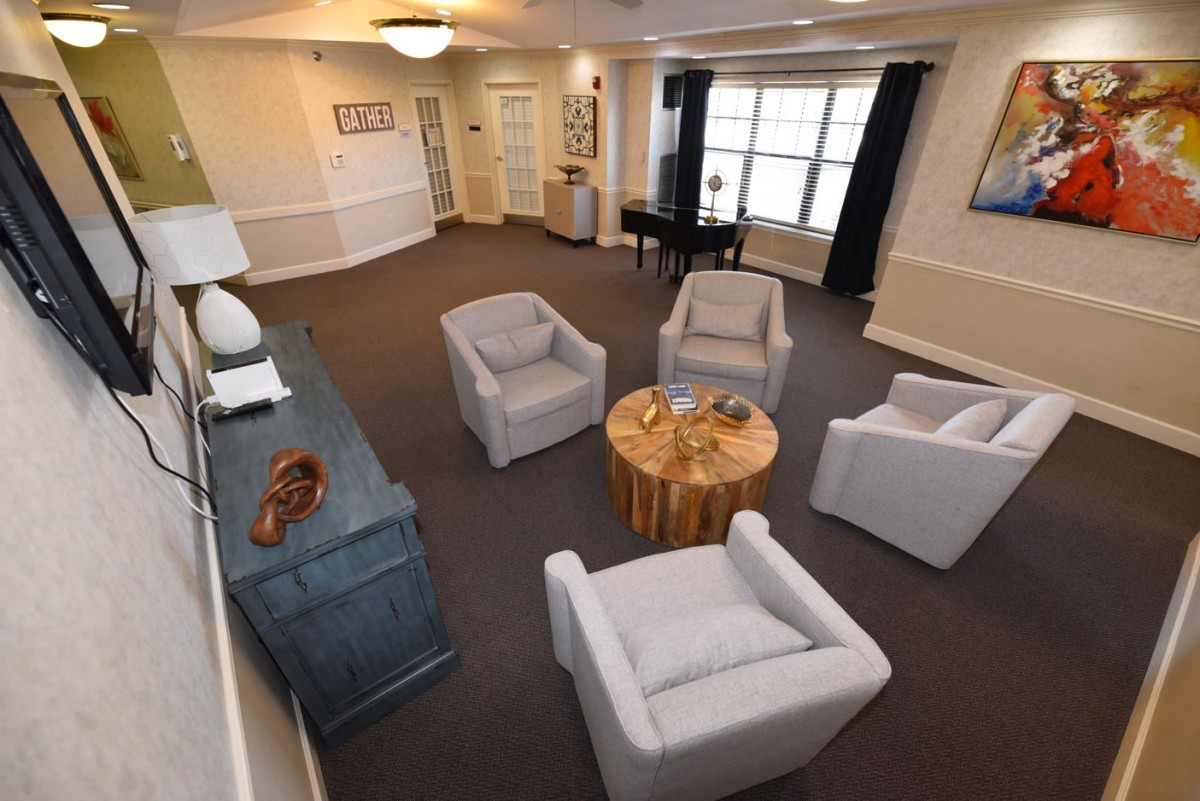
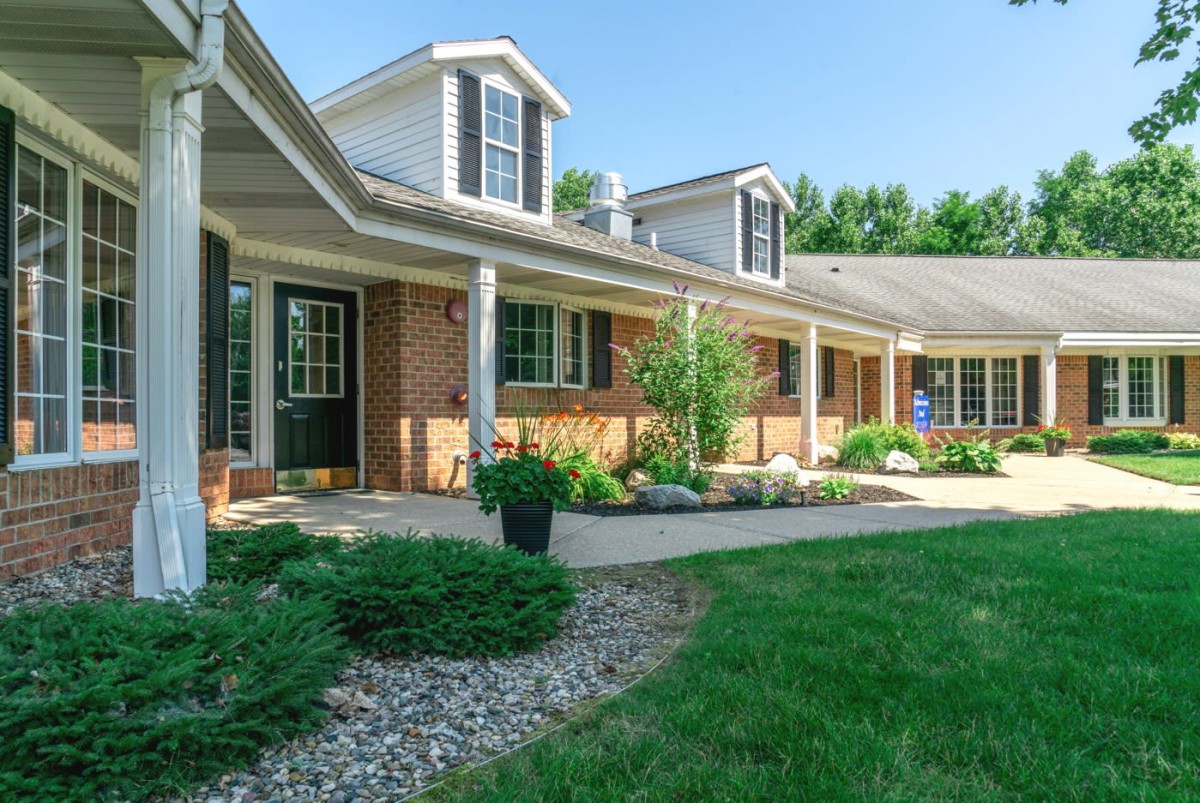
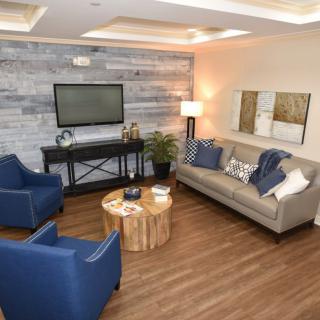
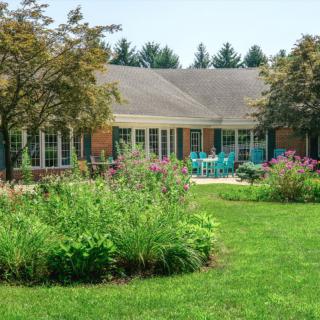
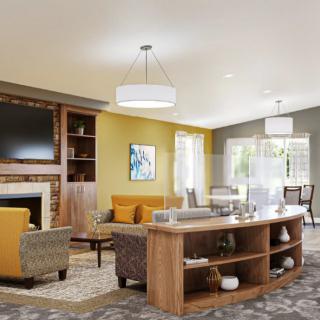
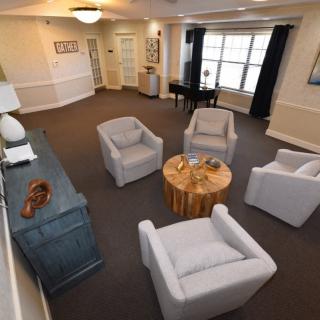
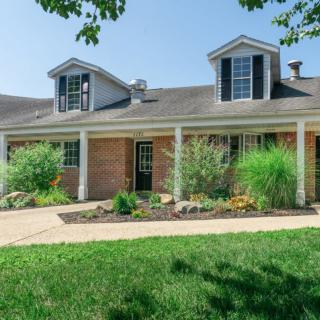
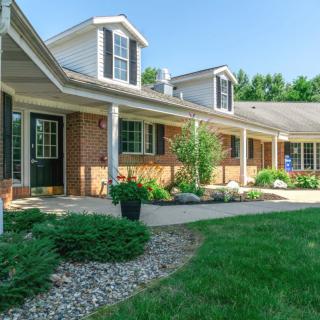
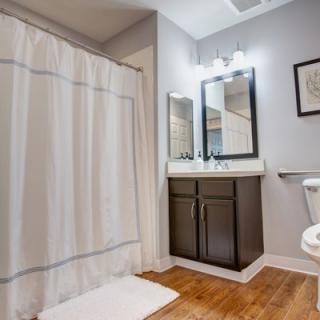
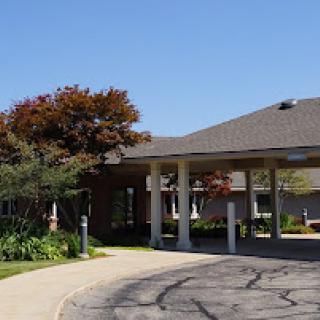
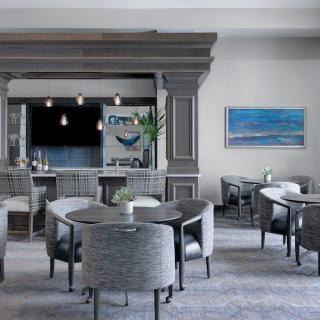
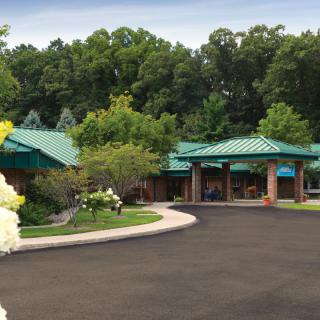
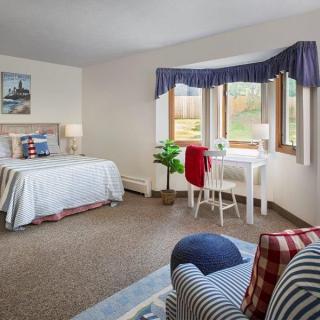
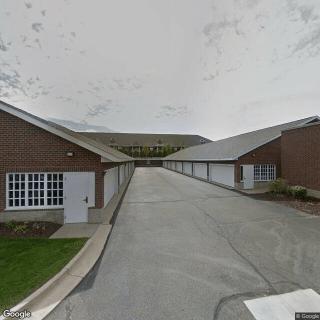
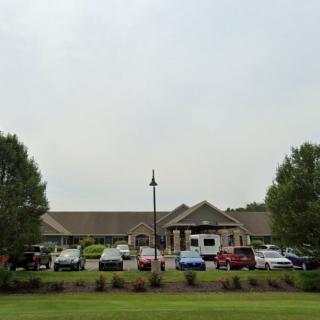
Commonwealth Senior Living at Grand Rapids on seniors.fyi includes 6 photos including images showing landscaping, living room, interior, decor, windows, porch, television, wall art, and more.
Nearby Communities
Addington Place
Grand Rapids, MI
4.3 from 115 reviews
$3,900 / month
Specialized memory care with 24/7 supervision, engaging activities, and transportation in a furnished, secure setting.
Silver Maple Cottage
Caledonia, MI
3.4 from 120 reviews
Cozy cottage setting with full furnishings and essential care services.
68th Street
Caledonia, MI
Fully furnished apartments with comprehensive care and dining services.
Whispering Oaks Assisted Living
Caledonia, MI
4 from 5 reviews
Cozy small-capacity board-and-care with personalized attention and nutritious meals.
American House Kentwood
Kentwood, MI
4.1 from 62 reviews
$4,250 to $5,050 / month
Homey feel with friendly, attentive staff and clean facilities.
Ahsl Kentwood Cobblestone
Kentwood, MI
1 from 1 review
Comprehensive care with furnished apartments, meals, 24/7 supervision, medication management, and medical transport.
Breton Woods of Holland Home
Grand Rapids, MI
4.6 from 7 reviews
$908 / month
Continuum of care with attractive amenities and welcoming staff.
Railside Living Center
Byron Center, MI
4.4 from 88 reviews
$3,400 / month
Family-owned with dedicated staff and well-maintained facilities delivering quality care.
Medilodge Of Wyoming
Wyoming, MI
4.2 from 118 reviews
Caring staff with engaging activities in a clean, well-maintained setting.
Medicaid coverage for assisted living varies by state and is primarily available to low-income individuals, with eligibility dependent on strict income and asset limits. Some states offer HCBS waivers for specific services in assisted living, but families must generally cover room and board costs, and should verify facility acceptance of Medicaid while considering potential waiting lists.
Medicaid waivers for assisted living services provide vital support for seniors and individuals with disabilities in need of long-term care, with varying state-specific eligibility criteria and benefits. These waivers cover personal care and case management but often do not fully cover room and board, leading to waiting lists for many applicants.
The article compares assisted living and skilled nursing facilities, detailing their differing levels of assistance, medical support, cost structures, and day-to-day experiences. It emphasizes that assisted living is for those needing help with daily activities while maintaining independence, whereas skilled nursing facilities provide intensive medical care with 24-hour staff supervision.
Get PricingAsk A QuestionSchedule A TourContact Senior Advisor
By clicking submit, you agree to our Partner's Terms of Use. You
also consent to receive calls and texts, which may be autodialed, from our Partner. Your consent is not a condition to
using our Partner's service. Please visit our Partner's Privacy Policy for information about their privacy practices.




 1-bedroom apartments
 Assisted Living
 Memory Care
 Cats allowed
 Dogs allowed
 Activities off-site
 Air-conditioning
 Bath tubs
 Beautician on-site
 Cable or satellite TV
 Cafe
Cafe Devotional services off-site
 Dining room
 Garden
 Ground floor units
 Guest parking
 Handicap accessible
 Housekeeping services
 Indoor common areas
 Kitchenette
 Laundry
 Outdoor common areas
 Respite or short term stays offered
 Security gate
 Wheelchair accessible showers
 Wi-Fi/high-speed internet available
 Kent County International (6 miles away)
 Diabetic care
 Incontinence care
 Medication management
 Guest meals
 Special dietary restrictions
 Art classes
 Bible study group
 Cooking classes
 Day trips and outings
 Educational speakers / life long learning
 Games
Games Live musical performances
 Stories
 Stretching classes
 Wii bowling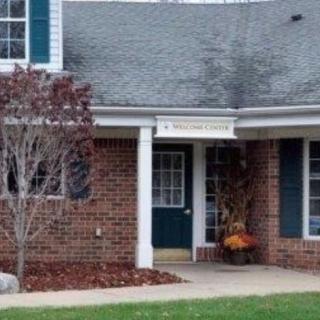
 Specialized memory care with 24/7 supervision, engaging activities, and transportation in a furnished, secure setting.

 How and When Medicaid May Cover Assisted Living Costs
 A Detailed Exploration of Assisted Living Medicaid Waivers Across the United States
 Exploring the Contrasts Between Assisted Living and Skilled Nursing