Overall Review of Angel Care Adult Foster Home III
common46 reviews mention this
Caregivers are consistently compassionate
Caregivers are repeatedly described as compassionate, caring, and supportive.
Across the reviews, families and caregivers describe aides who treat their loved ones with care and patience, often acting like companions as well as helpers. Residents also mention hands-on support with everyday needs like bathing, transfers, meals, and help around the house, aligning with the community’s assisted-living care and 24-hour supervision model. One review does flag a serious problem with care execution, which is not echoed elsewhere, but it is the only clearly negative outlier in an otherwise consistently positive theme.
common24 reviews mention this
Communication is organized and reliable
Families describe communication as detailed, organized, and responsive.
Many reviewers emphasize that the office and caregivers keep families informed, with regular updates, timely responses, and clear schedules or planning. Several also call out organization around changing needs—help starting with lighter support and then increasing as needs grow—along with coordination to get help in place quickly. The same one-off negative review criticizes responsiveness after a complaint, but otherwise the communication theme is strongly repeated.
How we summarize
Counts show how many written reviews mention each theme; a review can touch several themes, and only frequently mentioned themes are displayed.
Features
Housing
6 resident community capacity
Types of Care
Assisted Living
Amenities
Cable or satellite TV
Dining room
Fully furnished
Garden
Housekeeping services
Move-in coordination
Outdoor space
Telephone
Wi-Fi/high-speed internet available
Transportation
Kent County International (9 miles away)
Care Services
24-hour supervision
Activities of daily living assistance
Assistance with bathing
Assistance with dressing
Assistance with transfers
Coordination with health care providers
Diabetes diet
Meal preparation and service
Medication management
Special dietary restrictions
Transportation arrangement (medical)
Transportation to doctors appointments
Dining
Diabetes diet
Special dietary restrictions
Activities
Community-sponsored activities
Scheduled daily activities
Nearby Places of Interest
This area of Grand Rapids, Michigan is a diverse and convenient neighborhood that offers access to a variety of healthcare services, including Metro Heart & Vascular and Dorsey Ligon MD. There are also several reputable restaurants nearby, such as Palio and City Built Brewing, as well as pharmacies like Walgreens and CVS for any medication needs. For recreational activities, residents can enjoy parks like Belknap Park and Riverside Park, as well as cultural attractions such as Frederik Meijer Gardens & Sculpture Park. Additionally, there are theaters like Studio Park and Celebration Cinema in close proximity for entertainment options. For those who value their faith, there are places of worship like Temple Emanuel and Madison Square Christian Reformed Church within reach. Overall, this area provides a blend of healthcare, dining, recreation, cultural experiences, and spiritual support making it an attractive option for seniors considering senior living in Grand Rapids.
Physicians
Metro Heart & Vascular (0.2 miles)
Dorsey Ligon MD (0.2 miles)
Orthopaedic Associates Of Mi (0.4 miles)
Area Wide Ob/Gyn Health Services (0.5 miles)
Family & Pediatric Eye Care (0.9 miles)
Hand & Plastic Surgery Center: Luce Paul A MD (1 miles)
Maupin, Bernard Orthopaedic Associates of Michigan (2.8 miles)
Angel Care Adult Foster Home III is located at 545 College Avn NE, Grand Rapids, MI 49503 in Kent County, Michigan
Nearby Communities
Angel Care Adult Foster Home II
Grand Rapids, MI
5 from 5 reviews
Small, intimate community with comprehensive care and on-site amenities.
Vista Springs Northview
Grand Rapids, MI
4.2 from 59 reviews
$3,000 to $3,250 / month
Friendly, caring staff in a clean, welcoming community with engaging activities.
Victory Palace II
Grand Rapids, MI
1 from 1 review
Comprehensive care with diabetes-friendly meals and medical transport.
Thresholds Benson Home
Grand Rapids, MI
Fully furnished rooms with 24/7 care, wellness programs, and transportation support.
Lyon Street Adult Foster Care
Grand Rapids, MI
Comprehensive assisted living with 24-hour supervision, diabetes diet and medication management, transportation to medical appointments, housekeeping, and move-in coordination.
Victory Palace V
Grand Rapids, MI
1 from 1 review
Intimate community with comprehensive care and ample amenities.
Westminster Meadows
Grand Rapids, MI
4.8 from 14 reviews
$679 to $799 / month
Well-maintained, friendly community with engaging activities and supportive staff.
Medilodge of Grand Rapids
Grand Rapids, MI
3.4 from 101 reviews
$1,600 to $3,090 / month
Friendly staff, supportive community, and multiple care levels in a well-appointed setting.
Clark Retirement Community at Franklin
Grand Rapids, MI
3.8 from 62 reviews
$1,700 to $2,790 / month
Clean, well-maintained facility with friendly staff, engaging activities, and excellent dining; solid memory care option.
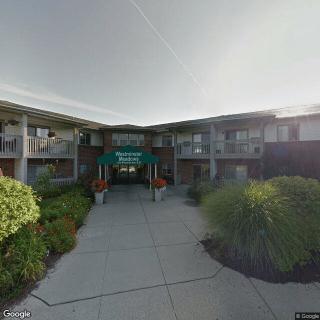
The article compares assisted living and skilled nursing facilities, detailing their differing levels of assistance, medical support, cost structures, and day-to-day experiences. It emphasizes that assisted living is for those needing help with daily activities while maintaining independence, whereas skilled nursing facilities provide intensive medical care with 24-hour staff supervision.
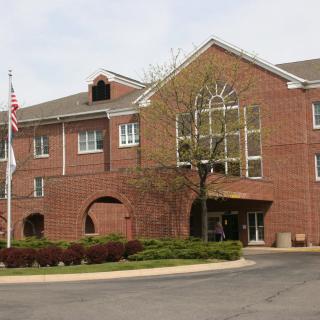
The transition from assisted living to skilled nursing care is often prompted by complex medical needs that assisted living cannot meet, with key indicators including frequent health declines, increased falls, severe memory issues, and caregiver burnout. Families should recognize these signs early to discuss options with healthcare providers and prepare for the emotional and logistical aspects of moving to a facility that offers comprehensive medical support.
Vibrant Senior Living emphasizes active senior living communities that promote independence and engagement through diverse amenities and activities, fostering wellness and social interaction among older adults. These communities range from independent to assisted living, with a focus on personal growth, family involvement, financial planning, and leveraging technology to enhance residents' experiences.
Get PricingAsk A QuestionSchedule A TourContact Senior Advisor
By clicking submit, you agree to our Partner's Terms of Use. You
also consent to receive calls and texts, which may be autodialed, from our Partner. Your consent is not a condition to
using our Partner's service. Please visit our Partner's Privacy Policy for information about their privacy practices.

 6 resident community capacity
 Assisted Living
 Cable or satellite TV
 Dining room
 Fully furnished
 Garden
 Housekeeping services
 Move-in coordination
 Outdoor space
 Telephone
 Wi-Fi/high-speed internet available
 Kent County International (9 miles away)
 24-hour supervision
 Activities of daily living assistance
 Assistance with bathing
 Assistance with dressing
 Assistance with transfers
 Diabetes diet
 Meal preparation and service
 Medication management
 Special dietary restrictions
 Transportation arrangement (medical)
 Transportation to doctors appointments
 Small, intimate community with comprehensive care and on-site amenities.


 Exploring the Contrasts Between Assisted Living and Skilled Nursing
 8 Key Indicators That Suggest It May Be Time to Transition from Assisted Living to Skilled Nursing Care
 Vibrant Senior Living: A Comprehensive Guide for Active Older Adults