
15269 161St Avenue, Grand Haven, MI 49417
For more information about senior living options: (866) 208-4318
Overall Review of Oak Lane Adult Foster Care Home
Pros
 The facility has a smaller, more peaceful, home-like feeling, with staff who form amazing bonds with residents.
- The care is awesome and the staff are great, creating a highly satisfying experience for families.
- The facility provides great, caring care and is a safe place for loved ones, with staff who go above and beyond daily.
- The environment reflects a commitment to safety and caring, making it a trusted place for residents and their families.
Cons
 The facility is terrible.
- The care is awful.
- The reviewer stood outside, rang the doorbell, and received no response, and the facility manager did not respond.
Review
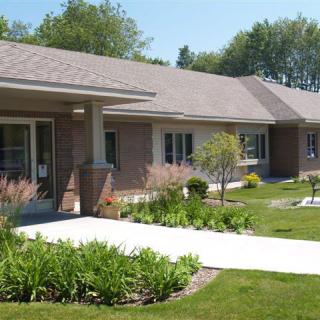
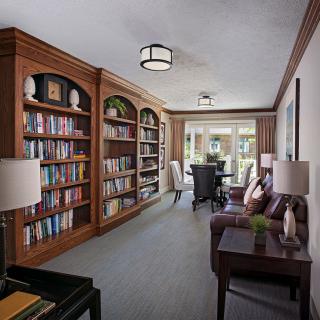
Oak Lane Adult Foster Care Home in Grand Haven, MI is best suited for seniors who want a genuinely home-like living experience where caregiving feels personal and unhurried. The setting emphasizes an intimate, small-scale environment, predictable routines, and caregivers who cultivate daily, meaningful relationships with residents. It works well for families seeking a calm, safe atmosphere and the option to visit frequently without the bustle of a larger campus. It is particularly fitting for residents who do not require intensive medical management or dementia-specific programming, and who value daily warmth and accessibility over institutional scale. For seniors who need robust clinical oversight, 24/7 nursing, or highly structured memory-care programming, alternatives should be seriously explored.
The strongest advantages lie in care quality and the human connection. Reviewers consistently highlight attentive, compassionate staff and the sense that caregivers truly invest in residents’ well-being. The tight-knit setting fosters strong bonds, which translates into a calmer day-to-day for both residents and families. The environment feels peaceful and home-like, a crucial factor for residents who thrive on routine and low stimulation. Accessibility during business hours is described as straightforward, allowing families to visit without the complexities that can come with larger facilities. Taken together, these factors create a dependable, personally attended experience that many families value deeply.
Nevertheless, there are real caveats. A single markedly negative review raising concerns about overall care quality and responsiveness cannot be brushed aside, reminding families that reliability can vary. While that perspective is not the majority, it signals risk that should be weighed: when staffing is stretched or when leadership is hard to reach, residents may experience delays in assistance or unresolved issues. Other comments suggest after-hours staffing is present and caring, but the implication remains that access to immediate help can be inconsistent at pivotal moments. This combination means that the facility’s strongest appeal, its intimate, attentive culture, may be offset by potential lapses in timely response.
Those considering Oak Lane should explicitly assess fit based on care needs. Families dealing with higher medical complexity, ongoing mobility challenges, or memory-care requirements may find this setting insufficient without additional external support. Prospective residents who require rapid, 24/7 administrator access or highly structured clinical programming will likely want to compare with larger assisted living communities or dedicated memory-care facilities. A prudent approach involves a trial period or conversations with multiple current residents’ families to gauge consistency of care across different times of day and week, not just during peak hours.
When the positives align with the resident’s needs, Oak Lane offers a meaningful, often transformative living experience. The appealing, small-scale environment, combined with genuine staff engagement, can deliver a sense of safety and personal attention that larger facilities struggle to reproduce. If the leadership demonstrates steady staffing, transparent communication, and reliable responsiveness, those strengths become durable assets that can offset occasional access frictions. The question becomes whether the resident will benefit more from a quiet, intimate setting or from more expansive programming and round-the-clock clinical oversight.
Actionable due diligence will shape the decision. Schedule visits at different times, daytime, evening, and weekends, to observe how quickly staff respond to calls and how the campus handles after-hours needs. Ask for specifics on staffing ratios, care protocols, and visitor access controls, and request recent safety audits or licensing details. Speak with several families about their experiences with responsiveness and communication, and verify what happens when emergencies arise. If memory care, dementia care programming, or intensive medical support are priorities, compare Oak Lane with alternatives designed to deliver those services. For the right resident, Oak Lane delivers warmth, trust, and daily attentiveness in a compact, homey setting; for others, the trade-offs in accessibility and medical support may steer the choice toward a larger, more structured community.
 6 resident community capacity
 Assisted Living
 Cable or satellite TV
 Dining room
 Fully furnished
 Garden
 Housekeeping services
 Move-in coordination
 Outdoor space
 Telephone
 Wi-Fi/high-speed internet available
 Muskegon County (9 miles away)
 24-hour supervision
 Activities of daily living assistance
 Assistance with bathing
 Assistance with dressing
 Assistance with transfers
 Diabetes diet
 Meal preparation and service
 Medication management
 Special dietary restrictions
 Transportation arrangement (medical)
 Transportation to doctors appointments




 Comprehensive Insights into Activities of Daily Living (ADLs) and Their Assessment
 Medicare Coverage for Assisted Living: An In-Depth Exploration
 Choosing the Right Senior Care: A Detailed Exploration of Assisted Living and Nursing Homes