The Brook of Gladwin offers competitive pricing for its accommodations compared to both Roscommon County and the broader state of Michigan. For a studio apartment, residents can expect to pay $1,530 per month, which is significantly lower than the county average of $1,848 and even more advantageous compared to the state average of $3,824. Similarly, for a one-bedroom unit, The Brook's monthly rate of $2,020 stands out against the Roscommon County price of $2,508 and Michigan's average of $3,384. These cost-effective options make The Brook of Gladwin an appealing choice for those seeking quality living arrangements without the financial burden typically associated with such facilities in the region.
Floor plans
The Brook of Gladwin
Roscommon County
Michigan
Studio
$1,530
$1,848
$3,824
1 Bedroom
$2,020
$2,508
$3,384
Assisted Living communities with a similar price nearby
Residents and families consistently describe staff who are caring, respectful, and responsive to changing needs.
Across reviews, people emphasize compassionate, professional care and the feeling that help is available when something comes up. Several residents’ families mention that staff keep them informed, adjust support as needs shift, and follow through consistently over time. There are also repeated mentions of particular leaders and caregivers being approachable with concerns, which reviewers tie to trust in the day-to-day experience.
common16 reviews mention this
Safety, cleanliness, and home-like feel
Reviews repeatedly point to a clean, safe environment that feels like home for residents.
Many reviewers describe a comfortable setting with cleanliness and a layout that supports day-to-day living. Families also talk about feeling confident their loved one is in a safe, caring place, including during transitions into assisted living. Apartment private space and the ability to bring furniture from home are mentioned as part of the home-like feel.
common12 reviews mention this
Activities and social time
Residents get frequent opportunities for engagement, with scheduled activities and community-sponsored options.
Reviews frequently mention an active routine, including movies, games, musical or church-related events, and group celebrations. Families also describe residents having choices about how social they want to be, along with opportunities to relax in their own space. The community’s planned activities and day-to-day scheduling are presented as a key part of what helps residents settle in.
common9 reviews mention this
Meals and dining experience
Dining is a recurring bright spot, with residents and families describing meals they enjoy.
Several reviews specifically call out nutritious, delicious meals and talk about dining as part of daily life. People also mention eating with friends and the overall dining experience as something residents look forward to. The community provides meals in a dining setting and supports special dietary needs residents need.
How we summarize
Counts show how many written reviews mention each theme; a review can touch several themes, and only frequently mentioned themes are displayed.
Features
Housing
84 resident community capacity
Types of Care
Assisted Living
Independent Living
Pets
Cats allowed
Dogs allowed
Amenities
Activities off-site
Activities on-site
Air-conditioning
Beautician on-site
Beauty salon
Cable or satellite TV
Computer center
Devotional services on-site
Dining room
Fitness room
Fully furnished
Gaming room
Garden
Housekeeping services
Indoor common areas
Kitchenette
Move-in coordination
Outdoor common areas
Outdoor space
Private bathrooms
Respite or short term stays offered
Restaurant-style dining
Small library
Telephone
Wellness center
Wheelchair accessible showers
Wi-Fi/high-speed internet available
Transportation
Community operated transportation
Transportation arrangement
Transportation arrangement (non-medical)
Transportation to doctors appointments
Care Services
12-16 hour nursing
24-hour call system
24-hour supervision
Activities of daily living assistance
Ambulatory care
Assistance with bathing
Assistance with dressing
Assistance with transfers
Diabetes diet
Diabetic care
Incontinence care
Meal preparation and service
Medication management
Mental wellness program
Special dietary restrictions
Dining
Diabetes diet
Meals provided
Special dietary restrictions
Activities
Activities off-site
Activities on-site
Community-sponsored activities
Concierge services
Devotional activities on-site
Fitness programs
Planned day trips
Resident-run activities
Scheduled daily activities
Nearby Places of Interest
This part of Gladwin, Michigan offers a variety of amenities and services that would be beneficial for senior living. Within a short distance, there are several places of worship for spiritual fulfillment, as well as hospitals and medical centers for easy access to healthcare. The area also features parks for outdoor recreation and relaxation, along with cafes and restaurants offering dining options. Additionally, there are pharmacies nearby for convenient access to medication and physicians' offices for medical consultations. Overall, this part of Gladwin provides a well-rounded community with essential services tailored to the needs of seniors.
Places of Worship
Methodist First United (0.2 miles)
Assembly Of God Church (0.4 miles)
Christ the King Lutheran Church (0.5 miles)
Sacredheart Church Convent (0.8 miles)
St Paul's Episcopal Church (0.8 miles)
Sacred Heart Parish (0.8 miles)
Church Of Christ-Gladwin (1 miles)
Restaurants
Burger King (0.4 miles)
Pipers Pub (0.7 miles)
Chee Pang (0.7 miles)
Gladwin Hotel Bar And Grill (0.7 miles)
Wing Street Add to Favorites (1.1 miles)
Pizza Hut (1.1 miles)
Macks Menu Family Restaurant (1.2 miles)
Parks
North Park (0.4 miles)
Gladwin City Park (0.5 miles)
Gladwin State Park (0.5 miles)
Gladwin County Recreation Area (3.1 miles)
Rocks and Valleys Off-Road Park (14.6 miles)
orv park Gladwin (14.6 miles)
Hospitals
Mid Michigan Medical Center (0.5 miles)
Gladwin Hospital (0.5 miles)
Midmichigan Medical Center-Gladwin (0.5 miles)
DaVita Gladwin Dialysis (0.5 miles)
Community Mental Health For Central Michigan (1.1 miles)
The Brook of Gladwin offers competitive pricing for its accommodations compared to both Roscommon County and the broader state of Michigan. For a studio apartment, residents can expect to pay $1,530 per month, which is significantly lower than the county average of $1,848 and even more advantageous compared to the state average of $3,824. Similarly, for a one-bedroom unit, The Brook's monthly rate of $2,020 stands out against the Roscommon County price of $2,508 and Michigan's average of $3,384. These cost-effective options make The Brook of Gladwin an appealing choice for those seeking quality living arrangements without the financial burden typically associated with such facilities in the region.
Assisted living costs often exceed Social Security benefits, necessitating a combination of funding sources like state aid and Medicaid. Understanding the interaction between Social Security programs and available financial support is essential for affording such care.
The VA Aid and Attendance benefit provides financial support to veterans needing assistance with daily living due to medical conditions or disabilities, augmenting standard VA pensions for services like in-home care. Eligibility is based on service duration, wartime status, income, and medical needs, with a detailed application process required to access funds for caregiving and home modifications.
Senior move management services assist older adults in the relocation process by providing emotional support and organizational help, addressing unique challenges like downsizing and moving from long-term homes. These specialists collaborate with real estate agents and manage logistics, making the transition smoother for seniors and their families.
Get PricingAsk A QuestionSchedule A TourContact Senior Advisor
By clicking submit, you agree to our Partner's Terms of Use. You
also consent to receive calls and texts, which may be autodialed, from our Partner. Your consent is not a condition to
using our Partner's service. Please visit our Partner's Privacy Policy for information about their privacy practices.


 84 resident community capacity
 Assisted Living
 Independent Living
 Cats allowed
 Dogs allowed
 Activities off-site
 Air-conditioning
 Beautician on-site
 Cable or satellite TV
 Computer center
 Devotional services on-site
 Dining room
 Fitness room
 Fully furnished
 Gaming room
 Garden
 Housekeeping services
 Indoor common areas
 Kitchenette
 Move-in coordination
 Outdoor common areas
 Private bathrooms
 Respite or short term stays offered
 Restaurant-style dining
 Small library
 Telephone
 Wellness center
 Wheelchair accessible showers
 Wi-Fi/high-speed internet available
 Community operated transportation
 12-16 hour nursing
 24-hour call system
 Ambulatory care
 Assistance with bathing
 Assistance with dressing
 Assistance with transfers
 Diabetes diet
 Diabetic care
 Incontinence care
 Medication management
 Mental wellness program
 Special dietary restrictions
 Concierge services
 Planned day trips
 Intimate board-and-care with 24-hour supervision, ADL assistance, and on-site activities.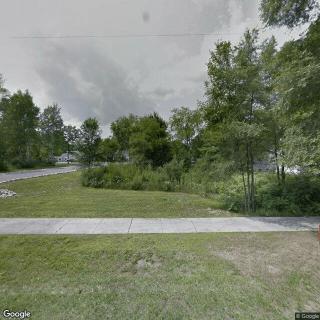

 Social Security Benefits and Assisted Living: Navigating Options Across the U.S.
 An Extensive Exploration of the VA Aid and Attendance Benefit
 Senior Transition Services: Understanding Their Role, Cost, and Importance