
507 North Court Street, Gaylord, MI 49735
For more information about senior living options: (866) 208-4318
Overall Review of Gottschalk Family Adult Foster Care Home
Pros
 The care at The Porches was excellent, with staff who were attentive, kind, and compassionate.
 - The staff became a second family for the resident by getting to know her well.
- The activities were fun and engaging, and the resident especially enjoyed the music programs from her youth.
- The activities and mealtimes offered opportunities to socialize with other residents, and meals were healthy and locally sourced.
- The Porches was a wonderful place for the resident to live, offering dignity and comfort and treating the family with kindness and respect.
- A resident loves The Porches, and the owners and staff are very caring people; from day one she felt at home and looked forward to going back.
Review
This community is best suited for seniors who want a deeply intimate, home-like setting where caregivers know residents well and care feels personal. The reviews describe a small, family-style environment in which staff meals and daily routines are crafted to foster comfort, dignity, and genuine connection. Residents who thrive on continuity of care, predictable routines, and access to caregivers who become like part of the family will find this setting particularly reassuring. For families, the appeal is clear: a place where communication feels open, where staff observe and respond to nuanced needs quickly, and where the resident’s daily life is shaped by warmth and familiarity rather than impersonal schedules.
Those who may want to consider alternatives are residents requiring higher levels of medical oversight or more specialized programs. If dementia-specific care, intensive on-site clinical support, or a broad spectrum of rehabilitative services are essential, a larger facility with dedicated medical teams may deliver the required continuity. Similarly, families seeking a wider array of amenities, more expansive activity calendars, or an environment designed for greater independence might prefer a community with bigger spaces and more structured programming. This setting shines most when basic needs are met by a compassionate, hands-on staff and not by a large institutional footprint.
The strongest pros center on human connection and daily life that feels lived-in and meaningful. Attentive, compassionate staff are identified as the core strength, forming bonds that resemble a second family for residents. The care team’s familiarity with individual histories, preferences, and rhythms translates into interactions that feel respectful and secure. Activities are not just busywork but opportunities to engage, with music programs and social meals that naturally cultivate friendships among residents. Meals, healthy and locally sourced, support overall well-being and reinforce the sense of a trusted, home-like routine rather than a checklist-driven experience. In short, the emotional safety and dignity residents experience are standout advantages.
Nevertheless, one should anticipate the practical realities of smaller, intimate settings. Limited on-site medical resources and a leaner professional staff can mean slower access to specialized care or emergency services, especially for acute needs. The range of activities, while meaningful, may not match the breadth offered by larger campuses, potentially requiring residents to adapt if interests shift or mobility changes demand new supports. Private versus shared spaces may also come into play, with the trade-off being a warmer, more communal atmosphere. These factors are not flaws so much as inherent characteristics of a foster-care style home, and they require clear alignment with the resident’s care goals.
The pros, however, can substantially offset these caveats when the resident prioritizes belonging, trust, and steady, personalized attention. The tight-knit staff-resident relationships foster a sense of security that reduces anxiety and confusion, particularly during transitions or daily routine changes. The ability to tailor activities and meals to individual histories and preferences means engagement remains high and meaningful. Family involvement, often welcomed and encouraged in such settings, further strengthens continuity between home and care, ensuring care plans remain coherent with longstanding values and routines. For many, this translates into a higher quality of life than a larger, more impersonal environment could provide.
When evaluating this type of community, focus on a practical checklist tailored to intimate, home-style care. Ask about staff-to-resident ratios and how staffing levels adapt to rising care needs; inquire about the availability of on-site medical oversight and how emergencies are managed; review the activity philosophy to ensure it can accommodate evolving interests; verify meal planning processes, sourcing, and dietary accommodations; and assess how family communication is structured and how care plans are updated. The right fit is a place where the resident’s voice shapes daily life, where staff remember personal stories, and where a true sense of home persists even as needs evolve. For families seeking warmth, dignity, and authentic connection, this style of care offers a compelling, trusted option, so long as the resident’s care requirements align with the intimate, person-centered strengths on display.
 6 resident community capacity
 Assisted Living
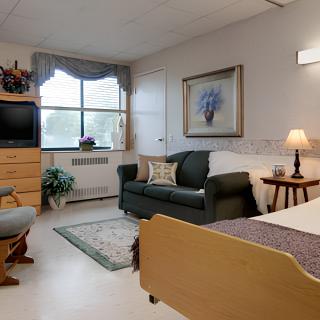
 Cable or satellite TV
 Dining room
 Fully furnished
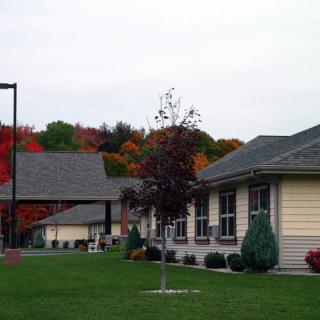
 Garden
 Housekeeping services
 Move-in coordination
 Outdoor space
 Telephone
 Wi-Fi/high-speed internet available
 24-hour supervision
 Activities of daily living assistance
 Assistance with bathing
 Assistance with dressing
 Assistance with transfers
 Diabetes diet
 Meal preparation and service
 Medication management
 Special dietary restrictions
 Transportation arrangement (medical)
 Transportation to doctors appointments





 Comprehensive Supportive Living Arrangements for Adults with Disabilities
 Funding and Affording Assisted Living: A Thorough Overview
 Assisted Living Expenses and Long-Term Care Insurance: A Comprehensive Exploration