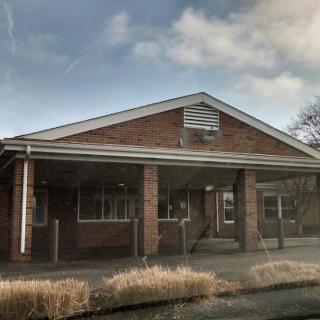
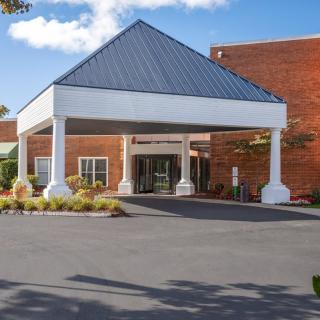
Beverly Hills Residential Center in Beverly Hills, MI
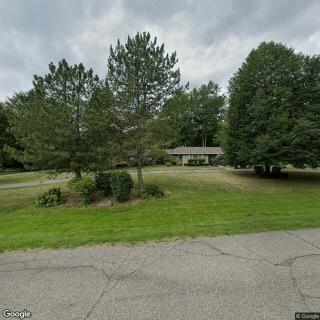
Beverly Hills Residential Center is an assisted living community in Beverly Hills, MI.
Information last verified:
20805 14 Mile Road, Beverly Hills, MI 48025
For more information about senior living options: (866) 208-4318
3 from 43 reviews
5 stars
16
4 stars
5
3 stars
2
2 stars
2
1 stars
18
Overall Review of Beverly Hills Residential Center
caveat8 reviews mention this
Care oversight and medication lapses
Residents and families describe serious gaps in daily care, including medication delays and hygiene issues.
Some reviews describe medication not being given on time, with one family reporting their loved one had not received medication even after waiting for hours. Others mention hygiene care problems, such as not changing needed items regularly or concerns about how often staff assisted with essential tasks. A few reviewers also describe safety-related incidents and difficulty getting help when it was needed. Even among positive experiences, the most detailed negatives focus on medication, toileting, and basic care follow-through.
common27 reviews mention this
Staff support feels inconsistent
Reviews describe both attentive, kind staff and moments when communication and responsiveness fell short.
Several reviews praise nurses and aides as kind, attentive, and professional, with families highlighting responsiveness to requests and care that seemed focused on residents’ needs. Other reviewers strongly criticize staff behavior and professionalism, describing situations where visitors struggled to get answers, residents waited for help, or staff did not show up promptly. A common thread in the negative comments is that families felt they had to escalate concerns to get action. Residents and families who were more satisfied frequently mention staff training, teamwork, and working with families.
common12 reviews mention this
Cleanliness is repeatedly mentioned
Reviews frequently address cleanliness, with many saying the building is clean while others describe dirty conditions.
Positive reviews often describe the facility as clean, including comments that it does not smell and that residents seem presentable. Cleanliness is also mentioned alongside other comforts like the building feeling well kept and staff being helpful. Several negative reviews, however, describe rooms that were not cleaned regularly and residents’ items not being handled appropriately. Across the reviews, cleanliness comes up enough that it appears to shape how people remember the overall day-to-day experience.
common2 reviews mention this
Activities and scheduled events
Residents and families mention community activities and scheduled programming.
A few reviews point to activities as part of daily life, describing things like games, craft times, movies, and occasional entertainment. Another review notes that the community does a lot of activities and that residents’ needs are handled attentively. These comments suggest that programming is visible enough for families to notice, even though it is not the most commonly repeated topic across all reviews.
caveat4 reviews mention this
Meals and feeding concerns
Dining shows up in reviews as both a positive point and a recurring complaint.
One positive review says the food is good, while another notes a desire to change the meals. Several negative reviews describe feeding and meal-related problems, including concerns that residents were not fed properly or had food left on the floor. Another reviewer also describes noticing issues around a resident’s care during the admission period. Taken together, meal experience appears to vary significantly from person to person.
How we summarize
Counts show how many written reviews mention each theme; a review can touch several themes, and only frequently mentioned themes are displayed.
Features
Housing
6 resident community capacity
Types of Care
Assisted Living
Amenities
Cable or satellite TV
Dining room
Fully furnished
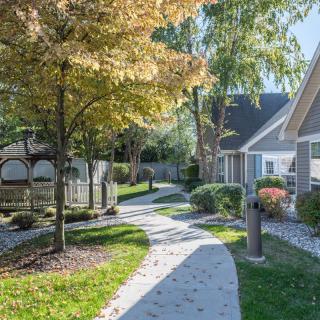
Garden
Housekeeping services
Move-in coordination
Outdoor space
Telephone
Wi-Fi/high-speed internet available
Transportation
Detroit Metropolitan-Wayne County (23 miles away)
Care Services
24-hour supervision
Activities of daily living assistance
Assistance with bathing
Assistance with dressing
Assistance with transfers
Coordination with health care providers
Diabetes diet
Meal preparation and service
Medication management
Special dietary restrictions
Transportation arrangement (medical)
Transportation to doctors appointments
Dining
Diabetes diet
Special dietary restrictions
Activities
Community-sponsored activities
Scheduled daily activities
Nearby Places of Interest
Physicians
Beverly Hills Orthopedists (1.5 miles)
Providence Medical Center (4 miles)
Troy Medical Center (4.7 miles)
Troy Orthopedics Associates (4.8 miles)
Be Well Medical Center (4.8 miles)
Millenium Diagnostic Center (4.9 miles)
Beaumont Medical Center - West Bloomfield (5.6 miles)
Beverly Hills Residential Center is located at 20805 14 Mile Road, Beverly Hills, MI 48025 in Oakland County, Michigan
Nearby Communities
Lorraine's House
Beverly Hills, MI
3.7 from 9 reviews
$3,000 to $3,500 / month
Compassionate staff and a clean environment with flexible scheduling and private room options.
Sigma Home Care - Bingham Farms, MI
Bingham Farms, MI
4.6 from 12 reviews
Ambrosia Villa Beverly Hills
Beverly Hills, MI
4.6 from 9 reviews
Luxurious, comprehensive assisted living with 24-hour supervision and personalized care.
Evergreen Health And Living Center
Southfield, MI
4.9 from 119 reviews
Continuum of care (AL, respite, skilled nursing) with 24/7 supervision and furnished units.
Red Maple Place 1
Bloomfield Hills, MI
5 from 3 reviews
Comprehensive assisted living with 24/7 supervision, ADL support, meals, housekeeping, transportation to medical appointments, and furnished apartments.
Ambrosia Villa
Bloomfield, MI
$3,000 to $3,500 / month
Competitive pricing with convenient access to nearby amenities.
Arden Courts of Bingham Farms
Bingham Farms, MI
4.7 from 151 reviews
$7,236 to $7,995 / month
Caring, long-tenured staff providing personalized memory care and engaging activities in a warm, family-like environment.
St Anne's Mead Retirement Home
Southfield, MI
$3,080 to $7,895 / month
Clean facility with friendly staff and engaging activities.
Park at Franklin
Southfield, MI
3.9 from 171 reviews
$1,045 to $1,545 / month
Friendly staff and engaging activities with roomy, well-equipped apartments.
The article discusses assisted living expenses, the importance of long-term care insurance in covering these costs, and various financing options, highlighting the need for careful policy review and early planning to address potential needs. It also clarifies common misconceptions about Medicare and private health insurance limitations regarding long-term care coverage.
Assisted living facilities offer crucial support for older adults needing help with daily activities but come with varying and significant costs, which can be financed through personal savings, government assistance programs, long-term care insurance, and home equity options. Professional guidance from experts can aid families in navigating these financial complexities to establish a sustainable budgeting approach for assisted living services.
Assisted living costs often exceed Social Security benefits, necessitating a combination of funding sources like state aid and Medicaid. Understanding the interaction between Social Security programs and available financial support is essential for affording such care.
Get PricingAsk A QuestionSchedule A TourContact Senior Advisor
By clicking submit, you agree to our Partner's Terms of Use. You
also consent to receive calls and texts, which may be autodialed, from our Partner. Your consent is not a condition to
using our Partner's service. Please visit our Partner's Privacy Policy for information about their privacy practices.

 6 resident community capacity
 Assisted Living
 Cable or satellite TV
 Dining room
 Fully furnished
 Garden
 Housekeeping services
 Move-in coordination
 Outdoor space
 Telephone
 Wi-Fi/high-speed internet available
 Detroit Metropolitan-Wayne County (23 miles away)
 24-hour supervision
 Activities of daily living assistance
 Assistance with bathing
 Assistance with dressing
 Assistance with transfers
 Diabetes diet
 Meal preparation and service
 Medication management
 Special dietary restrictions
 Transportation arrangement (medical)
 Transportation to doctors appointments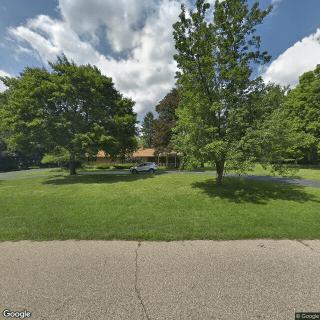
 Compassionate staff and a clean environment with flexible scheduling and private room options.


 Assisted Living Expenses and Long-Term Care Insurance: A Comprehensive Exploration
 Securing Financial Support for Assisted Living: A Comprehensive Overview
 Social Security Benefits and Assisted Living: Navigating Options Across the U.S.