
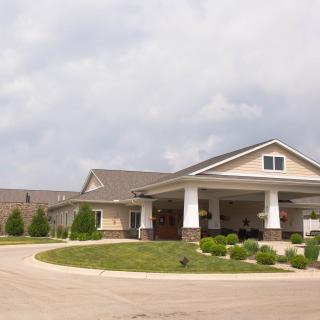
210 Mayer Road, Frankenmuth, MI 48734
For more information about senior living options: (866) 208-4318
Overall Review of Bethesda Lutheran Supported Living Home
Pros
 The rehab and care were very good, and the therapy helped the resident regain the strength to return home.
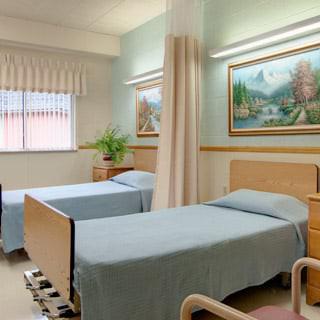
- The facility was clean and fresh, with good quality meals that allowed residents to make choices, a calendar full of engaging activities, and private rooms.
- The administrator was onsite and approachable, and concerns were resolved promptly.
- Many staff members had long tenure and solid experience, which helped them tailor care to residents and get to know their personalities.
- Visitors noted that staff were friendly, helpful, and respectful, creating a welcoming environment with a caring atmosphere.
- The PT and OT teams were among the best, providing high-quality therapy.
- The facility carries a 5-star Medicare rating, indicating high quality.
Cons
 The director and social workers are described as incompetent and punitive toward residents they dislike.
- The reviewer says they were prevented from leaving, effectively trapped by the facility.
- The guardian is alleged to have been appointed through perjured testimony and manipulation of the judge.
- The guardian allegedly restricted the resident's checking account, causing loss of housing and funds.
- The facility is described as hell for residents who are disliked, with distrust toward staff.
- Hospice care is criticized for terrible communication and decline after a caregiver left.
- The staff is understaffed and unprofessional, including an incident where a staff member ate a resident's special snack.
- An aide is accused of dropping a mom by not using a gate belt, causing a hip fracture.
Review
Bethesda Lutheran Supported Living Home in Frankenmuth is best suited for families seeking post-acute rehabilitation with demonstrable PT/OT strength, solid nursing support, and a facility that checks the basics of cleanliness and resident engagement. This community tends to deliver strong therapy outcomes and accessible, compassionate front-line care, along with the comfort of private rooms and a predictable calendar of activities. It is well matched for residents who prioritize rehab momentum and daily personal attention from staff. However, it is less ideal for those who require a strictly guardianship-free environment or who want a consistently seamless governance experience with minimal administrative friction.
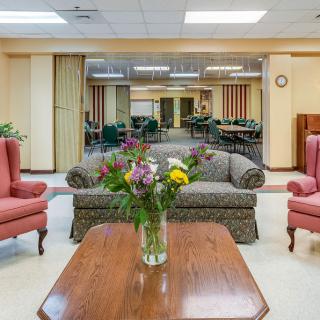
On the upside, the rehab program stands out. Multiple accounts praise the physical therapy and occupational therapy teams as among the best, with CNAs and food servers contributing noticeably to day-to-day comfort. Residents consistently note clean facilities, good-quality meals, and the ability to personalize meals. The presence of an onsite administrator who is approachable and responsive to concerns can smooth over routine issues, and private rooms add a welcome level of privacy and dignity. The long-tenured staff appears to provide continuity that helps residents settle in, while activity calendars and social opportunities give life beyond therapy and meals.
Yet the cons carry real weight and cannot be dismissed. Several reviews allege troubling interactions with social workers and the director, including a perception of punitive responses to personal disagreements and serious concerns about autonomy, guardianship, and financial controls. In one instance, a guardian arrangement and actions around a resident’s finances are described as underhanded, with distressing consequences. Other concerns touch safety and staffing, reports of understaffing, brief or inconsistent therapy sessions, and even serious claims about patient monitoring and a resident’s safety leading to harm. Complaints also include interpersonal issues, inconsistent communication, and perceived disrespectful behavior from certain staff members.
The critical question becomes whether the strong rehab credentials and day-to-day care can offset the governance and safety concerns. For families prioritizing rapid, high-quality therapy and a warm, engaging environment, Bethesda Lutheran offers real value: skilled therapists, attentive aides, and a setting that supports recovery and independence when the program runs smoothly. The presence of a steady, on-site administrator and a generally clean, welcoming atmosphere can mitigate some operational friction, and the ability to maintain privacy with private rooms remains a meaningful advantage for many residents.
Alternatives deserve serious consideration for those wary of administrative risk. If autonomy and transparency in governance are non-negotiables, exploring options with a clearer track record of resident rights protection and consistent staffing is prudent. Wellspring Frankenmuth or other nearby SNFs may present more stable governance experiences, better staffing reliability, and fewer reported disputes, depending on current staffing and leadership, yet each setting will have its own trade-offs in rehab strength and daily pace. Conduct thorough visits, ask pointed questions about therapy hours, staffing ratios, guardian involvement, and incident follow-ups, and verify recent family testimonials to gauge whether the balance between care quality and governance matches the family’s expectations.
In practical terms, families evaluating Bethesda Lutheran should plan multiple on-site visits, request recent staffing rosters, and schedule conversations with current residents and families about autonomy, communication, and safety. Confirm the structure around therapy time, how many hours per day, how often progress is reviewed, and who oversees discharge planning. Probe how guardianship decisions are made, who has decision-making authority, and what safeguards are in place to protect resident rights. Finally, compare Medicare ratings and inspectors’ notes, and map out a short list of nearby alternatives to ensure the chosen community aligns with the family’s comfort level with governance, safety, and the level of rehabilitation they require.
 12 resident community capacity
 Assisted Living
 Cable or satellite TV
 Dining room
 Fully furnished
 Garden
 Housekeeping services
 Move-in coordination
 Outdoor space
 Telephone
 Wi-Fi/high-speed internet available
 Mbs International (21 miles away)
 24-hour supervision
 Activities of daily living assistance
 Assistance with bathing
 Assistance with dressing
 Assistance with transfers
 Diabetes diet
 Meal preparation and service
 Medication management
 Special dietary restrictions
 Transportation arrangement (medical)
 Transportation to doctors appointments




 A Detailed Exploration of Assisted Living Medicaid Waivers Across the United States
 Comprehensive Residential Support and Assisted Living Solutions for Individuals with Disabilities
 Comprehensive Supportive Living Arrangements for Adults with Disabilities