
4414 Abel Dr, Fort Gratiot, MI 48059
To contact a resident: (810) 385-7944
For more information about senior living options: (866) 208-4318
Overall Review of Edie's Adult Foster Care Home
Pros
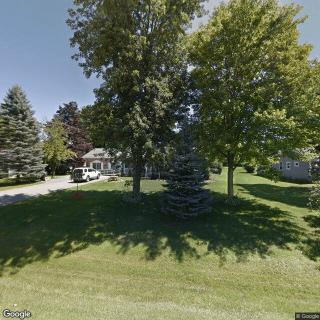
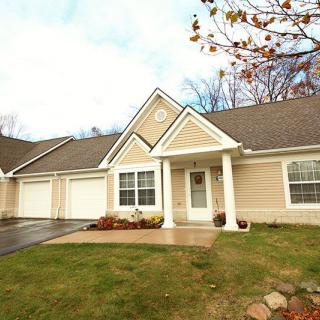
 The facility is wonderful, secure, caring, clean, and well kept.
- The personnel are great.
- The environment is very home-like.
- It is highly recommended.
Review
Edie's Adult Foster Care Home in Fort Gratiot is best suited for seniors who value a secure, intimate, home-like environment where personalized attention and everyday practicality take priority over institutional scale. The setting emphasizes a family-style feel, with staff who know residents by name and habits, a clean and well-kept living space, and a sense of safety that comes from a smaller, contained operation. For families seeking a place that feels less like a hospital and more like a trusted home, this community delivers what matters: consistent care, warmth, and a predictable routine that reduces anxiety for residents who thrive on familiarity.
Those considering alternatives will want to weigh needs that extend beyond what a small foster-care arrangement typically provides. If a senior requires intensive medical oversight, round-the-clock skilled nursing, dementia-specific programming, or a broad slate of on-site activities and outings, a larger assisted living community or a dedicated memory-care campus may be more appropriate. Likewise, when independence is paired with a desire for robust social engagement, a bigger community can offer more varied programming and staff coverage to accommodate evolving needs. In short, when medical complexity or a wide activity calendar is a priority, broader options deserve consideration.
From the single available review, the strongest positives line up with common family priorities: the facility is described as wonderful, secure, and clean, with staff that are caring and a home-like atmosphere that fosters comfort and trust. These factors align directly with core decision criteria, safety, hygiene, and meaningful human connection. The ability of personnel to create a familiar, respectful environment reduces stress for both residents and families, and the “well kept” nature of the setting reinforces the impression of steady oversight and pride of ownership. When these elements are present, they can often offset the anxiety that accompanies placing a loved one in care, delivering reliability where it counts most.
Yet, the inherent trade-off in a small, home-style foster setting is the potential for limited breadth. The very advantages of intimacy, personal attention, predictable routines, and close relationships with caregivers, can come with fewer formal programs, less on-site medical versatility, and fewer resources for residents with specialized needs. Families should therefore verify critical specifics: the level of 24/7 medical support, medication management processes, accessibility features, meal preparation standards, and transportation or activity planning. These details determine whether the environment can seamlessly adapt as care needs evolve or if a more expansive setting would be better suited to long-term trajectories.
For families actively evaluating Edie’s against other options, a practical decision framework helps. Prioritize safety, cleanliness, and staff warmth as nonnegotiables, then assess whether the resident’s care plan aligns with what a small home setting can sustain. Schedule a thorough visit focusing on daily routines, mealtime companionship, and how staff respond to subtle changes in mood or behavior. Ask about licensing, staffing ratios, emergency procedures, and how family involvement is incorporated into care planning. If pain points arise, such as needing more specialized therapies, diverse activities, or enhanced nursing support, tivot toward a larger community with a stronger medical infrastructure.
In the end, Edie’s Adult Foster Care Home offers a compelling fit for families prioritizing a secure, clean, and intrinsically caring environment delivered in a home-like setting. The strongest pros, safety, attentiveness, and resident comfort, tend to offset the absence of broader services that bigger facilities provide, provided the resident’s needs stay within the scope of what a small, intimate home can sustainably deliver. If the goal is maximum personalization, predictable routines, and a warm, familial vibe, this community stands out as a thoughtful, well-positioned choice. If medical complexity or a rich activity calendar is central, exploring alternatives with deeper clinical resources is prudent.
 Board and Care Home


 Compassionate Conversations: How to Comfort Someone Who Is Grieving
 Home Health Care Aides: Understanding Their Role and Supporting Your Family
 Urinary Tract Infections in Older Adults: Comprehensive Insights on Symptoms, Treatment, and Prevention