For more information about senior living options: (866) 208-4318
4 from 44 reviews
5 stars
30
4 stars
3
3 stars
2
2 stars
0
1 stars
9
Bennett House Costs & Pricing
Bennett House offers competitive pricing for its residential options compared to the broader market in St. Clair County and throughout Michigan. For a semi-private room, residents can expect to pay $2,000 per month at Bennett House, significantly lower than the county average of $2,862 and the state average of $3,191. Similarly, those seeking a private room will find Bennett House's rate of $2,400 to be quite favorable when compared to the county's median of $3,699 and the state's average of $3,675. This cost structure reflects Bennett House's commitment to providing quality care while ensuring affordability for its residents and their families.
Floor plans
Bennett House
St. Clair County
Michigan
Semi-Private
$2,000
$2,862
$3,189
Private
$2,400
$3,699
$3,674
Senior living communities with a similar price nearby
from +$369 / mo
Holiday Blue Water Lodge
4.4 from 124 reviews
$2,369 to $3,509 / month
2.8 miles away
About the same
The Manor
$2,000 to $2,400 / month
3.1 miles away
from -$200 / mo
The Lake House
$1,800 to $2,300 / month
1.7 miles away
About the same
Oasis Senior Care Center
$1,950 to $2,400 / month
5.6 miles away
Overall Review of Bennett House
common3 reviews mention this
Cleanliness is frequently mentioned
Residents and visitors describe the setting as clean and pleasant.
Multiple reviewers comment on the cleanliness and overall condition of the facility, including a specifically positive note about how it smells. One review also pairs cleanliness with a general sense of professionalism. Overall, the impressions of the environment are consistently favorable in the feedback.
common9 reviews mention this
Agents are described as communicative
Reviewers often describe agents as responsive and clear throughout the process.
Several reviews say the agent explained steps clearly, answered questions, and kept clients updated. Others highlight being reachable by phone and not leaving people waiting. A number of reviewers also connect strong communication with good outcomes like successfully negotiating and completing sales or purchases.
caveat2 reviews mention this
Getting in touch can be an issue
Some reviewers report trouble reaching staff when they needed help.
A couple of reviews describe difficulty getting hold of someone, including one where the agent did not answer the phone and another where no one was available when calls were made. In those accounts, it becomes part of the frustration with the overall experience rather than a small glitch. If you consider this community, it may be worth asking how calls and follow-ups are handled day to day.
How we summarize
Counts show how many written reviews mention each theme; a review can touch several themes, and only frequently mentioned themes are displayed.
Features
Types of Care
Board and Care Home
Amenities
Private
Nearby Places of Interest
Cafes
Milkhouse Cafe (1.1 miles)
Starbucks (2.3 miles)
Tim Hortons (3.3 miles)
Tim Hortons (3.9 miles)
Maria's Downtown Cafe (4.8 miles)
The Exquisite Corpse Coffee House (5 miles)
Raven Cafe (5 miles)
Restaurants
Taco Bell (2.2 miles)
Denny's (2.2 miles)
McDonald's (2.2 miles)
Red Lobster (2.3 miles)
Coney Island North (2.4 miles)
Cheap Charlie's (2.5 miles)
Arby's (2.6 miles)
Pharmacies
Walgreens (2.2 miles)
Meijer Pharmacy (2.6 miles)
Wadhams Pharmacy (3 miles)
Hometown Pharmacy (3.1 miles)
Rite Aid (4.5 miles)
CVS Pharmacy (4.6 miles)
Walgreens (5 miles)
Theaters
AMC Birchwood 10 (2.5 miles)
Physicians
Wadhams Family Health Care (3 miles)
Cardiology Associates of Port Huron, PC (4.1 miles)
Samir Alsawah (4.1 miles)
Occupational Health Clinic (5.2 miles)
Port Huron Internal Medicine (5.3 miles)
DrSaad Elkelani (5.4 miles)
Dr. Hynes Brian (5.5 miles)
Parks
Port Huron Little League Park (3.6 miles)
Pine Grove Park (4.3 miles)
Fort Gratiot County Park On Metcalf (4.5 miles)
Kiefer Park (4.8 miles)
Centennial Park (5.4 miles)
Lakeport State Park (7.1 miles)
Marysville City Park (7.9 miles)
Hospitals
McLaren Port Huron (4.2 miles)
Mercy Business Health Services (5.4 miles)
St Joseph Mercy Port Huron (5.4 miles)
Places of Worship
St John's United Church of Christ (4.9 miles)
Griswold Street Baptist Church (4.9 miles)
St Martin Lutheran Church (5 miles)
St Joseph's Catholic Church (5 miles)
St Edward on the Lake Catholic Church (6.2 miles)
Transportation
St Clair County International Airport (PHN) (7.8 miles)
Bennett House offers competitive pricing for its residential options compared to the broader market in St. Clair County and throughout Michigan. For a semi-private room, residents can expect to pay $2,000 per month at Bennett House, significantly lower than the county average of $2,862 and the state average of $3,191. Similarly, those seeking a private room will find Bennett House's rate of $2,400 to be quite favorable when compared to the county's median of $3,699 and the state's average of $3,675. This cost structure reflects Bennett House's commitment to providing quality care while ensuring affordability for its residents and their families.
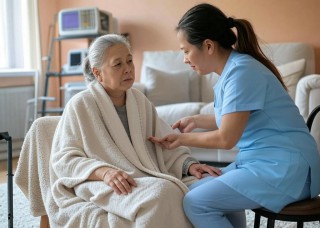
Medicare covers in-home health care services, which are medical and provided by licensed professionals under a physician's supervision, whereas non-medical personal assistance is generally not covered unless part of a broader skilled care plan. Eligibility for benefits depends on being homebound and needing intermittent skilled services from a Medicare-certified agency, with specific coverage limitations and additional resources available for navigating options.
In-home care is increasingly sought after by older adults for maintaining independence, with average private home care rates in 2025 varying by state and service type, reflecting geographical and local labor market influences. As demand rises, families are considering funding options like Medicaid waivers and long-term care insurance to manage costs effectively while ensuring quality care.
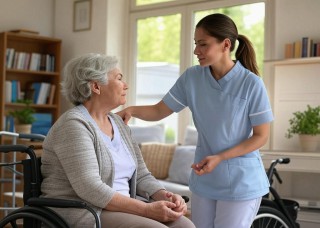
Home health care has become essential for supporting independence among the aging population, offering diverse services such as skilled nursing and rehabilitation in familiar environments, while also incorporating technology for personalized care. Despite its benefits, including improved recovery rates and emotional well-being, challenges like safety, staff availability, and insurance navigation must be managed for effective implementation.
Get PricingAsk A QuestionSchedule A TourContact Senior Advisor
By clicking submit, you agree to our Partner's Terms of Use. You
also consent to receive calls and texts, which may be autodialed, from our Partner. Your consent is not a condition to
using our Partner's service. Please visit our Partner's Privacy Policy for information about their privacy practices.


 Board and Care Home
 Private
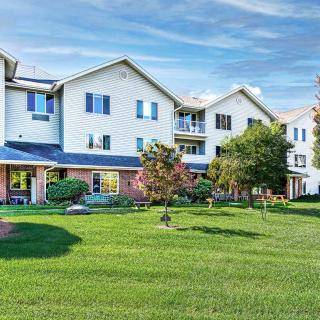
 Warm, welcoming community with abundant nearby amenities (cafes, restaurants, parks, pharmacies, hospitals).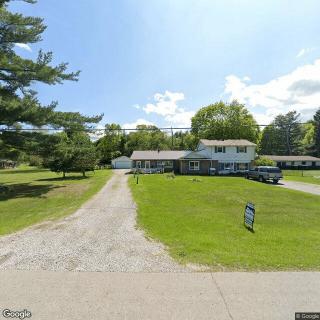
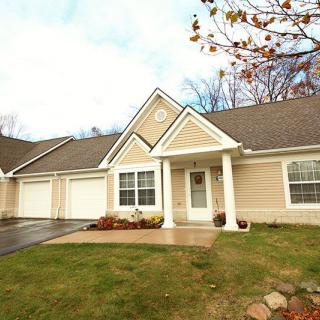
 Navigating Medicare Coverage for In-Home Care Services
 In-Home Care Costs in 2025: A Detailed State-by-State Exploration
 Understanding Home Health Care: A Comprehensive Guide