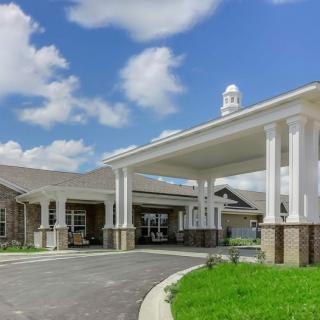
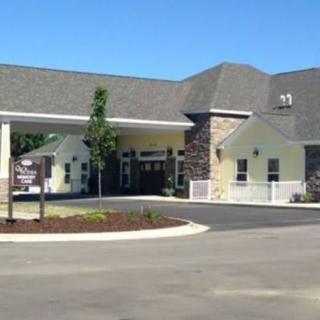
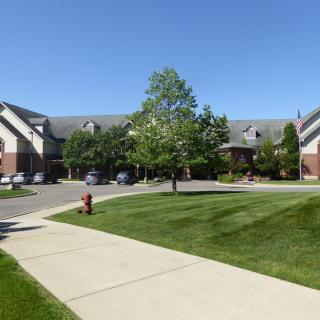
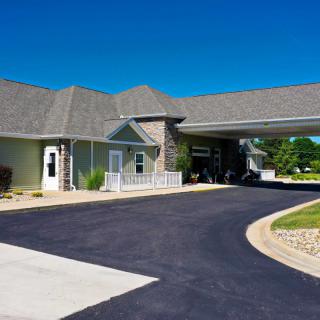
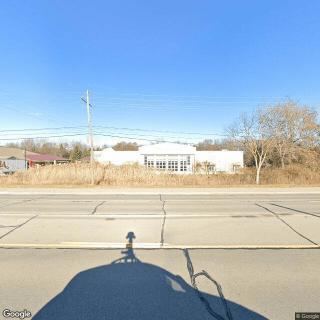
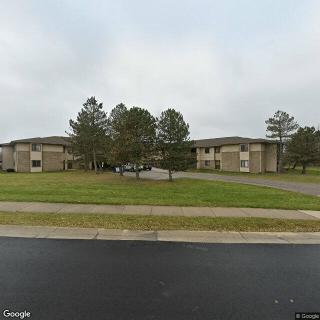
New Hope Behavioral Services I is an assisted living community in Flint, MI.
Information last verified:
1110 Eldon Baker Drive., Flint, MI 48507
For more information about senior living options: (866) 208-4318
3.9 from 100 reviews
5 stars
60
4 stars
11
3 stars
6
2 stars
4
1 stars
19
New Hope Behavioral Services I Costs & Pricing
New Hope Behavioral Services I offers a range of costs for its accommodations, with private room rates fluctuating between $5,200 and $8,700 per month. This pricing stands in stark contrast to the average monthly costs in Genesee County, which is approximately $4,118 for similar private facilities, and even lower at around $3,675 at the state level in Michigan. For studio apartments, New Hope's rate is set at $6,100 - again significantly higher than the county's average of $4,111 and the state's average of $3,824. These figures suggest that while New Hope provides specialized services that may justify the elevated prices, potential clients should carefully consider their options within the broader market context.
Floor plans
New Hope Behavioral Services I
Genesee County
Michigan
Private
$5,200 to $8,700
$4,118
$3,674
Studio
$6,100
$4,111
$3,824
Assisted Living communities with a similar price nearby
from -$705 / mo
Springvale Assisted Living & Memory Care
4.7 from 75 reviews
$4,495 to $5,400 / month
9.3 miles away
from -$400 / mo
Vicinia Gardens Memory Of Fenton
4.7 from 22 reviews
$4,800 / month
13.7 miles away
from -$1020 / mo
Addington Place of Clarkston
4.4 from 147 reviews
$4,180 to $5,495 / month
21.8 miles away
from -$800 / mo
Vicinia Gardens Assisted Living Of Fenton
4.3 from 91 reviews
$4,400 / month
13.7 miles away
from -$1000 / mo
The Pines of Clarkston Assisted Living and Memory Care
Scheduling and follow-through come up as a recurring problem in resident reports.
Several residents describe canceled appointments, long waits, or trouble getting telehealth links that don’t work or aren’t sent in advance. Some also mention being transferred to the wrong person or having case management plans that feel inconsistent. Even when residents say care is offered, the day-to-day experience is sometimes described as disorganized or hard to rely on.
caveat14 reviews mention this
Some clinicians don’t listen
A recurring concern is that some providers don’t listen to patients or families.
A number of reviews criticize certain doctors or psychiatrists for being rude, condescending, or dismissive of symptoms and medication concerns. Others describe not getting the help they want, including not being prescribed what they requested or being redirected back to the same medication. A few reviews also mention medication side effects or disagreement about diagnosis, which affected trust and willingness to continue care.
caveat9 reviews mention this
Case managers can be inconsistent
Residents frequently mention case management inconsistency as a source of stress.
Multiple reviews describe switching case managers, being reassigned repeatedly, or struggling to reach someone who could help. Some residents say important updates or communication didn’t happen, such as not notifying them of changes or not following through after requesting help. While some reviews are thankful for case management, the recurring theme is that access and continuity vary.
common18 reviews mention this
Caregivers and staff can be supportive
Many residents describe staff members as caring, helpful, and professional.
Positive reviews repeatedly highlight professional, caring staff and say the team helps with day-to-day needs and mental health support. Some residents specifically thank named staff and describe feeling listened to through therapy and medication adjustments. Even among critical reviews, a subset describe friendly staff or a clean, welcoming experience.
common3 reviews mention this
Cleanliness is mentioned both ways
Residents mention cleanliness, with experiences ranging from good to not clean.
Some residents praise the facility’s cleanliness, including clean floors and bathrooms. Others include more negative remarks such as the location not being clean. Overall, cleanliness comes through as something a few reviewers noticed, but not everyone describes it the same way.
How we summarize
Counts show how many written reviews mention each theme; a review can touch several themes, and only frequently mentioned themes are displayed.
Features
Housing
12 resident community capacity
Types of Care
Assisted Living
Amenities
Cable or satellite TV
Dining room
Fully furnished
Garden
Housekeeping services
Move-in coordination
Outdoor space
Telephone
Wi-Fi/high-speed internet available
Transportation
Bishop (5 miles away)
Care Services
24-hour supervision
Activities of daily living assistance
Assistance with bathing
Assistance with dressing
Assistance with transfers
Coordination with health care providers
Diabetes diet
Meal preparation and service
Medication management
Special dietary restrictions
Transportation arrangement (medical)
Transportation to doctors appointments
Dining
Diabetes diet
Special dietary restrictions
Activities
Community-sponsored activities
Scheduled daily activities
Nearby Places of Interest
Hospitals
Dunahoo Erin Hope Network Insight Recovery Center Flint (0 miles)
Dr Ron Coriasso DO (2.2 miles)
Da Vita (3.2 miles)
Select Specialty Hospital (4.1 miles)
Ross Medical Education Center-Flint (4.8 miles)
Restaurants
Arby's (0.3 miles)
McDonald's (1.2 miles)
Red Baron (1.2 miles)
US Family Restaurant (1.2 miles)
Rally's (1.5 miles)
Sharkey's Sports Bar (1.7 miles)
Starlite Diner 2 (2.3 miles)
Pharmacies
Grifols (0.3 miles)
Discount Rx (1.2 miles)
Rite Aid (1.5 miles)
Rite Aid (1.7 miles)
VG'S Grocery (2.2 miles)
Flint Family Pharmacy (2.8 miles)
Thrifty Drugs (2.8 miles)
Physicians
Miracle-Ear Hearing Aid Center (1.1 miles)
Insight Institute of Neurosurgery & Neuroscience (1.2 miles)
Hurley Medical Center (1.3 miles)
Khaled M Shukairy (1.4 miles)
Elite Obgyn (1.5 miles)
Dr Jose Lopez (2.1 miles)
Genesee Cancer & Blood Disease Treatment Center PC (2.2 miles)
New Hope Behavioral Services I offers a range of costs for its accommodations, with private room rates fluctuating between $5,200 and $8,700 per month. This pricing stands in stark contrast to the average monthly costs in Genesee County, which is approximately $4,118 for similar private facilities, and even lower at around $3,675 at the state level in Michigan. For studio apartments, New Hope's rate is set at $6,100 - again significantly higher than the county's average of $4,111 and the state's average of $3,824. These figures suggest that while New Hope provides specialized services that may justify the elevated prices, potential clients should carefully consider their options within the broader market context.
The article examines the complexities of assisted living for individuals with disabilities, emphasizing the need for tailored care solutions that enhance quality of life and social inclusion, while addressing financial challenges and advocating for community integration. It discusses various housing options, the importance of financial assistance through public benefits, and highlights trends towards integrated and technology-driven solutions in disability-focused housing.
Assisted living for adults with disabilities has transformed to provide personalized care and support services aimed at improving residents' quality of life while balancing independence and assistance. However, low-income individuals often face challenges in affording these services, requiring navigation of various financial resources and advocacy for better policies and solutions.
Assisted living facilities provide support for older adults needing help with daily activities without extensive medical care, but their costs can be high and vary by location and services offered. Families often seek various funding options and financial strategies to manage these expenses effectively while considering future needs and potential price increases.
Get PricingAsk A QuestionSchedule A TourContact Senior Advisor
By clicking submit, you agree to our Partner's Terms of Use. You
also consent to receive calls and texts, which may be autodialed, from our Partner. Your consent is not a condition to
using our Partner's service. Please visit our Partner's Privacy Policy for information about their privacy practices.

 12 resident community capacity
 Assisted Living
 Cable or satellite TV
 Dining room
 Fully furnished
 Garden
 Housekeeping services
 Move-in coordination
 Outdoor space
 Telephone
 Wi-Fi/high-speed internet available
 Bishop (5 miles away)
 24-hour supervision
 Activities of daily living assistance
 Assistance with bathing
 Assistance with dressing
 Assistance with transfers
 Diabetes diet
 Meal preparation and service
 Medication management
 Special dietary restrictions
 Transportation arrangement (medical)
 Transportation to doctors appointments
 Intimate 12-bed community with comprehensive care and medical-appointment transportation.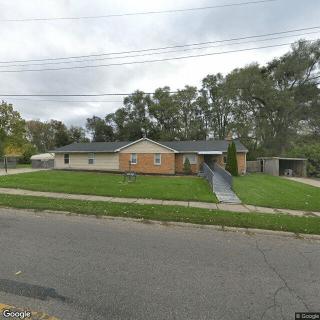
 Comprehensive Residential Support and Assisted Living Solutions for Individuals with Disabilities
 Comprehensive Supportive Living Arrangements for Adults with Disabilities
 Funding and Affording Assisted Living: A Thorough Overview