
2360 Stonebridge Drive, Flint, MI 48532
For more information about senior living options: (866) 208-4318
Overall Review of Flatrock Manor Of Flint Township
Cons
 Flatrock is a mismanaged mess that lacks qualified health professionals and direct care staff to adequately care for residents' medical, personal, and safety needs.
- The organization is not transparent when incidents occur or when concerns are raised.
- The organization prefers to sweep incidents under the rug and tell stakeholders what they want to hear.
- There is misreporting of a Nurse Practitioner as a doctor, and AFC licensing reports should be thoroughly checked before considering placing a loved one in any of their institutions.
- Flatrock Manor is described as the most dysfunctional company ever.
- Prospective families are advised not to place a loved one in a Flatrock Manor home.
Review
This community is best suited for families that have exhausted other licensed options in the Flint area and are prepared to assume a highly active advocacy role. When medical oversight and transparent reporting are non-negotiables, Flatrock Manor Of Flint Township offers little reassurance. It is, in practice, a placement to consider only when no safer, better-staffed alternative exists and when families are ready to supervise care closely, document every concern, and push for regulatory scrutiny as needed. In short, this is a choice driven by constraint rather than confidence.
For families weighing options, it is essential to acknowledge who should look elsewhere. Residents with real medical needs requiring consistent nursing supervision, strong safety protocols, or specialized memory care should be directed toward communities with demonstrable staffing ratios, clear incident reporting, and verified licensing practices. Those who insist on transparency about care plans, timely responses to concerns, and dependable personal care will find these expectations unmet here. Even if a budget argument exists, the quality discrepancy makes alternatives a prudent default.
In terms of pro/con balance, the limited evidence of genuine advantages is outweighed by pervasive red flags. The favorable ratings lack substantive detail, leaving uncertainty about any meaningful strengths. The real, documented concerns, staffing insufficiency, insufficient medical oversight, and a pattern of non-transparency, far exceed any vague positives. There is no credible offset that compensates for the risks posed to resident safety, dignity, and wellbeing. The few high marks do little to change the fundamental assessment: the drawbacks dominate.
The core cons are exacting and troubling. Chronic under-staffing translates into delays in assistance with mobility, personal care, and basic safety needs. The lack of qualified health professionals and direct care staff directly undermines medical management, medication safety, and responsive care during emergencies. Incidents and concerns reportedly go unaddressed or are not reported transparently, eroding trust and making accountability nearly impossible. Reports of misrepresentation of credentials and a culture that seems to “sweep things under the rug” create an environment where abuse or neglect can go unchecked. This combination of staffing gaps, weak governance, and opacity is not compatible with responsible elder care.
If still evaluating this town-market option, adopt a disciplined, verification-first approach. Start by confirming licensing and accreditation status through the Michigan LARA and AFC licensing reports. Request direct contact with the director to review staffing schedules, nurse visits, and documented incident responses. Speak with current residents and families about daily routines, safety checks, medication administration, and how concerns have been handled. Demand written care plans, escalation procedures, and a transparent incident log. Consider whether the potential cost savings are real and whether they come at an unacceptable risk to safety and quality of life. If any doubt persists, pivot to alternatives with stronger staffing, better oversight, and proven accountability.
The bottom line is clear: Flatrock Manor Of Flint Township presents substantial, well-documented risks that undermine core senior-care expectations. For families prioritizing dependable medical oversight, transparent communication, and consistent personal care, alternatives are not merely preferable; they are essential. Where safe, proactive oversight is possible, it remains the prudent path to choose a facility with verifiable staffing, strict reporting, and a track record of safeguarding residents’ wellbeing. When in doubt, favor communities with measurable, concrete assurances of quality and safety, and treat this option as a last-resort stopgap rather than a viable long-term home.
 12 resident community capacity
 Assisted Living
 Cable or satellite TV
 Dining room
 Fully furnished
 Garden
 Housekeeping services
 Move-in coordination
 Outdoor space
 Telephone
 Wi-Fi/high-speed internet available
 Bishop (3 miles away)
 24-hour supervision
 Activities of daily living assistance
 Assistance with bathing
 Assistance with dressing
 Assistance with transfers
 Diabetes diet
 Meal preparation and service
 Medication management
 Special dietary restrictions
 Transportation arrangement (medical)
 Transportation to doctors appointments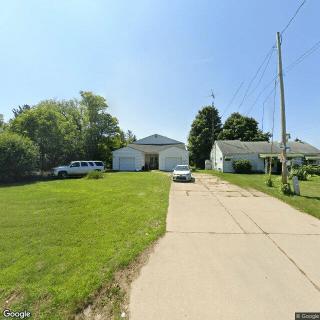
 Affordable memory care with semi-private rooms at $2,250/mo and specialized diabetic/memory care.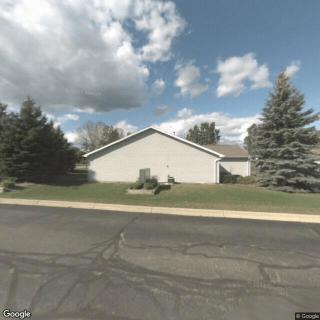


 Exploring the Contrasts Between Assisted Living and Skilled Nursing
 8 Key Indicators That Suggest It May Be Time to Transition from Assisted Living to Skilled Nursing Care
 Vibrant Senior Living: A Comprehensive Guide for Active Older Adults