
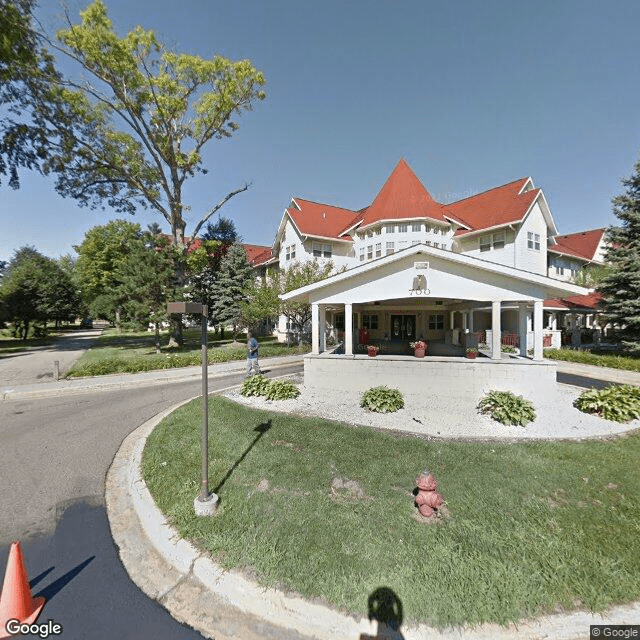
700 East Court Street, Flint, MI 48503
To contact a resident: (810) 239-4700
For more information about senior living options: (866) 208-4318
Court Street Village West Costs & Pricing
At Court Street Village West, residents enjoy competitive rental rates compared to the broader market trends in Genesee County and across Michigan. For a one-bedroom unit, the monthly cost is an attractive $570, significantly lower than the averages of $3,121 in Genesee County and $3,384 statewide. Similarly, two-bedroom units are priced at $650, which stands in stark contrast to the county's average of $2,519 and the state level of $3,523. These pricing advantages make Court Street Village West an appealing option for individuals and families seeking quality housing without straining their budgets.
| Floor plans | Court Street Village West | Genesee County | Michigan |
|---|---|---|---|
| 1 Bedroom | $570 | $3,121 | $3,384 |
| 2 Bedrooms | $650 | $2,519 | $3,523 |
Senior living communities with a similar price nearby
-
from -$60 / mo

Bells of Bavaria
$510 to $560 / month22.6 miles away -
from +$106 / mo
Slidell Senior Citizens Residence
$676 to $738 / month4.8 miles away -
from -$25 / mo

Hidden Hollow
$545 / month16.8 miles away -
from +$70 / mo
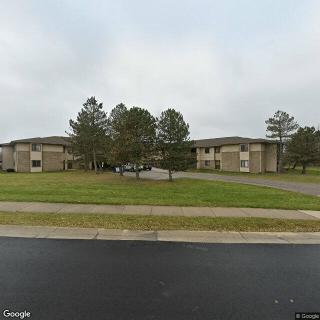
Grand Meadows II Senior Apartments
$640 to $760 / month7.3 miles away -
About the same
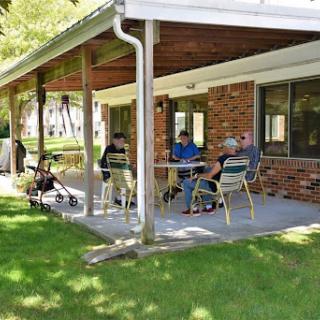
Clio Village
$575 / month11.2 miles away
Overall Review of Court Street Village West
Pros
 The facility is a nice place.
- The apartments have patios.
- The staff is good.
- It is cost-effective and adjusts to residents’ income.
- The facility is recommended to others.
- The lobby will be renovated and will be nicer.
Cons
 The loved one’s experience at Court Street Village West was poor.
- The management and care for the facility’s seniors were unsatisfactory.
- The reviewer would not let another loved one live at Court Street Village West.
- The reviewer would not recommend Court Street Village West to others.
- The facility could use some updating.
- The area is questionable.
Review
Court Street Village West in Flint, MI is best suited for financially mindful seniors who want a straightforward, low-cost living option with private apartments that include patios and a built-in sense of independence. This community appeals to those who prioritize affordability tied to income, and who can tolerate an older property with anticipated updates rather than a brand-new, polished ambiance. It is a fit for residents who value practical adequacy over luxury, and who are comfortable navigating a facility that may still be catching up on modernization while maintaining basic services and accessible living space.
Those who may want to consider alternatives are seniors who expect consistently high care quality, modern interiors, and a robust, highly attentive management structure. If the priority is a facility that feels current, with a cutting-edge lobby, elevated amenities, and a strong reputation for proactive leadership, the next-door residence or other nearby options may be a better match. Families seeking strong, stable engagement from staff and a worry-free environment for weekdays and evenings should also weigh other communities that showcase more contemporary renovations and stronger day-to-day oversight.
The standout positives here, staff who are described as good, and the straightforward cost model, help counterbalance some of the facility’s shortcomings. The fact that rents are aligned with income can relieve monthly budgeting pressure, especially for those living on fixed incomes. The presence of patios in the apartments adds outdoor accessibility and a sense of space that many seniors value. A visible sign of progress is the lobby renovation planned for the near term, signaling a commitment to improving the aesthetic and social shared areas without waiting for a major overhaul of everything inside. For residents who prize practicality and predictable pricing, these elements carry real weight.
Yet the most salient cons remain operational and perceptual. A clear risk is management and care quality, as reflected in a strongly negative personal account, where the experience over three years left a family feeling uneasy about ongoing care and decision-making. This is not a neutral factor: it directly affects daily life, safety, and trust in supervisory decisions. The facility is consistently described as not being as nice as the adjacent option, and even though renovations are on the horizon, the current environment and style may fail to meet expectations for residents who want a more contemporary appearance or a more decisive emphasis on top-tier resident support. Location and neighborhood impressions also factor into comfort, especially for families prioritizing safety and community feel.
Practical decision guidance centers on honest due diligence. Prospective residents should request a detailed explanation of how income-based pricing works in practice, what services are included, and what level of care is available locally. Ask for staffing ratios by shift, turnover history, and training standards to gauge daily reliability. Inquire about the scope and timing of the lobby renovation, and whether additional upgrades are planned for common areas, kitchens, and apartments. Tour the facility during different times of the day to observe interactions, responsiveness, and how common spaces feel. Compare this against the next-door option and similar communities to determine whether the balance of affordability, space, and perceived care aligns with personal priorities and family expectations.
The bottom line is pragmatic: Court Street Village West serves a niche, affordable, income-aligned living with outdoor apartment space and a workable staff foundation. For seniors whose primary need is control over monthly costs and a modest, functional environment, it can be a sound placement when careful checks confirm stable care and consistent management. However, for families who cannot tolerate mixed reports on care quality, or who demand current aesthetics and assertive leadership, exploring alternatives is wise. The right choice hinges on balancing budget realities with the certainty of daily support and the comfort of a modern, well-managed setting.
 Active Adult Communities (55+)
 Cats allowed
 Dogs allowed
 Bishop (5 miles away)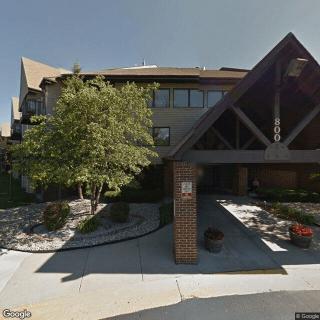

 Caring for Those Who Care: Recognizing, Understanding, and Overcoming Caregiver Burnout
 Caregiver Exhaustion: Recognizing the Signs and Restoring Your Well-Being
 Understanding Hospice Care at Home: Comprehensive Services, Key Benefits, and Eligibility