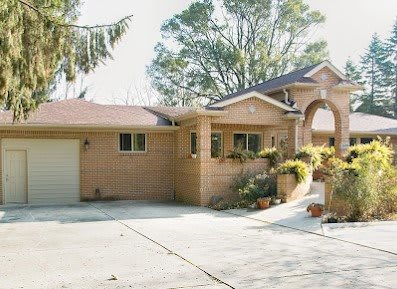
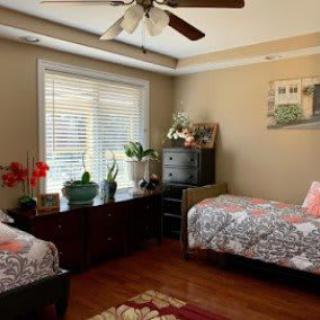
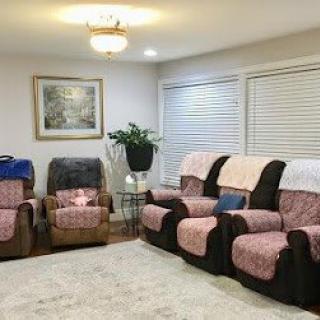
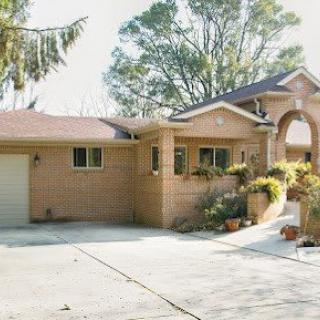
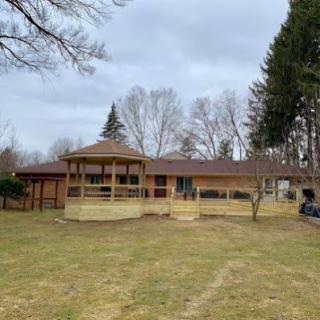
24290 Farmington Rd, Farmington Hills, MI 48336
To contact a resident: (248) 376-5166
For more information about senior living options: (866) 208-4318
Home Sweet Home Costs & Pricing
At Home Sweet Home, the monthly costs for accommodation reflect a commitment to providing a high-quality living environment. For a semi-private room, residents can expect to pay $4,500, which is notably higher than the average rates of $2,860 in Wayne County and $3,191 across Michigan. Similarly, the private room option comes at a monthly cost of $5,000 - again surpassing local and state averages of $3,335 and $3,675 respectively. These premium rates suggest that Home Sweet Home may offer enhanced amenities or services that cater to individuals seeking an elevated level of comfort and care in their living arrangements.
| Floor plans | Home Sweet Home | Wayne County | Michigan |
|---|---|---|---|
| Semi-Private | $4,500 | $2,860 | $3,189 |
| Private | $5,000 | $3,335 | $3,674 |
Senior living communities with a similar price nearby
-
About the same
Homewatch Caregivers
$4,595 to $9,095 / month11.5 miles away -
from -$805 / mo

Sarah Care Adult Day Care
$3,695 to $4,295 / month21.7 miles away -
from +$500 / mo
Greencastle Family Care
$5,000 / month2.7 miles away -
from -$700 / mo
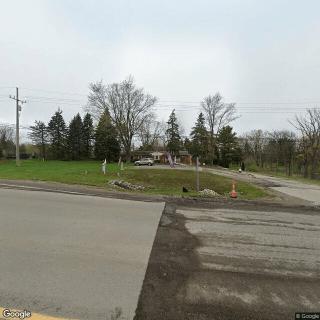
Silverbell Manor
$3,800 / month19.2 miles away -
from -$500 / mo
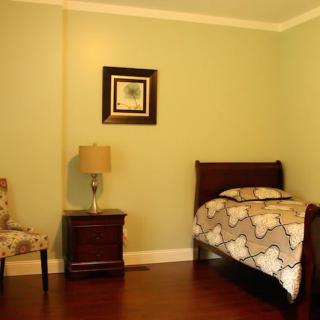
Oakland View Senior Living
$4,000 to $5,000 / month24.9 miles away
Overall Review of Home Sweet Home
Pros
 The staff are excellent, caring, and kind.
- The meals are delicious and the home is spotlessly clean.
- The home is welcoming and well staffed with caregivers during the day and at night.
- A wide range of activities are provided, including music, crafts, bingo, and visits from the church youth group.
- All residents are pleasant and cooperative, even those with memory deficits.
- Residents are welcome even as they move to hospice care, making this an affordable option with compassionate care.
- Families feel blessed to have found this home for their loved ones.
- The home is loving, dedicated, and attentive to each resident.
- The home feels like a family, with residents treated with love and respect.
Cons
 One reviewer found the price to be expensive.
- Another reviewer was not overly impressed with the owner.
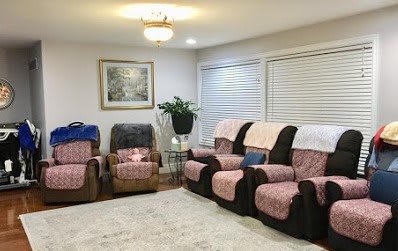
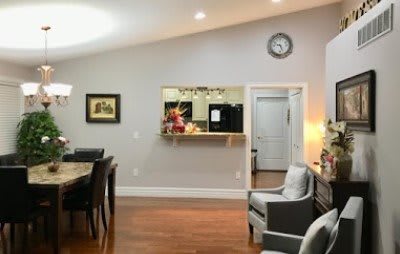
- They remarked that there was no visiting area and only a small eating area.
Review
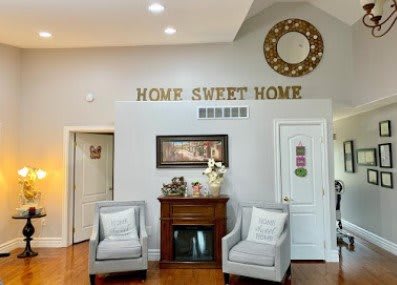
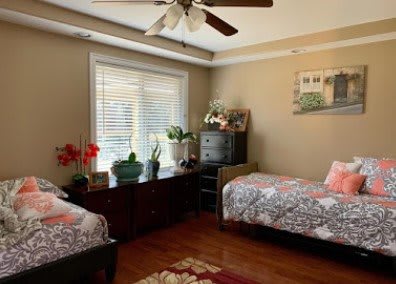
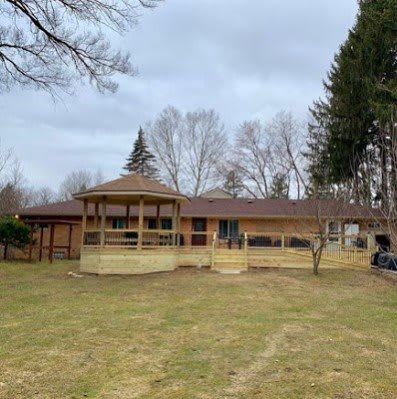
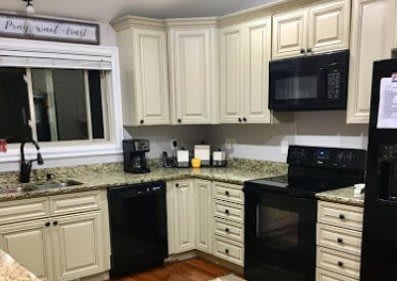
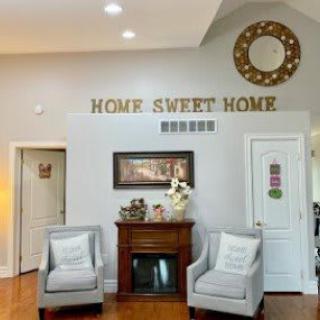
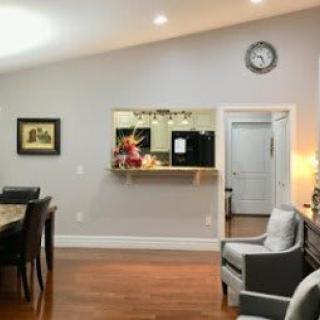
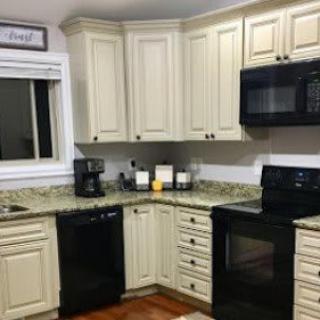
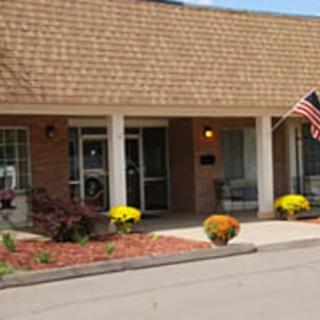
Home Sweet Home in Farmington Hills is best suited for families seeking an intimate, home-like setting where care feels deeply personal and hands-on. With space for about six residents, the community functions like a true residence rather than a clinical campus, delivering high-touch attention, home-cooked meals, and a warm, family atmosphere. The model emphasizes daily caregiving by a stable team, two or more caregivers during the day and at least one overnight, alongside consistently spotless surroundings and a welcoming environment for visitors. This combination makes it a compelling option for seniors who value quiet, predictable routines, meaningful activities, and strong relationships with caregivers.
Families considering alternatives should note several scenarios where a different setup may be preferable. Those seeking a larger, more institutional setting with extensive medical staffing, a broader calendar of structured programs, or more expansive common areas may find Home Sweet Home too small or too intimate. Budget-conscious families should scrutinize pricing expectations, as one reviewer flagged the cost as a potential hurdle even though other voices described the home as affordable for the level of personalized care. Additionally, the impression left by ownership and management varies; a review described concerns about the owner, suggesting that prospective families should verify communication styles, policies, and contract terms before committing.
The strongest pros at Home Sweet Home strongly counterbalance the downsides for the right resident. The care team’s warmth and attentiveness create a sense of family that permeates daily life, with residents treated like individuals rather than duties. The home-cooked meals and meticulous cleanliness contribute to comfort and dignity, important factors for families worried about nourishment and safety. The environment is welcoming to visitors, and the facility routinely supports residents as they transition toward hospice care, which broadens its appeal for late-stage memory care or end-of-life scenarios. Activities, music, crafts, bingo, and visits from a church youth group, help maintain engagement and social connection within a small, manageable footprint.
A key offset to the space limitations is the depth of personal attention and the clarity of family communication. Reviews highlight reliable, responsive communication from staff and leadership, with caregivers who remain closely involved in day-to-day health and well-being. The intimate size fosters easy oversight from the leadership, and residents with memory deficits are included in meaningful routines rather than isolated in a larger setting. The emphasis on a homelike routine, regular holidays and birthdays celebrated, and the sense of “being cared for as family” makes the experience feel less like a facility and more like a trusted, extended family home, which is a crucial benefit for families navigating difficult transitions.
That said, the potential drawbacks deserve careful consideration. The most tangible concerns center on physical space: a small eating area and limited visiting space can make family meals or larger gatherings feel cramped, particularly during peak visiting hours or special occasions. For families weighing cost against comfort, the price conversation requires frank diligence, some perceive value, others see expense, and it’s essential to obtain a precise, itemized understanding of what is included in the rate. Finally, any impression of ownership or management style warrants scrutiny; a reviewer’s remark about the owner underscores the importance of meeting the leadership and establishing clear expectations about governance, responsiveness, and the care philosophy before deciding.
In the end, the decision hinges on fit. Home Sweet Home excels for families prioritizing a tightly run, home-like environment with deeply personalized care, strong caregiver relationships, and hospice-friendly flexibility. It is a strong match for seniors who respond well to a small, intimate setting, appreciate home meals, and want reassurance that staff will stay with them through meaningful moments and everyday needs. For those who require a larger facility footprint, broader medical oversight, or a more expansive social calendar, or for families with strict budget constraints, alternatives may offer a more comfortable alignment with expectations and resources. Prospective clients should schedule a thorough tour, observe a mealtime and activity, and obtain a detailed pricing and contract summary to confirm alignment with care goals, space needs, and financial planning.
 Board and Care Home
 Private
 Detroit Metropolitan-Wayne County (18 miles away)
 High acuity care
 Meals provided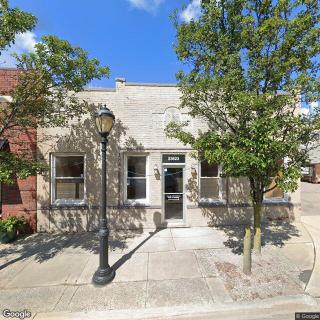
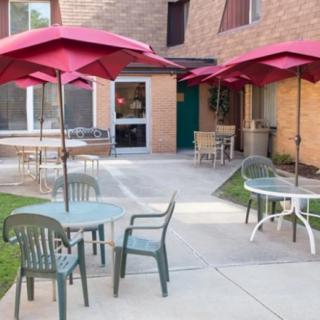
 Understanding Home Health Care: A Comprehensive Guide
 Home Health Care Demystified: A Comprehensive Guide for Families and Caregivers
 Seniors and Modern Transportation: Exploring Uber, Lyft, and Other Ride-Hailing Options