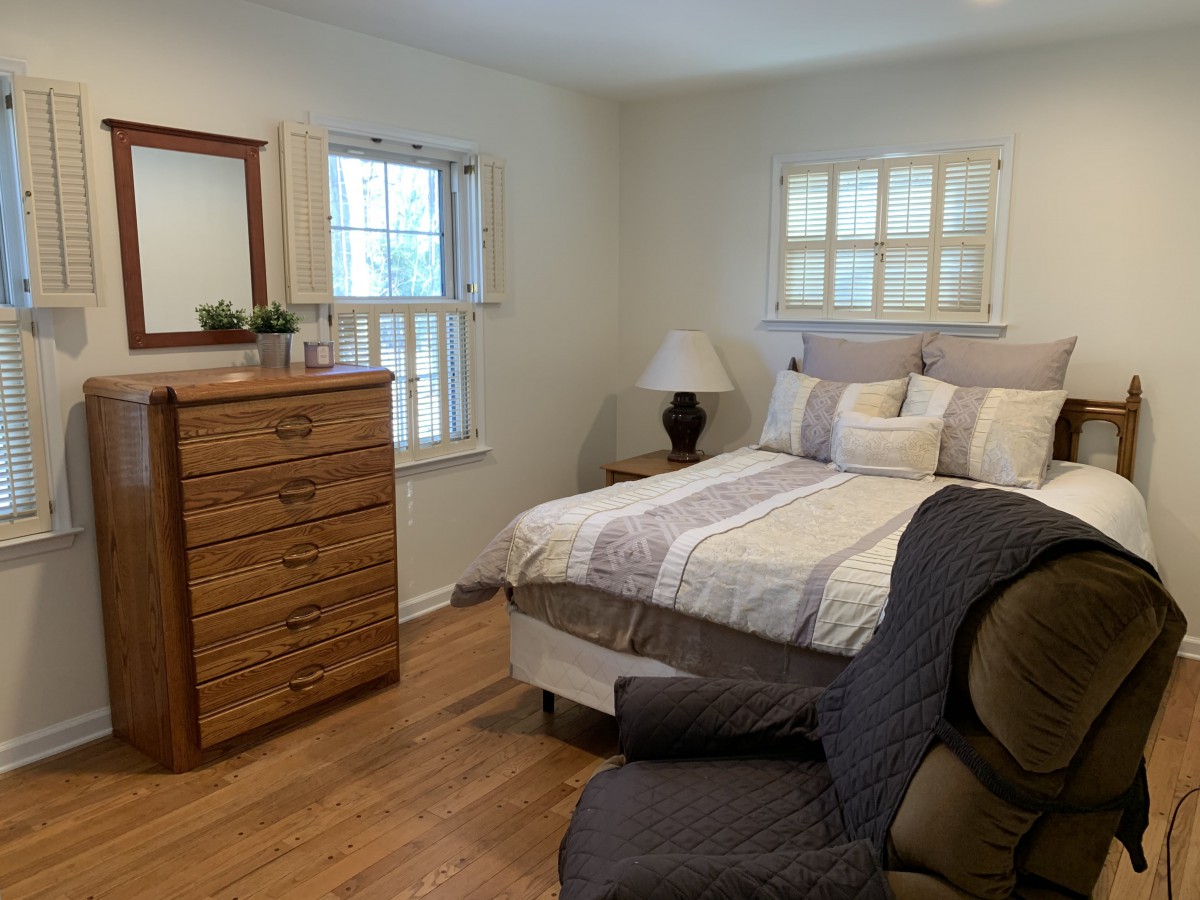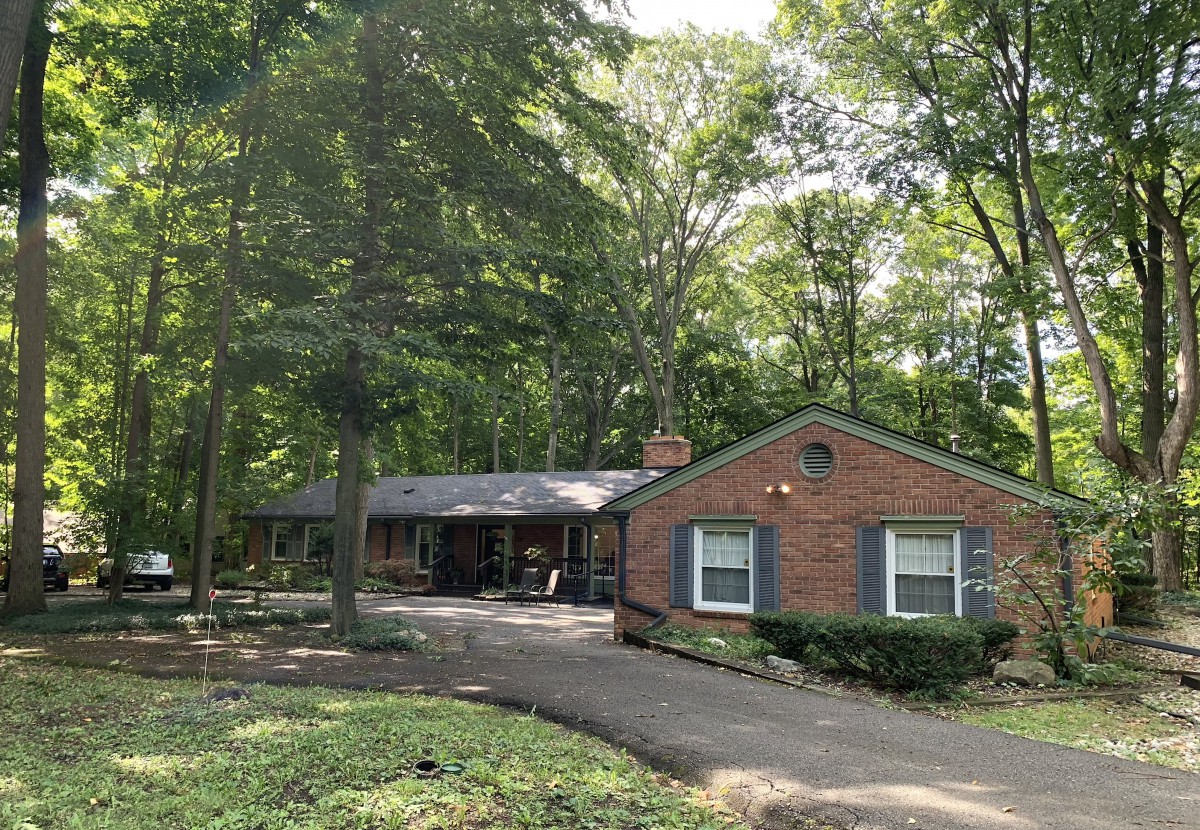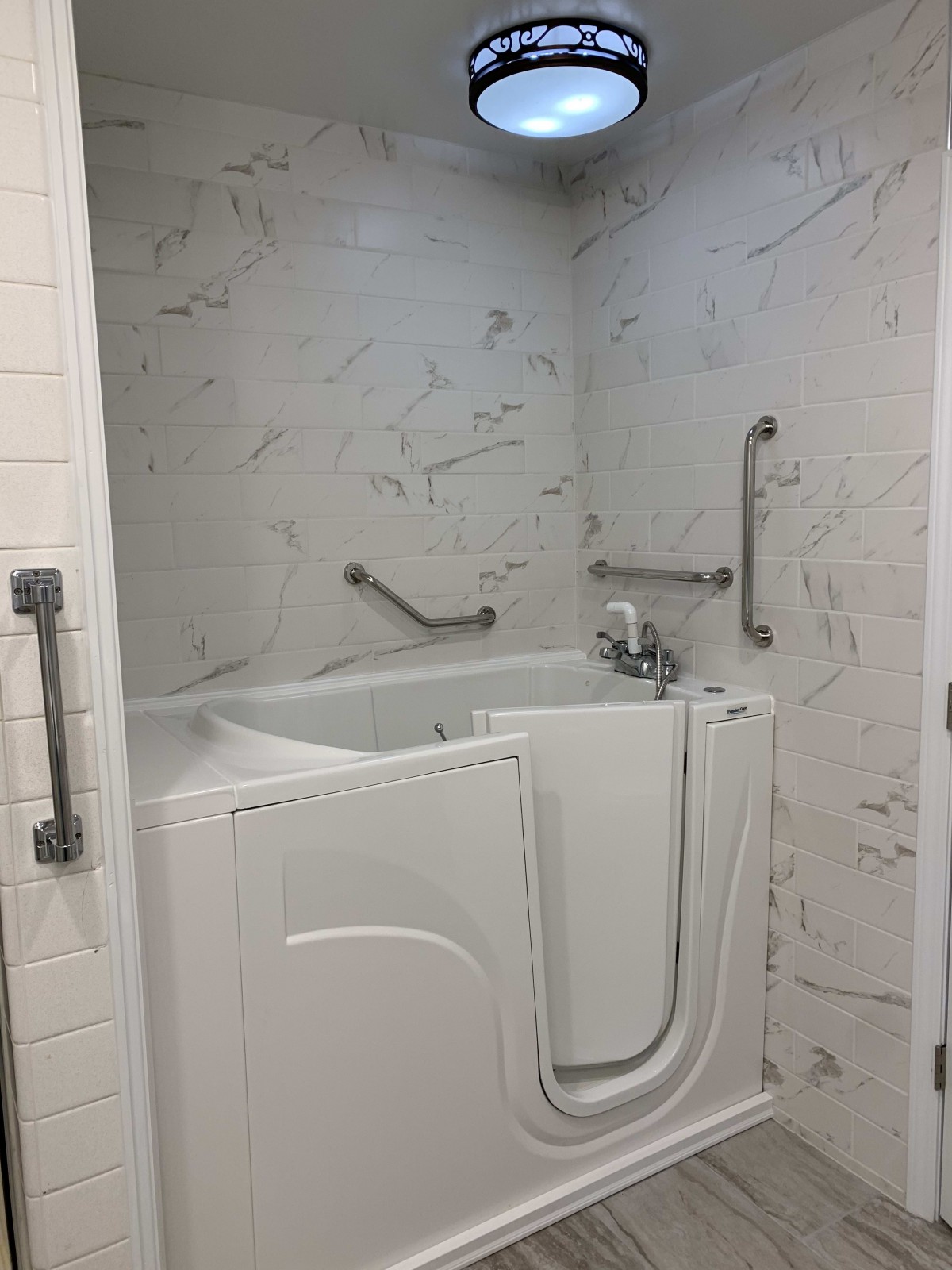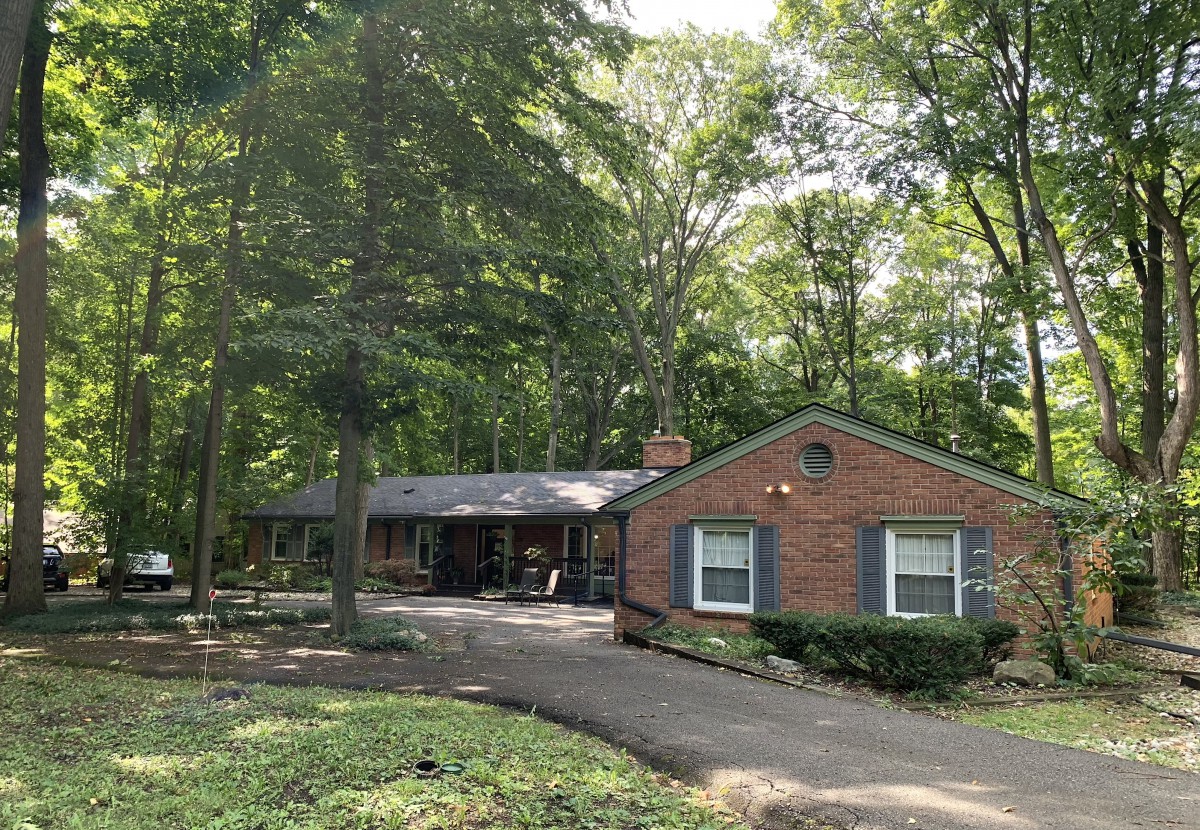
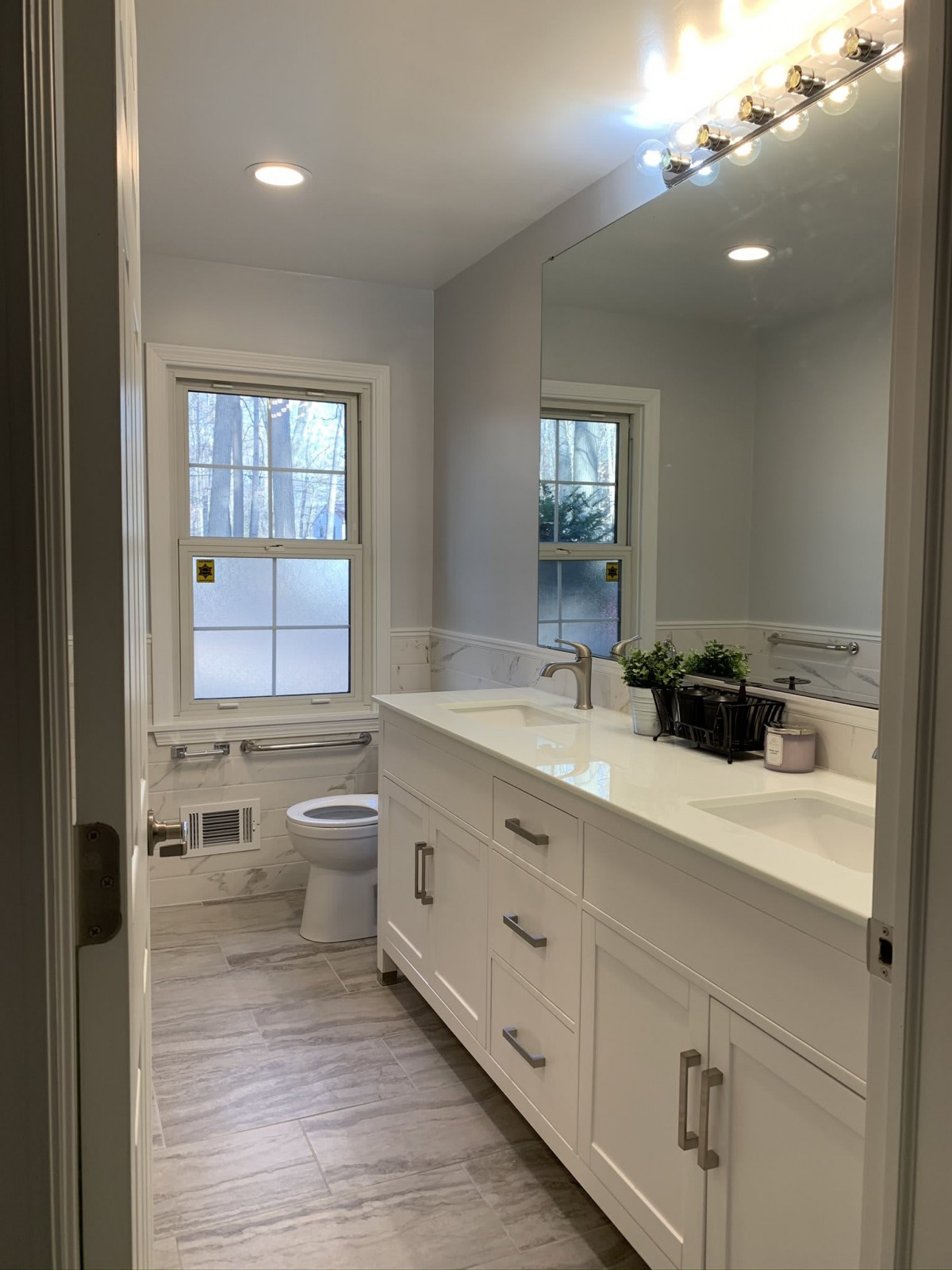
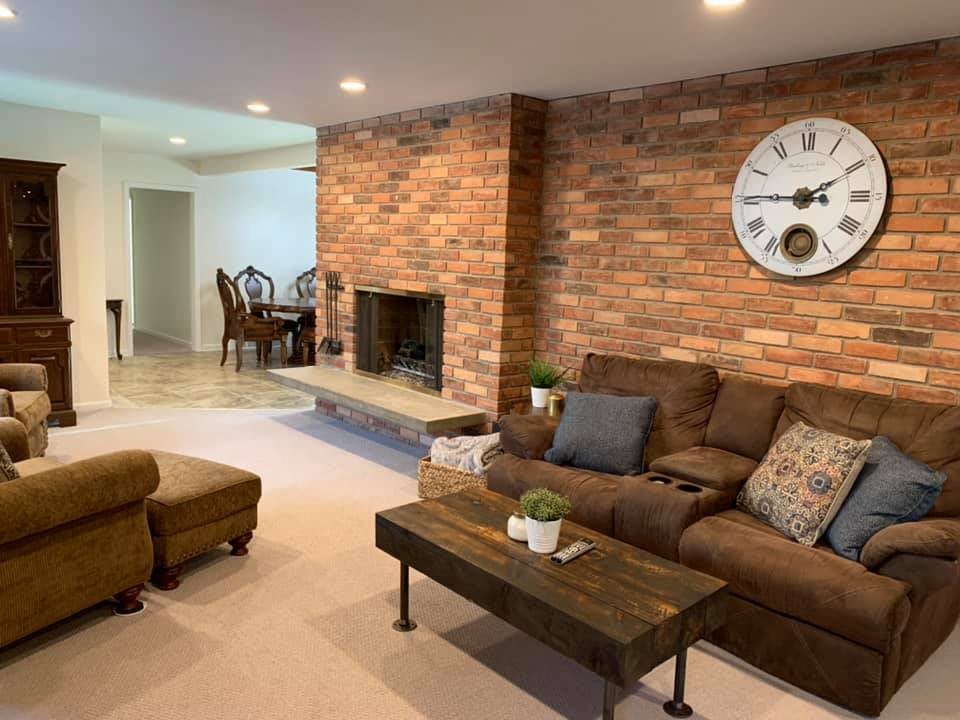
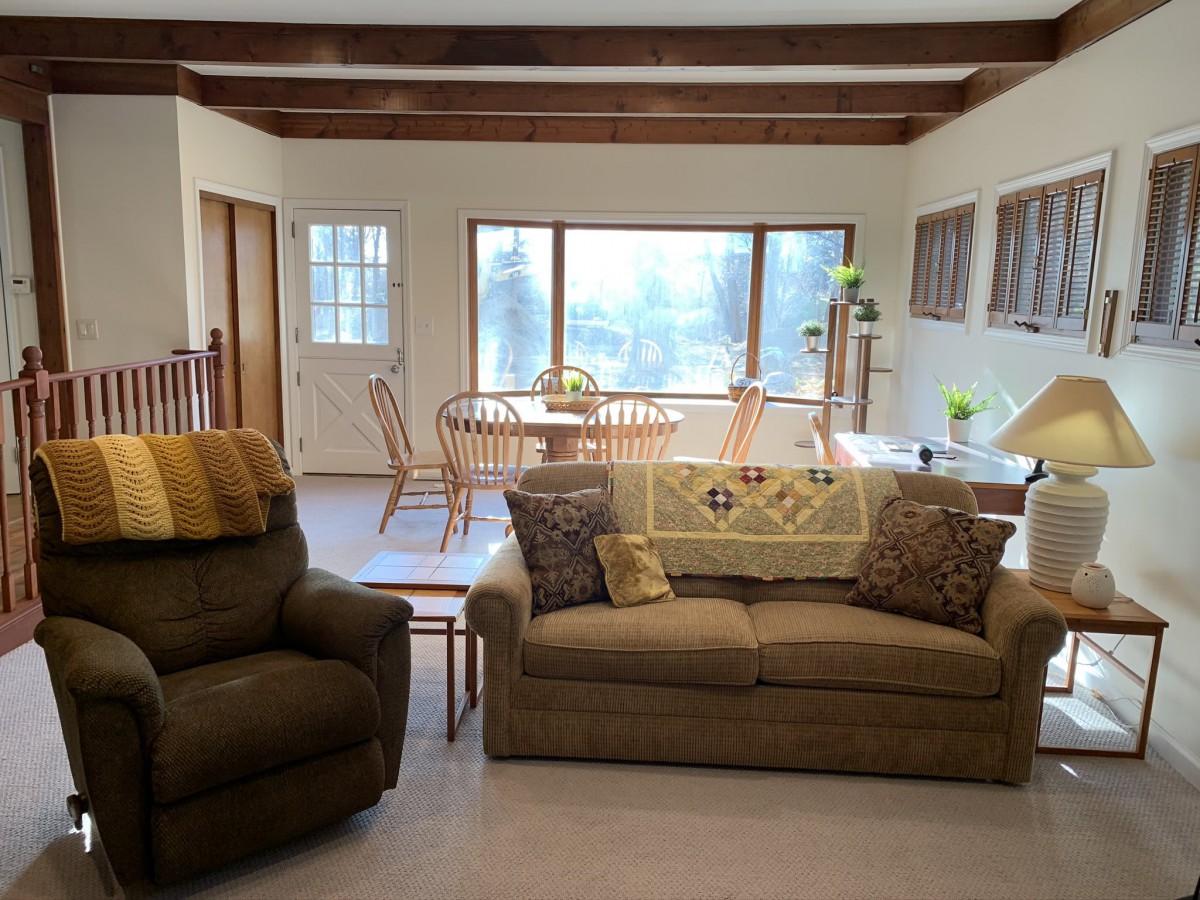
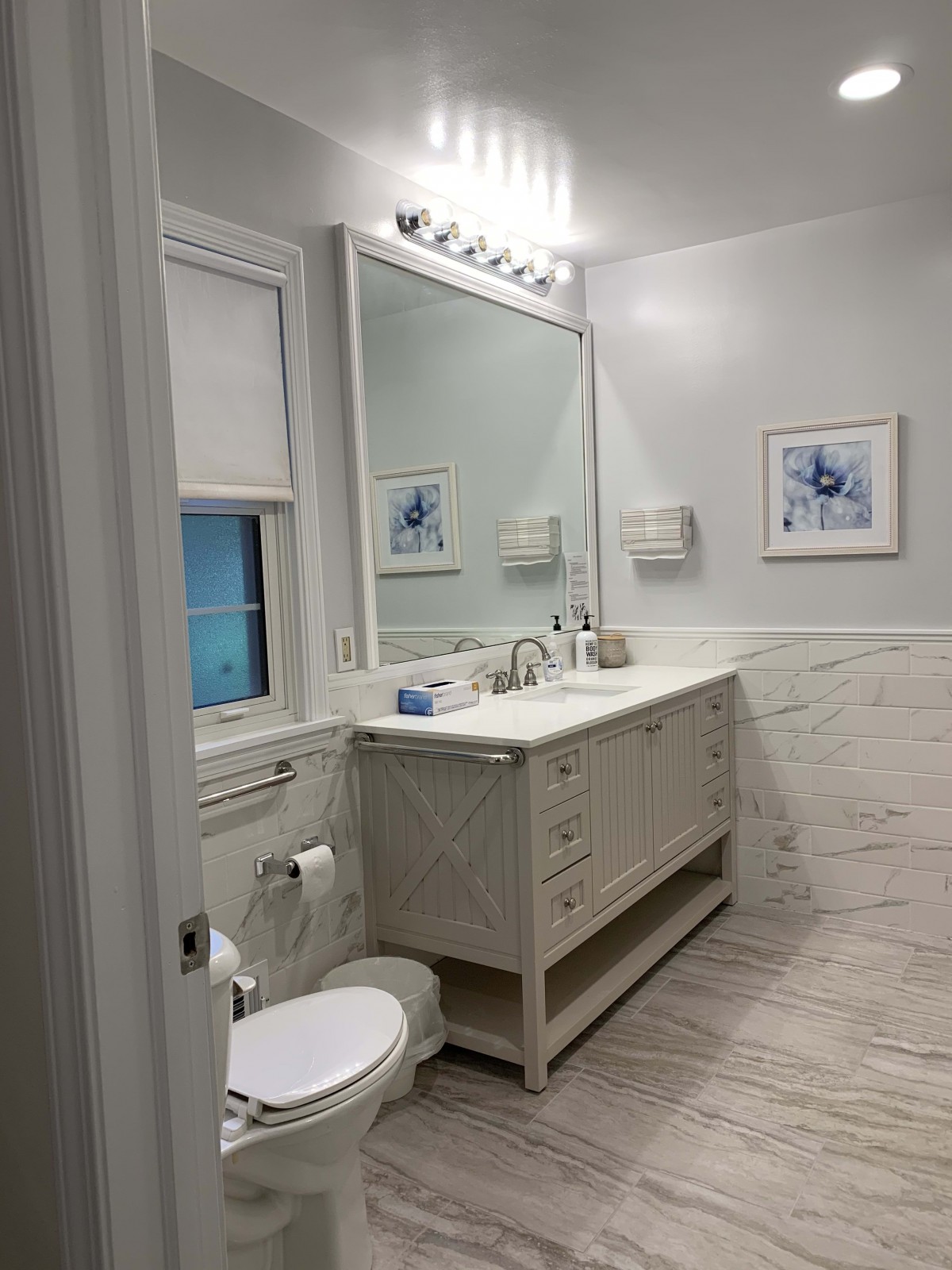
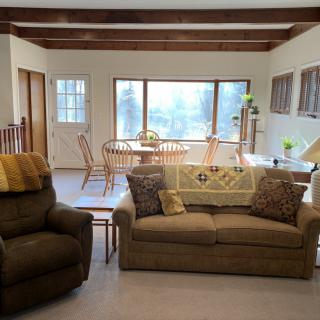
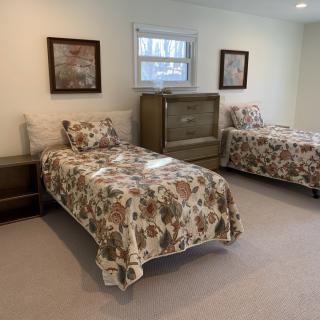
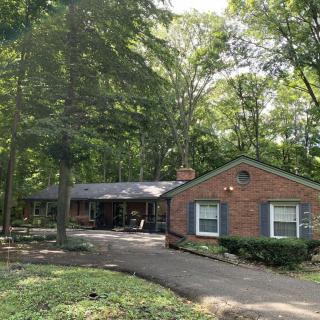
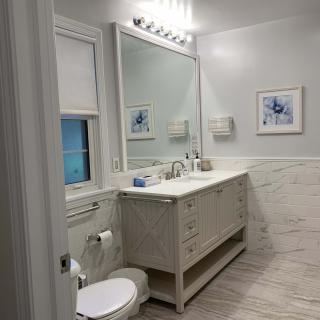
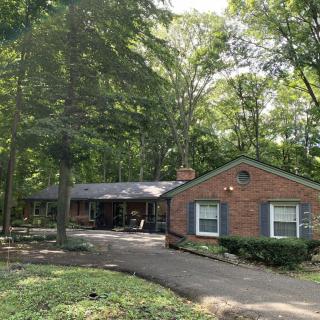

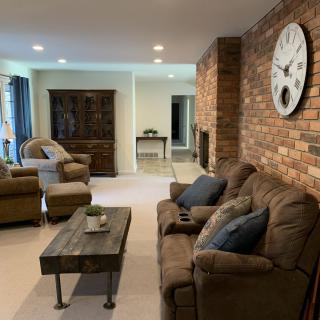
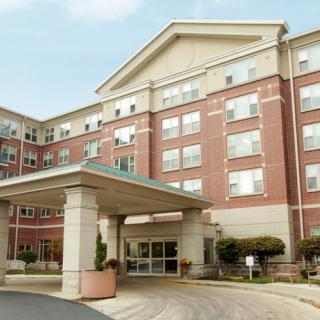
28207 Grand Duke Drive., Farmington Hills, MI 48334
For more information about senior living options: (866) 208-4318
Grand Oak Senior Living Costs & Pricing
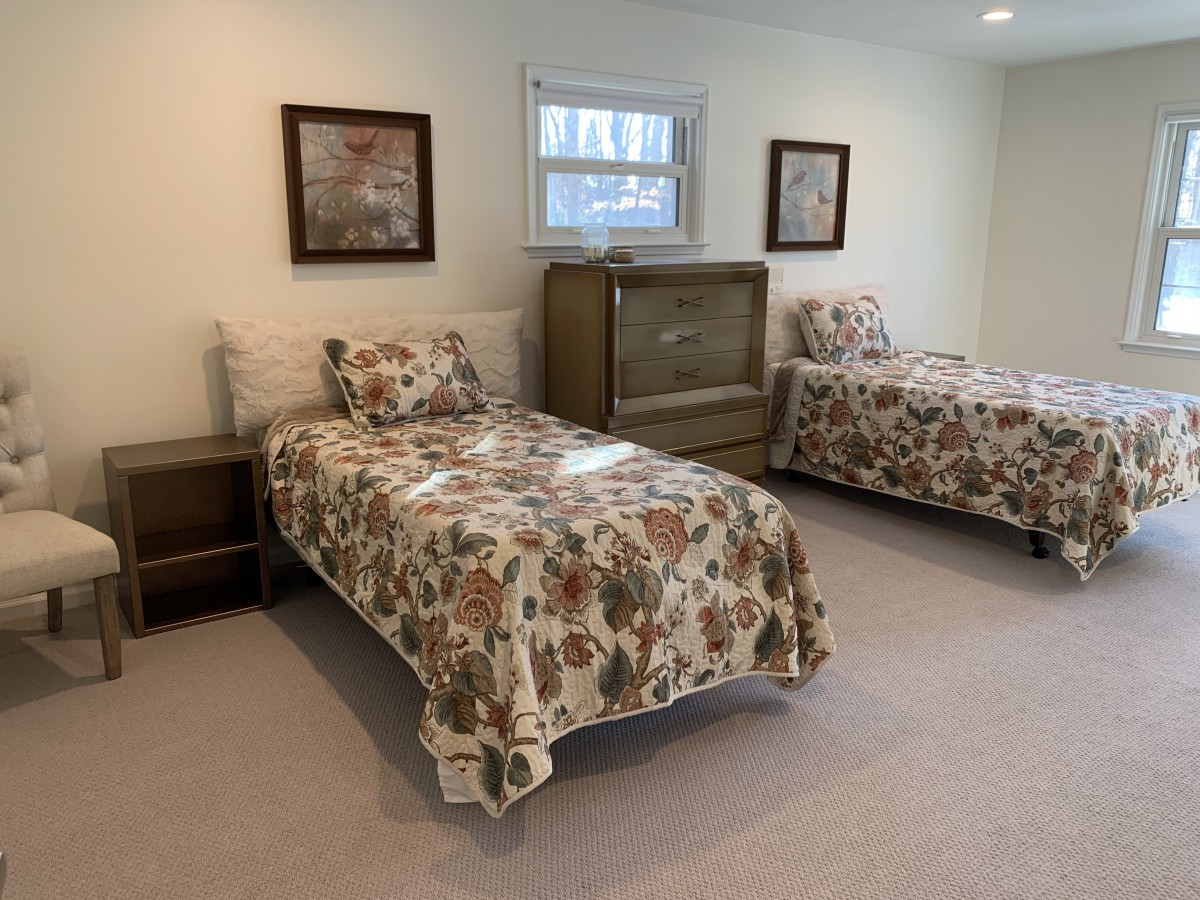
Grand Oak Senior Living offers a variety of room types that reflect competitive pricing in comparison to both Oakland County and the broader state of Michigan. For semi-private rooms, residents can expect to pay $3,500 per month, which is slightly above the average costs in Oakland County ($3,204) and across Michigan ($3,191). When it comes to private rooms, the monthly fee is set at $5,000; this is higher than the local average of $3,708 and the statewide figure of $3,675. While Grand Oak's rates may be on the higher end within the region, they are indicative of the enhanced services and amenities that contribute to a supportive and enriching environment for seniors.
| Floor plans | Grand Oak Senior Living | Oakland County | Michigan |
|---|---|---|---|
| Semi-Private | $3,500 | $3,204 | $3,189 |
| Private | $5,000 | $3,708 | $3,674 |
Assisted Living communities with a similar price nearby
-
from -$500 / mo
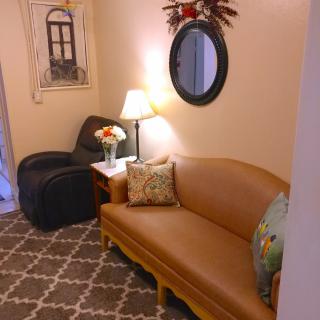
Hutcheson Manor
$3,000 to $4,500 / month3.1 miles away -
from +$300 / mo

Silverbell Manor
$3,800 / month16.8 miles away -
from -$300 / mo
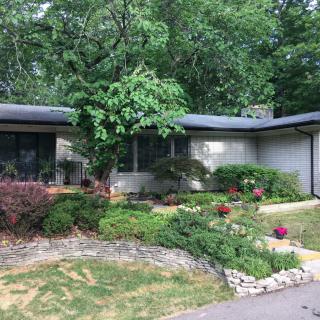
Vicky's Place
$3,200 to $6,000 / month1.7 miles away -
from +$500 / mo
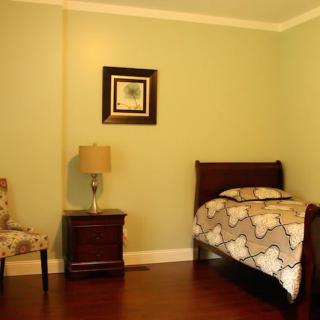
Oakland View Senior Living
$4,000 to $5,000 / month22.3 miles away -
About the same

Pineview Manor
$3,600 / month16.9 miles away
Overall Review of Grand Oak Senior Living
Pros
 Grand Oak welcomed her and provided compassionate, attentive care.
- The setting—neighborhood with large lots, trees, and wildlife—felt like paradise for her mother.
- The staff is caring and professional, with owner Vicki on top of things.
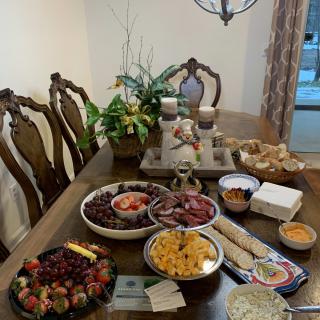
- The meals are home-cooked and nourishing.
- Grand Oak coordinates with doctors and hospice and keeps families informed at every step.
- Her last days were spent with kind, caring people in a peaceful environment, bringing the family relief.
Cons
 For 30 days, she was kept in isolation, which accentuated her dementia.
- Her condition worsened, and because the hospital and rehab were short-staffed, she was alone, confused, and desperate.
- She couldn't be visited because of the COVID restrictions.
- Because of her weakness and the lack of care, she had trouble being reached by phone.
- It was obvious the end was near, and it seemed unfair that she seemed forgotten.
- There was staff shortage, so she often went without cleanup, and the meals weren't good.
- She didn't deserve to be institutionalized and neglected in her final days.
Review
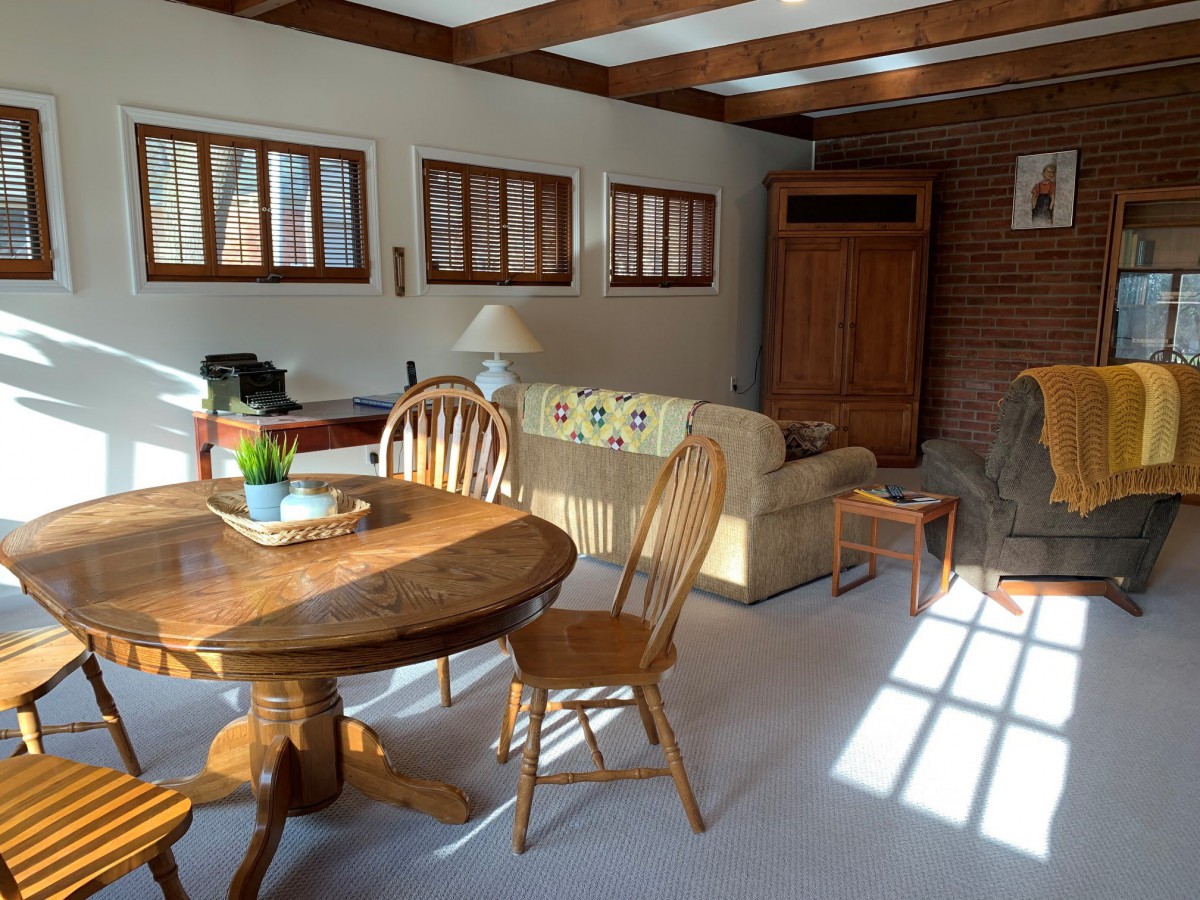
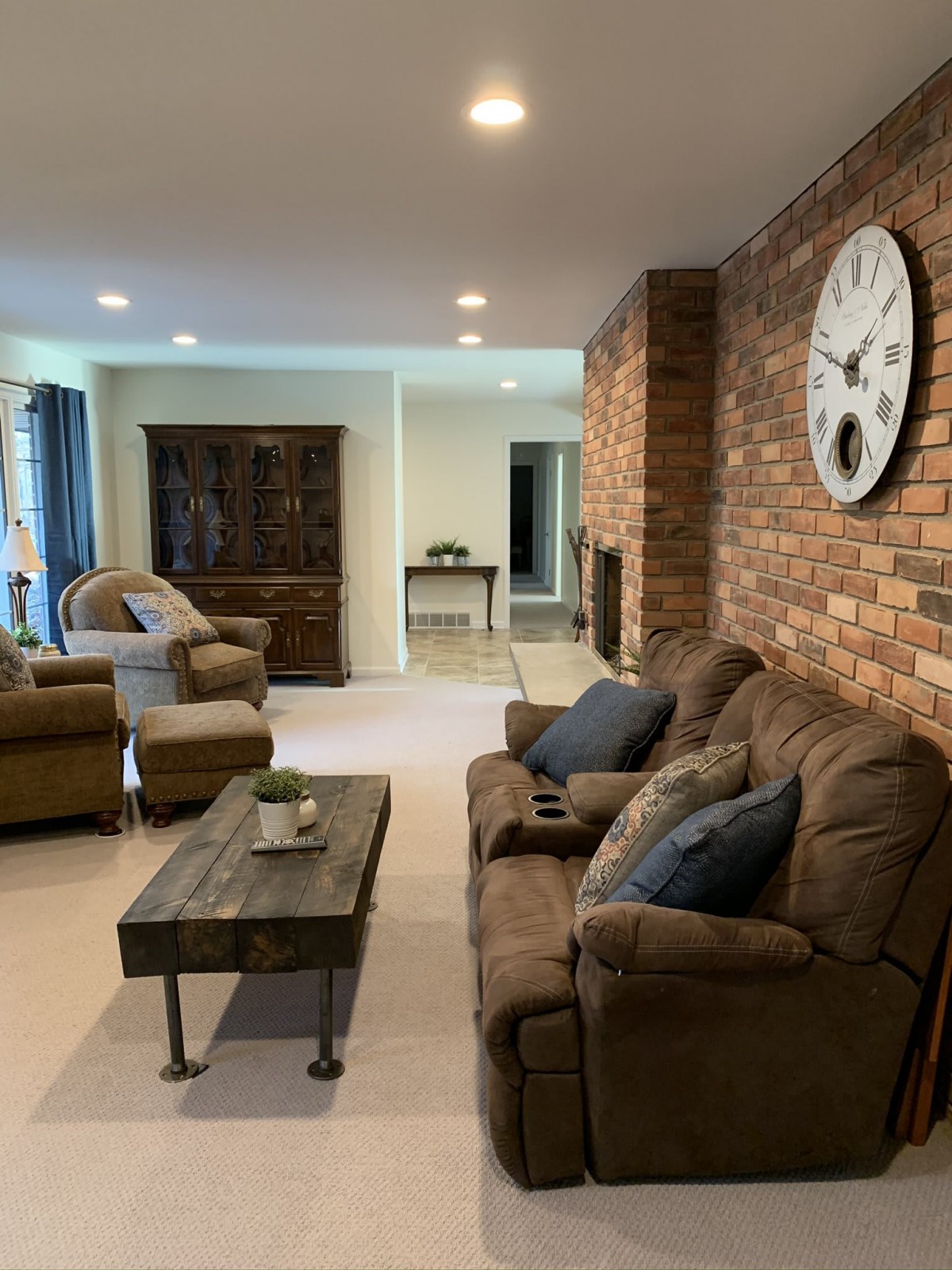
Grand Oak Senior Living in Farmington Hills is best suited for families seeking an intimate, high-touch care environment where a small, family-owned operation can deliver steady oversight, meaningful personal attention, and clear, frequent communication. The setting appeals to residents who benefit from individualized care plans, dementia-conscious routines, and a peaceful, home-like atmosphere rather than a bustling, impersonal campus. The leadership tone is evident in the hands-on approach from owners and a supervising nurse, which translates into consistent staffing, familiar faces, and a sense that one’s loved ones are known and monitored closely. For families prioritizing warmth, continuity, and a cocoon of attentive care, Grand Oak offers a compelling match.
Those weighing alternatives should consider the needs of residents who require large-scale social programming, expansive medical resources on-site, or a campus with abundant amenities and activity options. A bigger community can offer broader specialization, more varied routines, and perhaps faster access to a wider network of vendors or clinicians. If cost structure, room choices, or the desire for a bigger, more impersonal social ecosystem drive decisions, families may want to compare Grand Oak against multi-site operators or larger facilities. In short, Grand Oak shines when intimate, personalized care is paramount; options with greater footprint may better fit goals centered on quantity of activities or depth of on-site medical services.
The most persuasive pros hinge on leadership, communication, and a homey care philosophy. The facility’s small size affords staff the opportunity to deliver private, attentive care, almost “private-duty” in feel, without sacrificing professional standards. The community is described as well-run, with a competent staff and an owner who remains closely involved. A supervising nurse keeps clinical care tight, ensuring that care plans stay aligned with medical needs and that changes in status are promptly relayed to families. Meals are highlighted as home-cooked and flavorful, countering the bland stereotypes some fear about long-term care. The setting itself, tree-lined, serene, with a sense of privacy, reinforces the notion that peaceful days and dignified endings are possible here.
Another standout is the robust coordination around hospice and end-of-life planning. The review notes seamless collaboration with a familiar doctor network, with staff actively guiding families through decisions and keeping everyone informed at every step. Family members were welcomed to visit safely, and communication appeared proactive rather than reactive. These elements, clear status updates, coordinated medical oversight, and an integrated approach to comfort care, sustain trust when facing difficult transitions. In practice, this translates into less second-guessing during fragile moments and more time focusing on meaningful presence with a loved one.
The confluence of intimate care, visible leadership, and practical benefits offset most potential drawbacks one might anticipate from a small facility. While a compact campus naturally limits the sheer volume of activities and on-site specialists, the practical strengths, nurse-led clinical oversight, responsive staff, and a strong emphasis on family partnership, deliver a level of reassurance that often outweighs those limitations. Families facing dementia or chronic illness can rely on a predictable routine, compassionate caregivers, and a staff culture that treats residents with the dignity expected in a family home.
In the end, Grand Oak Senior Living stands out for families seeking a calm, intimate setting where a devoted, nurse-guided team can partner closely with families, physicians, and hospice providers. It is less about glittering amenities and more about dependable presence, personalized care, and honest, ongoing communication. For dementia care, end-of-life support, and residents who benefit from a small-community atmosphere with strong leadership, this community is a persuasive, practical choice. Prospective residents should schedule a visit, meet the care team, and discuss room options, hospice connections, and care plans to confirm that the fit is as strong in person as it appears on paper.
 6 resident community capacity
 Assisted Living
 Board and Care Home
 Activities on-site
 Air-conditioning
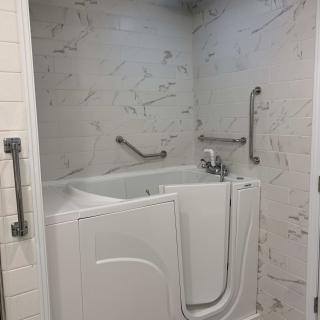
 Bath tubs
 Beautician on-site
 Cable or satellite TV
 Devotional services on-site
 Dining room
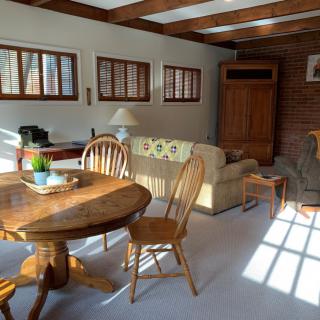
 Fully furnished
 Garden
 Handicap accessible
 Housekeeping services
 Indoor common areas
 Move-in coordination
 Outdoor common areas
 Private
 Private bathrooms
 Respite or short term stays offered
 Telephone
 Wheelchair accessible showers
 Wi-Fi/high-speed internet available
 Detroit Metropolitan-Wayne County (20 miles away)
 24-hour supervision
 Ambulatory care
 Assistance with bathing
 Assistance with dressing
 Assistance with transfers
 Diabetes diet
 Diabetic care
 High acuity care
 Incontinence care
 Meal preparation and service
 Medication management
 Special dietary restrictions
 Transportation arrangement (medical)
 Transportation to doctors appointments
 Art classes
 BBQs or picnics
 Birthday parties
 Cooking classes
 Pet-focused programs
 Stretching classes
 Trivia games
 Visiting Rabbi
 Visiting chaplain or priest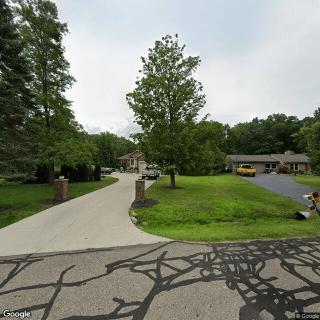



 8 Key Indicators That Suggest It May Be Time to Transition from Assisted Living to Skilled Nursing Care
 Vibrant Senior Living: A Comprehensive Guide for Active Older Adults
 When to Transition from Assisted Living to Memory Care: Key Indicators, Steps, and Finding the Right Community