Farmington Hills North II

27900 Drake Road, Farmington Hills, MI 48331

For more information about senior living options: (844) 490-3973

3.8 from 25 reviews
5 stars
17
4 stars
0
3 stars
0
2 stars
2
1 stars
6

Assisted Living

Overall Review of Farmington Hills North II

Pros

  • pro The staff at Brookdale Farmington Hills North is caring, kind, and professional.
  • pro The facility is well maintained, clean, and recently upgraded, with renovations completed smoothly.
  • pro Families report genuine interest in residents and a strong commitment to addressing their needs.
  • pro Residents adjust quickly and feel safe, happy, and at home, with engaging activities available.
  • pro The memory care program is highly regarded, trusted, and supported through challenging times.
  • pro Brookdale's management is trustworthy, competent, and responsive to concerns.
  • pro The facility offers individualized accommodations (such as gluten-free menus) and regular, clear communication with families.
  • pro Infection control practices are robust, helping minimize risk to residents and staff.
  • pro Transitions for new residents are seamless due to supportive, attentive staff.
  • pro A stable, long-tenured staff contributes to a positive, caring environment.

Cons

  • pro One reviewer warned that moving a loved one there would be a regret and labeled the facility as horrible and not to be used.
  • pro A reviewer stated that residents wore dirty clothes and smelled bad, that the facility charged high prices for subpar services, and that belongings were misplaced.
  • pro Understaffing and high staff turnover were cited as undermining care, described as neglect and danger.
  • pro There were reports of delayed responses to calls for help and safety incidents, including a fellow resident wandering into another resident's room.
  • pro A reviewer claimed there was no strategy to help dementia patients and that showers were inadequate.

Review

Brookdale Farmington Hills North evokes a broad spectrum of experiences from families and loved ones, ranging from glowing endorsements of the care, culture, and safety to pointed criticisms about staffing and day-to-day operations. Taken together, the collection of reviews paints a picture of a facility that many families consider a strong, reliable home for memory care and assisted living, while also underscoring that experiences can be highly variable and heavily dependent on staff stability, communication, and individual expectations.

One of the clearest and most heartfelt testimonials comes from Gwen Cook, who described arriving at Brookdale Farmington Hills North with her grandmother and immediately recognizing what she valued in a senior living environment: a well-maintained, organized setting that pays attention to detail and prioritizes resident safety. She recounts meeting with Dan Spencer, the Sales Manager, whose responsiveness and clarity helped her decide to choose Brookdale over other options. Cook goes on to say that she subsequently engaged Dan about her brother-in-law as well, and that he provided the same thorough, thoughtful assistance. In her view, both family members became residents and have benefited from staff who display genuine interest in residents and families, respect, and a willingness to ensure needs are addressed. Her message is one of optimism and gratitude for the people she considers critical to her relatives' wellbeing.

Not all voices align with that buoyant experience. A strong negative review asserts that placing a loved one at Brookdale Farmington Hills North would be a regrettable decision, citing dirty clothing, odors, high costs with "unmatched services," and misplacement of belongings. The reviewer uses emphatic language - calling the facility "horrible," accusing management of laziness, and urging others to avoid the place. This perspective stands apart from many others in the collection and seems directed at a specific incident or pattern of poor oversight, emphasizing a perception of neglect and financial concern that contrasts sharply with the more hopeful accounts elsewhere.

On the other hand, several reviews celebrate Brookdale Farmington Hills North as a best-in-class memory care option. One family describes moving a wife from another memory care facility to Brookdale and finding the staff exceptionally supportive; they note longtime staff members who remained in place and continued to provide loving, steady care to their mother. They highlight the facility's ability to foster meaningful connections, the staff's attentiveness to specific needs (such as accommodating a gluten-free diet), and the abundance of activities that keep residents engaged. Another reviewer emphasizes a seamless transition for their mother during the move, praising the staff for easing the process and helping her build new social ties. The sense is that Brookdale's environment - calm, clean, and resident-centered - can feel like home, especially when the staff are consistent and genuinely invested.

Concerns about staffing and caregiving practices also appear in several reviews. One reviewer points to "the labor problem" and rotating doors of health care workers as a core issue that can undermine care. They describe a troubling episode in which their father-in-law was left sleeping much of the day and wore dirty clothes, and another where a dementia patient's needs - such as assistance with meals - were not consistently addressed. The reviewer expresses frustration with the lack of a clear strategy for dementia care and criticizes shower-related issues, ultimately suggesting that families consider private homes as alternatives and warning against certain referral services. This account underscores a real tension in long-term care: reliable, experienced staff who know residents well versus high turnover and the strains it can impose.

Other testimonials reinforce the positive, emphasizing how Brookdale Farmington Hills North has persisted through the challenges of the past few years, including COVID-19. Several families describe staff as friendly, attentive, and respectful, with communication that keeps families informed and involved. One reviewer notes that the community adapted to pandemic restrictions and now offers ongoing activities in both the facility and the broader community. A recurring theme is that, despite the extraordinary demands of the era, Brookdale's team remained committed to safety, infection control, and keeping residents engaged. Commentators describe the staff as trustworthy, competent, and compassionate, capable of maintaining a warm, familial atmosphere while upholding rigorous safety standards.

The most resounding praise centers on the consistency of care and the sense that Brookdale Farmington Hills North can feel like a true home for residents facing memory-related challenges. Several accounts mention the facility's upgrades and cleanliness, the warm handling of special dietary needs, and the way activities and social opportunities help residents maintain a sense of normalcy and joy even amid dementia. In one extended commendation, a caregiver emphasizes the importance of infection control during the pandemic and lauds the staff for their ongoing attention to safety, ultimately suggesting that, in the eyes of this reviewer, Brookdale stands out among memory care options. A striking concluding remark from a witness to the care culture: if they ever become disabled by dementia, they would choose a Brookdale home, which they consider the highest praise.

Taken together, the reviews present Brookdale Farmington Hills North as a facility capable of delivering excellent, compassionate care inside a well-run environment, with many families praising staff dedication, safety practices, and opportunities for engagement. Yet the collection also reveals legitimate concerns about staffing consistency, day-to-day attentiveness, and the need for ongoing quality control in some cases. The message to readers is clear: Brookdale Farmington Hills North has a track record of many families feeling grateful and secure about their loved ones' care, especially when staff maintain continuity and communicate effectively; however, prospective residents and families should conduct thorough visits, speak to a range of staff and residents, and weigh the value of stability and personal attention against any concerns about staffing and overhead. This is a community where the care experiences can be deeply rewarding, but where the reality of long-term care - like anywhere else - depends as much on the people on the ground as on the building and the program.

Features

Housing

  • 32 resident community capacity 32 resident community capacity

Types of Care

  • Assisted Living Assisted LivingAssisted living facilities provide crucial support and care for seniors who may need help with daily tasks such as medication management, bathing, and meal preparation. These communities offer a safe and comfortable environment where seniors can maintain their independence while receiving the assistance they need to thrive in their golden years.

Amenities

  • Beauty salon Beauty salonBeauty salons are important for seniors because they provide a space for them to feel pampered, socialize, and maintain their personal grooming and hygiene. Regular visits to a beauty salon can help boost seniors' self-esteem and overall well-being.
  • Cable or satellite TV Cable or satellite TVCable or satellite TV is important for seniors because it provides entertainment, news, and companionship, helping to combat loneliness and boredom. It also offers a wide range of programming options tailored to different interests and preferences.
  • Dining room Dining roomDining rooms are important for seniors as they provide a space for socialization, connection, and nutritious meals. They offer opportunities for residents to bond over shared meals, foster a sense of community, and promote healthy eating habits. Dining rooms also ensure that seniors have access to well-balanced meals tailored to their dietary needs and preferences.
  • Fully furnished Fully furnishedFully furnished senior living communities are important for seniors because they provide convenience, comfort, and a hassle-free moving experience. Seniors can easily settle into their new living space without the stress of having to buy and move furniture. This allows them to focus on enjoying their new home and community.
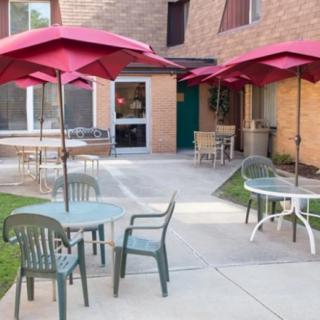
  • Garden GardenGardens are important for seniors as they provide a peaceful and therapeutic environment for relaxation, physical activity, and socialization. Being in nature has been shown to reduce stress, improve mood, and promote overall well-being. Gardens also offer opportunities for seniors to engage in gardening activities, which can improve mobility, flexibility, and cognitive function. Additionally, gardens create a sense of community and connection with others who share a passion for plants and outdoor spaces.
  • Housekeeping services Housekeeping servicesHousekeeping services are important for seniors because they help maintain a clean and safe living environment, promote independence, and reduce the risk of accidents or illnesses. Additionally, having assistance with household chores can alleviate physical strain and allow seniors to focus on other aspects of their well-being.
  • Kitchenette KitchenetteKitchenettes are important for seniors living in senior living communities because they provide the convenience and independence of being able to prepare simple meals and snacks in the comfort of their own living space. This can help promote a sense of autonomy and well-being for seniors, allowing them to maintain some level of control over their dietary choices and daily routines.
  • Move-in coordination Move-in coordinationMove-in coordination is important for seniors because it helps ease the transition into their new living environment. It ensures that all logistics, such as packing, organizing movers, and setting up utilities are taken care of, allowing seniors to focus on settling in and adjusting to their new home. Having a smooth move-in process can alleviate stress and anxiety, making the transition smoother and more enjoyable for seniors.
  • Outdoor space Outdoor spaceOutdoor spaces are important for seniors as they provide opportunities for physical activity, social interaction, exposure to natural light and fresh air, and a sense of connection to nature. Having access to outdoor spaces can improve overall well-being and quality of life for older adults living in senior communities.
  • Restaurant-style dining Restaurant-style diningRestaurant-style dining is important for seniors because it allows them to enjoy delicious, nutritious meals in a social and upscale setting. This enhances their dining experience, promotes healthy eating habits, and fosters socialization with fellow residents, ultimately contributing to their overall well-being and quality of life.
  • Small library Small librarySmall libraries are important for seniors as they provide access to a variety of reading materials, including books, newspapers, and magazines. This can help stimulate their minds, keep them engaged, and provide a sense of community through book clubs and other social activities. Additionally, reading has been shown to improve cognitive function and overall mental well-being in older adults.
  • Telephone TelephoneTelephones are important for seniors as they provide a lifeline for communication with loved ones, emergency services, and healthcare providers. They offer a sense of security and independence, enabling seniors to stay connected and access assistance when needed.
  • Wi-Fi/high-speed internet available Wi-Fi/high-speed internet availableWi-Fi/high-speed internet is important for seniors to stay connected with loved ones, access online resources, and participate in virtual activities to combat feelings of loneliness and isolation. It also allows them to easily manage healthcare needs, access entertainment, and engage in lifelong learning opportunities.

Transportation

  • Detroit Metropolitan-Wayne County (20 miles away) Detroit Metropolitan-Wayne County (20 miles away)

Care Services

  • 24-hour call system 24-hour call system24-hour call systems are important for seniors because they provide peace of mind and immediate assistance in case of emergencies. This technology ensures that help is always available, promoting safety and security for elderly individuals living alone or in assisted living facilities.
  • 24-hour supervision 24-hour supervision24-hour supervision is important for seniors to ensure their safety, well-being, and access to immediate assistance in case of emergencies or health issues. This constant support provides peace of mind for both seniors and their loved ones, allowing them to age in place with dignity and security.
  • Activities of daily living assistance Activities of daily living assistanceActivities of daily living assistance are important for seniors because they provide essential support with tasks such as eating, bathing, dressing, and mobility. This assistance helps seniors maintain their independence, dignity, and overall quality of life as they age.
  • Assistance with bathing Assistance with bathingAssistance with bathing is crucial for seniors as it helps maintain personal hygiene, prevents infections, and ensures their overall well-being and comfort. It also provides a sense of dignity and independence for seniors who may struggle with this task on their own.
  • Assistance with dressing Assistance with dressingAssistance with dressing is important for seniors because it helps maintain their independence, promotes personal hygiene, prevents accidents and injuries, and improves overall quality of life. This service ensures that seniors can continue to dress comfortably and confidently, despite any physical limitations they may have.
  • Assistance with transfers Assistance with transfersAssistance with transfers is crucial for seniors as it helps prevent falls and injuries, maintains their independence, and ensures they can safely navigate their living environment. It also provides peace of mind for both seniors and their loved ones.
  • Diabetes diet Diabetes dietA diabetes diet is crucial for seniors as it helps manage blood sugar levels, reduce risks of complications, and improve overall health and well-being. By following a balanced and nutritious diet tailored to their specific needs, seniors can better control their diabetes and enhance their quality of life.
  • Meal preparation and service Meal preparation and serviceMeal preparation and service are crucial for seniors as they may have limited mobility or energy to cook nutritious meals. Having access to healthy and convenient food options can ensure they are getting the proper nutrition needed to maintain their overall health and well-being.
  • Medication management Medication managementMedication management is crucial for seniors to ensure they are taking the right medications at the correct dosages and times. This helps prevent adverse drug interactions, reduces the risk of medication errors, and promotes overall health and well-being. Proactive management also allows for adjustments as needed based on changing health conditions or new prescriptions.
  • Mental wellness program Mental wellness programMental wellness programs are essential for seniors as they promote cognitive stimulation, emotional support, and social engagement. These programs help prevent isolation, depression, and cognitive decline, ultimately enhancing the overall quality of life for older adults.
  • Special dietary restrictions Special dietary restrictionsSpecial dietary restrictions are important for seniors because age-related changes in metabolism and health conditions can make it difficult for their bodies to process certain foods. By following a diet tailored to their specific needs, seniors can maintain their overall health and well-being, manage chronic conditions, and reduce the risk of complications such as malnutrition or food interactions with medications.
Dining

  • Diabetes diet Diabetes dietA diabetes diet is crucial for seniors as it helps manage blood sugar levels, reduce risks of complications, and improve overall health and well-being. By following a balanced and nutritious diet tailored to their specific needs, seniors can better control their diabetes and enhance their quality of life.
  • Special dietary restrictions Special dietary restrictionsSpecial dietary restrictions are important for seniors because age-related changes in metabolism and health conditions can make it difficult for their bodies to process certain foods. By following a diet tailored to their specific needs, seniors can maintain their overall health and well-being, manage chronic conditions, and reduce the risk of complications such as malnutrition or food interactions with medications.

Activities

  • Community-sponsored activities Community-sponsored activitiesCommunity-sponsored activities are important for seniors as they provide opportunities for social interaction, mental stimulation, and physical activity. These activities can help improve overall well-being, combat loneliness and isolation, and promote a sense of belonging and purpose among older adults.
  • Resident-run activities Resident-run activitiesResident-run activities are important for seniors as they encourage social interaction, creativity, and a sense of autonomy. These activities empower seniors to stay engaged and active in their community while fostering meaningful connections with their peers.
  • Scheduled daily activities Scheduled daily activitiesScheduled daily activities are important for seniors because they provide structure, socialization, mental stimulation, and physical activity. Engaging in regular activities can improve overall well-being and quality of life for seniors living in a community setting.

Description

Farmington Hills North II is an assisted living community located in Farmington Hills, MI. Our community offers a range of amenities and care services to ensure the comfort and well-being of our residents.

Our apartments are fully furnished and come with cable or satellite TV, Wi-Fi/high-speed internet, and a small library for leisurely reading. Each apartment also has a kitchenette for those who prefer to prepare their own meals, although our restaurant-style dining option is also available for those who enjoy communal dining.

We provide 24-hour supervision and assistance with activities of daily living such as bathing, dressing, and transfers. Our dedicated staff also manages medication and provides special dietary accommodations including diabetes diets and restrictions to meet individual needs.

Residents can participate in resident-run activities and scheduled daily activities that cater to their interests and preferences. Additionally, there are six cafes, four parks, 16 pharmacies, eight physicians' offices, 18 restaurants, two places of worship, two theaters, and one hospital nearby for convenience.

At Farmington Hills North II, we strive to create a warm and supportive environment where residents can live comfortably while receiving the care they need.

Nearby Places of Interest

Parks

  • Woodland Hills Nature Park (0.8 miles)
  • Karner Farm (3.7 miles)
  • Flanders Park (3.9 miles)
  • Liberty Park Playground (4.6 miles)
  • Rotary Park (5.1 miles)
  • Clara Miller Park (6.6 miles)
  • Wixom Wetlands (7.6 miles)

Cafes

  • Tim Hortons (1 miles)
  • Starbucks (2.2 miles)
  • Starbucks (4.1 miles)
  • Panera Bread (4.2 miles)
  • Starbucks (4.5 miles)
  • Panera Bread (4.7 miles)
  • Starbucks (5.7 miles)

Restaurants

  • Kerby's Koney Island (1.2 miles)
  • 2 Rose's Family Restaurant (2.9 miles)
  • McDonald's (3.2 miles)
  • The Cheesecake Factory (3.6 miles)
  • Sedona Taphouse (3.7 miles)
  • McDonald's (3.8 miles)
  • Uptown Grill (3.8 miles)

Pharmacies

  • CVS Pharmacy (1.2 miles)
  • Rite Aid (2 miles)
  • Henry Ford Pharmacy - Columbus (2.1 miles)
  • Walgreens (2.7 miles)
  • CVS Pharmacy (2.8 miles)
  • Walgreens (2.8 miles)
  • CVS Pharmacy (3.2 miles)

Physicians

  • Michigan Institute For Neurological Disorders (2 miles)
  • Millenium Diagnostic Center (3 miles)
  • Meadowbrook Medical Center (3.2 miles)
  • Beaumont Medical Center - West Bloomfield (3.2 miles)
  • Providence Medical Center (3.8 miles)
  • Beaumont Midwest Internal Medicine Associates (4.3 miles)
  • Asthma & Allergic Disease Center (4.4 miles)

Hospitals

  • Henry Ford West Bloomfield Hospital (2.7 miles)
  • Botsford Hospital (5.3 miles)
  • Providence Park Hospital (6.3 miles)
  • Trinity Health Wound Care - Livonia Hospital (7.2 miles)

Places of Worship

  • Brightmoor Christian Church (2.9 miles)
  • Church of the Holy Family (3.6 miles)
  • Ward Church (6.2 miles)

Theaters

  • Riviera Cinema (4.1 miles)
  • Emagine Novi (4.5 miles)
  • Phoenix Theatres Laurel Park Place (5.9 miles)

Frequently Asked Questions

Where is Farmington Hills North II?

Nearby Communities

Related Resources

  • activities of daily livingComprehensive Insights into Activities of Daily Living (ADLs) and Their Assessment

    Activities of Daily Living (ADLs) are fundamental tasks vital for an individual's independence, particularly in older adults over 85, and include functions like bathing and dressing; assessing ADLs alongside Instrumental Activities of Daily Living (IADLs) helps determine the level of required assistance due to age-related health challenges. Tailored support plans, involving family and community resources, are essential for maintaining dignity and autonomy in assisted living environments.

  • elderly parent refuses assisted livingGuiding Elderly Parents Who Refuse Assisted Living: 6 Practical Steps

    Family caregivers face emotional, legal, and practical challenges when elderly parents refuse assisted living, often due to fears of losing autonomy. Open conversations and professional assessments can help address these concerns while exploring alternatives and ensuring safety, potentially leading to legal guardianship if necessary.

  • luxury assisted livingYour Comprehensive Guide to Luxury Assisted Living: Elevated Facilities, Amenities, and Costs

    Luxury assisted living offers high-quality senior care in a resort-like environment that combines essential medical support, gourmet dining, and personalized services to enhance residents' independence and well-being. These upscale facilities emphasize holistic health and community-building through customized care plans and social activities, catering to the growing demand for enriched senior living experiences despite higher costs.