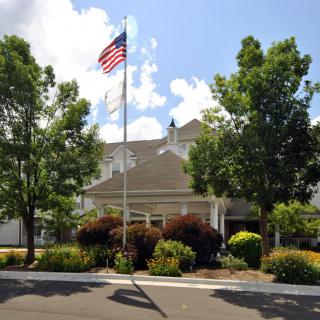
Maplewood Care Home in Eaton Rapids, MI

Save
Maplewood Care Home

Maplewood Care Home in Eaton Rapids, MI

11300 Columbia, Eaton Rapids, MI 48827

For more information about senior living options: (844) 490-3973

4.4 from 9 reviews
5 stars
7
4 stars
1
3 stars
0
2 stars
0
1 stars
1

Assisted Living Board and Care Home Memory Care Respite Care

Maplewood Care Home Costs & Pricing

At Maplewood Care Home, the monthly cost for a private room is $2,700, which stands out as a more economical option compared to both Jackson County's average of $3,755 and the state of Michigan's average rate of $3,675. This competitive pricing reflects Maplewood's commitment to providing quality care while making it accessible for families looking for affordable long-term care solutions. The substantial savings compared to local and state averages may make Maplewood an appealing choice for those seeking a comfortable and supportive environment without compromising on essential services and amenities.

Floor plansMaplewood Care HomeJackson CountyMichigan
Private$2,700$3,755$3,674

What level of care are you interested in?

Assisted Living

Memory Care

Independent Living

Skilled Nursing Facility

Continuing Care Retirement Community (CCRC)CCRC

Other


Request a tour at Maplewood Care Home

    Overall Review of Maplewood Care Home

    Pros

    • pro The facility is very well kept and clean.
    • pro The residents are consistently clean and well cared for.
    • pro Homemade meals and desserts are served daily.
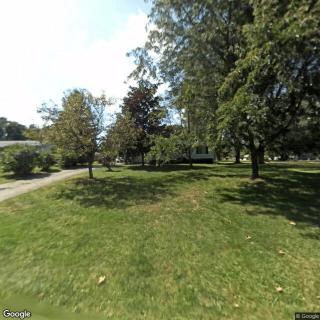
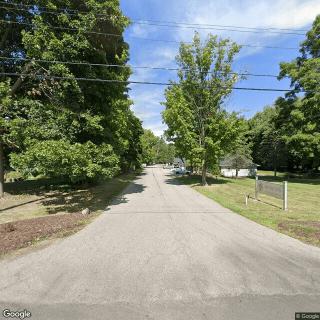
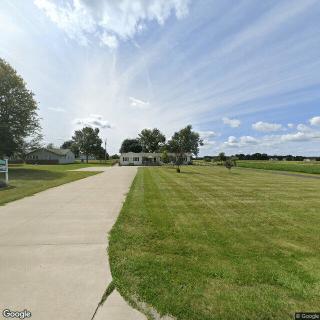
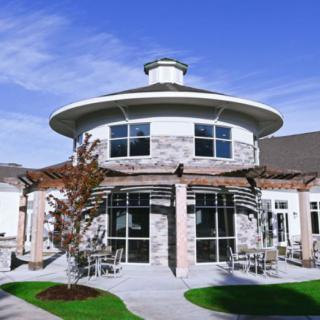
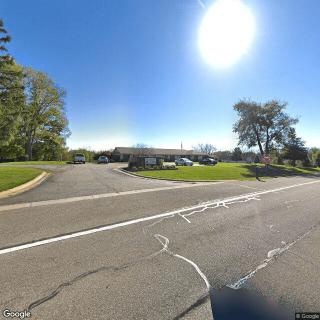
    • pro Maplewood offers a rural setting with nice views and a clean, well-maintained environment.
    • pro The dining area feels like a home dining room with a large table.
    • pro Everything about the place is great.

    Cons

    • pro Management is terrible and very prejudiced.
    • pro The people working are terrible.
    • pro Coni, the so-called boss, has friends and family working, just a lot of drama.
    • pro All kids with no skills.

    Review

    Maplewood Care Home in Eaton Rapids is best suited for seniors who prize a warm, home-like atmosphere, consistent cleanliness, and meals prepared in-house. The property sits in a rural setting with pleasant views, and the care rhythm feels more like a family residence than a sterile facility. Private rooms are available, but bathrooms are shared, a factor that matters for residents who insist on complete daily privacy. The dining room emphasis - a home-style space off the kitchen with one large table - creates a sense of community and familiarity. For families prioritizing dependable grooming, daily homemade meals, and a low-key, socially comfortable environment, Maplewood presents a clear fit.

    Those who should consider alternatives include individuals for whom private bathroom access is non-negotiable, or families seeking highly transparent, consistently stable management and a staff culture with minimal drama. One review raises concerns about prejudiced leadership and workplace tensions, signaling potential friction behind the scenes. If steady administrative leadership and a predictable, conflict-free atmosphere are essential, a different community with a more streamlined governance structure may be preferable. Additionally, residents who require more intensive medical oversight or a more formal skilled-nursing continuum should compare options carefully, since Maplewood emphasizes a homelike vibe over hospital-level care.

    The core positives - pristine upkeep, a non-clinical scent-free environment, and regular grooming for residents - more than offset some drawbacks for many families. The fact that residents are described as clean and well cared for, paired with homemade meals and daily desserts, translates into meaningful daily satisfaction and appetite. The rural setting contributes to a quiet, low-stress backdrop that many seniors find restorative, while the absence of processed foods in the kitchen signals a thoughtful, home-cooking approach. The private bedrooms add personal space for residents who want to retain private living quarters, even if bathrooms remain shared; in many cases this arrangement supports dignity and comfort without sacrificing social immersion.

    However, management quality emerges as the most salient risk factor. A single negative voice portrays leadership as prejudiced and focused on drama, which can erode trust if left unaddressed. While other accounts emphasize warmth in the caregiving staff and the visible care routines, the possibility of perceived favoritism and communication gaps should be taken seriously. Families evaluating Maplewood should pursue direct conversations about governance, grievance processes, and concrete examples of how concerns are resolved. The upside - dedicated staff, a clean environment, and daily home-cooked meals - can mitigate these concerns only if administration demonstrates transparent, consistent handling of issues.

    In evaluating Maplewood, prospective residents should test routines that truly matter: meal consistency, bathroom access, and daily care tasks. Inquire about staff-to-resident ratios, caregiver consistency, and how dietary preferences are honored within the home-cooked menu. Explore activity offerings and opportunities for social engagement around the dining table and common areas, since meaningful daily life depends on more than basic care. Clarify the path for reporting concerns about management or caregiving staff and request recent examples of problem resolution. A practical decision will weigh the warmth and simplicity of a homelike setting against the realities of shared bathrooms and potential administrative tension.

    Bottom line: Maplewood Care Home offers a clean, homey, and socially engaging environment that many families will value highly, especially when a rural, intimate setting and daily homemade meals are priorities. The primary trade-offs are shared bathrooms and the possibility of management dynamics that require upfront, thorough vetting. For seniors who want a personable, well-kept place with a strong sense of community and do not require private baths or a hospital-grade care continuum, Maplewood stands out as a solid choice. For those who place a premium on private bathroom privacy and uniformly steady administration, exploring alternatives is prudent to avoid unexpected dissatisfaction.

    Features

    Housing

    • 10 resident community capacity 10 resident community capacity

    Types of Care

    • Assisted Living Assisted LivingAssisted living facilities provide crucial support and care for seniors who may need help with daily tasks such as medication management, bathing, and meal preparation. These communities offer a safe and comfortable environment where seniors can maintain their independence while receiving the assistance they need to thrive in their golden years.
    • Board and Care Home Board and Care HomeBoard and care homes provide a smaller, more intimate setting for seniors who require assistance with daily tasks but do not need the level of care offered by a nursing home. They offer personalized care, meals, and social activities in a homelike environment, ensuring that seniors receive individualized attention and support in their golden years.
    • Memory Care Memory CareMemory care is crucial for seniors as it provides specialized support and services for individuals with dementia or Alzheimer's disease. These programs offer a safe and secure environment where residents receive personalized care, cognitive stimulation, and help with daily activities. Memory care helps seniors maintain their independence, quality of life, and dignity while also providing peace of mind for their families.
    • Respite Care Respite CareRespite care provides temporary relief for caregivers, allowing them to recharge and attend to their own needs. It also gives seniors the opportunity to socialize, receive professional care, and experience a change of scenery, promoting overall well-being and reducing feelings of isolation.

    Amenities

    • Activities on-site Activities on-siteActivities on-site are important for seniors because they provide opportunities for socialization, mental stimulation, physical activity, and overall well-being. Engaging in activities can help seniors stay active, maintain their independence, and improve their quality of life.
    • Cable or satellite TV Cable or satellite TVCable or satellite TV is important for seniors because it provides entertainment, news, and companionship, helping to combat loneliness and boredom. It also offers a wide range of programming options tailored to different interests and preferences.
    • Dining room Dining roomDining rooms are important for seniors as they provide a space for socialization, connection, and nutritious meals. They offer opportunities for residents to bond over shared meals, foster a sense of community, and promote healthy eating habits. Dining rooms also ensure that seniors have access to well-balanced meals tailored to their dietary needs and preferences.
    • Fully furnished Fully furnishedFully furnished senior living communities are important for seniors because they provide convenience, comfort, and a hassle-free moving experience. Seniors can easily settle into their new living space without the stress of having to buy and move furniture. This allows them to focus on enjoying their new home and community.
    • Garden GardenGardens are important for seniors as they provide a peaceful and therapeutic environment for relaxation, physical activity, and socialization. Being in nature has been shown to reduce stress, improve mood, and promote overall well-being. Gardens also offer opportunities for seniors to engage in gardening activities, which can improve mobility, flexibility, and cognitive function. Additionally, gardens create a sense of community and connection with others who share a passion for plants and outdoor spaces.
    • Housekeeping services Housekeeping servicesHousekeeping services are important for seniors because they help maintain a clean and safe living environment, promote independence, and reduce the risk of accidents or illnesses. Additionally, having assistance with household chores can alleviate physical strain and allow seniors to focus on other aspects of their well-being.
    • Indoor common areas Indoor common areasIndoor common areas are crucial for seniors as they provide a space for socialization, recreation, and community engagement, promoting overall well-being and reducing feelings of isolation and loneliness.
    • Move-in coordination Move-in coordinationMove-in coordination is important for seniors because it helps ease the transition into their new living environment. It ensures that all logistics, such as packing, organizing movers, and setting up utilities are taken care of, allowing seniors to focus on settling in and adjusting to their new home. Having a smooth move-in process can alleviate stress and anxiety, making the transition smoother and more enjoyable for seniors.
    • Outdoor common areas Outdoor common areasOutdoor common areas are important for seniors as they provide a space for socialization, physical activity, and relaxation. Being outside in nature can improve mood and overall well-being, while also encouraging movement and engagement with others. These spaces can help combat feelings of isolation and promote a sense of community among residents.
    • Outdoor space Outdoor spaceOutdoor spaces are important for seniors as they provide opportunities for physical activity, social interaction, exposure to natural light and fresh air, and a sense of connection to nature. Having access to outdoor spaces can improve overall well-being and quality of life for older adults living in senior communities.
    • Private PrivatePrivacy is important for seniors as it allows them to maintain their independence, dignity, and sense of control over their own lives. It also gives them the space and freedom to relax, reflect, and engage in activities that bring them joy and fulfillment. Creating private spaces within senior living facilities is crucial for promoting overall well-being and quality of life.
    • Telephone TelephoneTelephones are important for seniors as they provide a lifeline for communication with loved ones, emergency services, and healthcare providers. They offer a sense of security and independence, enabling seniors to stay connected and access assistance when needed.
    • Wi-Fi/high-speed internet available Wi-Fi/high-speed internet availableWi-Fi/high-speed internet is important for seniors to stay connected with loved ones, access online resources, and participate in virtual activities to combat feelings of loneliness and isolation. It also allows them to easily manage healthcare needs, access entertainment, and engage in lifelong learning opportunities.

    Transportation

    • Capital City (14 miles away) Capital City (14 miles away)

    Care Services

    • 24-hour supervision 24-hour supervision24-hour supervision is important for seniors to ensure their safety, well-being, and access to immediate assistance in case of emergencies or health issues. This constant support provides peace of mind for both seniors and their loved ones, allowing them to age in place with dignity and security.
    • Activities of daily living assistance Activities of daily living assistanceActivities of daily living assistance are important for seniors because they provide essential support with tasks such as eating, bathing, dressing, and mobility. This assistance helps seniors maintain their independence, dignity, and overall quality of life as they age.
    • Assistance with bathing Assistance with bathingAssistance with bathing is crucial for seniors as it helps maintain personal hygiene, prevents infections, and ensures their overall well-being and comfort. It also provides a sense of dignity and independence for seniors who may struggle with this task on their own.
    • Assistance with dressing Assistance with dressingAssistance with dressing is important for seniors because it helps maintain their independence, promotes personal hygiene, prevents accidents and injuries, and improves overall quality of life. This service ensures that seniors can continue to dress comfortably and confidently, despite any physical limitations they may have.
    • Assistance with transfers Assistance with transfersAssistance with transfers is crucial for seniors as it helps prevent falls and injuries, maintains their independence, and ensures they can safely navigate their living environment. It also provides peace of mind for both seniors and their loved ones.
    • Coordination with health care providers Coordination with health care providersCoordination with health care providers is crucial for seniors to ensure proper medical care, medication management, and overall well-being. This collaboration helps prevent overlapping treatments, track progress more effectively, and provide comprehensive support tailored to individual needs.
    • Dementia waiver Dementia waiverDementia waivers are essential for seniors as they provide critical protections and accommodations for those experiencing cognitive decline. These waivers ensure individuals with dementia receive appropriate care, support, and resources to maintain their quality of life and dignity as they navigate the challenges of this progressive condition.
    • Diabetes diet Diabetes dietA diabetes diet is crucial for seniors as it helps manage blood sugar levels, reduce risks of complications, and improve overall health and well-being. By following a balanced and nutritious diet tailored to their specific needs, seniors can better control their diabetes and enhance their quality of life.
    • Diabetic care Diabetic careDiabetic care is crucial for seniors as they are more susceptible to developing diabetes due to aging and other health conditions. Proper management of diabetes can help prevent complications such as heart disease, vision loss, and nerve damage, improving the overall quality of life for seniors in senior living communities.
    • High acuity care High acuity careHigh acuity care is important for seniors because it provides specialized medical attention and support for individuals with complex medical needs. This level of care ensures that seniors receive the appropriate treatment and assistance to maintain their health and quality of life as they age.
    • Hospice waiver Hospice waiverHospice waivers are important for seniors because they allow individuals to receive specialized end-of-life care and support at home or in a hospice facility. This waiver ensures that seniors can access the necessary resources and services to maintain comfort and dignity during their final days.
    • Meal preparation and service Meal preparation and serviceMeal preparation and service are crucial for seniors as they may have limited mobility or energy to cook nutritious meals. Having access to healthy and convenient food options can ensure they are getting the proper nutrition needed to maintain their overall health and well-being.
    • Medication management Medication managementMedication management is crucial for seniors to ensure they are taking the right medications at the correct dosages and times. This helps prevent adverse drug interactions, reduces the risk of medication errors, and promotes overall health and well-being. Proactive management also allows for adjustments as needed based on changing health conditions or new prescriptions.
    • Mental wellness program Mental wellness programMental wellness programs are essential for seniors as they promote cognitive stimulation, emotional support, and social engagement. These programs help prevent isolation, depression, and cognitive decline, ultimately enhancing the overall quality of life for older adults.
    • Mild cognitive impairment Mild cognitive impairment"Mild cognitive impairment" is important for seniors because it is an early stage of cognitive decline that can potentially progress to more severe conditions such as dementia. Recognizing and addressing mild cognitive impairment can help seniors receive appropriate care and support to maintain their quality of life and independence for as long as possible.
    • Special dietary restrictions Special dietary restrictionsSpecial dietary restrictions are important for seniors because age-related changes in metabolism and health conditions can make it difficult for their bodies to process certain foods. By following a diet tailored to their specific needs, seniors can maintain their overall health and well-being, manage chronic conditions, and reduce the risk of complications such as malnutrition or food interactions with medications.
    • Specialized memory care programming Specialized memory care programmingSpecialized memory care programming is crucial for seniors with cognitive impairments such as dementia or Alzheimer's disease. These programs provide a safe and supportive environment tailored to the unique needs of individuals with memory loss, helping them maintain their independence, dignity, and quality of life.
    • Transportation arrangement (medical) Transportation arrangement (medical)Transportation arrangements for medical purposes are essential for seniors as they may have difficulty driving themselves to appointments or accessing public transportation. Having reliable and safe transportation options ensures that seniors can receive timely medical care and maintain their health and well-being.
    • Transportation to doctors appointments Transportation to doctors appointmentsTransportation to doctors' appointments is crucial for seniors as it ensures they have access to necessary medical care and support for their health needs. Without reliable transportation, seniors may struggle to attend important appointments, leading to potential delays in treatment and health complications. Providing transportation services helps seniors maintain their overall well-being and quality of life.

    Dining

    • Diabetes diet Diabetes dietA diabetes diet is crucial for seniors as it helps manage blood sugar levels, reduce risks of complications, and improve overall health and well-being. By following a balanced and nutritious diet tailored to their specific needs, seniors can better control their diabetes and enhance their quality of life.
    • Meals provided Meals provided"Meals provided" are crucial for seniors in assisted living communities as it ensures they have access to nutritious, balanced meals without the stress of meal planning and preparation. This can help promote overall health and well-being for seniors who may have limited mobility or cognitive abilities.
    • Special dietary restrictions Special dietary restrictionsSpecial dietary restrictions are important for seniors because age-related changes in metabolism and health conditions can make it difficult for their bodies to process certain foods. By following a diet tailored to their specific needs, seniors can maintain their overall health and well-being, manage chronic conditions, and reduce the risk of complications such as malnutrition or food interactions with medications.

    Activities

    • Activities on-site Activities on-siteActivities on-site are important for seniors because they provide opportunities for socialization, mental stimulation, physical activity, and overall well-being. Engaging in activities can help seniors stay active, maintain their independence, and improve their quality of life.
    • Community-sponsored activities Community-sponsored activitiesCommunity-sponsored activities are important for seniors as they provide opportunities for social interaction, mental stimulation, and physical activity. These activities can help improve overall well-being, combat loneliness and isolation, and promote a sense of belonging and purpose among older adults.
    • Scheduled daily activities Scheduled daily activitiesScheduled daily activities are important for seniors because they provide structure, socialization, mental stimulation, and physical activity. Engaging in regular activities can improve overall well-being and quality of life for seniors living in a community setting.

    Description

    Maplewood Care Home in Eaton Rapids, MI is a premier assisted living community that provides exceptional care and services to seniors in a comfortable and welcoming environment. Our community is equipped with various amenities to enhance the quality of life for our residents.

    Indoor common areas offer cozy spaces where residents can relax, socialize, and engage in various activities. These areas are designed to foster a sense of community and provide opportunities for meaningful interactions among residents. Outdoor common areas allow our residents to enjoy fresh air and beautiful surroundings, creating a peaceful atmosphere.

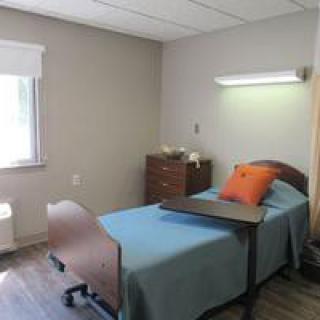
    Our private accommodations offer a personal space for residents to retreat to and make their own. Each room is thoughtfully designed with comfort and convenience in mind, creating a warm and inviting atmosphere that truly feels like home.

    At Maplewood Care Home, we specialize in high acuity care, ensuring that each resident receives personalized attention based on their unique needs and preferences. Our dedicated team of caregivers is trained to provide comprehensive assistance with daily activities such as bathing, dressing, medication management, and mobility support. With our compassionate staff available 24/7, families can have peace of mind knowing their loved ones are well-cared for.

    Our location in Eaton Rapids offers easy access to local amenities that enrich the lives of our residents. With one park nearby, our residents can enjoy nature walks or picnics amidst serene surroundings. Nearby pharmacies ensure convenient access to medications and healthcare supplies as needed. For dining options, three restaurants are close by, providing delicious meals prepared with attention to dietary needs. Additionally, there are three places of worship nearby for spiritual fulfillment.

    At Maplewood Care Home in Eaton Rapids, MI, we strive to create an environment where every resident feels valued, supported, and at home. We are committed to providing exceptional care services while promoting independence and maintaining dignity for each individual under our care.

    Nearby Places of Interest

    This part of Eaton Rapids, Michigan, offers a variety of amenities that may appeal to seniors looking for a comfortable and convenient place to live. There are several restaurants nearby, providing options for dining out or grabbing a quick bite to eat. Places of worship are also easily accessible, allowing for spiritual fulfillment within the community. Pharmacies and medical facilities are located within a short distance, ensuring easy access to healthcare services. Parks offer opportunities for outdoor recreation and relaxation, while cafes provide social spaces to meet with friends or enjoy a hot beverage. Additionally, theaters and transportation options are available for entertainment and travel needs. With hospitals in close proximity, residents can feel secure knowing that medical care is readily available in case of emergencies.

    Restaurants

    • The English Inn (1.6 miles)
    • Smitty's Place (4.8 miles)
    • Dimes Brewhouse (4.9 miles)
    • Wendy's (5.8 miles)
    • Coach's Pub & Grill (5.8 miles)
    • McDonald's (5.9 miles)
    • Buddies Grill (6.3 miles)

    Places of Worship

    • Grace Baptist Church (3.7 miles)
    • St Peter's Catholic Church (4.9 miles)
    • St Peter Church Events Page (4.9 miles)
    • First United Methodist Church (5.4 miles)
    • Calvary Grace Church (5.5 miles)
    • Holt Baptist Church (6.1 miles)
    • First Presbyterian Church (6.3 miles)

    Pharmacies

    • Wilcox Pharmacy (4.9 miles)
    • Rottenbucher Pharmacy (5.1 miles)
    • Rite Aid (5.5 miles)
    • Family Fare Pharmacy (6 miles)
    • Family Fare Supermarkets (6 miles)
    • Rite Aid (6.6 miles)
    • Epic Pharmacies (6.6 miles)

    Parks

    • Lions Park (5 miles)
    • Hall Street Park (5.2 miles)
    • Deadman's Hill Park (6.6 miles)
    • Hawk Island County Park (9 miles)
    • Laylin Park (9.2 miles)
    • Frances Park (9.6 miles)

    Cafes

    • Tim Hortons (5.9 miles)
    • Biggby Coffee 568 (6.1 miles)
    • Biggby Coffee (6.6 miles)
    • Starbucks (6.8 miles)
    • Panera Bread (7 miles)

    Physicians

    • Sparrow Medical Group Holt (6.3 miles)
    • Holt Family Practice PC (6.5 miles)
    • Lansing Oral Surgery (6.7 miles)
    • McLaren Greater Lansing - Holt Family Medicine (6.8 miles)
    • Mclaren Holt Family Medicine (6.8 miles)
    • South Side Medical Center - Douglas R Vanderjagt Do (7 miles)
    • Henry Ford Allegiance Family Medicine - Mason (7.1 miles)

    Theaters

    • Celebration Cinema (6.5 miles)

    Transportation

    • U-Haul Neighborhood Dealer (8.5 miles)

    Hospitals

    • Ingham Regional Medical Center (9.1 miles)
    • McLaren Greater Lansing (9.1 miles)
    • Ingham Regional Orthopedic (9.5 miles)

    Frequently Asked Questions

    How much does it cost to live at Maplewood Care Home in Eaton Rapids, MI?
    Where is Maplewood Care Home?
    Does Maplewood Care Home provide care for residents with dementia or Alzheimer's disease?

    Nearby Communities

    • Mlk Road Home

      Mlk Road Home

      Eaton Rapids, MI


      pro Personalized care with cozy, fully furnished rooms and daily activities.

    • Country Acres Adult Care Home

      Country Acres Adult Care Home

      Eaton Rapids, MI


      pro Memory care with 24-hour supervision, furnished rooms, and access to garden/outdoor space.

    • Arch Road Home

      Arch Road Home

      Eaton Rapids, MI


      pro Small, fully furnished assisted living with 24/7 supervision, ADL support, medication management, transportation coordination, and diabetes-friendly dining.

    • Dimondale Nursing Care Center

      Dimondale Nursing Care Center

      Dimondale, MI

      3.2 from 106 reviews
       

      pro Clean facility with friendly staff and engaging activities.

    • Howe Home

      Howe Home

      Holt, MI


      pro Fully furnished, small community (12 residents) with 24-hour supervision and comprehensive care including diabetes diet options.

    • Ide Adult Foster Care Family Home

      Ide Adult Foster Care Family Home

      Eaton Rapids, MI

      5 from 14 reviews
      $1,950 / month

      pro Affordable private-room rate of $1,950/month, significantly lower than Jackson County and Michigan state averages.

    • Holt Heritage Village

      Holt Heritage Village

      Holt, MI

      4.2 from 32 reviews
      $819 to $1,470 / month

      pro Friendly staff and a welcoming, active community.

    • Prestige Way

      Prestige Way

      Holt, MI

      4.6 from 127 reviews
      $3,150 to $4,200 / month

      pro Clean, homelike environment with friendly staff, delicious home-cooked meals, and engaging activities.

    • Grandhaven Manor

      Grandhaven Manor

      Lansing, MI

      4.2 from 84 reviews
      $1,099 to $1,399 / month

      pro Friendly staff and a range of amenities create a welcoming community.

    Related Resources

    • dementia hallucinationsDementia-Related Hallucinations: Causes, Experiences, and Practical Approaches
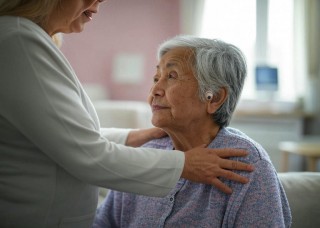
      Dementia, particularly Lewy body dementia, often involves hallucinations that can significantly distress both patients and caregivers due to disruptions in sensory processing and neurotransmitter imbalances. Effective management includes compassionate communication, environmental adjustments, and a multidisciplinary approach to care while addressing the emotional needs of caregivers.

    • alzheimer's factsIlluminating Insights About Alzheimer's Disease: Ten Crucial Realities

      Alzheimer’s disease is a progressive neurological disorder that significantly impacts memory and cognitive functions, accounting for 60-80% of dementia cases, with early diagnosis being crucial yet challenging. It involves brain changes like beta-amyloid plaques and tau tangles, influenced by genetic and lifestyle factors, and while there is no cure, symptom management and support for caregivers are essential.

    • list of drugs linked to dementiaA Thorough Discussion of Medications Potentially Linked to Dementia Risk

      Dementia, influenced by aging and certain medications, may be exacerbated by drug classes such as anticholinergics, benzodiazepines, and antipsychotics, which are associated with cognitive impairment. Regular medication reviews by healthcare professionals are crucial for older adults to manage risks and optimize cognitive health.


    Get Pricing Ask A Question Schedule A Tour Contact Senior Advisor