
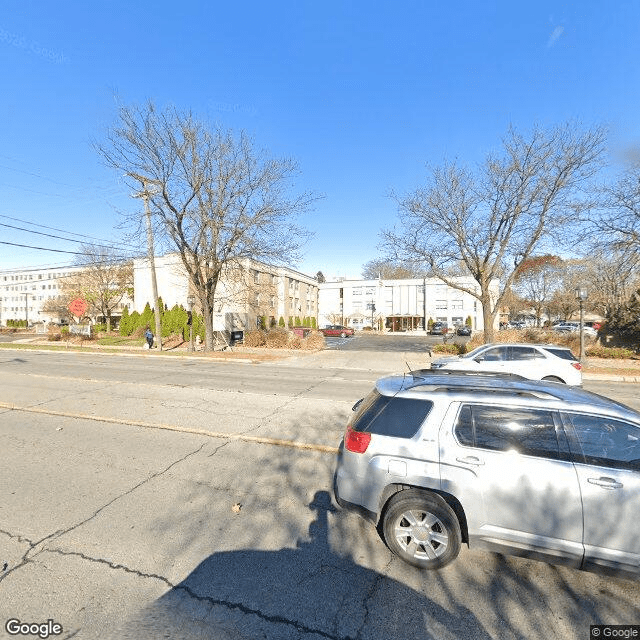
15711 E 9 Mile Rd, Eastpointe, MI 48021
To contact a resident: (586) 445-5099
For more information about senior living options: (866) 208-4318
Overall Review of Erin Manor
Cons
 Grandma Rose Williams is being held there in hospice with no way to contact her.
- There is no telephone number to contact Bounding.
Review
Erin Manor in Eastpointe, MI is best suited for families that require immediate, reliable access to a loved one and insist on rigorous, verifiable communication with caregiving staff. When a facility cannot provide a clear, direct way to contact the resident or their circle, the value of even strong clinical or hospice services collapses. The one available account conveys a troubling scenario: a resident in hospice with “no way to contact,” and no publicly listed telephone number or point of contact. That combination signals a fundamental breakdown in family involvement and resident protection, which is central to sound post-acute care.
This community is not a fit for families who must see transparent communication as non-negotiable. Those who prioritize regular updates, easy phone access, and straightforward pathways to speak with the person in care should look elsewhere. Any facility lacking a verifiable contact channel or a published process for family outreach should trigger red flags. Alternatives should offer clear directories, standard contact numbers, and documented policies that guarantee timely updates and responsive communication from staff.
From a decision standpoint, the lack of a contact path massively undermines any potential upside of hospice or in-house care. Hospice services are most effective when they are integrated with families who can participate in planning, observe daily care, and receive prompt information about changes in condition. If those lines of communication are blocked, the core benefits of skilled nursing attention, symptom management, and emotional support for families are effectively neutralized. In short, the key pro, quality, coordinated care delivered with family involvement, fails to offset the dominant con: inaccessible, unverified contact with the resident.
Families evaluating Erin Manor should take decisive, proactive steps to verify and protect themselves. Urge administration to provide a direct, publicly listed contact number and a named liaison for family communications. Request a written policy on family updates, visit scheduling, and emergency contact procedures. Arrange an unannounced visit to observe how staff interact with residents and whether opportunities exist to observe care firsthand. Inquire about on-site hospice oversight practices, staff-to-resident ratios during different shifts, and a clear escalation path for concerns raised by family members. If the facility cannot deliver these assurances, it is reasonable to pause and consider other communities.
The limitations of a single negative review must be acknowledged, but the signal is strong enough to merit caution. Licensing records, complaint histories, and ombudsman resources should be consulted to corroborate concerns and to gauge consistency of care beyond this account. Families should talk to current residents’ families, if possible, and seek firsthand impressions about communication, responsiveness, and the timeliness of updates. A thorough on-site tour combined with documentary evidence, care plans, incident logs, and family communication policies, will reveal whether Erin Manor can truly meet expectations or if a switch is warranted.
Ultimately, the verdict rests on two nonnegotiables: reliable access to the resident and transparent communication channels. Until Erin Manor can demonstrate robust, easily accessible contact options and accountability for family updates, families should treat this community as a risk. For those needing hospice-adjacent care, this is a strong signal to prioritize facilities with proven, open lines of communication and verifiable contact procedures. In the decision-making process, this red flag should drive the search toward alternatives that place family involvement at the heart of daily care, rather than as an afterthought.
 Active Adult Communities (55+)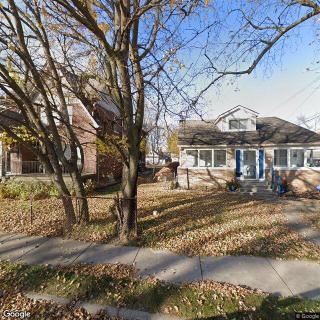
 Great access to nearby medical services, parks, and dining.
 California's Form 602A: An In-Depth Examination of Senior Care Assessment
 Comprehensive Look at Senior Blood Pressure Charts: Normal and Elevated Levels by Age
 Top Canine Companions for Older Adults