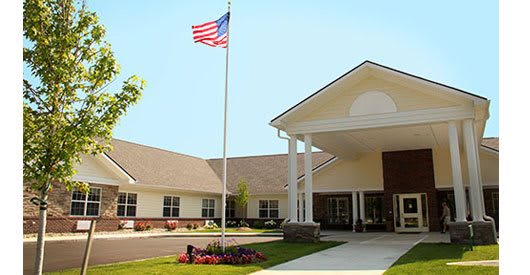



3500 Coolidge Rd, Lansing, MI 48823
To contact a resident: (517) 203-4042
For more information about senior living options: (866) 208-4318
The Willows at East Lansing Costs & Pricing
The Willows at East Lansing offers a range of accommodation options, with costs that reflect the unique amenities and services provided in this vibrant community. For a semi-private room, residents can expect to pay $3,600 per month, which is notably higher than the average rates in Ingham County ($3,168) and across Michigan ($3,191). This premium may be attributed to the personalized care and engaging environment that The Willows fosters. Meanwhile, studio apartments are priced at $4,200 monthly, again surpassing both county ($3,783) and state averages ($3,824). While these rates may seem elevated compared to other local facilities, they often correlate with higher levels of service quality and tailored living experiences designed for resident comfort and wellbeing.
| Floor plans | The Willows at East Lansing | Ingham County | Michigan |
|---|---|---|---|
| Semi-Private | $3,600 | $3,111 | $3,189 |
| Studio | $4,200 | $3,783 | $3,824 |
Skilled Nursing Facilities with a similar price nearby
-
from -$450 / mo
Prestige Way
$3,150 to $4,200 / month7.0 miles away -
from +$235 / mo
Burcham Hills
$3,835 to $5,495 / month1.2 miles away -
from +$202 / mo
Bickford of Okemos
$3,802 to $4,258 / month4.2 miles away -
from +$300 / mo

Serene Gardens of DeWitt
$3,900 to $4,650 / month6.0 miles away
Overall Review of The Willows at East Lansing
Pros
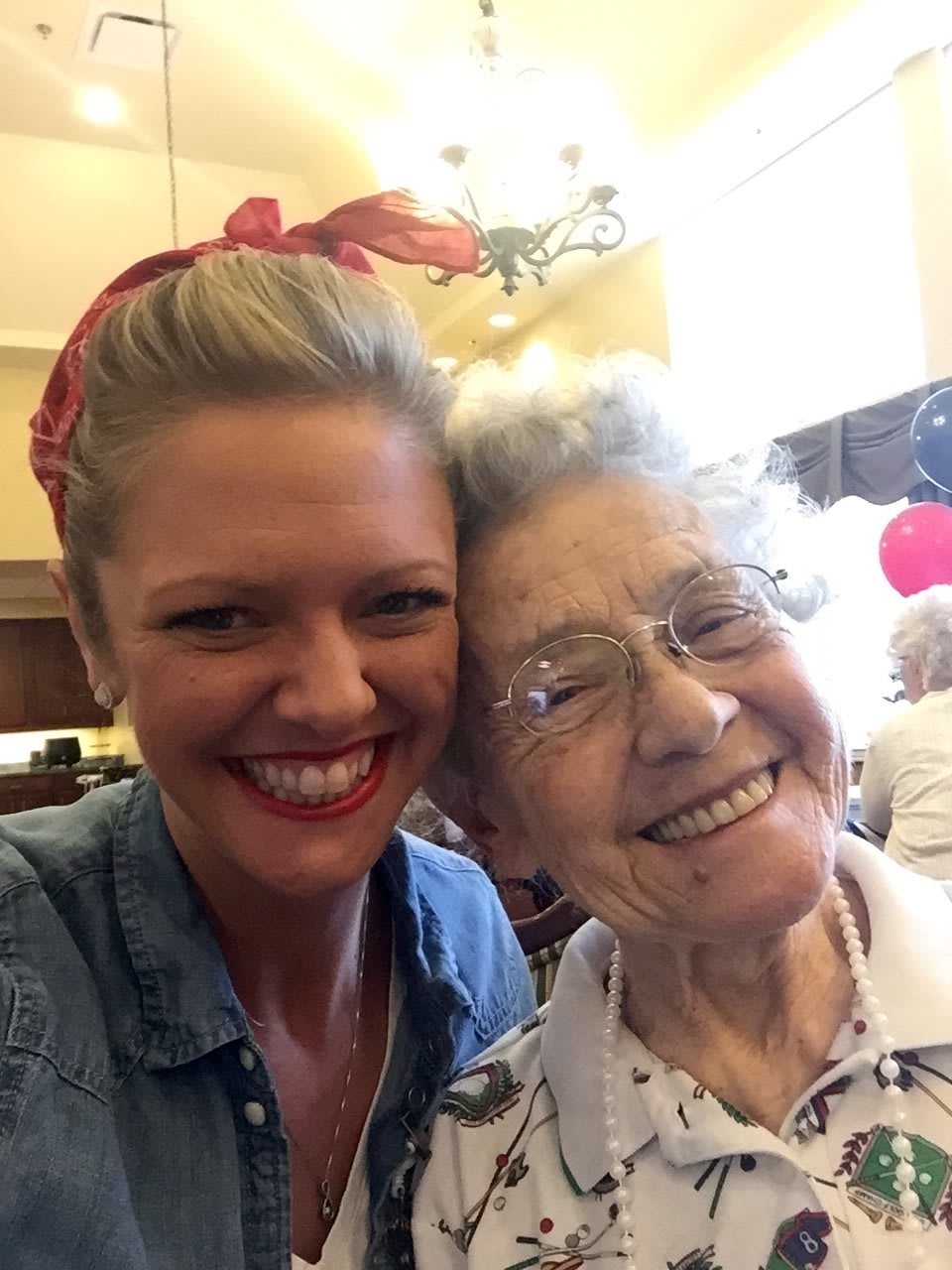
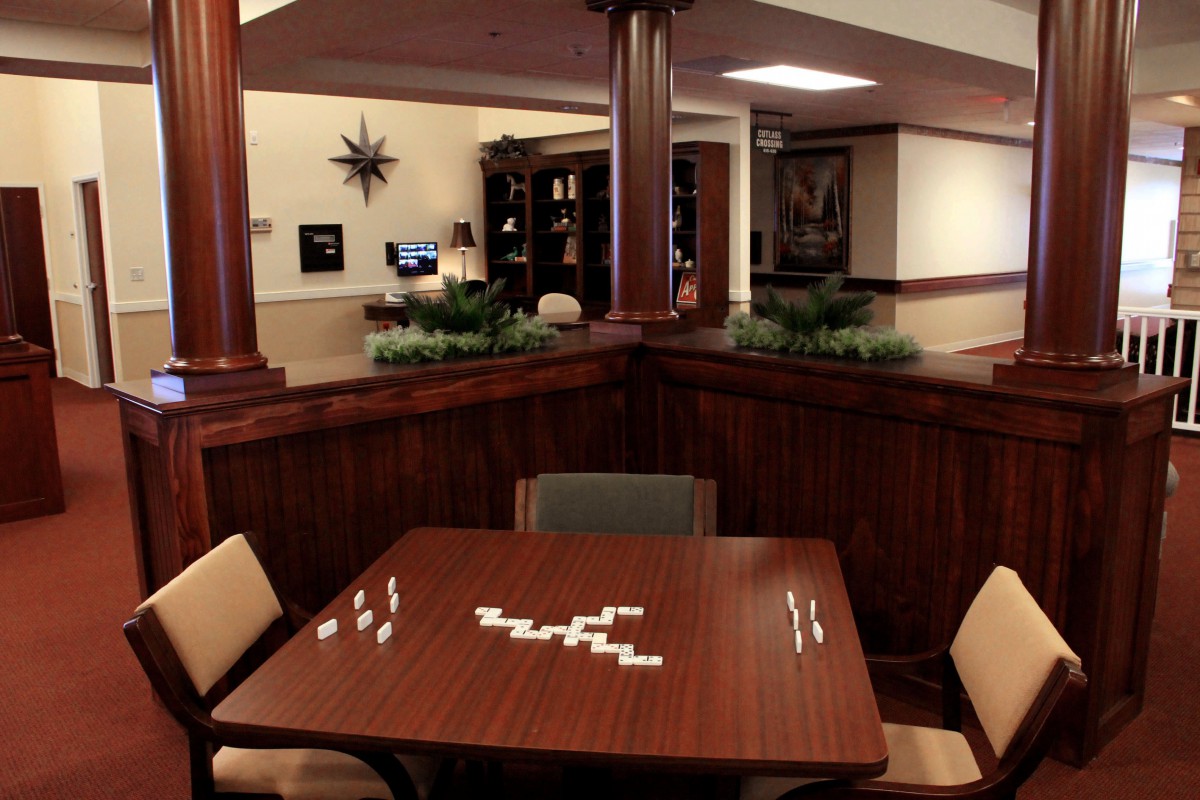
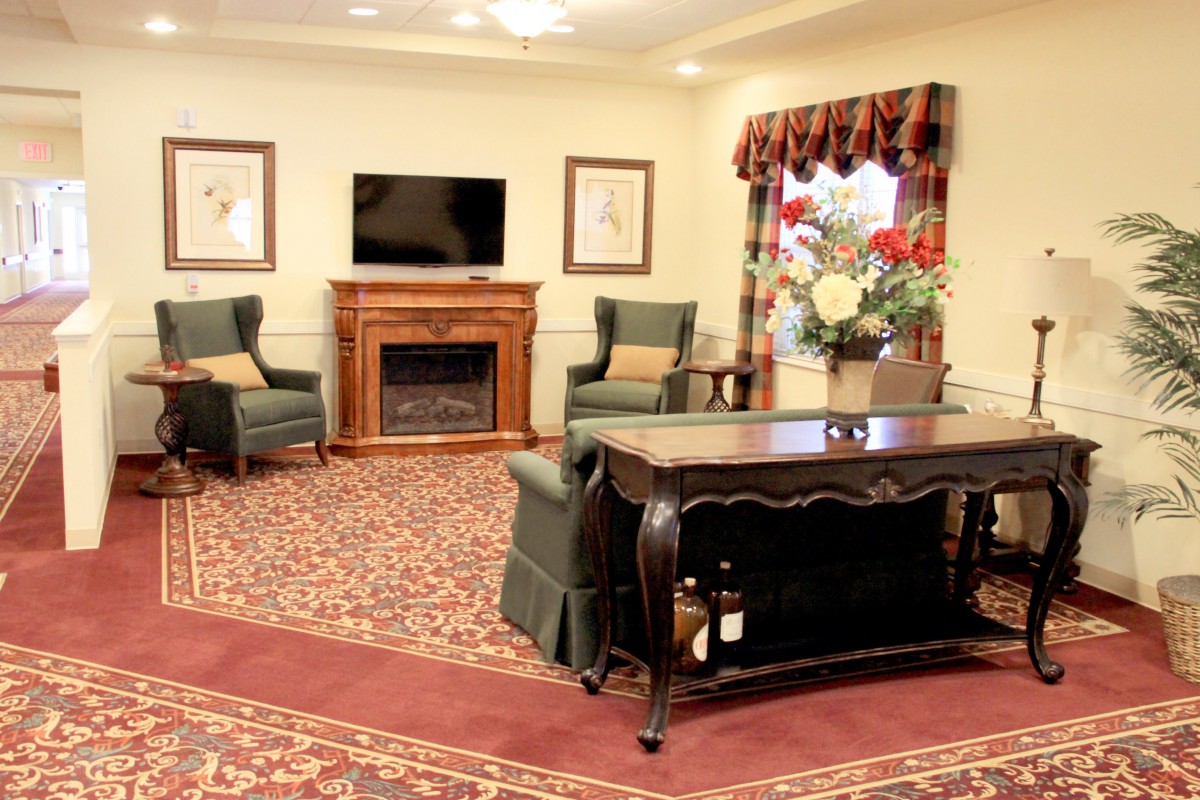
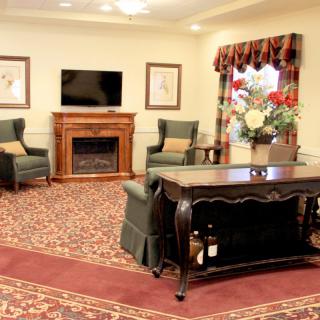
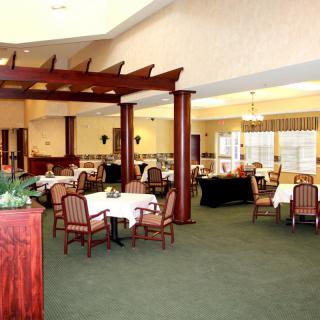
 The environment at The Willows is wonderful, clean, visually warm, and homelike.
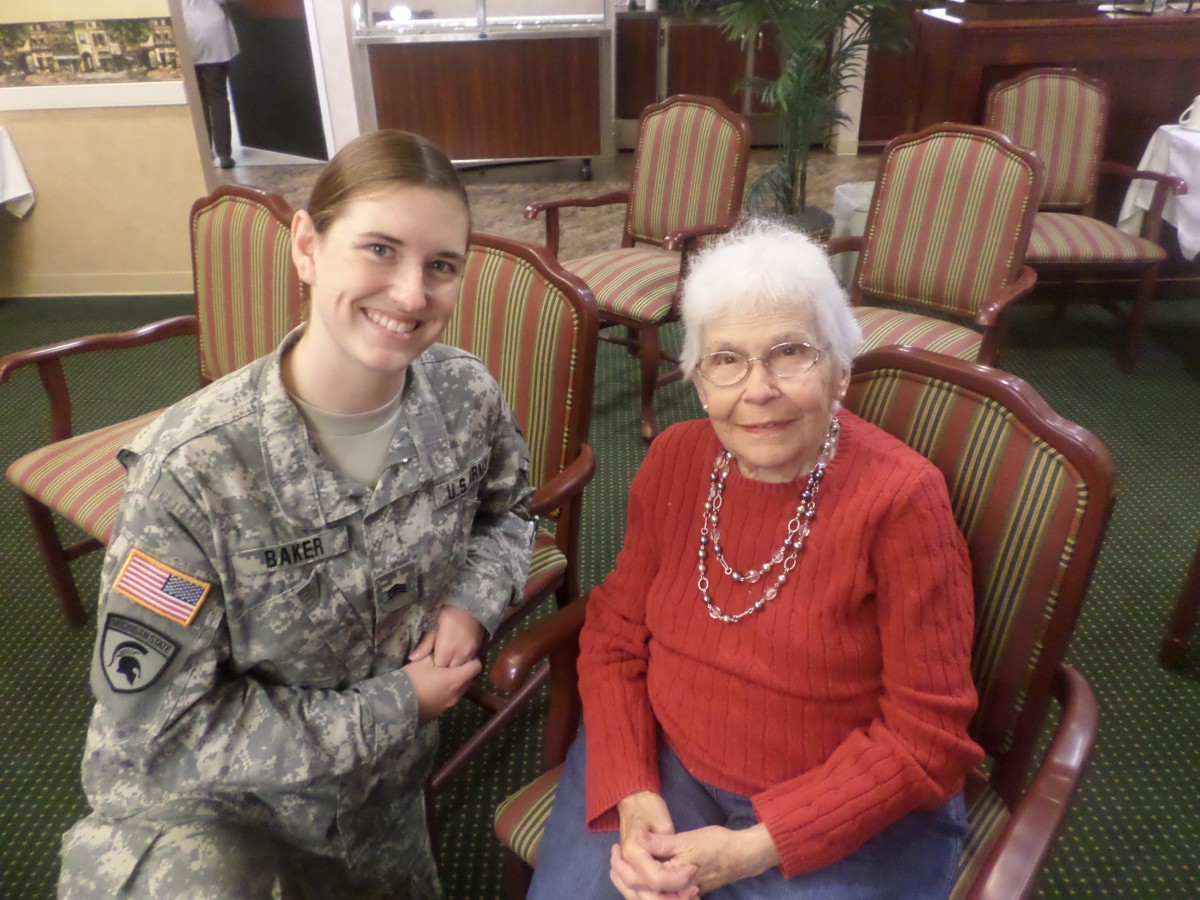
- The staff are amazing, generous, and caring, consistently going above and beyond.
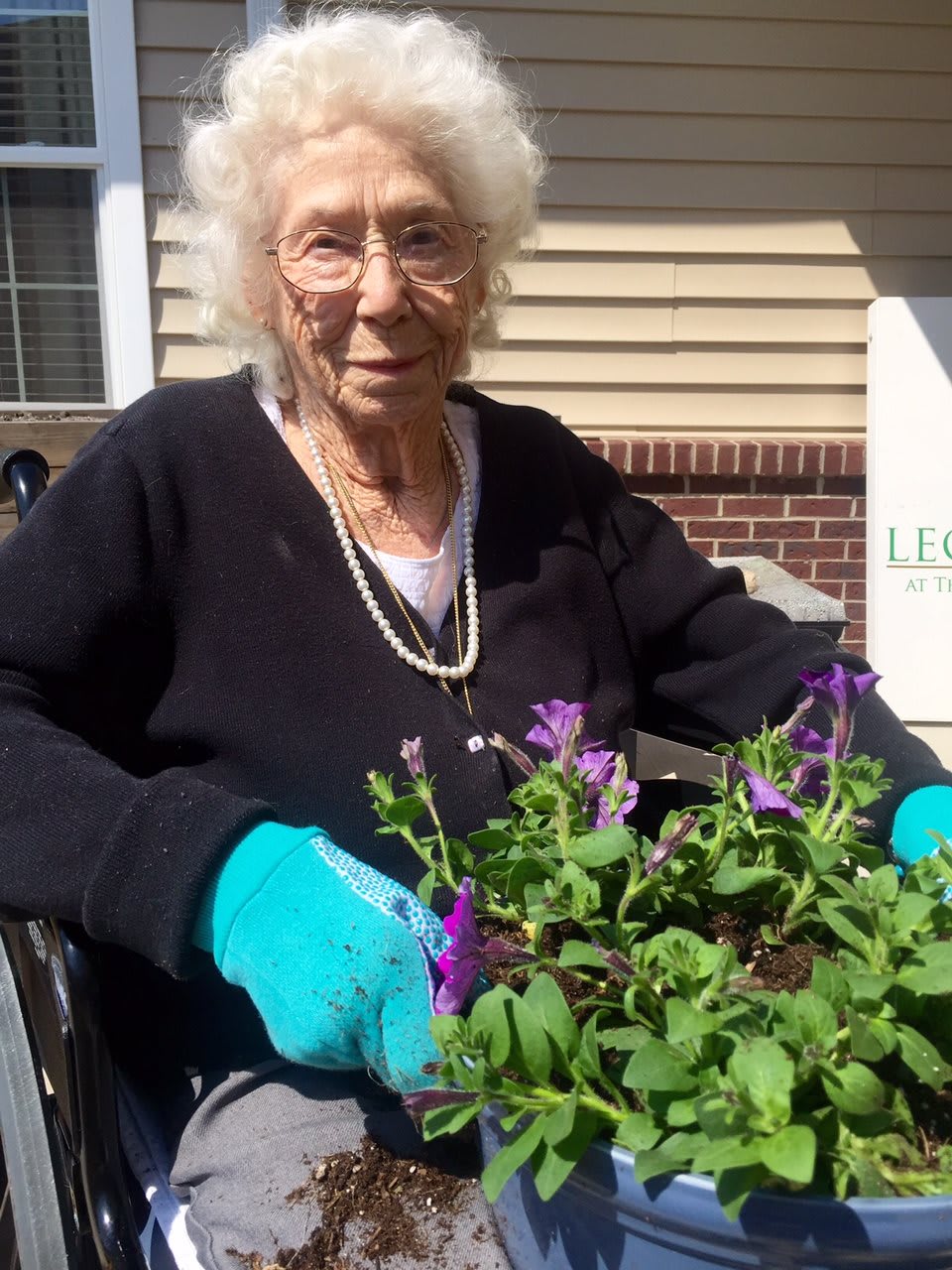
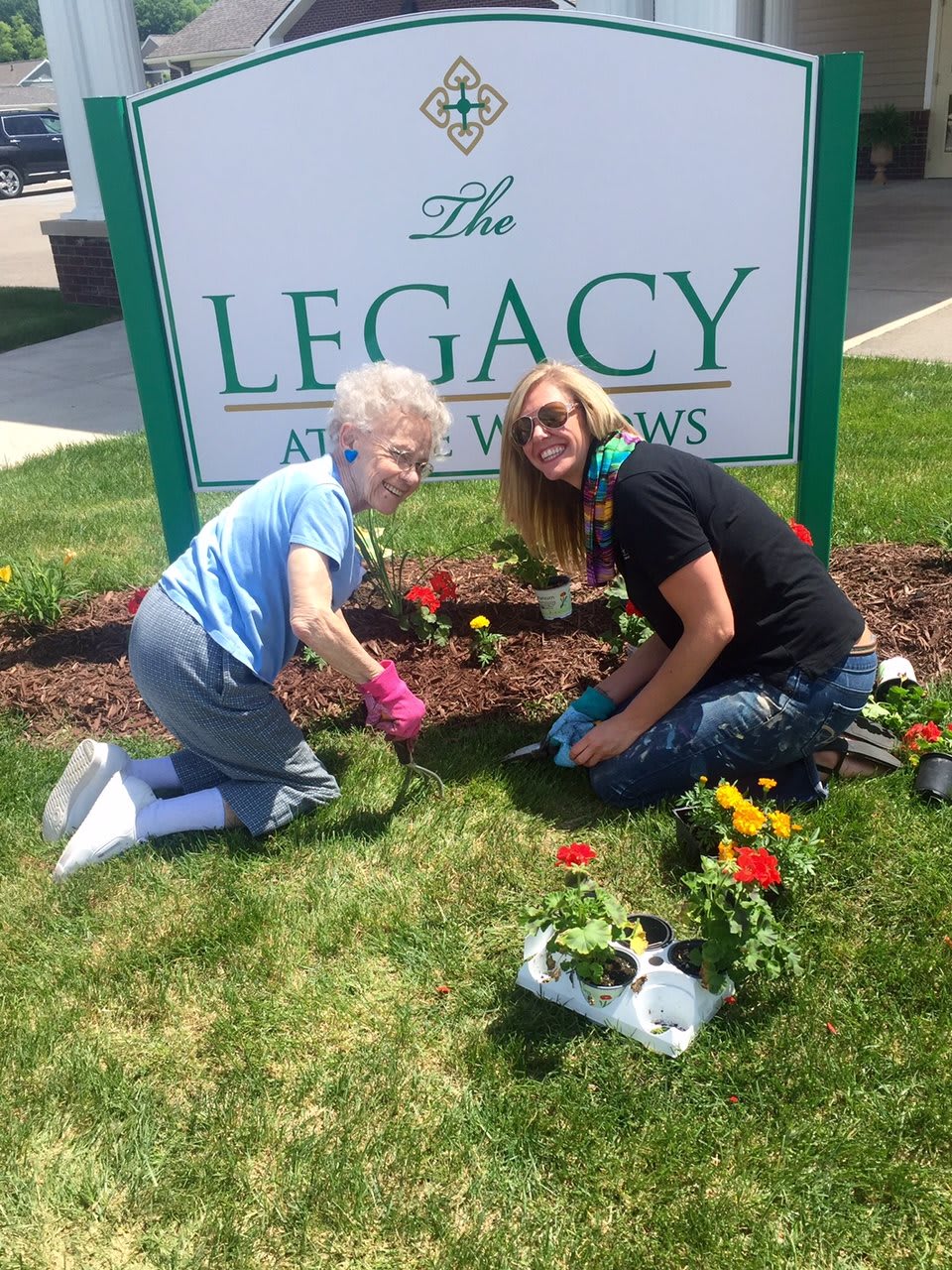
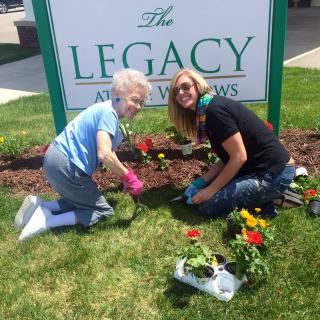
- Activities and opportunities are fabulous and exceed expectations.
- Every staff member is invested in making The Willows a great place to live and visit.
- The caregivers are friendly and helpful, and the community is clean.
Cons
 Dad did not really like the food.
Review
The Willows at East Lansing is best suited for seniors who want a warm, homelike setting, backed by spotless cleanliness and a deeply engaged staff across every department. Families seeking consistent responsiveness, a culture of generosity, and a calendar of meaningful activities will discover a community that feels less like a facility and more like a well-run home. The environment communicates care through visual warmth, orderly spaces, and dependable routines. Across administration, culinary, caregiving, and maintenance, staff members share a common commitment to making daily life pleasant and safe. This blend of hospitality and professional competence positions The Willows as a solid choice for residents who value everyday dignity and connection.
Those who should consider alternatives are families where dining quality is a top priority. In the reviews, the food did not impress some residents, even as cleanliness and staff warmth remained strong. If gourmet meals or customizable menus are non-negotiable, it is prudent to compare dining experiences, opportunities to sample dishes, and kitchen flexibility at other communities. Another caveat concerns on-site medical resources; while the hospice collaboration described in one case went smoothly, prospective residents with substantial medical needs should verify that the community’s care partners meet expectations and that timely medical support is available.
The Willows’ core strengths are visible in the people who staff, care for, and entertain residents. The staff is described as generous, caring, and consistently willing to go above and beyond. Activities are described as fabulous and beyond expectation, providing social, cognitive, and physical engagement that keeps residents involved. Cleanliness is more than a surface impression; it permeates daily life and contributes to a sense of safety. The described harmony with outside nursing and hospice teams underscores the community’s ability to coordinate care without friction, a practical advantage for families navigating transitions and end-of-life planning.
Mealtime concerns aside, the positives create a compelling value proposition for most residents and families. The strong social fabric and generous programming can offset occasional menu critiques, especially for those who thrive on interaction and structured activities. For households where dining is central to daily life, consider asking about menu review processes, trial meals, or the possibility of dietary accommodations. The hospice-friendly posture highlighted in the reviews is a meaningful differentiator, suggesting a flexibility that can ease transitions and maintain continuity of care when needed.
From a planning standpoint, prospective residents should tour during typical activity periods, observe staff-resident interactions, and request details on the activity calendar and how routines can be customized. Inquire about the dining program’s flexibility and the process for addressing dietary preferences. Clarify which external partners are involved in medical or hospice care and how communications are structured among family, the community, and care teams. Although price and contract terms are not disclosed in the reviews, the combination of vibrant life, strong staff engagement, and a stable environment typically warrants a careful cost-benefit assessment.
The Willows at East Lansing is a practical choice for families prioritizing a nurturing, well-staffed environment with a lively activity program and a homelike atmosphere. It demonstrates a robust culture of care, exceptional cleanliness, and reliable coordination with outside medical partners when needed. The most salient caveat is dining quality; for some, this may tilt the decision toward communities with stronger culinary offerings. Overall, for seniors who value everyday dignity, genuine staff connection, and social vitality, The Willows delivers measurable value and a high likelihood of sustained satisfaction.
 Studio apartments
 Assisted Living
 Memory Care
 Skilled Nursing Facility
 Activities off-site
 Air-conditioning
 Beautician on-site
 Cable or satellite TV
 Devotional services off-site
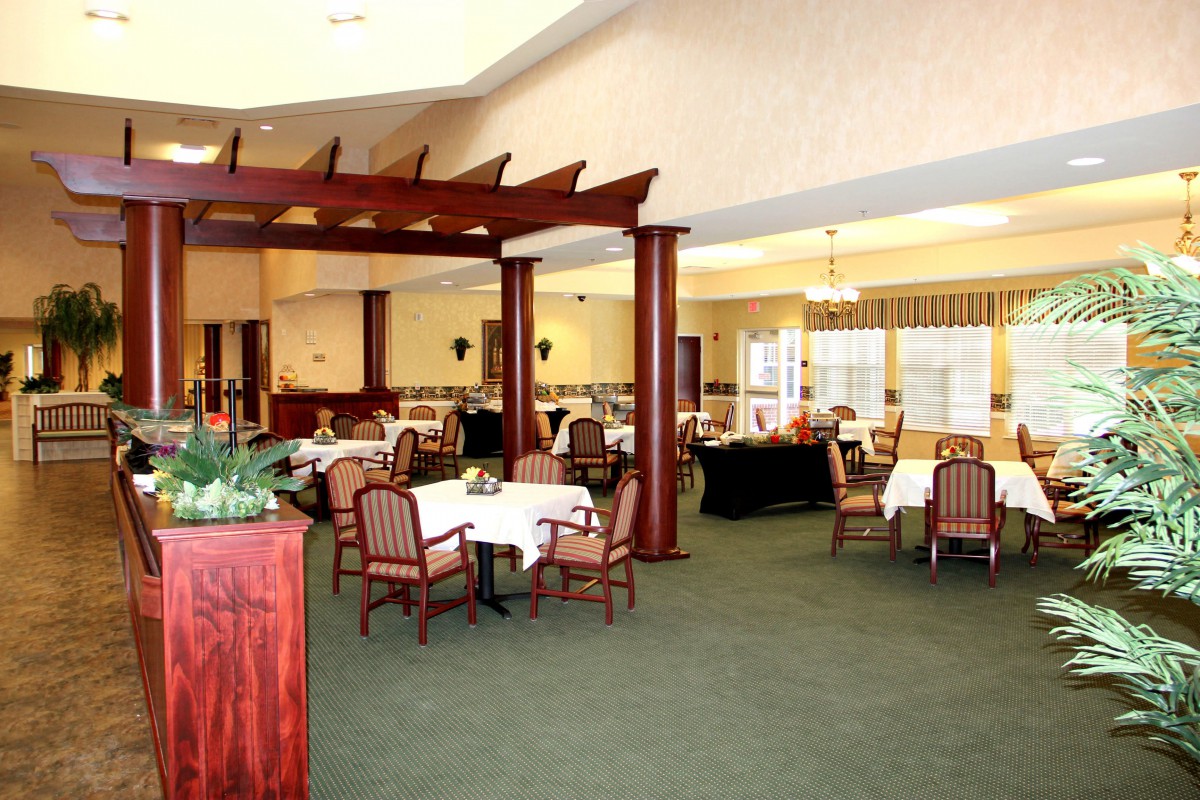
 Dining room
 Garden
 Ground floor units
 Handicap accessible
 Indoor common areas
 Kitchenette
 Laundry
 Outdoor common areas
 Party space
 Respite or short term stays offered
 Wheelchair accessible showers
 Wi-Fi/high-speed internet available
 Capital City (6 miles away)
 Transportation & parking
 Ambulatory care
 Diabetic care
 Incontinence care
 Meal preparation and service
 Medication management
 Physical therapy
 Art classes
 Catholic services
 Cooking classes
 Day trips and outings
 Educational speakers / life long learning
 Fitness programs
 Karaoke
 Live well programs
 Wine tasting
 English


 Understanding Dementia Through Its Seven Stages: A Comprehensive Look at Progression and Expectations
 A Holistic Dementia Care Guide: Effective Strategies for Memory Support
 Memory Care Pathways: A Holistic Guide to Dementia Support