United Care Home in Detroit, MI

1776 East Grand Boulevard, Detroit, MI 48211

For more information about senior living options: (844) 490-3973

2.8 from 16 reviews
5 stars
5
4 stars
3
3 stars
0
2 stars
0
1 stars
8

Assisted Living Board and Care Home Respite Care

Overall Review of United Care Home

Pros

  • pro Admissions was described as wonderful in receiving the reviewer's father on the same day.
  • pro The staff are praised as wonderful for the daily care they provide.
  • pro The reviewers note that the facility cares for and loves its residents.
  • pro The staff are thanked for the wonderful work they do every day.

Cons

  • pro The Davidson facility is described as totally unprofessional.
  • pro The night staff is said to sleep while the cameras don't work, and the nurses are horrible and uncaring toward residents.
  • pro The building is in need of great repair.
  • pro One young nurse reportedly did terrible things with staff support.
  • pro The nursing home and its administration are trash and do not care about anything.
  • pro The sister was treated very poorly - she smelled of urine for days, was hungry on more than one occasion, wandered around confused, and received little to no assistance.
  • pro The staff never answer the phones, residents are always put on hold and transferred, and it seems no one cares; it is just a job to them.

Review

This community is best suited for families that can act as vigilant advocates, prepared to monitor care, cleanliness, and responsiveness closely. United Care Home in Detroit appears to work best for those who can step in when issues arise, push for timely updates, and quickly move to alternatives if care gaps widen. It is not the right fit for families seeking consistently excellent medical oversight, highly professional staff, or a consistently pleasant, well-maintained environment; those expectations are not reliably met based on current feedback.

The reviews paint a stark picture of ongoing operational concerns. Staffing reliability and attitude emerge as the core problem: critical moments when nursing staff are perceived as uncaring or disengaged, with allegations that some caregivers sleep through shifts and that the facility's oversight is undermined by poor supervision. Maintenance and safety issues compound the risk profile - reports of a building in disrepair, cameras that fail, and even vermin concerns in resident rooms. The combination of unresponsive phone lines, long holds, and a general sense that staff are more laboring for a paycheck than delivering compassionate care further undermines trust. Taken together, these themes suggest a facility where dependable, high-quality care cannot be assumed and must be actively safeguarded by families.

Yet there are a few countervailing signals. Several reviewers acknowledge positive interactions during admissions and praise some staff for daily care and dedication: "Admissions was wonderful" and "the wonderful staff for what they do everyday" reflect pockets of responsiveness and care. These moments matter for families who can document and leverage them - if a resident experiences a particularly good shift, quick triage of issues, or attentive aides, that can meaningfully improve quality of life. However, such bright spots appear sporadic rather than systemic, and they do not reliably balance the broader concerns about care consistency, upkeep, and administrative effectiveness.

From a decision perspective, the key trade-off is clear: the pros show that caring people exist and that transitions can be smooth when help is requested, but the cons overwhelm in routine scenarios. The most critical risks - neglectful caregiving, poor attention to basic needs (in one case, a resident smelled of urine for days; another describes wandering with little hands-on assistance), and a maintenance culture that allows mice or other safety hazards - outweigh the occasional positive interactions. Families must weigh whether risk tolerance fits their situation: if a resident requires dependable daily structure, robust supervision, and a consistently clean, safe environment, this facility's current pattern of concerns suggests looking elsewhere.

Who should consider alternatives? Families with residents who have significant medical needs, wandering risks, or cognitive impairment that requires constant oversight will likely find more reliable care elsewhere. Prospective residents who expect prompt, respectful communication and transparent administration should scrutinize whether administration, leadership, and frontline staff can deliver on those expectations. Those who cannot or will not devote time to ongoing advocacy - documenting care, coordinating with nurses, and pushing for timely repairs - should explore other communities where accountability and maintenance are more consistently prioritized.

For families still evaluating United Care Home, approach it with a rigorous due-diligence plan. Schedule multiple visits at different times of day, including weekends, to observe caregiving dynamics and response times. Speak with current residents and families about daily routines, the promptness of help with feeding, toileting, and mobility, and any changes in behavior from staff. Request recent inspection reports, maintenance logs, and any state citations; verify staff-to-resident ratios and turnover rates. During tours, ask to see a resident room in good condition, a shared common area, and a working camera or monitoring mechanism to gauge how security and supervision are actually carried out. The aim is to uncover whether the positive admissions experience translates into consistent, day-to-day reliability.

In sum, United Care Home represents a skip-it-to-try option for families who can and will stay actively involved in care decisions, escalate concerns quickly, and accept a facility whose strengths lie in occasional compassionate staff rather than guaranteed daily excellence. For anyone seeking predictable, consistently high-quality care, better-maintained surroundings, and steadier administration, alternatives are strongly advised. The decision hinges on tolerance for variability and a commitment to hands-on advocacy; without that, the risks highlighted by multiple reviewers remain too pronounced to endorse as a reliable long-term solution.

Features

Housing

  • 7 resident community capacity 7 resident community capacity

Types of Care

  • Assisted Living Assisted LivingAssisted living facilities provide crucial support and care for seniors who may need help with daily tasks such as medication management, bathing, and meal preparation. These communities offer a safe and comfortable environment where seniors can maintain their independence while receiving the assistance they need to thrive in their golden years.
  • Board and Care Home Board and Care HomeBoard and care homes provide a smaller, more intimate setting for seniors who require assistance with daily tasks but do not need the level of care offered by a nursing home. They offer personalized care, meals, and social activities in a homelike environment, ensuring that seniors receive individualized attention and support in their golden years.
  • Respite Care Respite CareRespite care provides temporary relief for caregivers, allowing them to recharge and attend to their own needs. It also gives seniors the opportunity to socialize, receive professional care, and experience a change of scenery, promoting overall well-being and reducing feelings of isolation.

Amenities

  • Cable or satellite TV Cable or satellite TVCable or satellite TV is important for seniors because it provides entertainment, news, and companionship, helping to combat loneliness and boredom. It also offers a wide range of programming options tailored to different interests and preferences.
  • Dining room Dining roomDining rooms are important for seniors as they provide a space for socialization, connection, and nutritious meals. They offer opportunities for residents to bond over shared meals, foster a sense of community, and promote healthy eating habits. Dining rooms also ensure that seniors have access to well-balanced meals tailored to their dietary needs and preferences.
  • Fully furnished Fully furnishedFully furnished senior living communities are important for seniors because they provide convenience, comfort, and a hassle-free moving experience. Seniors can easily settle into their new living space without the stress of having to buy and move furniture. This allows them to focus on enjoying their new home and community.
  • Garden GardenGardens are important for seniors as they provide a peaceful and therapeutic environment for relaxation, physical activity, and socialization. Being in nature has been shown to reduce stress, improve mood, and promote overall well-being. Gardens also offer opportunities for seniors to engage in gardening activities, which can improve mobility, flexibility, and cognitive function. Additionally, gardens create a sense of community and connection with others who share a passion for plants and outdoor spaces.
  • Housekeeping services Housekeeping servicesHousekeeping services are important for seniors because they help maintain a clean and safe living environment, promote independence, and reduce the risk of accidents or illnesses. Additionally, having assistance with household chores can alleviate physical strain and allow seniors to focus on other aspects of their well-being.
  • Move-in coordination Move-in coordinationMove-in coordination is important for seniors because it helps ease the transition into their new living environment. It ensures that all logistics, such as packing, organizing movers, and setting up utilities are taken care of, allowing seniors to focus on settling in and adjusting to their new home. Having a smooth move-in process can alleviate stress and anxiety, making the transition smoother and more enjoyable for seniors.
  • Outdoor space Outdoor spaceOutdoor spaces are important for seniors as they provide opportunities for physical activity, social interaction, exposure to natural light and fresh air, and a sense of connection to nature. Having access to outdoor spaces can improve overall well-being and quality of life for older adults living in senior communities.
  • Telephone TelephoneTelephones are important for seniors as they provide a lifeline for communication with loved ones, emergency services, and healthcare providers. They offer a sense of security and independence, enabling seniors to stay connected and access assistance when needed.
  • Wi-Fi/high-speed internet available Wi-Fi/high-speed internet availableWi-Fi/high-speed internet is important for seniors to stay connected with loved ones, access online resources, and participate in virtual activities to combat feelings of loneliness and isolation. It also allows them to easily manage healthcare needs, access entertainment, and engage in lifelong learning opportunities.

Transportation

  • Detroit Metropolitan-Wayne County (20 miles away) Detroit Metropolitan-Wayne County (20 miles away)

Care Services

  • 24-hour supervision 24-hour supervision24-hour supervision is important for seniors to ensure their safety, well-being, and access to immediate assistance in case of emergencies or health issues. This constant support provides peace of mind for both seniors and their loved ones, allowing them to age in place with dignity and security.
  • Activities of daily living assistance Activities of daily living assistanceActivities of daily living assistance are important for seniors because they provide essential support with tasks such as eating, bathing, dressing, and mobility. This assistance helps seniors maintain their independence, dignity, and overall quality of life as they age.
  • Assistance with bathing Assistance with bathingAssistance with bathing is crucial for seniors as it helps maintain personal hygiene, prevents infections, and ensures their overall well-being and comfort. It also provides a sense of dignity and independence for seniors who may struggle with this task on their own.
  • Assistance with dressing Assistance with dressingAssistance with dressing is important for seniors because it helps maintain their independence, promotes personal hygiene, prevents accidents and injuries, and improves overall quality of life. This service ensures that seniors can continue to dress comfortably and confidently, despite any physical limitations they may have.
  • Assistance with transfers Assistance with transfersAssistance with transfers is crucial for seniors as it helps prevent falls and injuries, maintains their independence, and ensures they can safely navigate their living environment. It also provides peace of mind for both seniors and their loved ones.
  • Coordination with health care providers Coordination with health care providersCoordination with health care providers is crucial for seniors to ensure proper medical care, medication management, and overall well-being. This collaboration helps prevent overlapping treatments, track progress more effectively, and provide comprehensive support tailored to individual needs.
  • Diabetes diet Diabetes dietA diabetes diet is crucial for seniors as it helps manage blood sugar levels, reduce risks of complications, and improve overall health and well-being. By following a balanced and nutritious diet tailored to their specific needs, seniors can better control their diabetes and enhance their quality of life.
  • Meal preparation and service Meal preparation and serviceMeal preparation and service are crucial for seniors as they may have limited mobility or energy to cook nutritious meals. Having access to healthy and convenient food options can ensure they are getting the proper nutrition needed to maintain their overall health and well-being.
  • Medication management Medication managementMedication management is crucial for seniors to ensure they are taking the right medications at the correct dosages and times. This helps prevent adverse drug interactions, reduces the risk of medication errors, and promotes overall health and well-being. Proactive management also allows for adjustments as needed based on changing health conditions or new prescriptions.
  • Special dietary restrictions Special dietary restrictionsSpecial dietary restrictions are important for seniors because age-related changes in metabolism and health conditions can make it difficult for their bodies to process certain foods. By following a diet tailored to their specific needs, seniors can maintain their overall health and well-being, manage chronic conditions, and reduce the risk of complications such as malnutrition or food interactions with medications.
  • Transportation arrangement (medical) Transportation arrangement (medical)Transportation arrangements for medical purposes are essential for seniors as they may have difficulty driving themselves to appointments or accessing public transportation. Having reliable and safe transportation options ensures that seniors can receive timely medical care and maintain their health and well-being.
  • Transportation to doctors appointments Transportation to doctors appointmentsTransportation to doctors' appointments is crucial for seniors as it ensures they have access to necessary medical care and support for their health needs. Without reliable transportation, seniors may struggle to attend important appointments, leading to potential delays in treatment and health complications. Providing transportation services helps seniors maintain their overall well-being and quality of life.

Dining

  • Diabetes diet Diabetes dietA diabetes diet is crucial for seniors as it helps manage blood sugar levels, reduce risks of complications, and improve overall health and well-being. By following a balanced and nutritious diet tailored to their specific needs, seniors can better control their diabetes and enhance their quality of life.
  • Special dietary restrictions Special dietary restrictionsSpecial dietary restrictions are important for seniors because age-related changes in metabolism and health conditions can make it difficult for their bodies to process certain foods. By following a diet tailored to their specific needs, seniors can maintain their overall health and well-being, manage chronic conditions, and reduce the risk of complications such as malnutrition or food interactions with medications.

Activities

  • Community-sponsored activities Community-sponsored activitiesCommunity-sponsored activities are important for seniors as they provide opportunities for social interaction, mental stimulation, and physical activity. These activities can help improve overall well-being, combat loneliness and isolation, and promote a sense of belonging and purpose among older adults.
  • Scheduled daily activities Scheduled daily activitiesScheduled daily activities are important for seniors because they provide structure, socialization, mental stimulation, and physical activity. Engaging in regular activities can improve overall well-being and quality of life for seniors living in a community setting.

Description

United Care Home in Detroit, MI is a premier assisted living community offering a range of care options for seniors. With its warm and welcoming environment, United Care Home ensures that residents receive the highest level of personalized care while maintaining their independence.

Our facility provides board and care home services, ensuring that each resident feels comfortable and at home. The fully furnished rooms are designed with the utmost comfort in mind, providing a cozy and inviting space for residents to relax. Housekeeping services are provided to ensure that the living spaces remain clean and well-maintained.

At United Care Home, we understand the importance of maintaining an active lifestyle. Our residents can enjoy our beautiful garden and outdoor spaces, giving them the opportunity to soak up some fresh air and sunshine. Additionally, scheduled daily activities are offered to keep residents engaged and entertained.

We prioritize the health and well-being of our residents by offering assistance with activities of daily living such as bathing, dressing, and transfers. Our trained staff also provides medication management services to ensure that medications are taken correctly and on time. Coordination with healthcare providers is available to ensure that each resident's specific needs are properly addressed.

Dining at United Care Home is a pleasurable experience where special dietary restrictions are accommodated. Our dining room provides nutritious meals prepared by our skilled chefs who take into consideration any dietary restrictions or preferences.

Located in close proximity to various amenities, United Care Home offers convenience for our residents. Nearby cafes, parks, pharmacies, restaurants, places of worship, physicians' offices, and hospitals provide easy access to necessary services.

With move-in coordination assistance provided by our team, transitioning into United Care Home is made seamless for new residents. We also offer transportation arrangements for medical purposes as well as for doctors' appointments.

In summary, United Care Home in Detroit, MI is committed to providing exceptional care in a comfortable setting. With a wide array of amenities and care services available, we strive to enhance the quality of life for our residents and ensure their well-being.

Nearby Places of Interest

Restaurants

  • Fowling Warehouse (1.3 miles)
  • Yemen Cafe (1.3 miles)
  • McDonald's (1.8 miles)
  • Subway (1.8 miles)
  • Z's Villa (1.9 miles)
  • McDonald's (2.1 miles)
  • Second Best Detroit (2.4 miles)

Pharmacies

  • CVS Pharmacy (1.8 miles)
  • Rite Aid (2.1 miles)
  • Walgreens (2.6 miles)
  • Indian Village Market (2.7 miles)
  • CVS Pharmacy (2.7 miles)
  • CVS Pharmacy (3 miles)
  • CVS Pharmacy (3.1 miles)

Hospitals

  • Detroit Receiving Hospital (1.8 miles)
  • Barbara Ann Karmanos Cancer Institute (2 miles)
  • Hudson-Webber Cancer Research (2 miles)
  • Harper University Hospital (2 miles)
  • DMC Heart Hospital (2 miles)
  • Hfhs - Main - F4 (2.6 miles)
  • Henry Ford Hospital (2.6 miles)

Physicians

  • Childrens Hospital Of Michigan Specialty Center - Detroit (1.8 miles)
  • University Health Center (1.9 miles)
  • Windsor Regional Hospital (4.7 miles)

Places of Worship

  • St Charles Church (2.3 miles)
  • St John's Presbyterian Church (2.5 miles)
  • Grosse Pointe United Methodist Church (7.5 miles)

Parks

  • Valade Park (2.9 miles)
  • William G. Milliken State Park and Harbor (3 miles)
  • Belle Isle Park (3.5 miles)
  • Matthew C Patterson Park (5.1 miles)
  • Palmer Park (5.2 miles)
  • Windmill Pointe Park (5.5 miles)
  • Scout Park (6.6 miles)

Cafes

  • The Bean Bar (3.3 miles)
  • Tim Hortons (6.9 miles)
  • Tim Hortons (7.3 miles)
  • Ferndale Project (7.5 miles)
  • Qahwah House (7.7 miles)

Frequently Asked Questions

Where is United Care Home?

Nearby Communities

  • The Bay At Elmwood Health & Rehabilitation Center

    The Bay At Elmwood Health & Rehabilitation Center

    Detroit, MI


    pro Extensive amenities and comprehensive care (restaurant-style dining, transportation, wellness programs, medication management, and diabetes-friendly options).

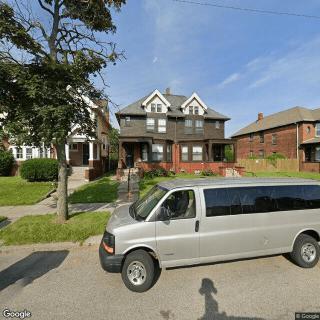
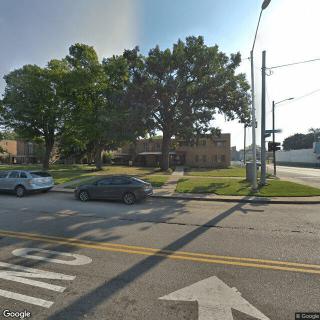
  • Stallworth Adult Foster Care

    Stallworth Adult Foster Care

    Detroit, MI


    pro Small, personalized setting with 24-hour supervision and comprehensive ADL support.

  • Mom's Healing Hands II

    Mom's Healing Hands II

    Detroit, MI


    pro Small, intimate setting with personalized 24/7 supervision and comprehensive ADL care.

  • Georgia's Care Home

    Georgia's Care Home

    Detroit, MI

    4 from 50 reviews
     

    pro Small, intimate 12-bed community with 24-hour supervision and ADL support.

  • Mom's Healing Hands I

    Mom's Healing Hands I

    Detroit, MI


    pro Cozy, homelike assisted living with furnished rooms, garden, and full caregiving services.

  • Miracle Manor

    Miracle Manor

    Detroit, MI

    3 from 2 reviews
     

    pro Extensive nearby amenities and healthcare options.

  • Alpha Manor Nursing Home

    Alpha Manor Nursing Home

    Detroit, MI

    3.3 from 10 reviews
     

    pro Proactive staff addressing issues and available therapy services; family involvement is encouraged.

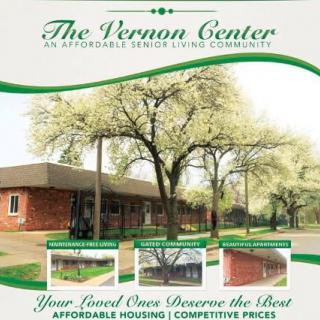
  • The Vernon Center

    The Vernon Center

    Detroit, MI

    4.5 from 20 reviews
    $1,300 to $3,500 / month

    pro Caring staff and clean, peaceful environment with engaging activities.

  • Himelhoch Apartments

    Himelhoch Apartments

    Detroit, MI

    4 from 3 reviews
     

    pro Responsive staff, social space, and resident independence

Related Resources

  • how to pay for assisted livingSecuring Financial Support for Assisted Living: A Comprehensive Overview

    Assisted living facilities offer crucial support for older adults needing help with daily activities but come with varying and significant costs, which can be financed through personal savings, government assistance programs, long-term care insurance, and home equity options. Professional guidance from experts can aid families in navigating these financial complexities to establish a sustainable budgeting approach for assisted living services.

  • assisted living for seniors on social securitySocial Security Benefits and Assisted Living: Navigating Options Across the U.S.

    Assisted living costs often exceed Social Security benefits, necessitating a combination of funding sources like state aid and Medicaid. Understanding the interaction between Social Security programs and available financial support is essential for affording such care.

  • aid and attendance vaAn Extensive Exploration of the VA Aid and Attendance Benefit

    The VA Aid and Attendance benefit provides financial support to veterans needing assistance with daily living due to medical conditions or disabilities, augmenting standard VA pensions for services like in-home care. Eligibility is based on service duration, wartime status, income, and medical needs, with a detailed application process required to access funds for caregiving and home modifications.