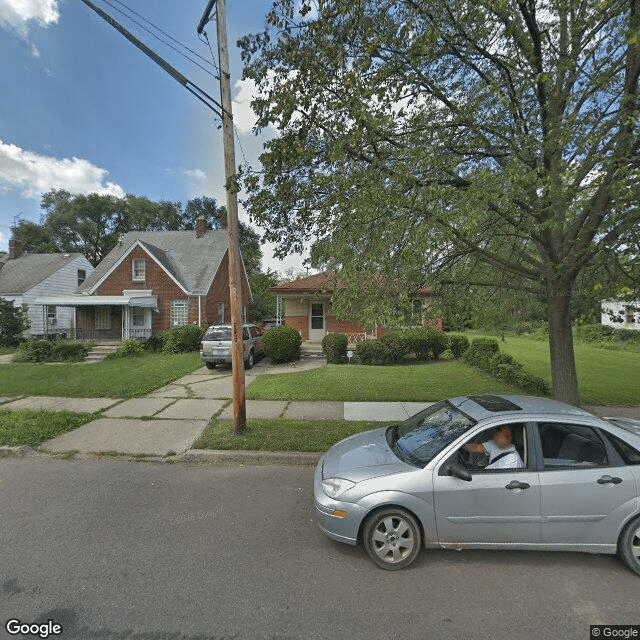
Triduum Healthcare Services, Inc in Detroit, MI
Save
7409 Penrod Street, Detroit, MI 48228
For more information about senior living options: (844) 490-3973
What level of care are you interested in?

Assisted Living

Memory Care

Independent Living

Skilled Nursing Facility

Continuing Care Retirement Community (CCRC)CCRC

Other
This Detroit-primary care model is best suited for families and individuals who want a relationship-first, guidance-driven approach to health care. It suits those who value long, unrushed visits, transparent conversations, and a doctor who remains accessible through text or email for questions and tweaks to the care plan. The model works especially well for people who lack robust insurance or who want predictable costs, because it pairs a monthly membership with discounted labs, imaging, and medications, plus same- or next-day access when issues arise. The care teams led by physicians who emphasize listening, patient education, and shared decision-making create a durable foundation for ongoing wellness, not a one-off triage. It is a system designed around transparency, personal accountability, and hands-on involvement from both patient and clinician.
Those who should consider alternatives are the ones who rely on traditional insurance-based primary care or who dislike subscription-style pricing. The reviews show a clear split: for some, the $75-per-month membership and the accompanying access deliver outstanding value; for others, the same structure feels misaligned with what they actually need or spend. A few patients report frustration with minimum-term or cancellation terms, and some felt the per-visit value did not justify the ongoing cost when testing or intensive care was not required. Those who expect standard insurance coverage to cover routine visits with minimal out-of-pocket expense may find the model less attractive. In short, if a conventional copay-and-visit paradigm feels more predictable, alternatives may be preferable.
The strongest pros are concrete and meaningful in daily life. The clinics' ability to schedule same- or next-day visits, the extended appointment times, and the absence of pressurized, rushed encounters consistently reduce the anxiety many feel about health care. The model emphasizes relationship-building - patients report feeling heard, understood, and actively involved in treatment decisions. Direct physician access via text or email shortens response times and improves follow-through on tests and referrals. On-site pharmacy options and discounted medications further amplify the practical savings, especially for families managing chronic conditions. The overall experience often translates into measurable health improvements, with patients describing weight loss, better lab results, and more control over health trajectories.
That said, the approach is not without variability. The strongest care stories come from patients who align with the core physicians - Dr. Rabaut, Dr. Orlich, and Dr. Paul - who invest time, share current research, and maintain high responsiveness. Yet a few reviewers recount less favorable interactions or concerns about consistency across providers. One or two accounts mention uncomfortable dynamics or perceived pressure related to the enrollment model, while others highlight occasional administrative or app-related friction. For those balancing expectations, it is essential to understand that care can feel dramatically different depending on which physician, nurse, or staff member is on the appointment slate that day.
Cost tension remains the most consequential con for some. Several reviews stress that the value of the membership hinges on ongoing engagement: frequent visits, in-depth testing, and continuous coaching tend to justify the price, while sparse use can leave the annual outlay feeling steep. A detailed example notes a year with a $1,900 level of testing and services alongside ongoing membership, versus others who felt the model was not worth the outlay given the care received. The friction around pricing is real, even when many patients praise affordability relative to traditional care, because perceived value is highly personal and usage-driven. This is not a one-size-fits-all arrangement; it rewards active participation and consistent engagement.
In the end, the decision hinges on what kind of patient-physician relationship is valued. For families seeking a warm, participatory, and affordable pathway to primary care - where a doctor knows the family, responds quickly, and guides long-term wellness - this Detroit DPC approach is a powerful choice. It excels when there is a willingness to embrace a subscription model, to use cost-saving channels for meds and labs, and to invest in frequent, meaningful interactions with a trusted clinician. For those who prefer the certainty of traditional insurance-based care, or who want minimal ongoing costs with limited engagement, it may make sense to pursue alternatives. Begin with a thorough intake, request a clear breakdown of costs, confirm which providers are consistent for the family, and test drive the model with a focused care plan to determine if the value and health outcomes justify the commitment.
Triduum Healthcare Services, Inc. is an assisted living community located in Detroit, MI. Situated in a convenient and accessible location, this community offers a range of amenities and services to cater to the needs of its residents.
Within close proximity, residents have access to four cafes, providing them with various options for socializing over a cup of coffee or enjoying a light meal. Additionally, three parks are nearby, offering tranquil and scenic environments where residents can take leisurely walks or engage in recreational activities.
For any medical needs, there are seven pharmacies available in the vicinity, ensuring that residents have easy access to their prescriptions and other healthcare essentials. Five physicians nearby provide added convenience for regular check-ups or specialized medical care.
When it comes to dining options, the community is surrounded by eleven restaurants that offer diverse cuisines to cater to different tastes and preferences. Residents can choose between casual eateries for quick meals or upscale establishments for special occasions.
For those seeking spiritual fulfillment and connection within their community, there are two places of worship situated nearby where residents can participate in religious services or engage with like-minded individuals.
Lastly, the presence of a hospital nearby provides peace of mind knowing that emergency medical care is readily available if needed.
Overall, Triduum Healthcare Services offers an assisted living community that prioritizes convenience and well-being by providing easy access to various amenities such as cafes, parks, pharmacies, physicians, restaurants, places of worship, and hospitals.
This part of Detroit, Michigan offers a range of amenities and services that would be beneficial for seniors looking to settle in the area. There are several pharmacies and physicians' offices within easy reach, including reputable healthcare facilities such as Beaumont Dearborn Hospital and Henry Ford Hospital. In addition, there are plenty of dining options nearby, with popular restaurants like Wendy's and Al-Ameer in close proximity. For those who enjoy spending time outdoors, there are several parks within a short drive, providing opportunities for leisurely walks or relaxation. Places of worship can also be found nearby for those who value spiritual connections. Overall, this area offers convenience and accessibility to essential resources that would support a comfortable lifestyle for seniors.
Triduum Healthcare Services, Inc is located at 7409 Penrod Street, Detroit, MI 48228 in Wayne County, Michigan
Fecal Incontinence in Older Adults: A Comprehensive Guide

Fecal incontinence, prevalent among older adults, arises from factors like weakened pelvic muscles and nerve damage, significantly affecting well-being and social interactions. Diagnosis involves clinical evaluation and tests to inform tailored treatments, while caregivers and preventive measures can aid in managing the condition effectively.
Recognizing the Journey: Understanding and Navigating Anticipatory Grief

Anticipatory grief is an emotional response to the impending loss of a loved one, characterized by complex emotions such as sadness and anger, and involves navigating stages similar to those identified by Kübler-Ross. Coping strategies are vital for managing this process, emphasizing compassionate communication, self-care, and support groups while recognizing the cultural influences on grieving.
Encouraging Participation in Adult Day Care: A Guide to Supporting a Hesitant Parent
Adult day care programs offer essential support and activities for older adults, yet many hesitate to participate due to concerns about independence and stigma. To alleviate these apprehensions, families should facilitate open discussions, explore financial resources, suggest trial visits, and collaborate with healthcare providers to highlight the benefits of such services for both the participants and their caregivers.