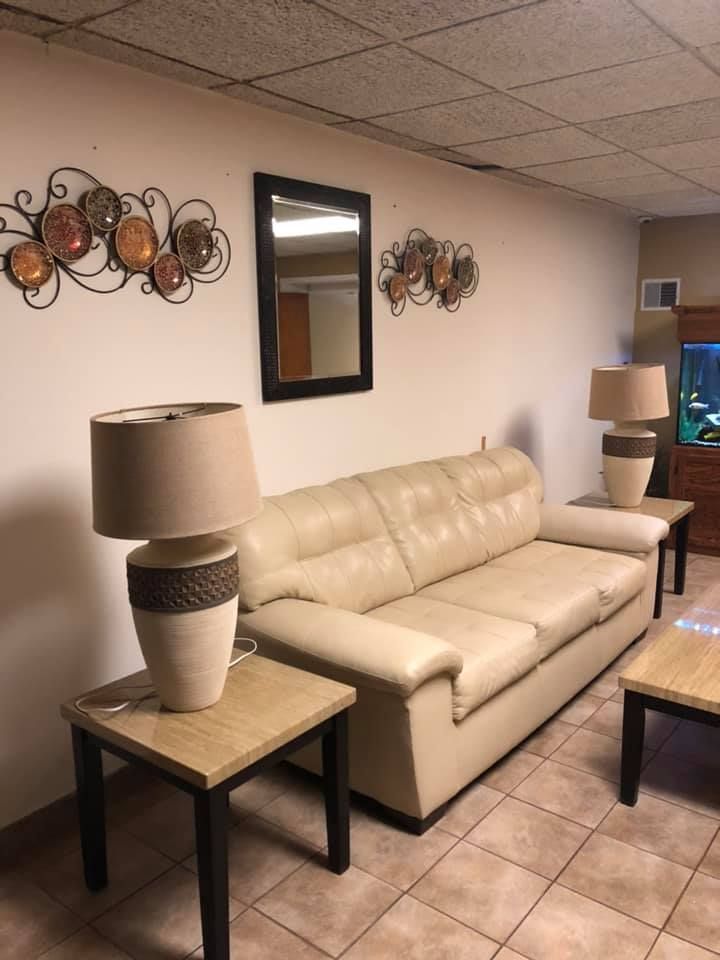
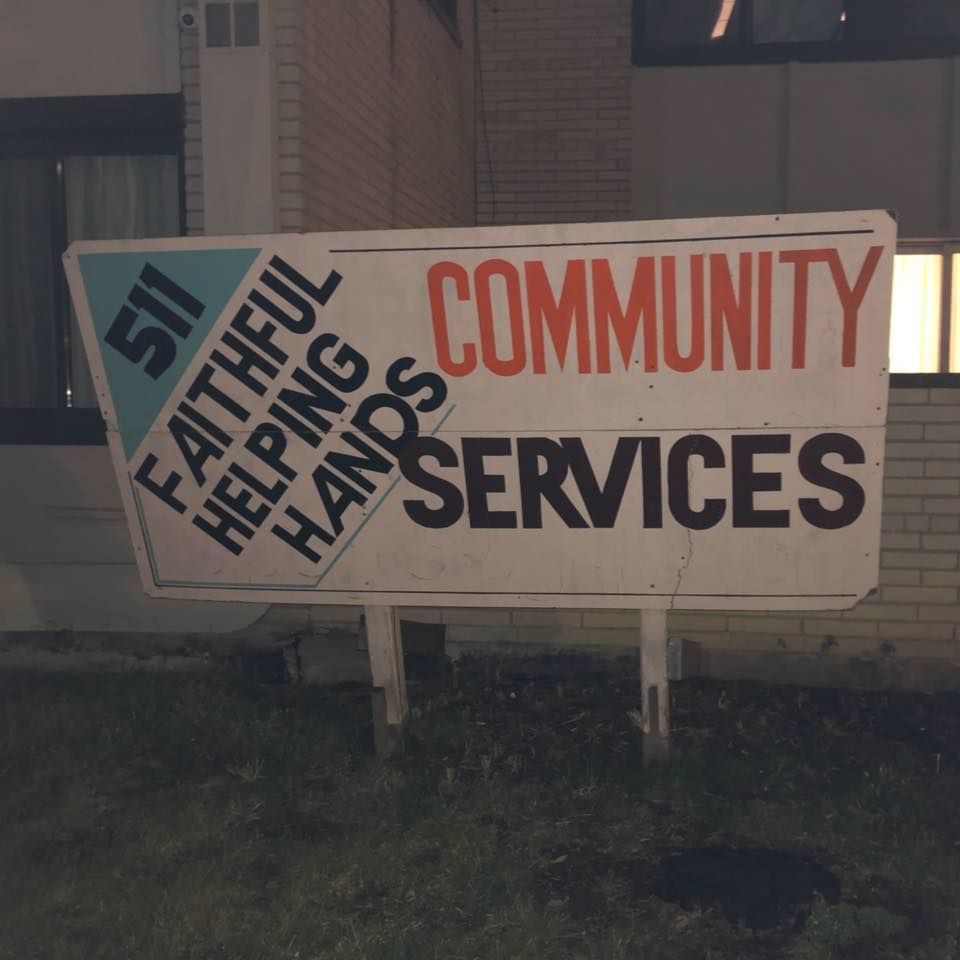
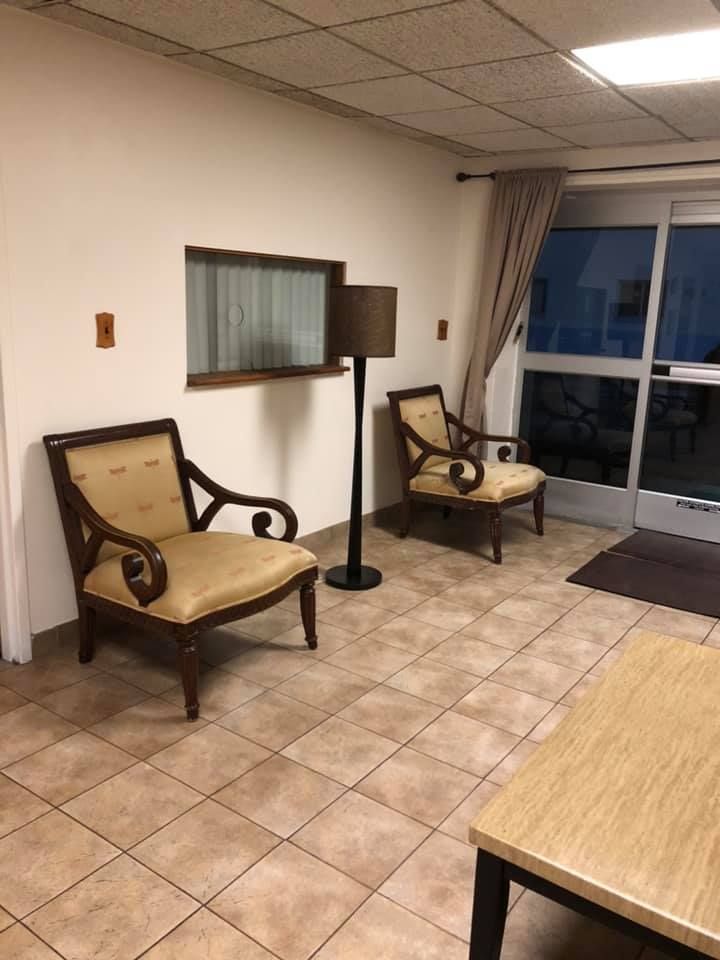
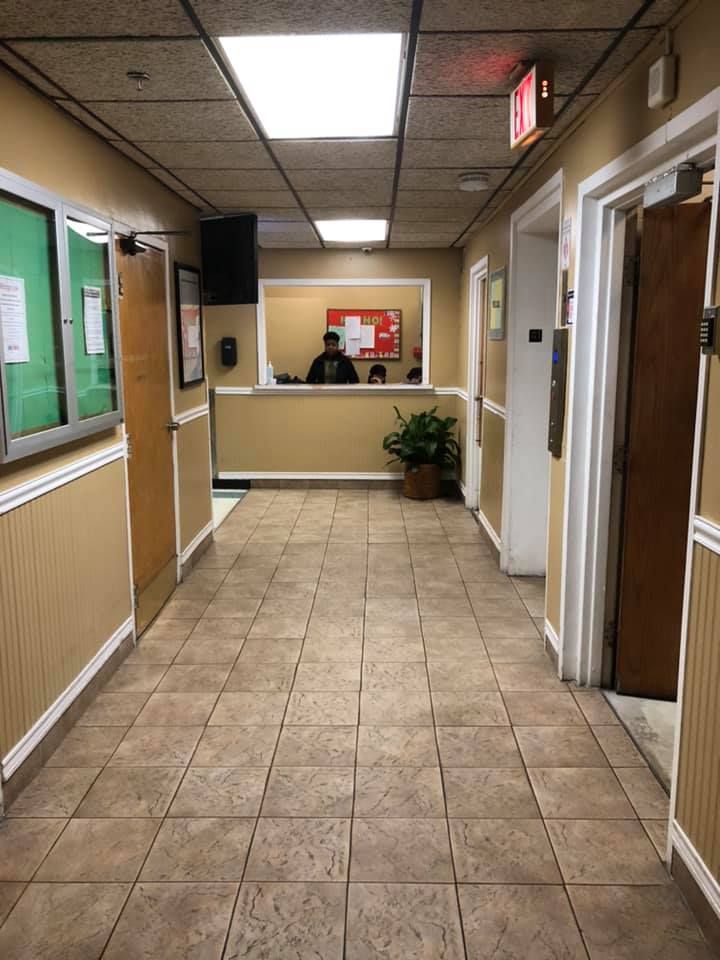

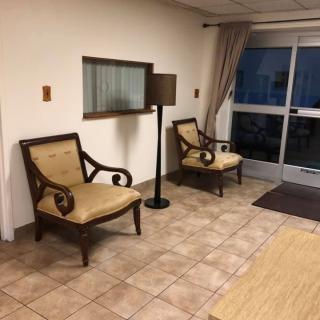
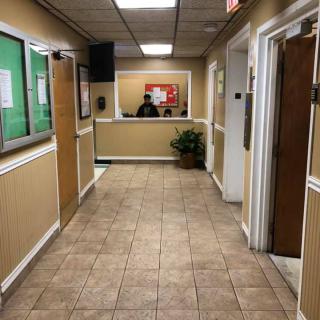
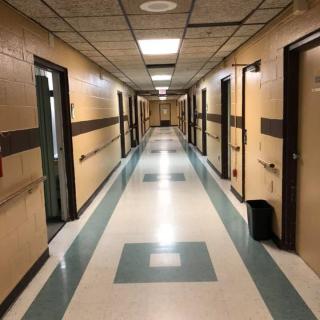
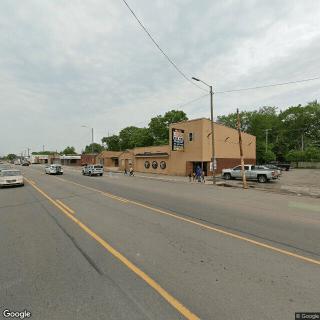
6232 Cadieux Road, Detroit, MI 48224
For more information about senior living options: (866) 208-4318
Overall Review of Faithful Helping Hands
Pros
 The center offers physical therapy.
- Residents enjoy playing cards.
- They sometimes watch movies in the dining area.
Cons
 Parkeast Healthcare Center is not up to the reviewer’s standards.
- The rooms are cramped and have three beds.
- Visits are allowed in the dining room, but residents watch TV there.
- Meals are served on bare paper plates with plasticware and no cover, while the client eats in his room.
- Although there are activities like physical therapy and card games, outings are limited.
- Movies are only sometimes shown in the dining area.
Review
Faithful Helping Hands in Detroit appears best suited for families that prioritize straightforward, budget-conscious care and are prepared to verify details in person rather than rely on public praise. The publicly available feedback for this specific community is extremely limited, and the only published critique attached to this set of data concerns a different facility, Parkeast Healthcare Center. That means any conclusions about Faithful Helping Hands must be grounded in direct tours and verifiable specifics (room configurations, meal service, activity options, and daily routines) rather than broad promises. In practical terms, this community is likely to attract families seeking basic care with an emphasis on affordability, while leaving plenty of room for misalignment if private space, dining experience, and robust programming are priority issues.
Who may want to consider alternatives? Anyone whose expectations include roomy private living space, frequent outings, and a dining experience that feels polished and resident-centered should broaden the search. The cited review describes a cramped room with three beds, which raises immediate red flags about privacy, safety, and the ability to accommodate mobility or sensory needs. If the loved one values personal space, predictable daily structure, and a strong emphasis on social engagement outside the facility’s walls, this is a clear signal to look elsewhere. Likewise, if the dining experience, private dining, covered meals, and a more refined presentation, matters, demand a facility that demonstrates these standard practices.
From the review, some operational pros show up in passing: physical therapy services are noted, there is card-playing as an activity, and there are occasional outings and in-dining-area movie sessions. These elements indicate that basic rehabilitative care and light social programming exist, which can be meaningful for residents needing steady routine and gentle engagement. Yet these positives do not meaningfully offset the dominant drawbacks, the physical footprint of the living space, the lack of privacy due to multi-occupancy, and a dining-and-activity environment that blends meals with shared TV viewing and simpler service style. In decision terms, the material benefits are insufficient to overcome the core quality-of-life concerns highlighted by the review.
For families actively evaluating Faithful Helping Hands, the practical path forward is a rigorous, on-site validation of space, meals, and routines. Request a current floor plan that shows room types and occupancy limits, and insist on seeing both private and shared configurations. Obtain a sample weekly menu and observe the meal service to determine if meals are served with appropriate privacy and nourishment, not simply in a communal, high-traffic setting. Review the activity calendar for depth and frequency, and ask to observe how therapy services are integrated into daily life rather than appearing as isolated sessions. The goal is to ensure the living environment complements care, rather than compromising dignity and comfort.
These considerations point to a clear verdict: for residents who require strong privacy, a robust and varied calendar of outings, and higher dining standards, Faithful Helping Hands may fall short unless concrete, demonstrated improvements are in place. Families should bring a blunt checklist to every tour, private room availability, size and layout, dining practices, frequency of outings, staffing ratios, and a transparent fees structure. If any of these elements trigger hesitation, it is prudent to explore alternatives with proven capabilities in delivering both care and a livable, respectful home-like atmosphere.
In the end, the decision should hinge on apples-to-apples comparisons with nearby Detroit-area options that can demonstrate private accommodations, a more dynamic activity program, and a dining experience that aligns with contemporary senior living standards. Use a disciplined, tour-led evaluation process: confirm must-have features, quantify space and privacy, verify meal quality and service style, and scrutinize the consistency of programming across a typical week. When Faithful Helping Hands can deliver on these guarantees consistently, the fit will become evident; until then, consider other communities that present a clearer alignment between resident comfort, dignity, and the level of care required.
 119 resident community capacity
 Assisted Living
 Air-conditioning
 Beauty salon
 Cable or satellite TV
 Computer center
 Dining room
 Fitness room
 Fully furnished
 Gaming room
 Garden
 Housekeeping services
 Kitchenette
 Move-in coordination
 Outdoor space
 Private bathrooms
 Restaurant-style dining
 Small library
 Telephone
 Wellness center
 Wi-Fi/high-speed internet available
 Community operated transportation
 12-16 hour nursing
 24-hour call system
 Activities of daily living assistance
 Assistance with bathing
 Assistance with dressing
 Assistance with transfers
 Diabetes diet
 Medication management
 Mental wellness program
 Special dietary restrictions
 Concierge services
 Planned day trips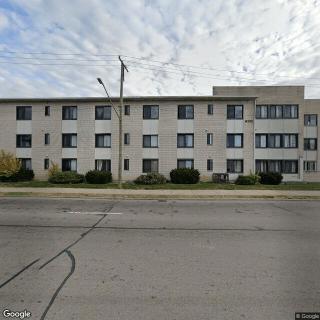


 Understanding the Distinctions: Assisted Living and Memory Care Explained
 Guiding Elderly Parents Who Refuse Assisted Living: 6 Practical Steps
 Your Comprehensive Guide to Luxury Assisted Living: Elevated Facilities, Amenities, and Costs