
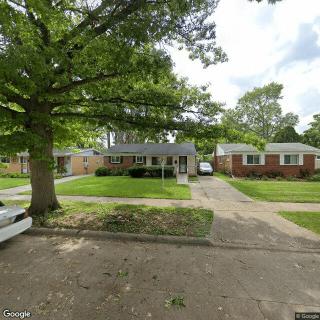
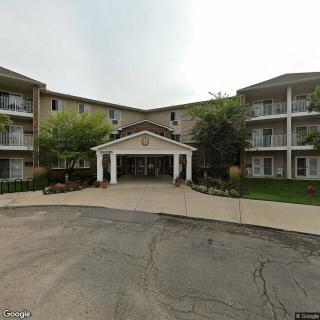
20021 Cherokee Street, Detroit, MI 48219
For more information about senior living options: (866) 208-4318
Overall Review of Cherokee Hills Assisted Living
Pros
 The staff are compassionate and go above and beyond to care for residents.
- The nursing department is phenomenal, quick to advocate for residents and assist families.
- The therapy department is top notch, making therapy enjoyable and encouraging residents to do their best, with outpatient therapy available.
- Careage Hills goes above and beyond to care for residents, with friendly staff, delicious food, and activities tailored to the residents.
- The facility offers engaging amenities like an aviary and fish tank, with staff bringing in animals for residents to enjoy.
- Therapy helps keep residents mobile and prevents decline in function.
- The staff are enthusiastic, hardworking, and truly care about residents, often extending care to families as well.
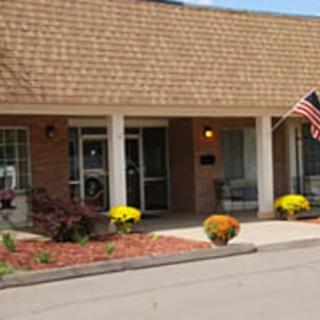
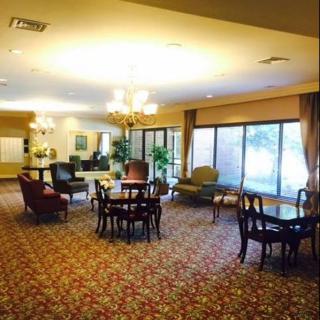
- The environment is welcoming, comfortable, and feels like home with a family-oriented atmosphere.
Cons
 The nurse on staff laughed at the family when they asked questions about their mother's care, then covered her smile with her hand.
- A very confused resident smelling of urine was left in the hall and ignored by staff.
- Staff did nothing when the family pointed out the distressed resident who said she didn’t want to be there and would rather be dead.
- One resident stated she didn’t want to be at this dump anymore and would rather be dead.
Review
Cherokee Hills Assisted Living in Detroit is best suited for families seeking a warm, active senior community where clinical support and rehabilitation services sit at the core of daily life. The nursing department is repeatedly described as phenomenal, with staff who advocate for residents and move quickly to involve families in care decisions. This is a place where medical and restorative work is front and center, backed by a social-services backbone that helps families navigate complex funding like Medicaid. For residents who benefit from structured therapy, regular outpatient options, and a program that keeps mobility and independence within reach, Cherokee Hills delivers measurable value.
The community also fits well for families managing transitions from hospital or rehab settings and coordinating benefits. Cameo, the HR/Business Office Manager, is highlighted for guiding Medicaid arrangements not only for a resident but often for a spouse as well, and for maintaining follow-up support after a discharge or transfer. Therapeutic services are consistently praised as engaging and effective, with therapists encouraging residents to push toward their best while making sessions enjoyable. Outpatient therapy expands the impact beyond the walls of the facility, enabling ongoing progress even after formal discharge from a stay. The ambiance feels home-like, with activities that feel tailored to individual interests, making residents want to participate rather than merely occupy time.
However, attention to care culture is not without caveats. One distressing review recounts a staff interaction where a nurse laughed when a family spoke up about concerns, while a confused resident in a hallway reportedly went unattended. Such episodes illuminate a real risk: when staff responses falter in moments of vulnerability, trust can be shaken and families may question consistency of care. This is not presented as the norm, given the otherwise abundant praise for compassion and professionalism, but it is a meaningful reminder that even strong programs can experience rough patches or uneven bedside manner across shifts. Prospective entrants should weigh how critical continuous warmth and immediate responsiveness are to their loved one’s sense of security.
Despite those concerns, the daily lived experience for most residents appears deeply positive and practical. Families repeatedly highlight staff who go above and beyond, with particular praise for individuals who coordinate care from multiple angles and keep lines of communication open. The atmosphere is described as nurturing and respectful, with activities that feel purposeful rather than perfunctory. The presence of animals and engaging amenities, aviary, large fish tank, and staff-led pet visits, adds a layer of everyday joy that can sustain mood and motivation. For families who value visible devotion to residents, the combination of a caring nursing team and a lively activities calendar is a strong offset to the occasional service misstep.
From a decision-making standpoint, Cherokee Hills represents a compelling choice for those who want robust clinical oversight, dependable rehab, and a community that treats residents like family. The strongest arguments in favor are the experienced nursing leadership, the quick advocacy for residents, and the comprehensive therapy program that emphasizes mobility and prevention of decline. The social-work and admissions pathways are effectively navigated, making Medicaid and other benefits less daunting for families already juggling logistics. The downsides to consider center on the possibility of inconsistent interpersonal interactions, particularly during certain shifts, which can undermine confidence in care if not addressed promptly. Prospective residents should explicitly assess how a facility handles staffing coverage, supervisor oversight, and continuing staff development in patient-centered communication.
In the end, Cherokee Hills is a practical, experienced choice for families prioritizing medical support, rehab momentum, and an inviting, activity-rich environment. When the primary concerns are meaningful clinical engagement, transparent family communication, and programs that keep residents active and engaged, this community delivers with measurable momentum. The notable caveat is the potential for episodic lapses in bedside responsiveness; for families who demand near-perfect consistency in compassion and attentiveness at all hours, it is wise to compare options and probe how each community trains and monitors front-line staff. For most families weighing a transition into assisted living with a strong rehab backbone, Cherokee Hills stands out as a thoughtful, capable partner in care.
 6 resident community capacity
 Assisted Living
 Cable or satellite TV
 Dining room
 Fully furnished
 Garden
 Housekeeping services
 Move-in coordination
 Outdoor space
 Telephone
 Wi-Fi/high-speed internet available
 Detroit Metropolitan-Wayne County (16 miles away)
 24-hour supervision
 Activities of daily living assistance
 Assistance with bathing
 Assistance with dressing
 Assistance with transfers
 Diabetes diet
 Meal preparation and service
 Medication management
 Special dietary restrictions
 Transportation arrangement (medical)
 Transportation to doctors appointments
 Securing Financial Support for Assisted Living: A Comprehensive Overview
 Social Security Benefits and Assisted Living: Navigating Options Across the U.S.
 An Extensive Exploration of the VA Aid and Attendance Benefit