
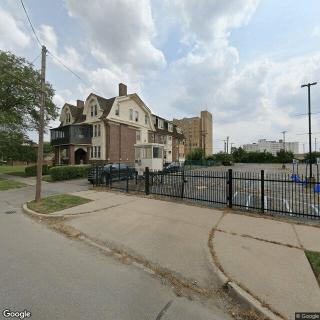
509 Chandler, Detroit, MI 48202
For more information about senior living options: (866) 208-4318
Overall Review of Chandler Residence Assisted Living
Pros
 The police and fire department are always there.
- Their presence provides a sense of safety.
- The police and fire department contribute to a safer environment.
Cons
 The assisted living workers are rude and always fighting and screaming.
Review
Chandler Residence Assisted Living in Detroit is best suited for families that must move quickly and are willing to tolerate a stressful, unsettled environment in exchange for access to basic care. The available information frames this community as a option only when other avenues are exhausted, price is a primary constraint, and there is tolerance for ongoing disruption. In practical terms, it is a fit for those who can stomach frequent discomfort, lack of calm routines, and doubts about day-to-day staff interactions. For most families prioritizing dignity, safety, and reliable care, this is not an endorsement but a cautionary starting point.
Those evaluating alternatives should prioritize facilities with demonstrable stability, respectful interpersonal culture, and proven safety records. Detroit and nearby suburbs offer options that emphasize person-centered care, lower incident frequency, and clear escalation protocols. The due-diligence process should include multiple tours, conversations with current residents and family members, and a request for recent incident logs or quality dashboards. Verify licensing history and deficiency records, and probe how staff conflicts are resolved. When time is tight, consider short-term stays at higher-rated communities to test the environment before committing long term.
From the testimony available, the dominant cons are unmistakable. The repeated presence of police and fire responders points to ongoing disturbances rather than routine operations, introducing unpredictability and potential safety concerns into daily life. Interactions described as rude and prone to fighting or screaming destroy trust and dignity, increasing caregiver turnover and destabilizing routines. For seniors who depend on regular assistance with daily activities, such an atmosphere can magnify anxiety, disrupt sleep, and create a pervasive sense of insecurity that undermines both physical and emotional well-being.
On the other hand, any facility with visible staff and available caregivers provides some baseline level of assistance and monitoring. The practical implication is that help is accessible during waking hours, and emergency response can occur quickly. Yet the core question remains whether those advantages justify staying in a setting where disruptive incidents and disrespectful communication appear to be the norm. The potential upside, if it exists at all, is too tenuous to rely on when daily quality of life and a calm, respectful atmosphere are non-negotiable priorities.
The balance clearly tips away from Chandler Residence for most families. The apparent pros do not meaningfully offset the central drawbacks: a volatile environment, disrespectful staff interactions, and the frequent presence of emergency responders that erode day-to-day life. If decision time arrives, base it on concrete comparisons: demand comprehensive tours, request objective care metrics, and benchmark against facilities with consistently strong culture, safety records, and resident satisfaction. Ensure there is accountability for staff training and conflict resolution, and insist on transparency around how incidents are managed.
Bottom line: this community is unlikely to meet the expectations of families seeking stable, respectful care in a peaceful setting. Alternatives should be pursued aggressively, with emphasis on staff culture, resident well-being, and robust safety measures. If Chandler Residence remains under consideration, treat it as a last resort and structure the evaluation with stringent criteria: observe morning and afternoon routines, review incident logs, confirm staff-to-resident ratios, and seek a clearly defined probationary period with measurable milestones. The choice should center on dignity, safety, and reliable, compassionate assistance rather than convenience or cost alone.
 6 resident community capacity
 Assisted Living
 Board and Care Home
 Respite Care
 Cable or satellite TV
 Dining room
 Fully furnished
 Garden
 Housekeeping services
 Move-in coordination
 Outdoor space
 Telephone
 Wi-Fi/high-speed internet available
 Detroit Metropolitan-Wayne County (18 miles away)
 24-hour supervision
 Activities of daily living assistance
 Assistance with bathing
 Assistance with dressing
 Assistance with transfers
 Diabetes diet
 Meal preparation and service
 Medication management
 Special dietary restrictions
 Transportation arrangement (medical)
 Transportation to doctors appointments




 Understanding the Distinctions: Assisted Living and Memory Care Explained
 Guiding Elderly Parents Who Refuse Assisted Living: 6 Practical Steps
 Your Comprehensive Guide to Luxury Assisted Living: Elevated Facilities, Amenities, and Costs