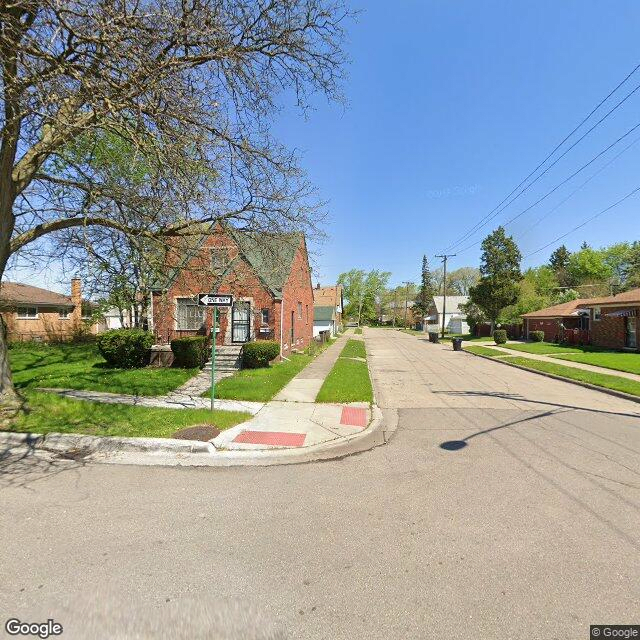
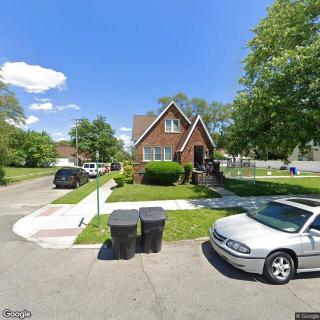
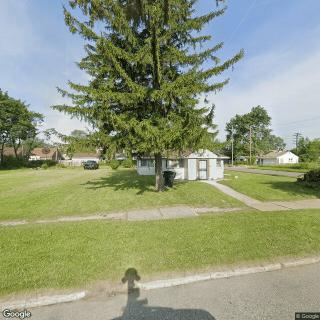
7207 Buhr, Detroit, MI 48227
To contact a resident: (313) 804-0334
For more information about senior living options: (866) 208-4318
Best Kept Home Care Costs & Pricing
Best Kept Home Care offers competitive pricing for its services, with monthly costs reflecting the quality of care provided. For a semi-private room, residents can expect to pay $4,500, which is significantly higher than the averages of $2,860 in Wayne County and $3,191 across Michigan. In terms of private accommodations, the monthly rate rises to $6,000, again surpassing the local and state averages of $3,335 and $3,675 respectively. While these costs may be steeper than other options in the area, they are indicative of the specialized care and attention that Best Kept Home Care delivers to ensure a nurturing environment for all residents.
| Floor plans | Best Kept Home Care | Wayne County | Michigan |
|---|---|---|---|
| Semi-Private | $4,500 | $2,860 | $3,189 |
| Private | $6,000 | $3,335 | $3,674 |
Senior living communities with a similar price nearby
-
About the same
Homewatch Caregivers
$4,595 to $9,095 / month18.8 miles away -
from -$805 / mo

Sarah Care Adult Day Care
$3,695 to $4,295 / month18.4 miles away -
from +$500 / mo
Greencastle Family Care
$5,000 / month10.0 miles away -
from -$700 / mo
Silverbell Manor
$3,800 / month23.2 miles away -
from +$200 / mo
Pam's Carehome
$4,700 / month7.2 miles away
Overall Review of Best Kept Home Care
Pros
 The staff are outstanding and the food is exceptional.
- Loved ones are treated with dignity and receive the care they need.
- The home environment at Good Care Home Care is unparalleled.
- Families can leave their loved ones there for the best possible care.
- The care provided is very personal, offering peace of mind.
- The facility provides Arabic-speaking staff and halal food.
- The services are described as the best ever, prioritizing health.
Review
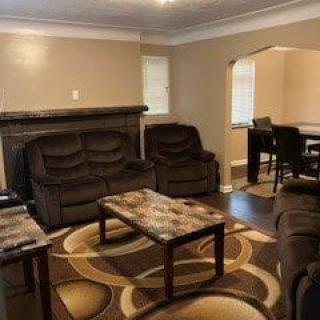
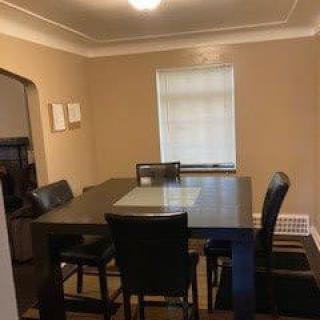
Best Kept Home Care in Detroit is best suited for families seeking a truly home-like senior living option where warmth, dignity, and highly personalized attention are the anchors of daily life. Reviewers consistently highlight staff excellence and meals that feel thoughtfully prepared, producing an atmosphere that resembles a nurturing home more than a clinical setting. The combination of attentive caregivers, predictable routines, and a culture that respects residents’ dignity makes this community stand out for families who prioritize emotional well-being, daily reassurance, and a sense of safety over flashier amenities. In short, this is the choice for households that value intimate, compassionate care delivered with a personal touch.
Those weighing alternatives should consider whether the priority is expansive medical resources or broad social programming. If a resident requires heavy clinical oversight, specialized memory care programming, or a campus with multiple on-site clinicians, Best Kept Home Care may feel undersized. The reviews celebrate a home-forged environment and personal attention rather than a vast array of medical services or high-energy activity calendars. For families that equate care with advanced medical infrastructure or resort-like amenities, other options with larger teams and formalized medical continuity could be more suitable.
The strongest advantages are clear and practically transformative: exceptional staff performance, dignified treatment of residents, and the sense that every day carries genuine, personal attention. The quality of the food and the homelike setting contribute significantly to morale and overall quality of life, reinforcing independence rather than diminishing it. A key strength is the cultural accommodation, Arabic-speaking staff and halal food, which alleviates stress for families seeking alignment with religious and dietary practices. These elements collectively produce peace of mind for relatives and a comfortable, respected experience for residents.
These advantages offset potential downsides by emphasizing warmth, trust, and daily reliability over clinical breadth. While the reviews do not surface explicit negatives, the implied trade-off is a smaller, more intimate operation with fewer on-site medical services than larger facilities. In this balance, the strengths, the personal care, steady caregiver presence, and clear lines of communication with families, act as compensating forces. For families satisfied by a home-centered model, the absence of a sprawling medical footprint is not a deficiency but a feature that preserves dignity, privacy, and individualized attention.
Practical considerations center on language, culture, and daily routines. The Arabic-speaking staff and halal meal options address critical needs for families seeking cultural congruence, while the quality of meals and the home-like rhythm support sustained well-being. Location in Detroit matters for proximity and convenience, and the smaller scale can influence the breadth of social activities offered; still, intimacy often translates into higher satisfaction and more meaningful daily oversight. Prospective residents should confirm staffing ratios, the scope of available medical services on-site, and the care plans in place to manage evolving health needs, ensuring alignment with personal or family expectations.
Bottom line: Best Kept Home Care is a strong fit for families prioritizing a warm, dignified, culturally attuned, home-like environment backed by outstanding staff. It delivers peace of mind through personal attention, consistent routines, and a daily sense of being valued and understood. Those requiring extensive clinical treatments, specialized memory-care infrastructure, or a wide network of medical services should explore alternatives and compare not only price but the depth of medical support and activity programming. For many families, a visit coupled with conversations about caregiver communication, daily schedules, and caregiver-resident compatibility will confirm that this model meets essential needs and often exceeds expectations in how care feels day to day.
 Board and Care Home
 Activities off-site
 Air-conditioning
 Bath tubs
 Cable or satellite TV
 Full kitchen
 Indoor common areas
 Outdoor common areas
 Private
 Wi-Fi/high-speed internet available
 Detroit Metropolitan-Wayne County (15 miles away)
 Anytime dining
 BBQs or picnics
 Birthday parties
 Day trips and outings



 Fecal Incontinence in Older Adults: A Comprehensive Guide
 Recognizing the Journey: Understanding and Navigating Anticipatory Grief
 Encouraging Participation in Adult Day Care: A Guide to Supporting a Hesitant Parent