Notre Dame Group Home is an assisted living community in Dearborn Heights, MI.
Information last verified:
25530 Notre Dame, Dearborn Heights, MI 48127
For more information about senior living options: (866) 208-4318
4.1 from 118 reviews
5 stars
75
4 stars
17
3 stars
6
2 stars
4
1 stars
16
Overall Review of Notre Dame Group Home
caveat22 reviews mention this
Cleanliness and odors are mixed
Residents mention both clean spaces and lingering bad odors or dirty rooms.
Some visitors describe the building as neat, well kept, and clean. Others report strong odor issues (including urine), dirty rooms or bathrooms, and maintenance lapses like mold after standing water. A few reviewers also raise concerns about overall condition, cleanliness, and neglect-like signs.
common32 reviews mention this
Care teams get strong praise
Many reviewers describe staff and nurses as kind, helpful, and supportive.
Across multiple reviews, people thank the nurses, CNAs, therapists, social work, and front desk for being caring and responsive. Several visitors describe smooth help during check-in or during visits, and some call out specific instances of assistance with comfort and mobility. A smaller set of reviews go the other direction, describing rudeness, lack of attentiveness, or delays around meds, which suggests experiences can vary.
caveat6 reviews mention this
Food quality is disputed
Reviews describe meal quality in both positive and negative ways.
Some reviewers praise the food, calling it flavorful or incredible. Others criticize the meals as unacceptable—cold, unappetizing, or unidentifiable—along with disappointment about overall nutrition quality. Because the comments swing between satisfaction and strong dissatisfaction, food appears to be one of the more inconsistent day-to-day experiences.
common2 reviews mention this
On-site therapies and support
Residents mention therapy and care support as part of the experience.
A reviewer credits rehabilitation progress over several months, including nursing support and contributions from therapy and social work. Another notes physical therapy helped someone regain enough strength to walk, and also mentions support from the social worker and business office. These comments align with the idea that therapy and care coordination are part of daily life for at least some residents.
common2 reviews mention this
Nearby everyday errands nearby
There are common nearby stops for visiting families.
Several nearby options are within a few miles for errands and visits, including pharmacy locations and medical offices. The area also includes parks and places like coffee shops and restaurants, which can make it easier for family members to coordinate time around appointments and visits.
How we summarize
Counts show how many written reviews mention each theme; a review can touch several themes, and only frequently mentioned themes are displayed.
Features
Housing
6 resident community capacity
Types of Care
Assisted Living
Amenities
Cable or satellite TV
Dining room
Fully furnished
Garden
Housekeeping services
Move-in coordination
Outdoor space
Telephone
Wi-Fi/high-speed internet available
Transportation
Detroit Metropolitan-Wayne County (6 miles away)
Care Services
24-hour supervision
Activities of daily living assistance
Assistance with bathing
Assistance with dressing
Assistance with transfers
Coordination with health care providers
Diabetes diet
Meal preparation and service
Medication management
Special dietary restrictions
Transportation arrangement (medical)
Transportation to doctors appointments
Dining
Diabetes diet
Special dietary restrictions
Activities
Community-sponsored activities
Scheduled daily activities
Nearby Places of Interest
Physicians
Dearborn Obstetrical & Gynecological Assoc PC (0.8 miles)
Ophthalmic Specialists of Michigan - Dearborn Office (1.1 miles)
Garden City Hospital Medical Office Building (3.4 miles)
Notre Dame Group Home is located at 25530 Notre Dame, Dearborn Heights, MI 48127 in Wayne County, Michigan
Nearby Communities
Love Care
Dearborn Heights, MI
3 from 1 review
$3,000 to $3,500 / month
Competitive pricing for semi-private and private rooms with comprehensive care and amenities.
Essix Place
Inkster, MI
4 from 1 review
$1,500 to $3,000 / month
Affordable pricing with private/semi-private rooms and active on-site/off-site amenities.
Florence Home
Inkster, MI
Small, intimate assisted living with furnished rooms and comprehensive care.
Ross Home
Inkster, MI
Small, fully furnished assisted living with 24/7 supervision and diabetes-friendly dining.
Ross Manor
Inkster, MI
Small, intimate community (capacity 6) with comprehensive care (ADL support, meds, diabetes-friendly dining) and furnished apartments plus meals and transportation.
Dunning II
Inkster, MI
Small, personalized assisted living with furnished units and comprehensive care.
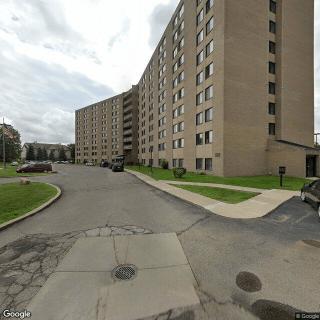
Thompson Tower Rental Office
Inkster, MI
3 from 102 reviews
Excellent access to nearby amenities (cafes, parks, pharmacies, restaurants, and medical facilities).
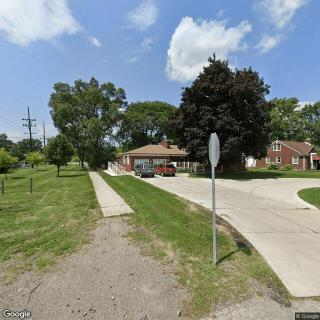
Morley Manor Cooperative Inc
Dearborn, MI
3.4 from 14 reviews
Strong community feel with affordable utilities.
Mortenview Manor
Taylor, MI
4.4 from 28 reviews
$4,000 to $4,200 / month
Compassionate staff with personalized care and a clean, welcoming environment.
Choosing between assisted living and nursing homes involves evaluating emotional and financial factors, with assisted living offering independence and support for daily activities at a lower cost, while nursing homes provide intensive medical care for individuals with significant health needs. The decision is influenced by personal preferences, health status, cognitive function, and varying Medicaid coverage across states.
Assisted living in 2025 offers a crucial balance of independence and support for seniors, with costs varying from $2,500 to over $7,000 per month based on factors such as location and care level. Understanding pricing complexities, including regional differences and potential hidden fees, is essential for families to plan financially while ensuring quality care for their loved ones.
The guide outlines the complexities of Medicaid coverage for assisted living, highlighting significant state-to-state variations, limited coverage often restricted to personal care services, and the existence of specialized waivers for certain needs like memory care. It advises families to consult local Medicaid offices for options while emphasizing the importance of understanding state-specific regulations and facility policies.
Get PricingAsk A QuestionSchedule A TourContact Senior Advisor
By clicking submit, you agree to our Partner's Terms of Use. You
also consent to receive calls and texts, which may be autodialed, from our Partner. Your consent is not a condition to
using our Partner's service. Please visit our Partner's Privacy Policy for information about their privacy practices.

 6 resident community capacity
 Assisted Living
 Cable or satellite TV
 Dining room
 Fully furnished
 Garden
 Housekeeping services
 Move-in coordination
 Outdoor space
 Telephone
 Wi-Fi/high-speed internet available
 Detroit Metropolitan-Wayne County (6 miles away)
 24-hour supervision
 Activities of daily living assistance
 Assistance with bathing
 Assistance with dressing
 Assistance with transfers
 Diabetes diet
 Meal preparation and service
 Medication management
 Special dietary restrictions
 Transportation arrangement (medical)
 Transportation to doctors appointments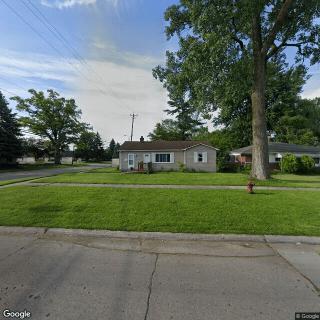
 Competitive pricing for semi-private and private rooms with comprehensive care and amenities.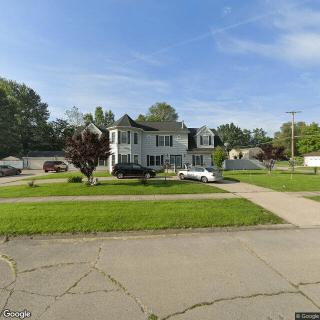

 Choosing the Right Senior Care: A Detailed Exploration of Assisted Living and Nursing Homes
 Understanding the True Cost of Assisted Living in 2025: A Comprehensive Guide
 Understanding Medicaid Coverage for Assisted Living: A Comprehensive Guide