



288 West Old Orchard Trl, Coleman, MI 48618
For more information about senior living options: (866) 208-4318
Coleman Fields Assisted Living Costs & Pricing
Coleman Fields Assisted Living in Midland offers competitive pricing for its residents, particularly when comparing the costs of room types to both Midland County and the broader state of Michigan. For a studio, Coleman Fields charges $4,000 per month, which is slightly more affordable than the county average of $4,225 but higher than the state's average of $3,824. In the case of one-bedroom accommodations, the monthly fee at Coleman Fields is set at $4,600 - this is notably above both Midland County's average of $3,855 and significantly higher than the state average of $3,384. These pricing dynamics suggest that while Coleman Fields provides a premium environment for assisted living, it also positions itself as a value-oriented option compared to other local facilities within the county.
| Floor plans | Coleman Fields Assisted Living | Midland County | Michigan |
|---|---|---|---|
| Studio | $4,000 | $4,225 | $3,824 |
| 1 Bedroom | $4,600 | $3,855 | $3,384 |
Overall Review of Coleman Fields Assisted Living
Pros
 The caregivers are loving and attentive.
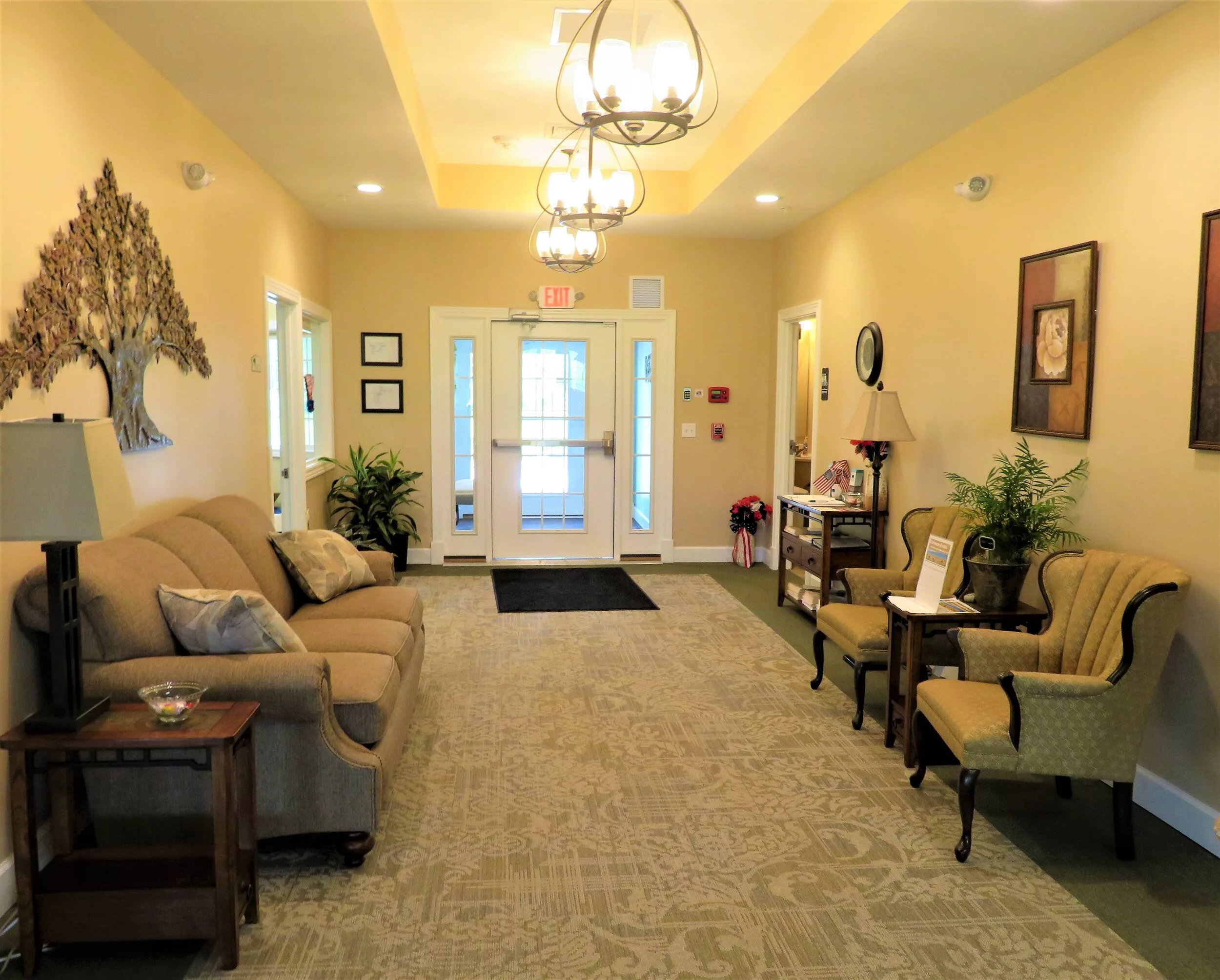
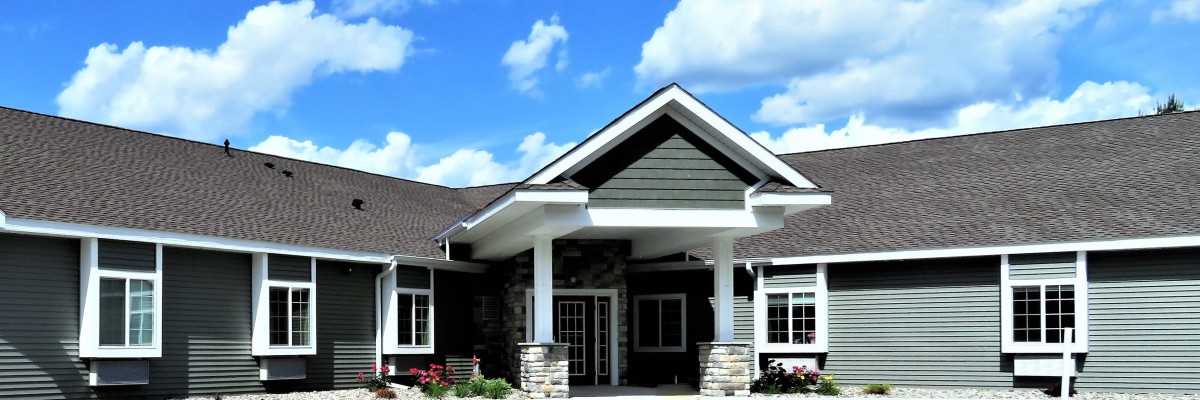
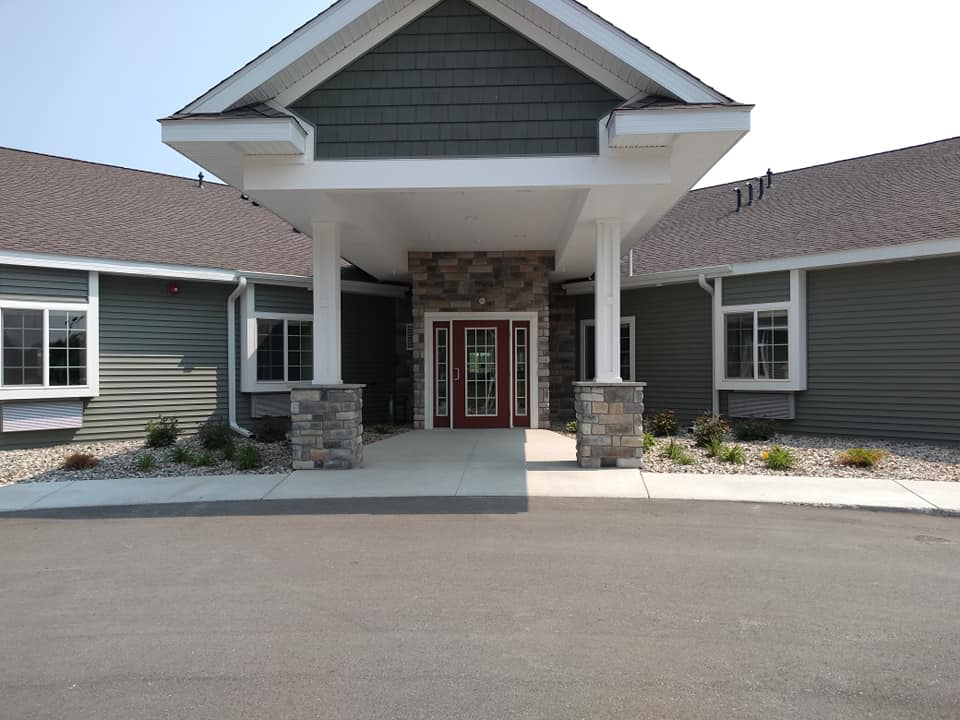
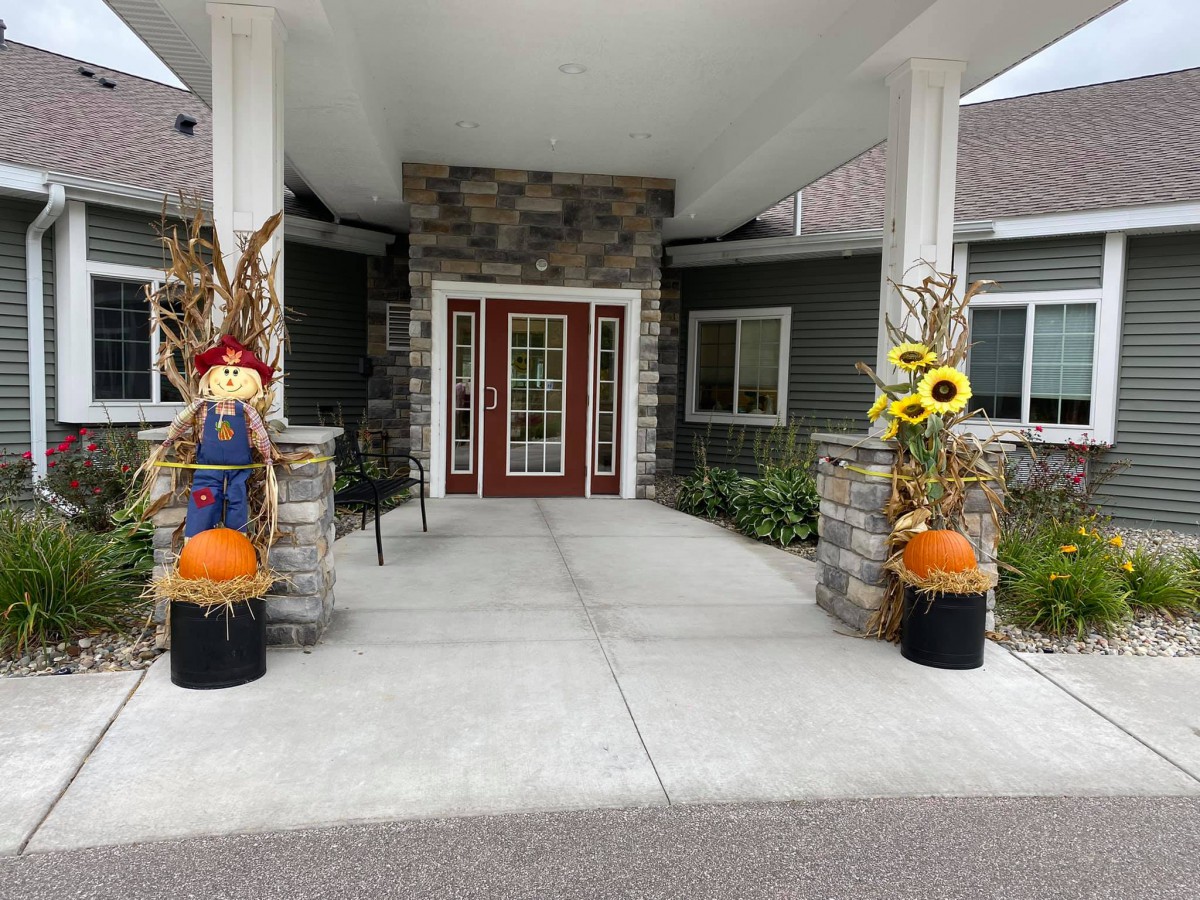
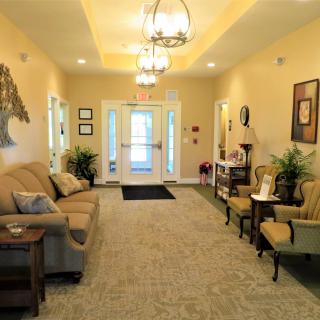
- The building is pleasant and clean.
- The apartments are spacious.
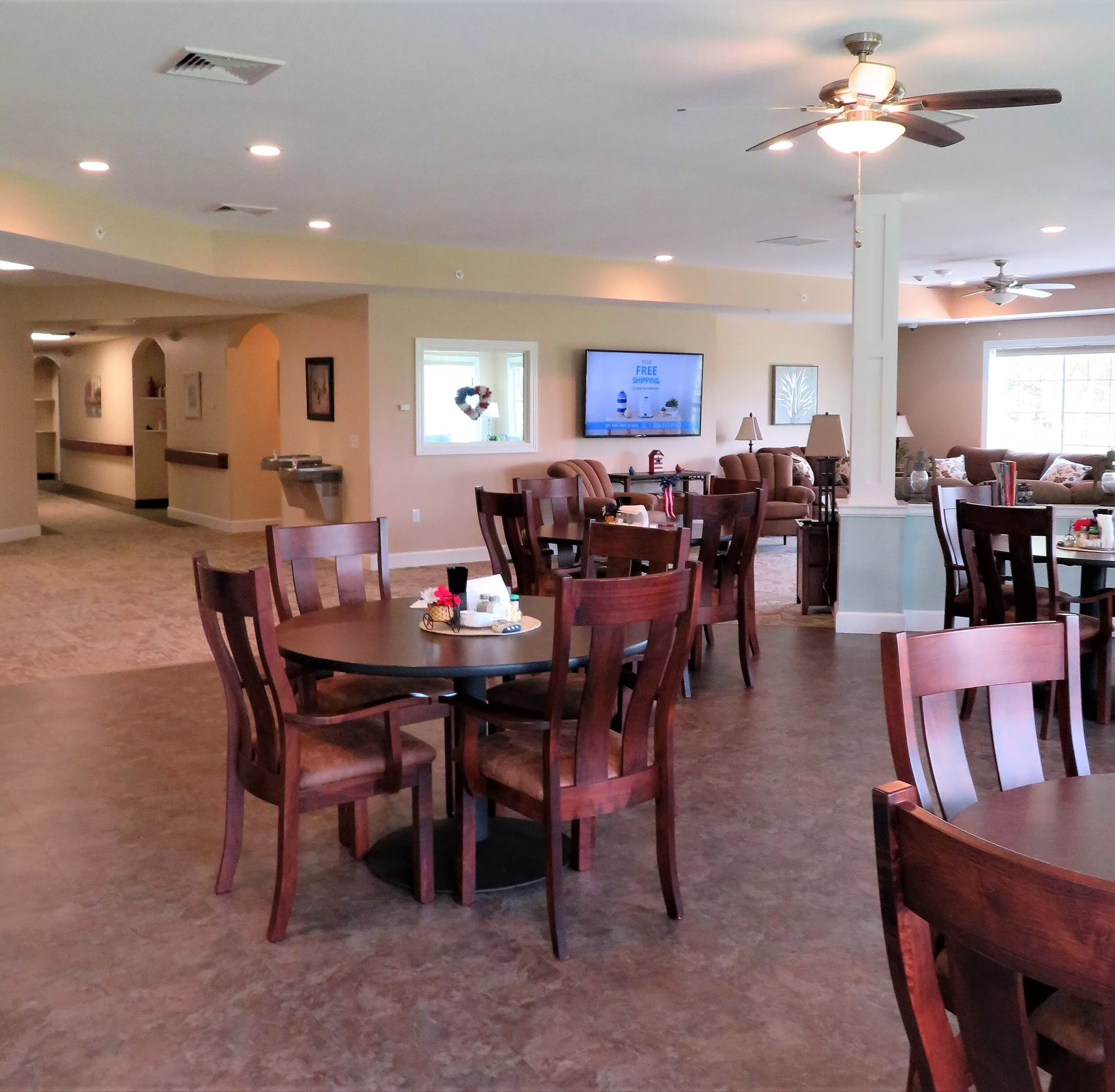
- The meals are nutritious and tasty.
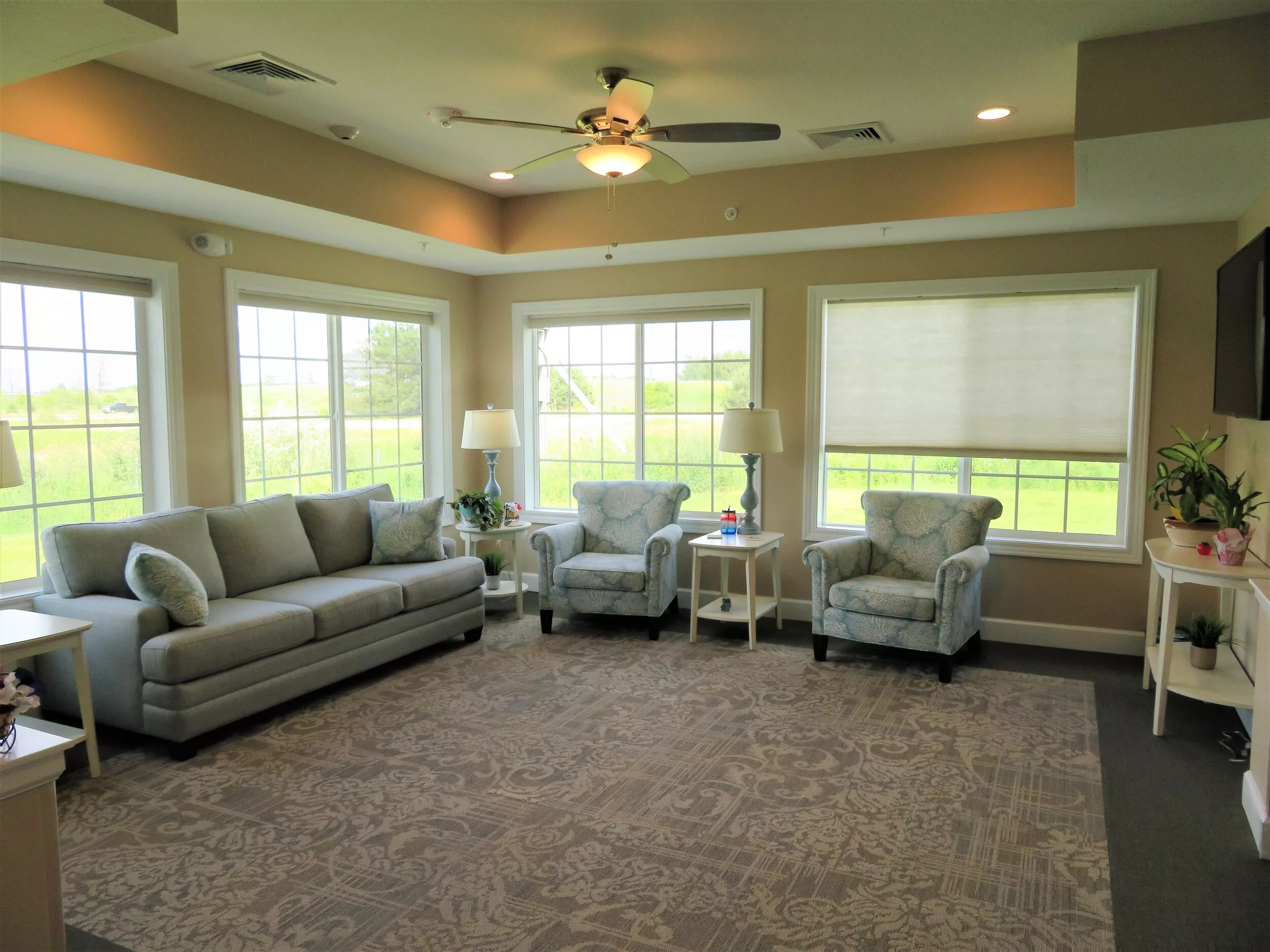
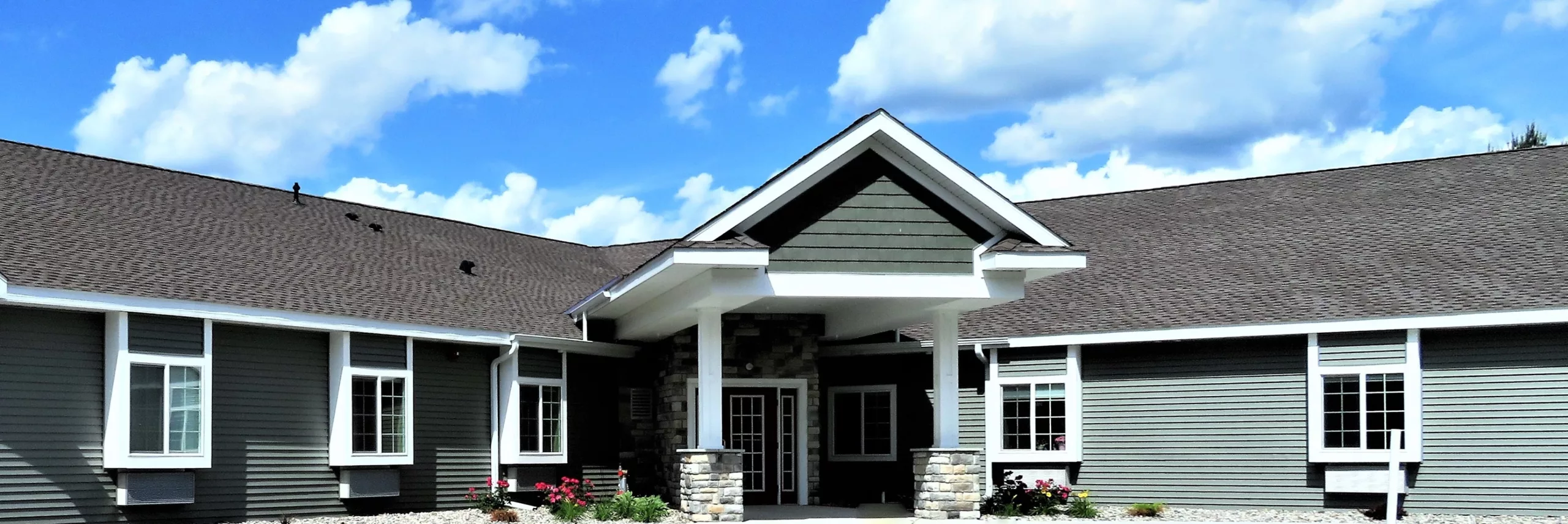
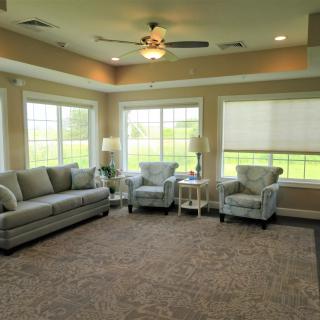
- It is conveniently located off the exit yet surrounded by nature, with large windows and ample light.
- The staff are outstanding in attentiveness to residents' needs.
- The food is homemade from scratch.
- There are plenty of activities and live entertainment.
- The facility is well run and maintained, with safety of residents as the first priority.
Cons
 It is described as a horrible place to trust loved ones, providing no services or activities, promising the world but delivering nothing, leaving residents in their rooms with no interaction 24/7, and a manager who lies about staff and speaks poorly of them, with rooms not cleaned or bedding changed unless someone comes to cover up the neglect.
- There is caution about new ownership, suggesting the same old problems persist, with chronic short-staffing and shifts where a single caregiver tends to 13–15 residents, leading to inadequate care.
- The meals are described as awful, with small portions and poor variety.
- It is claimed that the facility is not focused on residents but on staff drama, with inadequate management and poorly trained staff.
Review
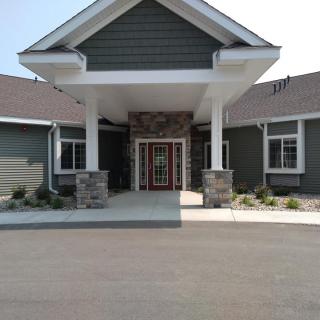
Coleman Fields Assisted Living in Coleman, MI, is best suited for families seeking a smaller, home‑like memory care–oriented setting where compassionate, hands‑on care is the core promise. The community delivers a warm, residential feel: private apartments that feel roomy, a clean and well‑kept building, and meals that are described as homemade and appealing. The setting sits just off the highway yet feels tucked into nature, with ample natural light and a quiet pace that supports daily routines. For residents who prioritize safety, personalized attention, and a sense of familiarity, where staff know names, preferences, and histories, this campus typically checks the right boxes.
Who may want to consider alternatives? Those needing aggressive staffing coverage or a highly structured medical program should look elsewhere. A few reviews flag shifts with limited staff presence, sometimes a single caregiver watching over a dozen or more residents, which raises legitimate concerns about timely assistance and consistent bedside care. Ownership changes surface in several accounts, some praise renewed energy and improved operations, while others warn that stability hasn’t fully landed yet. If a family requires a robust activity calendar, more extensive dementia therapies, or a management team with a long, uninterrupted track record, exploring larger operators with explicit staffing ratios and proven continuity would be prudent.
The strongest positives center on the human factor: staff repeatedly described as loving, attentive, and genuinely engaged with residents. Cleanliness and maintenance come through strongly, reinforcing a sense of safety and pride in the facility. The dining experience is consistently praised, home‑style, tasty meals prepared in‑house, contributing to daily satisfaction and nutritional value. The programming, including activities and live entertainment, helps keep residents mentally and socially engaged, which is crucial in memory care. Together, these elements build trust for families who want to feel their loved one is cared for with warmth and regular interaction, rather than anonymous supervision.
However, the cons are not negligible. Staffing reliability remains a live concern for some families, with reports of limited coverage during shifts and occasional gaps in interaction. Management quality appears to be variable in practice, particularly through periods of ownership transition; this has led to requests for greater transparency and steadier day‑to‑day leadership. A few residents note that activity variety could be broader, suggesting that while programming exists, it may not satisfy every resident’s appetite for social engagement. Taken together, these factors tip the balance toward caution, especially for families seeking a consistently steady experience.
Still, the pros can meaningfully offset the cons for the right client. For families prioritizing intimate, caring attention and a safe, predictable environment, Coleman Fields delivers a level of personal connection that larger campuses frequently struggle to sustain. The combination of attentive staff, clean facilities, and strong nutrition creates daily stability and reduces the stress of daily caregiving for families. The presence of a memory‑care orientation within a smaller setting means residents can benefit from familiar routines and staff who know their preferences, history, and triggers. The recent talk of “new ownership” is not inherently risky if accompanied by concrete improvements in staffing oversight, training, and accountability.
When forming a decision, balance the desire for a warm, individualized care culture with a clear plan for staffing continuity. Prospective residents should schedule multiple visits at different times, request transparent staffing ratios by shift, and review calendars for activities and meals in detail. Ask direct questions about memory‑care certifications, staff training, and how management has implemented changes during ownership transitions. Interview current residents and families to gauge consistency of daily interactions. For those who prize a smaller, neighborly community with heartfelt caregiving and home‑style meals, Coleman Fields stands out as a strong match, provided concerns about staffing consistency are acknowledged and actively addressed, and a firm plan is in place to keep the high level of personal care intact. If a more robust activity slate, stronger medical oversight, or guaranteed staffing coverage is non‑negotiable, it is sensible to compare alternatives with longer, more stable operating records.
 20 resident community capacity
 Assisted Living
 Activities on-site
 Air-conditioning
 Beautician on-site
 Cable or satellite TV
 Devotional services off-site
 Dining room
 Fully furnished
 Garden
 Ground floor units
 Handicap accessible
 Housekeeping services
 Indoor common areas
 Kitchenette
 Move-in coordination
 Outdoor space
 Private bathrooms
 Respite or short term stays offered
 Telephone
 Wheelchair accessible showers
 Wi-Fi/high-speed internet available
 24-hour call system
 Ambulatory care
 Assistance with bathing
 Assistance with dressing
 Assistance with transfers
 Diabetes diet
 Diabetic care
 High acuity care
 Incontinence care
 Meal preparation and service
 Medication management
 Mental wellness program
 Special dietary restrictions
 Transportation arrangement (medical)
 Transportation to doctors appointments
 BBQs or picnics
 Catholic services
 Jewish services
 Live dance or theater performances
 Live musical performances




 Assisted Living and Memory Care: Understanding Their Core Differences
 Beyond the Bingo Hall: 50+ Enriching Activities for Seniors in Assisted Living
 Understanding the Distinctions: Assisted Living and Memory Care Explained