
563 Newton Road, Coldwater, MI 49036
For more information about senior living options: (866) 208-4318
2.9 from 120 reviews
Harmony House is an assisted living community in Coldwater, MI.
Information last verified:
563 Newton Road, Coldwater, MI 49036
For more information about senior living options: (866) 208-4318
 6 resident community capacity
 Assisted Living
 Cable or satellite TV
 Dining room
 Fully furnished
 Garden
 Housekeeping services
 Move-in coordination
 Outdoor space
 Telephone
 Wi-Fi/high-speed internet available
 24-hour supervision
 Activities of daily living assistance
 Assistance with bathing
 Assistance with dressing
 Assistance with transfers Coordination with health care providers
 Diabetes diet
 Meal preparation and service
 Medication management
 Special dietary restrictions
 Transportation arrangement (medical)
 Transportation to doctors appointments Diabetes diet Special dietary restrictions Community-sponsored activities Scheduled daily activities
Harmony House is located at 563 Newton Road, Coldwater, MI 49036 in Branch County, Michigan

Harmony House
Coldwater, MI
 Fully furnished assisted living with comprehensive services including meals, ADL support, medication management, transportation, and activities.
Hope Network - Lakewood
Coldwater, MI
Intimate 6-resident setting with personalized care, meals, housekeeping, and transportation to medical appointments.
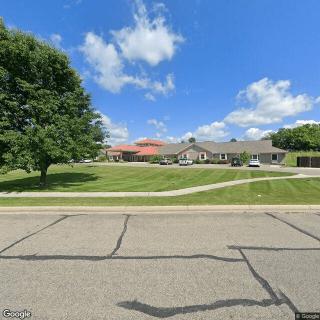
Grand Vista
Coldwater, MI
Excellent staff care with engaging daily activities and private rooms at competitive pricing.
North Ridge Home
Coldwater, MI
Fully furnished apartments with 24-hour supervision, daily activities, and transportation for medical appointments.
Rosewood Home
Coldwater, MI
Fully furnished assisted living with comprehensive care, diabetes-friendly meal plans, transportation, and engaging activities.
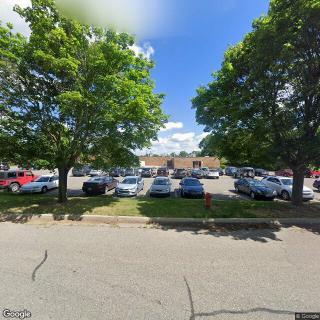
Laurels Of Coldwater
Coldwater, MI
Some compassionate staff and active family involvement supporting care.
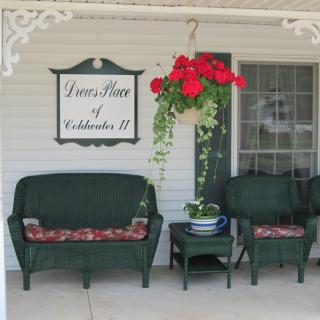
Drews Place of Coldwater I
Coldwater, MI
Caring, attentive staff and homemade meals.
Skaggs Adult Foster Care
Burr Oak, MI
Clean, comfortable facility with friendly staff and good meals.
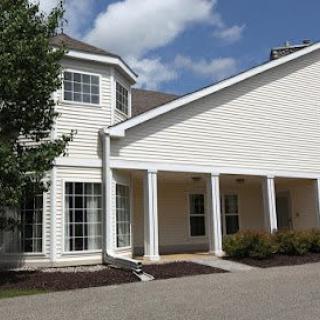
Marshall Comfort Care
Marshall, MI
Renovated, clean facility with friendly staff, engaging activities, and multiple care options (assisted, independent, memory care).
The transition from assisted living to skilled nursing care is often prompted by complex medical needs that assisted living cannot meet, with key indicators including frequent health declines, increased falls, severe memory issues, and caregiver burnout. Families should recognize these signs early to discuss options with healthcare providers and prepare for the emotional and logistical aspects of moving to a facility that offers comprehensive medical support.
 Vibrant Senior Living: A Comprehensive Guide for Active Older Adults
Vibrant Senior Living emphasizes active senior living communities that promote independence and engagement through diverse amenities and activities, fostering wellness and social interaction among older adults. These communities range from independent to assisted living, with a focus on personal growth, family involvement, financial planning, and leveraging technology to enhance residents' experiences.
Transitioning from assisted living to memory care is driven by an individual's cognitive decline and specific needs, requiring careful evaluation of indicators like increased confusion and wandering. The process involves consulting medical professionals, researching suitable communities, considering financial and legal aspects, and ensuring effective communication for personalized care plans.
 8 Key Indicators That Suggest It May Be Time to Transition from Assisted Living to Skilled Nursing Care
 When to Transition from Assisted Living to Memory Care: Key Indicators, Steps, and Finding the Right Community