
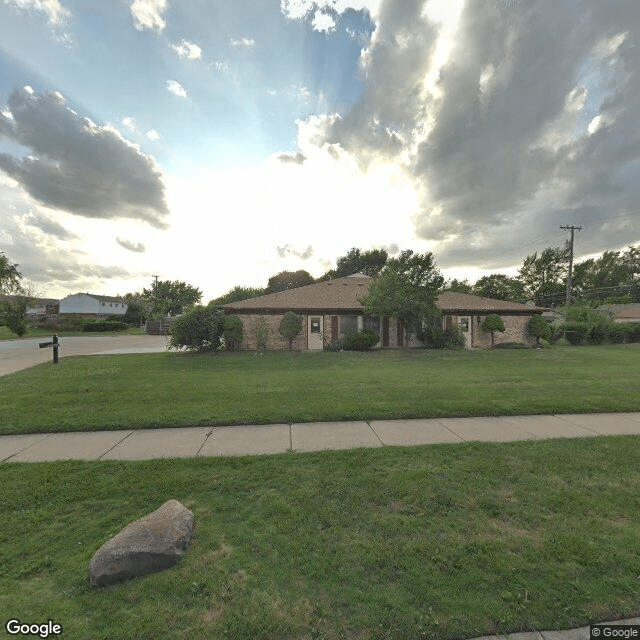
35225 Silvano, Clinton Township, MI 48035
To contact a resident: (586) 790-0640
For more information about senior living options: (866) 208-4318
Marys Senior Center Costs & Pricing
Mary's Senior Center offers competitive pricing for its residents, particularly when compared to the broader Macomb County and Michigan averages. For semi-private accommodations, the center charges $2,700 per month, which is significantly lower than the county average of $3,232 and the statewide average of $3,191. This trend continues with their one-bedroom units priced at $3,400 - again more affordable than both the county's average of $3,527 and Michigan's overall average of $3,384. These rates not only reflect an excellent value for quality living but also underscore Mary's commitment to providing accessible housing options for seniors in a supportive environment.
| Floor plans | Marys Senior Center | Macomb County | Michigan |
|---|---|---|---|
| Semi-Private | $2,700 | $3,232 | $3,189 |
| 1 Bedroom | $3,400 | $3,527 | $3,384 |
Memory care communities with a similar price nearby
-
from +$300 / mo
Hutcheson Manor
$3,000 to $4,500 / month22.8 miles away -
from +$500 / mo
Vicky's Place
$3,200 to $6,000 / month21.7 miles away -
from +$300 / mo
Butternut Hill Senior Living
$3,000 to $4,000 / month14.9 miles away -
from -$425 / mo
Pleasant Valley Family Care
$2,275 to $7,000 / month21.7 miles away -
from +$300 / mo
Peaceful Manor
$3,000 to $4,000 / month23.4 miles away
Overall Review of Marys Senior Center
Pros
 The facility is nice.
- Everyone there is very nice.
- The staff is very friendly and accommodating.
- The care services are pretty good.
- Overall, Mary’s Center for Senior is a nice facility that is recommended.
Cons
 It was the worst time for her mother in the senior home.
- She repeatedly fell out of bed and was admitted to the hospital four times.
- The staff stole her jewelry the night she passed away.
- The facility is a hell hole.
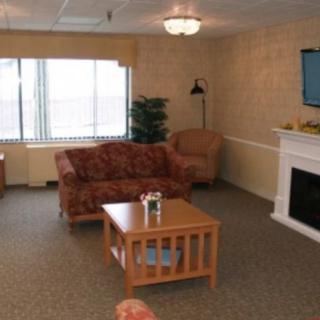
- The facility needs updating.
- The activities could use some improvement.
Review
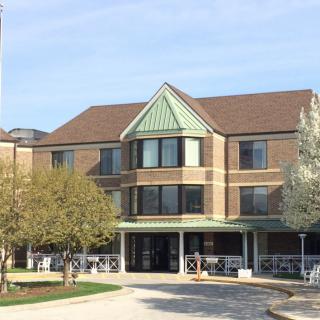
Marys Senior Center in Clinton Township is best suited for families seeking a modest, approachable assisted-living option where staff warmth and everyday practicality trump upscale amenities. This community tends to attract residents with low-to-moderate care needs who value friendly, responsive caregivers and predictable routines over cutting-edge programming or luxury surroundings. The limited sample of reviews points to a mid-pack experience: a facility that can feel comforting and workable in daily life, provided expectations align with a straightforward, not-showy environment.
On the upside, the facility earns praise for its atmosphere and people. One reviewer describes the campus as a nice, well-kept place where staff are notably friendly and accommodating, and care services are decent. The impression is that residents receive attentive, person-centered assistance without major friction, making daily life smoother for families who want reassurance that someone is watching over their loved one. There is a practical sense that the operation runs smoothly day-to-day, and the overall tone from this perspective is that the center remains a reliable, friendly place to land for seniors who aren’t seeking high-intensity medical support or elaborate programming.
However, serious cautions emerge in the candid, contrasting report. One family recounts a harrowing five-month stay marked by repeated bed falls that required hospital visits, and they raise a grave allegation of jewelry theft tied to the night of a resident’s death. While this is a single account and not proven fact, it creates an unmistakable red flag about safety, safeguarding, and accountability that demands careful scrutiny. Even if such claims involve one extreme incident, they illuminate a risk profile that families must probe: fall management, incident reporting, staff supervision during vulnerable hours, and the effectiveness of security protocols and theft policies. These are not cosmetic concerns; they can define whether a setting remains suitable for a vulnerable loved one.
In weighing pros against cons, the warmth of staff and the general quality of daily care offset several structural drawbacks only for residents whose needs are modest and whose families prioritize reassurance over advancement. The main gaps, an aging or dated facility and a sense that the activities calendar could be more engaging, tend to surface for residents who crave continual stimulation, social programming, and a modern, energy-efficient environment. If a resident’s day mostly involves meals, light activities, and routine supervision, the benefits of kindness and dependable care can outweigh the downsides. If, however, a resident depends on proactive safety measures, varied programs, and a more contemporary setting, those positives may not fully compensate for the shortcomings.
Prospective families should approach a decision with practical due diligence. Schedule in-depth conversations about fall prevention and safety protocols, including bed alarms, room designs that minimize risk, staff-to-resident ratios during different shifts, and mechanisms for reporting and addressing any incident. Request to review activity calendars, evaluate the relevance and frequency of engagement opportunities, and talk to current residents about how they spend their days. Examine the theft policy, the process for addressing grievances, and the transparency of staff training records. A trial stay or observation period can illuminate whether the claimed warmth translates into consistent, day-to-day reliability.
The takeaway is clear. Marys Senior Center can be a solid fit for families seeking a welcoming, simple, and dependable place where staff genuinely cares and daily life stays predictable. It is less well-suited for families prioritizing modern amenities, robust activity programming, and rigorous safety assurances beyond standard expectations. Given the mixed experiences reflected in the two reviews, consider alternatives if high safety standards, modern surroundings, or a richer activity lineup are non-negotiable. For those who value kindness, practical care, and a straightforward living environment, Marys Senior Center remains worth a careful, hands-on look, paired with targeted questions and boots-on-the-ground visits to verify safety and programming quality before choosing.
 Assisted Living
 Independent Living
 Memory Care
 Activities on-site
 Beautician on-site
 Devotional services on-site
 Indoor common areas
 Outdoor common areas
 Wheelchair accessible showers
 Ambulatory care
 Diabetic care
 Incontinence care
 Medication management
 Meals provided

 An In-Depth Look at Reminiscence Therapy in Dementia Care
 Dementia-Related Hallucinations: Causes, Experiences, and Practical Approaches
 Illuminating Insights About Alzheimer's Disease: Ten Crucial Realities