

21095 Nicke Home, Clinton Township, MI 48035
To contact a resident: (248) 252-0974
For more information about senior living options: (866) 208-4318
Affectionate Care 5 Costs & Pricing
Affectionate Care 5 offers a highly competitive pricing structure for its private room accommodations, charging just $800 per month. This cost stands in stark contrast to the average expenses observed in Macomb County and throughout Michigan, where similar private accommodations can range from approximately $3,567 to $3,675 per month. This significant difference highlights Affectionate Care 5's commitment to providing accessible and affordable care options without compromising on quality, making it a compelling choice for families seeking supportive residential services.
| Floor plans | Affectionate Care 5 | Macomb County | Michigan |
|---|---|---|---|
| Private | $800 | $3,567 | $3,674 |
Senior living communities with a similar price nearby
-
from +$50 / mo
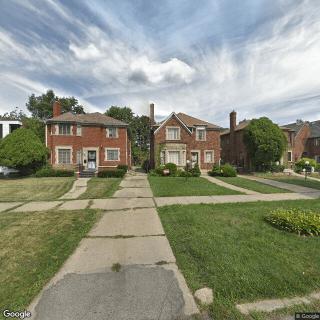
Loving Care Home #1
$850 to $1,000 / month15.5 miles away -
About the same

Affectionate Care 1
$800 / month6.7 miles away -
from +$50 / mo
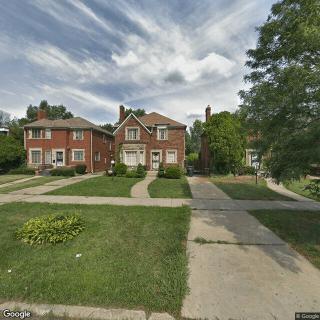
Loving Care Home #3
$850 to $1,000 / month15.5 miles away -
from +$100 / mo
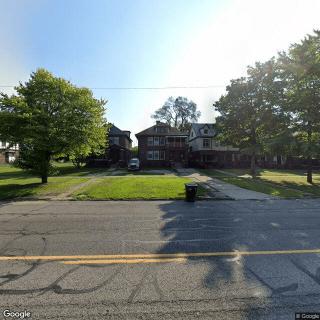
King Special Care
$900 to $2,500 / month14.6 miles away -
from -$36 / mo
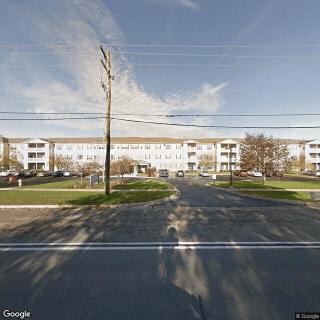
The Meadows of Anchor Bay
$764 to $926 / month12.7 miles away
Overall Review of Affectionate Care 5
Pros
 Preferred Care at Home is led by Jason, who is an amazing partner and operates with integrity and a caring nature.
- Jason and his team are trusted to care for elderly family members when the need arises.
- The leadership team’s years of experience spreads excellence throughout the company and shows in client relationships.
- Preferred Care at Home has caring, compassionate people who always put clients first.
- The staff are great and the caregivers are awesome.
- The office staff and owners are wonderful people.
- Preferred Care at Home provides in-home care that includes medications, showers, laundry, meals, and light housekeeping, with caregivers who offer compassionate care when health declines.
- The caregiver coordinator makes surprise visits to check on care and has become a reassuring extension to the family.
Cons
 The reviewer described the care as the worst they have ever seen.
- They alleged the assigned caregiver was careless, ignorant, filthy, and dishonest.
- They claimed the caregiver washed dishes without dish soap, leaving grease on dishes, pans, and pots.
- They asserted the caregiver spills detergent and mishandles containers, causing spills.
- They said the caregiver slams the dryer door and neglects lint, posing a fire hazard.
- They claimed the caregiver does not read washing instructions and damaged a 100% cotton sweater by washing in hot water and drying at high temperature.
- They asserted the caregiver repeatedly arrived late and recorded false times in the daily book.
- They stated the caregiver is dishonest and fabricated stories about them, including an accusation of being locked out in the rain.
Review
Affectionate Care 5 in Clinton Township is best suited for families seeking deeply relational, in-home senior support delivered by caregivers who feel like extended family and a leadership team that actively drives quality. The model works well for loved ones who value daily living assistance, medication reminders, light housekeeping, meals, and personal care performed with warmth and respect. It is especially strong for households aiming to keep a loved one at home while ensuring reliable caregiver coverage, predictable communication, and proactive care coordination. In short, this option suits those who want a trustworthy, people-first home care arrangement backed by organized oversight rather than a rigid facility setting.
Those who should consider alternatives include families with a need for highly regulated, facility-based memory care or skilled nursing on-site, where 24/7 medical staffing and specialized clinical oversight are central. While the reviews overwhelmingly praise the caregivers and leadership, there is one starkly negative report that describes a single caregiver’s alleged inconsistency and a perception of poor responsiveness from the office. For families facing complex medical regimens, high safety risks, or a preference for a highly standardized, non-negotiable care plan with strict accountability, an alternative, such as a licensed home health agency with documented nurse oversight or a traditional assisted living facility with on-site nursing, may offer greater assurance and predictability.
The strongest pro-arguments center on the caregiving culture and the leadership team. Caregivers are consistently described as caring, compassionate, and dedicated to treating clients like family. The leadership’s experience permeates the service model, translating into reliable care delivery, strong relationships with families, and a clear sense of accountability. Clients benefit from practical support, medication adherence, baths, meals, laundry, and light housekeeping, delivered with dignity. The ability to deploy caregivers across a home setting, combined with the frequent, personable check-ins by coordinators, reduces the risk of isolated lapses and helps families feel that the loved one is consistently watched over and supported. In a home-care context, these elements often matter more than the pure intensity of clinical care.
On balance, the pros largely offset the main concerns when the program is used with prudent safeguards. The reviews emphasize accessibility, office and coordinators who respond, and a system that includes surprise visits to verify ongoing quality. Such monitoring helps catch issues early and facilitates timely caregiver replacement if a mismatch occurs. Still, the negative testimony underscores that one problematic caregiver can erode trust and disrupt routines; the key defense against that risk is rigorous caregiver matching, transparent scheduling, and a clear escalation path. Prospective families should demand upfront caregiver profiles, a trial period with a preferred match, and a documented process for addressing concerns without delay.
To make a well-informed decision, request a thorough home-care assessment and a written care plan that aligns with specific daily routines, medical needs, and safety considerations. Push for details on caregiver assignment processes, background checks, and how emergencies are handled after hours. Insist on a structured onboarding that includes caregiver introductions, a communication cadence for updates, and a publicized path to reassigning staff if compatibility falters. Given the strong track record of caregiver commitment, use this as a core strength, but anchor the choice in measurable guarantees: a signed care plan, scheduled reviews, and a concrete escalation protocol.
Ultimately, this provider stands out for families who prize warmth, continuity, and proactive care management in a home-setting. The combination of compassionate, reliable caregivers and a leadership-driven service model creates a compelling environment for ongoing daily support and a sense of trust. If that aligns with the family’s risk tolerance and the loved one’s needs, Affectionate Care 5 offers a solid, practical path to aging in place with dignity. For scenarios demanding relentless nursing precision, strict compliance metrics, or guaranteed absolute consistency from a single caregiver, exploring licensed home health services or a traditional assisted-living option may be a prudent contrast.
 Board and Care Home
 Activities on-site
 Devotional services off-site
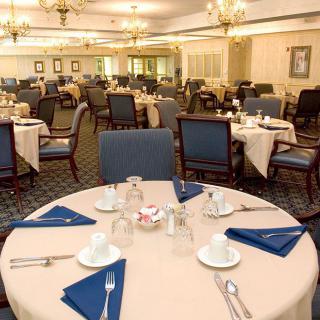
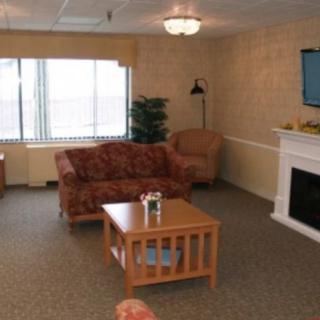
 Indoor common areas
 Private
 Ambulatory care
 Diabetic care
 Meals provided






 A Detailed Exploration of Living Wills and Advance Directives
 Comprehensive Guide to Medicare Coverage for Hospice Care
 Caring for Those Who Care: Recognizing, Understanding, and Overcoming Caregiver Burnout