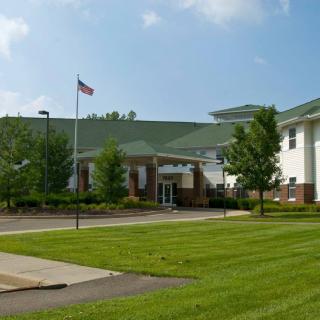
Ashley Court Bldg 4 is an assisted living and memory care community in Brighton, MI.
Information last verified:
7400 Challis Road, Brighton, MI 48116
For more information about senior living options: (866) 208-4318
3.8 from 47 reviews
5 stars
30
4 stars
4
3 stars
0
2 stars
0
1 stars
13
Overall Review of Ashley Court Bldg 4
common24 reviews mention this
Staff care shows up repeatedly
Many residents and families say the staff provides hands-on support.
Across the reviews, families commonly describe staff as caring, attentive, and responsive, including regular check-ins, help with daily needs, and communication with families. Several reviewers also mention staff treating residents with dignity and respect, and being warm and supportive during difficult stretches. A smaller set of reviews is far less positive, describing problems with staffing levels and the care residents received.
common12 reviews mention this
Activities help residents stay engaged
Residents and families frequently mention engaging daily activities.
Multiple reviews highlight structured activities that keep residents busy and stimulated, including music, games, art and crafts, religious activities, and community celebrations. Several families specifically describe outings or time outside, and say their loved one “sleeps better” or seems more content when routines are active. The community also offers resident-run and scheduled programming, which aligns with the way reviewers describe the day-to-day environment.
differentiator9 reviews mention this
Memory support is a key focus
Reviewers often discuss care for dementia and related needs.
A number of reviews are specifically about dementia care, including help managing behaviors, keeping residents safe, and supporting families during transitions. Residents’ experiences described in reviews include encouragement to participate in activities even when cognitive changes are present, along with staff who respond to concerns as they come up. The community also offers specialized memory care programming, plus dementia-related care services that support daily routines and meals.
caveat7 reviews mention this
Safety and staffing concerns appear
Some reviews raise serious concerns about staffing and safety.
Several critical reviews describe lapses they attribute to insufficient staffing or inadequate supervision, including residents being left without help during emergencies and concerns about how falls were handled. Other reviewers mention issues related to hygiene support, call-button access, or medication handling during care transitions. While many families report positive experiences, these safety-focused complaints are recurring enough that prospective residents should investigate the specific concerns raised.
How we summarize
Counts show how many written reviews mention each theme; a review can touch several themes, and only frequently mentioned themes are displayed.
Features
Housing
20 resident community capacity
Types of Care
Assisted Living
Board and Care Home
Independent Living
Memory Care
Amenities
Activities on-site
Beautician on-site
Beauty salon
Cable or satellite TV
Devotional services off-site
Dining room
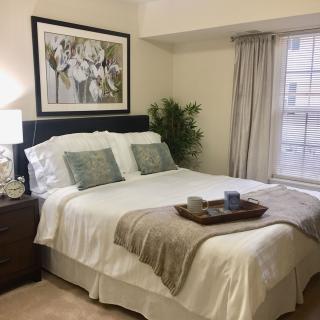
Fully furnished
Garden
Housekeeping services
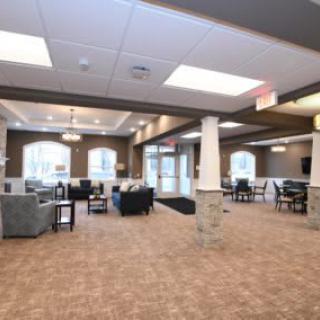
Indoor common areas
Kitchenette
Move-in coordination
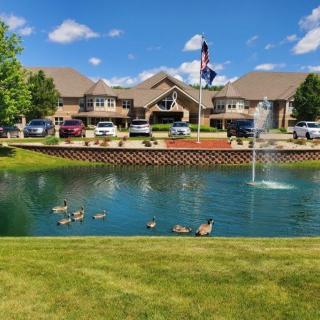
Outdoor common areas
Outdoor space
Respite or short term stays offered
Telephone
Wheelchair accessible showers
Wi-Fi/high-speed internet available
Care Services
24-hour call system
24-hour supervision
Activities of daily living assistance
Assistance with bathing
Assistance with dressing
Assistance with transfers
Coordination with health care providers
Dementia waiver
Diabetes diet
Diabetic care
Hospice waiver
Incontinence care
Meal preparation and service
Medication management
Mental wellness program
Mild cognitive impairment
Special dietary restrictions
Specialized memory care programming
Transportation arrangement (medical)
Transportation to doctors appointments
Dining
Diabetes diet
Kosher
Meals provided
Special dietary restrictions
Vegetarian
Activities
Activities on-site
BBQs or picnics
Community-sponsored activities
Devotional activities offsite
Holiday parties
Light therapy programs
Live musical performances
Montessori programs
Reminiscence programs
Resident-run activities
Scheduled daily activities
Nearby Places of Interest
This part of Brighton, Michigan, offers a convenient and accessible location for senior living. With several healthcare options nearby such as Premier Internal Medicine, Dr MO Pediatric Center, and the University of Michigan Health System, seniors can easily access medical care. There are also pharmacies like CVS and Walgreens in close proximity for medication needs. In terms of entertainment, MJR Brighton Towne Square Digital Cinema 20 provides a variety of movies for seniors to enjoy. Additionally, there are a variety of dining options including Leo's Coney Island, Cracker Barrel, and Panera Bread for seniors to choose from. Overall, this area provides a mix of healthcare services, entertainment options, and dining choices making it a convenient location for senior living in Brighton.
Physicians
Premier Internal Medicine (0.4 miles)
Dr MO Pediatric Center (0.4 miles)
University of Michigan Health System (0.5 miles)
Allergy Clinic of Livingston Co PC (0.8 miles)
The Sports Neurology Clinic at The CORE Institute (0.9 miles)
Paris Asthma and Allergy Centers (1.2 miles)
SVS Vision Optical Centers (1.7 miles)
Hospitals
Brighton Health Center (0.5 miles)
Brighton Medsport (0.5 miles)
Saint Joseph Mercy Health System (1.8 miles)
St Joseph Mercy Hospital (1.8 miles)
Theaters
MJR Brighton Towne Square Digital Cinema 20 (0.5 miles)
The comprehensive features of Ashley Court Bldg 4 create an environment that effectively supports residents with dementia or Alzheimer's disease, enhancing their quality of life and care. With 24-hour supervision, residents benefit from constant safety monitoring, ensuring that help is readily available whenever needed. Assistance with activities of daily living, such as bathing and dressing, not only promotes dignity but also fosters independence tailored to each individual's capabilities. Coordination with health care providers ensures continuity of medical care while specialized memory care programming addresses cognitive challenges through targeted activities. The dementia waiver accommodates the unique needs of individuals at various stages, while incontinence care and meal preparation ensure residents' comfort and nutritional well-being. Medication management helps in maintaining proper health regimens vital for cognitive stability. Additionally, programs focused on mental wellness and Montessori methods stimulate engagement and social interaction, promoting cognitive function in a supportive atmosphere. Transportation arrangements facilitate access to medical appointments, making it easier for residents to receive necessary healthcare services without added stress. Together, these features create a nurturing setting that emphasizes both safety and emotional support for those navigating the complexities of memory impairment.
Nearby Communities
Ashley Court Bldg 2
Brighton, MI
4.1 from 91 reviews
$2,750 to $3,900 / month
Friendly, attentive staff and engaging activities with a memory-care layout that reduces confusion.
Ashley Court Bldg 3
Brighton, MI
3.9 from 67 reviews
Friendly, caring staff with engaging activities in a clean, home-like setting.
The Lodge II
Brighton, MI
Small, fully furnished assisted living with 24/7 supervision, ADL support, medication management, and coordinated healthcare, plus a broad set of amenities and diabetes-friendly dining.
Independence Village Of Brighton Valley
Brighton, MI
4.7 from 241 reviews
$4,717 to $5,906 / month
Friendly staff and a robust activity program.
Mountain View Home
Brighton, MI
All-round care with daily activities, diabetes-friendly meals, and transportation support.
Oak Lane Manor
Brighton, MI
All-inclusive assisted living with 24/7 supervision, ADL support, meals, and transportation.
Woodland Village
Brighton, MI
4.5 from 32 reviews
$3,200 to $4,200 / month
Friendly staff, engaging activities, and seamless transitions from independent to assisted living.
Brighton Comfort Care
Brighton, MI
4.2 from 101 reviews
$4,900 to $6,185 / month
Beautiful, clean facility with caring staff and an active community.
Village Manor Retirement
Howell, MI
4.5 from 81 reviews
$3,280 to $4,300 / month
Friendly staff, strong sense of community, and well-maintained facilities with engaging activities.
Dementia often results in disrupted sleep patterns, leading to excessive daytime sleeping due to factors like brain damage affecting circadian rhythms, medication side effects, and lack of structure in daily activities. Caregivers must monitor these changes closely, as oversleeping can increase risks such as malnutrition or dehydration, and provide necessary support and routines to enhance patient engagement and well-being.
The transition from assisted living to skilled nursing care is often prompted by complex medical needs that assisted living cannot meet, with key indicators including frequent health declines, increased falls, severe memory issues, and caregiver burnout. Families should recognize these signs early to discuss options with healthcare providers and prepare for the emotional and logistical aspects of moving to a facility that offers comprehensive medical support.
Dementia is characterized by cognitive decline, with nutrition playing a vital role in brain health; while no specific diet can prevent or reverse it, a nutrient-dense diet rich in antioxidants and healthy fats may support cognitive function. The MIND diet, which emphasizes beneficial foods and limits processed items, along with proper hydration and individualized meal strategies, can enhance the well-being of dementia patients.
Get PricingAsk A QuestionSchedule A TourContact Senior Advisor
By clicking submit, you agree to our Partner's Terms of Use. You
also consent to receive calls and texts, which may be autodialed, from our Partner. Your consent is not a condition to
using our Partner's service. Please visit our Partner's Privacy Policy for information about their privacy practices.

 20 resident community capacity
 Assisted Living
 Board and Care Home
 Independent Living
 Memory Care
 Activities on-site
 Beautician on-site
 Cable or satellite TV
 Devotional services off-site
 Dining room
 Fully furnished
 Garden
 Housekeeping services
 Indoor common areas
 Kitchenette
 Move-in coordination
 Outdoor common areas
 Respite or short term stays offered
 Telephone
 Wheelchair accessible showers
 Wi-Fi/high-speed internet available
 24-hour call system
 Assistance with bathing
 Assistance with dressing
 Assistance with transfers
 Diabetes diet
 Diabetic care
 Hospice waiver
 Incontinence care
 Meal preparation and service
 Medication management
 Mental wellness program
 Special dietary restrictions
 Transportation arrangement (medical)
 Transportation to doctors appointments
 BBQs or picnics
 Holiday parties
 Light therapy programs
 Live musical performances
 Montessori programs
 Friendly, attentive staff and engaging activities with a memory-care layout that reduces confusion.


 Why Do Dementia Patients Sleep So Much? Understanding Oversleeping, Stages, and Care Approaches
 8 Key Indicators That Suggest It May Be Time to Transition from Assisted Living to Skilled Nursing Care
 Nourishing the Mind: Essential Dietary Approaches for Dementia