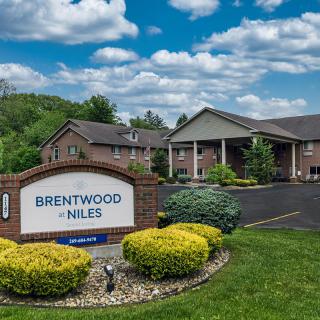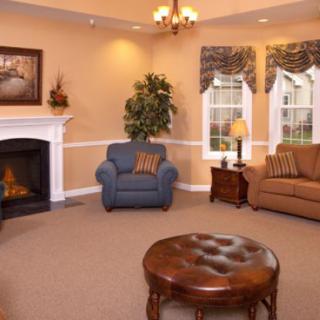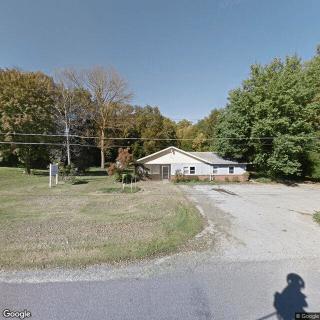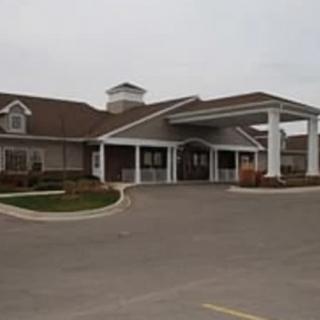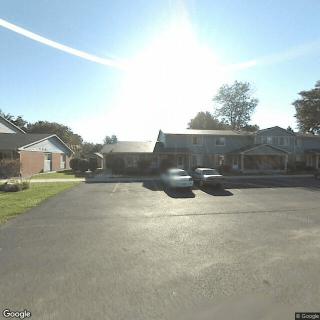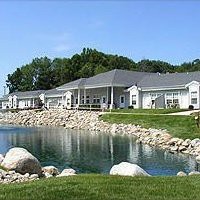
Woodland Terrace Magnolia Court in Bridgman, MI

Save
Woodland Terrace Magnolia Court

Woodland Terrace Magnolia Court in Bridgman, MI

8850 Red Arrow Highway, Bridgman, MI 49106

For more information about senior living options: (844) 490-3973

4.4 from 18 reviews
5 stars
11
4 stars
6
3 stars
0
2 stars
0
1 stars
1

Assisted Living Board and Care Home Independent Living Memory Care

Woodland Terrace Magnolia Court Costs & Pricing

Woodland Terrace Magnolia Court offers competitive pricing for its accommodations, with costs that are generally lower than both Berrien County and the broader state of Michigan. For a one-bedroom unit, residents can expect to pay $2,595 per month, significantly less than the county average of $3,313 and the state average of $3,384. Two-bedroom apartments are available at $2,895, which also compares favorably against Berrien County's higher rate of $4,377 while remaining lower than Michigan's average of $3,523. Even for studio apartments priced at $3,075, Woodland Terrace maintains a slight edge over the county's figure of $3,025 but falls short of the state's average of $3,824. Overall, Woodland Terrace Magnolia Court stands out as an attractive option for those seeking quality living arrangements without straining their budgets in comparison to nearby areas.

Floor plansWoodland Terrace Magnolia CourtBerrien CountyMichigan
1 Bedroom$2,595$3,313$3,384
2 Bedrooms$2,895$4,377$3,523
Studio$3,075$3,025$3,824

Overall Review of Woodland Terrace Magnolia Court

Pros

  • pro Woodland Terrace is very well-maintained, clean, and bright.
  • pro The staff are friendly, professional, and very helpful.
  • pro The meals are nutritious and plentiful, and look great.
  • pro Residents and staff are very friendly and evidently happy.
  • pro The facility is excellent and everything about it is perfect.
  • pro The rooms are spotless and of a good size.
  • pro The care provided is attentive and of high quality.
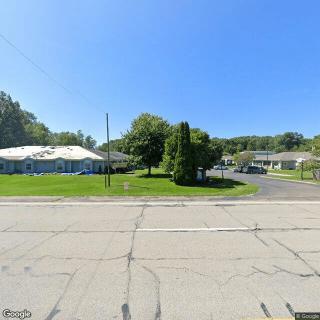
  • pro The property is beautiful with spacious grounds and peaceful surroundings.
  • pro The location is convenient, being close to the residents' home.

Cons

  • pro The Activity Director was snippy and short with them and even hung up when questions about the Grandmother were asked.
  • pro The Grandmother is getting significantly worse since being at Woodland Terrace, suggesting possible issues with care.
  • pro There was no medical person on duty after supper, and the care offered was very expensive for what was provided.
  • pro If the resident's care needs accelerate, she would have to leave her apartment and move to another building.
  • pro The rooms looked fine but were inconsistent for the same price, with some rooms having a fridge and stove while others had only a microwave.
  • pro The quality of the food could be improved, as it lacked variety and options.
  • pro Residents' depends were not changed frequently enough, leading to urine odor, and hearing aids were sometimes forgotten.
  • pro They were told everything was ready to move in, but when the time came it was not.

Review

Woodland Terrace Magnolia Court is best suited for active seniors who want one-level living, a warm, home-like atmosphere, and a good value proposition coupled with a steady stream of on-site activities and social options. Families choosing this community tend to prioritize proximity to home, clear staff accessibility, and a campus where meals, housekeeping, and daily structure feel reliably managed. It suits residents who thrive with routine, enjoy group outings, and appreciate a campus that feels welcoming and busy rather than clinical or remote.

Those who should consider alternatives are those who require robust, around-the-clock medical oversight on-site, or who anticipate needing higher levels of care without moving to a separate building. A few reviewers flagged concerns about after-hours medical presence and responsiveness to concerns, plus occasional administrative gaps. If emergencies or rapid escalations in care are a recurring reality, or if a resident demands consistently varied, chef-driven dining and highly standardized room configurations, a different community with a more integrated care continuum may be a better fit.

The strongest selling points revolve around cleanliness, upkeep, and genuine attentiveness from staff. The facility earns praise for its bright, well-maintained surroundings and friendly, helpful employees who guide admissions smoothly and stay engaged with residents. Everyday life leans social: a robust activity calendar, regular internal programming, and frequent outside excursions - zoo trips, dinners out, and group outings - keep residents connected and purposeful. Meals are described as nutritious with substantial portions, and the on-site services - salon access, comfortable common areas, and well-kept, airy rooms - support a sense of dignity and independence. Families repeatedly note that the community feels like a caring, cohesive micro-community.

Yet several concrete drawbacks temper the positives. Inconsistencies across room features - some units include a full kitchen setup while others provide only a microwave - reflect uneven value within the same pricing tier. After-supper hours reportedly lack on-site medical staff, which matters to residents with evolving or acute needs. Communication gaps, particularly between families and the activities team or administration, have been noted and can undermine confidence during transitions or concerns. A handful of logistical snags - cable setup delays, odor concerns tied to infrequent care routines, and occasional neglect of hearing aid maintenance - underscore that excellence in care is not universal across all experiences.

These pros offset the cons most effectively for residents who prize a vibrant, neighborly environment and a cost-conscious independent-to-assisted transition pathway. The community's one-level design reduces navigation barriers, enabling easier movement for mobility-impaired residents and minimizing the sense of "being in a facility." Proximity to family remains a meaningful advantage, enhancing satisfaction when visits are frequent. The combination of attentive staff, appealing social programming, and value-driven pricing produces a compelling case for families seeking stability and enrichment without a steep financial commitment or long-term buy-in.

For decision-making, the clear risk if support needs intensify is potential relocation within the same campus or sooner-than-expected move if care escalates. If choosing Woodland Terrace Magnolia Court, treat the tour as a twice-checked "fit test": confirm care coverage after hours, ask for specifics on room configurations and any upcoming modernization plans, and probe how meals adapt to dietary restrictions or evolving tastes. The community's strengths - its cleanliness, staff warmth, daily activities, and practical affordability - are real anchors, but the less consistent threads warrant careful scrutiny. Prospective residents who value community warmth, reliable housekeeping, and an active schedule will find Woodland Terrace Magnolia Court a strong, practical match; those needing high-level medical oversight around the clock or absolutely uniform room amenities should explore alternatives before committing.

Features

Housing

  • 20 resident community capacity 20 resident community capacity

Types of Care

  • Assisted Living Assisted LivingAssisted living facilities provide crucial support and care for seniors who may need help with daily tasks such as medication management, bathing, and meal preparation. These communities offer a safe and comfortable environment where seniors can maintain their independence while receiving the assistance they need to thrive in their golden years.
  • Board and Care Home Board and Care HomeBoard and care homes provide a smaller, more intimate setting for seniors who require assistance with daily tasks but do not need the level of care offered by a nursing home. They offer personalized care, meals, and social activities in a homelike environment, ensuring that seniors receive individualized attention and support in their golden years.
  • Independent Living Independent LivingIndependent living communities are important for seniors because they offer a safe and supportive environment where older adults can live independently while still having access to amenities and services that enhance their quality of life. These communities provide social opportunities, recreational activities, and assistance with daily tasks, promoting overall well-being and allowing seniors to maintain their independence for as long as possible.
  • Memory Care Memory CareMemory care is crucial for seniors as it provides specialized support and services for individuals with dementia or Alzheimer's disease. These programs offer a safe and secure environment where residents receive personalized care, cognitive stimulation, and help with daily activities. Memory care helps seniors maintain their independence, quality of life, and dignity while also providing peace of mind for their families.

Amenities

  • Activities on-site Activities on-siteActivities on-site are important for seniors because they provide opportunities for socialization, mental stimulation, physical activity, and overall well-being. Engaging in activities can help seniors stay active, maintain their independence, and improve their quality of life.
  • Beauty salon Beauty salonBeauty salons are important for seniors because they provide a space for them to feel pampered, socialize, and maintain their personal grooming and hygiene. Regular visits to a beauty salon can help boost seniors' self-esteem and overall well-being.
  • Cable or satellite TV Cable or satellite TVCable or satellite TV is important for seniors because it provides entertainment, news, and companionship, helping to combat loneliness and boredom. It also offers a wide range of programming options tailored to different interests and preferences.
  • Devotional services off-site Devotional services off-siteDevotional services off-site are important for seniors as they provide spiritual nourishment, social engagement, and a sense of community outside of the senior living facility. This can enhance overall well-being and help combat feelings of isolation and loneliness often experienced by older adults.
  • Dining room Dining roomDining rooms are important for seniors as they provide a space for socialization, connection, and nutritious meals. They offer opportunities for residents to bond over shared meals, foster a sense of community, and promote healthy eating habits. Dining rooms also ensure that seniors have access to well-balanced meals tailored to their dietary needs and preferences.
  • Fully furnished Fully furnishedFully furnished senior living communities are important for seniors because they provide convenience, comfort, and a hassle-free moving experience. Seniors can easily settle into their new living space without the stress of having to buy and move furniture. This allows them to focus on enjoying their new home and community.
  • Garden GardenGardens are important for seniors as they provide a peaceful and therapeutic environment for relaxation, physical activity, and socialization. Being in nature has been shown to reduce stress, improve mood, and promote overall well-being. Gardens also offer opportunities for seniors to engage in gardening activities, which can improve mobility, flexibility, and cognitive function. Additionally, gardens create a sense of community and connection with others who share a passion for plants and outdoor spaces.
  • Housekeeping services Housekeeping servicesHousekeeping services are important for seniors because they help maintain a clean and safe living environment, promote independence, and reduce the risk of accidents or illnesses. Additionally, having assistance with household chores can alleviate physical strain and allow seniors to focus on other aspects of their well-being.
  • Indoor common areas Indoor common areasIndoor common areas are crucial for seniors as they provide a space for socialization, recreation, and community engagement, promoting overall well-being and reducing feelings of isolation and loneliness.
  • Kitchenette KitchenetteKitchenettes are important for seniors living in senior living communities because they provide the convenience and independence of being able to prepare simple meals and snacks in the comfort of their own living space. This can help promote a sense of autonomy and well-being for seniors, allowing them to maintain some level of control over their dietary choices and daily routines.
  • Move-in coordination Move-in coordinationMove-in coordination is important for seniors because it helps ease the transition into their new living environment. It ensures that all logistics, such as packing, organizing movers, and setting up utilities are taken care of, allowing seniors to focus on settling in and adjusting to their new home. Having a smooth move-in process can alleviate stress and anxiety, making the transition smoother and more enjoyable for seniors.
  • Outdoor space Outdoor spaceOutdoor spaces are important for seniors as they provide opportunities for physical activity, social interaction, exposure to natural light and fresh air, and a sense of connection to nature. Having access to outdoor spaces can improve overall well-being and quality of life for older adults living in senior communities.
  • Telephone TelephoneTelephones are important for seniors as they provide a lifeline for communication with loved ones, emergency services, and healthcare providers. They offer a sense of security and independence, enabling seniors to stay connected and access assistance when needed.
  • Wi-Fi/high-speed internet available Wi-Fi/high-speed internet availableWi-Fi/high-speed internet is important for seniors to stay connected with loved ones, access online resources, and participate in virtual activities to combat feelings of loneliness and isolation. It also allows them to easily manage healthcare needs, access entertainment, and engage in lifelong learning opportunities.

Transportation

  • South Bend Regional (21 miles away) South Bend Regional (21 miles away)

Care Services

  • 24-hour call system 24-hour call system24-hour call systems are important for seniors because they provide peace of mind and immediate assistance in case of emergencies. This technology ensures that help is always available, promoting safety and security for elderly individuals living alone or in assisted living facilities.
  • 24-hour supervision 24-hour supervision24-hour supervision is important for seniors to ensure their safety, well-being, and access to immediate assistance in case of emergencies or health issues. This constant support provides peace of mind for both seniors and their loved ones, allowing them to age in place with dignity and security.
  • Activities of daily living assistance Activities of daily living assistanceActivities of daily living assistance are important for seniors because they provide essential support with tasks such as eating, bathing, dressing, and mobility. This assistance helps seniors maintain their independence, dignity, and overall quality of life as they age.
  • Assistance with bathing Assistance with bathingAssistance with bathing is crucial for seniors as it helps maintain personal hygiene, prevents infections, and ensures their overall well-being and comfort. It also provides a sense of dignity and independence for seniors who may struggle with this task on their own.
  • Assistance with dressing Assistance with dressingAssistance with dressing is important for seniors because it helps maintain their independence, promotes personal hygiene, prevents accidents and injuries, and improves overall quality of life. This service ensures that seniors can continue to dress comfortably and confidently, despite any physical limitations they may have.
  • Assistance with transfers Assistance with transfersAssistance with transfers is crucial for seniors as it helps prevent falls and injuries, maintains their independence, and ensures they can safely navigate their living environment. It also provides peace of mind for both seniors and their loved ones.
  • Coordination with health care providers Coordination with health care providersCoordination with health care providers is crucial for seniors to ensure proper medical care, medication management, and overall well-being. This collaboration helps prevent overlapping treatments, track progress more effectively, and provide comprehensive support tailored to individual needs.
  • Dementia waiver Dementia waiverDementia waivers are essential for seniors as they provide critical protections and accommodations for those experiencing cognitive decline. These waivers ensure individuals with dementia receive appropriate care, support, and resources to maintain their quality of life and dignity as they navigate the challenges of this progressive condition.
  • Diabetes diet Diabetes dietA diabetes diet is crucial for seniors as it helps manage blood sugar levels, reduce risks of complications, and improve overall health and well-being. By following a balanced and nutritious diet tailored to their specific needs, seniors can better control their diabetes and enhance their quality of life.
  • Diabetic care Diabetic careDiabetic care is crucial for seniors as they are more susceptible to developing diabetes due to aging and other health conditions. Proper management of diabetes can help prevent complications such as heart disease, vision loss, and nerve damage, improving the overall quality of life for seniors in senior living communities.
  • Hospice waiver Hospice waiverHospice waivers are important for seniors because they allow individuals to receive specialized end-of-life care and support at home or in a hospice facility. This waiver ensures that seniors can access the necessary resources and services to maintain comfort and dignity during their final days.
  • Incontinence care Incontinence careIncontinence care is essential for seniors to maintain their dignity, hygiene, and overall quality of life. By addressing incontinence issues promptly and effectively, seniors can enjoy a sense of independence and comfort in their daily activities.
  • Meal preparation and service Meal preparation and serviceMeal preparation and service are crucial for seniors as they may have limited mobility or energy to cook nutritious meals. Having access to healthy and convenient food options can ensure they are getting the proper nutrition needed to maintain their overall health and well-being.
  • Medication management Medication managementMedication management is crucial for seniors to ensure they are taking the right medications at the correct dosages and times. This helps prevent adverse drug interactions, reduces the risk of medication errors, and promotes overall health and well-being. Proactive management also allows for adjustments as needed based on changing health conditions or new prescriptions.
  • Mental wellness program Mental wellness programMental wellness programs are essential for seniors as they promote cognitive stimulation, emotional support, and social engagement. These programs help prevent isolation, depression, and cognitive decline, ultimately enhancing the overall quality of life for older adults.
  • Mild cognitive impairment Mild cognitive impairment"Mild cognitive impairment" is important for seniors because it is an early stage of cognitive decline that can potentially progress to more severe conditions such as dementia. Recognizing and addressing mild cognitive impairment can help seniors receive appropriate care and support to maintain their quality of life and independence for as long as possible.
  • Special dietary restrictions Special dietary restrictionsSpecial dietary restrictions are important for seniors because age-related changes in metabolism and health conditions can make it difficult for their bodies to process certain foods. By following a diet tailored to their specific needs, seniors can maintain their overall health and well-being, manage chronic conditions, and reduce the risk of complications such as malnutrition or food interactions with medications.
  • Specialized memory care programming Specialized memory care programmingSpecialized memory care programming is crucial for seniors with cognitive impairments such as dementia or Alzheimer's disease. These programs provide a safe and supportive environment tailored to the unique needs of individuals with memory loss, helping them maintain their independence, dignity, and quality of life.
  • Transportation arrangement (medical) Transportation arrangement (medical)Transportation arrangements for medical purposes are essential for seniors as they may have difficulty driving themselves to appointments or accessing public transportation. Having reliable and safe transportation options ensures that seniors can receive timely medical care and maintain their health and well-being.
  • Transportation to doctors appointments Transportation to doctors appointmentsTransportation to doctors' appointments is crucial for seniors as it ensures they have access to necessary medical care and support for their health needs. Without reliable transportation, seniors may struggle to attend important appointments, leading to potential delays in treatment and health complications. Providing transportation services helps seniors maintain their overall well-being and quality of life.
Dining

  • Diabetes diet Diabetes dietA diabetes diet is crucial for seniors as it helps manage blood sugar levels, reduce risks of complications, and improve overall health and well-being. By following a balanced and nutritious diet tailored to their specific needs, seniors can better control their diabetes and enhance their quality of life.
  • Meals provided Meals provided"Meals provided" are crucial for seniors in assisted living communities as it ensures they have access to nutritious, balanced meals without the stress of meal planning and preparation. This can help promote overall health and well-being for seniors who may have limited mobility or cognitive abilities.
  • Special dietary restrictions Special dietary restrictionsSpecial dietary restrictions are important for seniors because age-related changes in metabolism and health conditions can make it difficult for their bodies to process certain foods. By following a diet tailored to their specific needs, seniors can maintain their overall health and well-being, manage chronic conditions, and reduce the risk of complications such as malnutrition or food interactions with medications.

Activities

  • Activities on-site Activities on-siteActivities on-site are important for seniors because they provide opportunities for socialization, mental stimulation, physical activity, and overall well-being. Engaging in activities can help seniors stay active, maintain their independence, and improve their quality of life.
  • Community-sponsored activities Community-sponsored activitiesCommunity-sponsored activities are important for seniors as they provide opportunities for social interaction, mental stimulation, and physical activity. These activities can help improve overall well-being, combat loneliness and isolation, and promote a sense of belonging and purpose among older adults.
  • Devotional activities offsite Devotional activities offsiteDevotional activities offsite are important for seniors because they provide social engagement, spiritual growth, and a sense of community outside of their living environment. This can improve overall well-being, mental health, and combat feelings of isolation or loneliness.
  • Scheduled daily activities Scheduled daily activitiesScheduled daily activities are important for seniors because they provide structure, socialization, mental stimulation, and physical activity. Engaging in regular activities can improve overall well-being and quality of life for seniors living in a community setting.

Description

Woodland Terrace Magnolia Court in Bridgman, MI is a welcoming and comfortable assisted living community that offers a range of care services to seniors. With options for Board and Care Home, Independent Living, and Memory Care, residents can find the level of support that suits their individual needs.

The community boasts an array of amenities to enhance the quality of life for its residents. A beauty salon is available for personal grooming needs, while cable or satellite TV ensures entertainment at any time. Devotional services off-site cater to the spiritual well-being of residents. The dining room offers meals provided with special dietary restrictions taken into consideration. The indoor common areas provide cozy spaces for socializing and relaxation.

Residents will appreciate the fully furnished accommodations, complete with a kitchenette for added convenience. Housekeeping services help maintain a clean and comfortable living environment. Wi-Fi/high-speed internet connection is available throughout the premises to keep residents connected with loved ones.

Woodland Terrace Magnolia Court takes pride in offering excellent care services round-the-clock. Trained staff provides 24-hour supervision as well as assistance with activities of daily living such as bathing, dressing, and transfers. The coordination with health care providers ensures seamless communication between medical professionals and residents' needs. Specialized memory care programming caters to those facing challenges related to memory impairment.

For those with specific dietary requirements or medical conditions like diabetes, diabetes diet or diabetic care is provided accordingly. Incontinence care is also available when necessary. Meal preparation and service are carried out by dedicated staff members who take pride in serving delicious dishes that meet various dietary restrictions.

Residents have ample opportunities for engagement through community-sponsored activities and scheduled daily activities within the community. This promotes socialization among peers while facilitating mental wellness through meaningful interactions.

The convenient location of Woodland Terrace Magnolia Court offers easy access to various establishments nearby. Cafes, parks, pharmacies, restaurants, physicians' offices, and places of worship are all within close proximity, ensuring residents have convenient options for outings and services.

Overall, Woodland Terrace Magnolia Court in Bridgman, MI is a vibrant assisted living community that provides quality care and comfortable living arrangements. With a range of amenities and care services, residents can enjoy a fulfilling and enriching lifestyle while having their individual needs catered to.

Nearby Places of Interest

Located in Bridgman, Michigan, this area offers a variety of amenities and services suitable for senior living. With a selection of restaurants such as D'Agostino's Navajo Bar & Grille and Tapistry Brewing nearby, residents can enjoy dining options within close proximity. Access to healthcare is convenient with Southwestern Medical Clinic and Lakeside Healthcare Specialists located just a short distance away. Additionally, pharmacies like Rite Aid and Walgreens are easily accessible for medication needs. For recreational activities, residents can visit parks like Grand Mere State Park and Warren Dunes State Park for outdoor enjoyment. Overall, this part of Bridgman provides a mix of essential services and leisure options that cater to seniors looking for a comfortable and convenient living environment.

Restaurants

  • D'Agostino's Navajo Bar & Grille (0.2 miles)
  • Getaway Cubbie Bar (0.8 miles)
  • Tapistry Brewing (1.1 miles)
  • Subway (1.2 miles)
  • Tabor Hill Champagne Cellar (1.9 miles)
  • McDonald's (1.9 miles)
  • Round Barn Brewery & Public House (3.6 miles)

Physicians

  • Southwestern Medical Clinic (1.1 miles)
  • Southwestern Medical Clinic (5.2 miles)
  • Stevensville Family Practice (6.7 miles)
  • Cardiology Southwest (6.7 miles)
  • Lakeside Healthcare Specialists (7.9 miles)
  • Sleep Medicine of Lakeland (7.9 miles)
  • Lakeland Neuro Surgery (7.9 miles)

Places of Worship

  • Berrien Community Church (1.1 miles)
  • Sawyer Highlands Church (6.2 miles)
  • Road To Life Church (8.4 miles)
  • First Church of God-Anderson (9.6 miles)

Pharmacies

  • Rite Aid (1.2 miles)
  • Genovese David (2.6 miles)
  • Walgreens (4.9 miles)
  • Meijer Pharmacy (5.1 miles)
  • Walgreens (6.3 miles)
  • Rogers Pharmacy (7.9 miles)
  • Lakeland outpatient pharmacy (8 miles)

Parks

  • Grand Mere State Park (1.9 miles)
  • Warren Dunes State Park (4.5 miles)
  • Lincoln Township Parks CMMSN (4.7 miles)
  • Harbert Community Park (6.8 miles)
  • Lookout Park (8.6 miles)
  • Riverview Park (9.1 miles)

Cafes

  • Red Coach Donuts (4.2 miles)
  • Infusco Coffee Roasters (5.4 miles)
  • Cafe Gulistan (7 miles)
  • Panera Bread (8.4 miles)

Transportation

  • Avis Rent A Car (6.3 miles)

Hospitals

  • Lakeland Healthcare (7.9 miles)
  • Lakeland Center For Outpatient (7.9 miles)

Frequently Asked Questions

How much does it cost to live at Woodland Terrace Magnolia Court in Bridgman, MI?
Where is Woodland Terrace Magnolia Court?
Does Woodland Terrace Magnolia Court provide care for residents with dementia or Alzheimer's disease?

Nearby Communities

  • Woodland Terrace Lilac Court

    Woodland Terrace Lilac Court

    Bridgman, MI

    4.4 from 16 reviews
     

    pro Caring staff, appealing grounds, and a wide range of activities and on-site amenities.

  • West Woods Of Bridgman

    West Woods Of Bridgman

    Bridgman, MI


    pro Extensive on-site amenities and comprehensive care (24/7 supervision, dining, transportation, wellness programs, activities).

  • Country Manor Care Center

    Country Manor Care Center

    Bridgman, MI


    pro Small, personalized assisted living with comprehensive care and on-site amenities.

  • Petrona's Country Home

    Petrona's Country Home

    Baroda, MI


    pro Intimate 6-bed board-and-care with personalized ADL support, meals, housekeeping, and coordinated healthcare in a homey setting.

  • Petrona's Country Home Inc.

    Petrona's Country Home Inc.

    Baroda, MI

    5 from 3 reviews
     

    pro Warm, inviting assisted living with private rooms, restaurant-style dining, on-site activities, and personalized care.

  • Bridgman Retirement Home 2

    Bridgman Retirement Home 2

    Bridgman, MI


    pro Comprehensive care package with 24/7 supervision, ADL assistance, memory care, medication management, transportation to appointments, and move-in coordination.

  • Royalton Manor

    Royalton Manor

    St Joseph, MI


    pro Broad amenities and around-the-clock care.

  • Woodland Terrace of Longmeadow

    Woodland Terrace of Longmeadow

    Niles, MI

    4.1 from 28 reviews
    $2,845 to $3,295 / month

    pro Beautiful, clean facility with friendly staff and engaging activities.

  • Golden Oak Village

    Golden Oak Village

    South Bend, IN

    4.1 from 26 reviews
    $575 to $610 / month

    pro Strong management and maintenance with a peaceful atmosphere and engaging activities.

Related Resources

  • dementia stagesUnderstanding Dementia Through Its Seven Stages: A Comprehensive Look at Progression and Expectations

    Dementia encompasses a range of cognitive impairments characterized by types such as Alzheimer's and vascular dementia, and follows a seven-stage progression model known as the Global Deterioration Scale (GDS), highlighting varying symptoms and decline timelines. Early detection allows for lifestyle adjustments to potentially slow progression, while caregivers need support and resources to manage the challenges involved in caring for affected individuals.

  • dementia careA Holistic Dementia Care Guide: Effective Strategies for Memory Support

    The guide on holistic dementia care outlines the complexity of dementia and stresses the need for individualized caregiver strategies that include medical treatment, psychological support, and environmental adaptations, while emphasizing early detection, various therapeutic options, and caregiver support to enhance quality of life and maintain dignity.

  • dementia careMemory Care Pathways: A Holistic Guide to Dementia Support
    "Memory Care Pathways: A Holistic Guide to Dementia Support" outlines the complexities of dementia and its various types, emphasizing early detection, patient-centered care strategies, caregiver support, and long-term care options while addressing legal and financial considerations to enhance the quality of life for individuals with dementia and their families.