
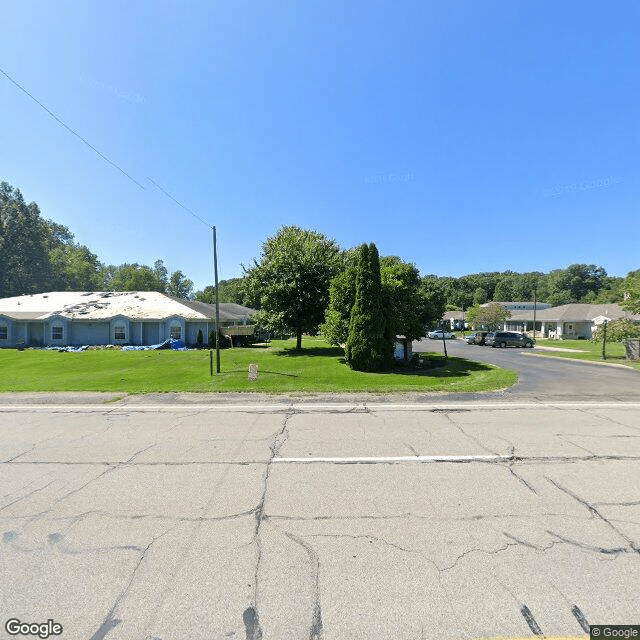
8850 Red Arrow Highway, Bridgman, MI 49106
For more information about senior living options: (866) 208-4318
Overall Review of Woodland Terrace Lilac Court
Pros
 Lilac keeps residents busy with activities.
- Care at the facility has been excellent, with caring and attentive staff.
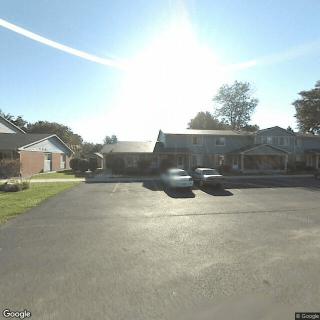
- Woodland Terrace is a very nice facility with beautiful grounds and a convenient location near family.
- The staff are awesome, very kind and helpful.
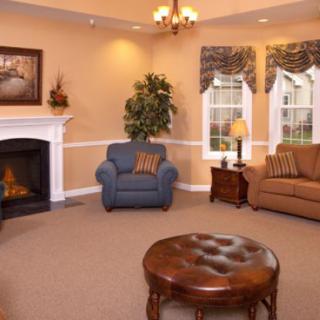
- The rooms are airy, well-lit, and feel home-like.
- There are a lot of activities to keep residents busy, with regular indoor programs and outside outings.
- The community is clean and offers good value.
Cons
 The Activity Director was snippy and short with the family during concerns about their grandmother, and she even hung up.
 - The grandmother is deteriorating since being at Woodland Terrace.
- After supper there is no medical staff on duty, and it was very expensive for what was offered.
- If care needs accelerate, residents would have to move to another building.
- The food was not well liked and lacked variety.
- Occasionally, incontinence products are not changed frequently enough, leading to urine odor.
- Hearing aids are sometimes forgotten, leaving the relative quite deaf.
Review
Woodland Terrace Lilac Court is best suited for families seeking a warm, activity-forward assisted living where residents feel part of a family and daily life centers on engagement, social connection, and a comfortable, one-level environment. The Bridgman campus conveys a calm, home-like vibe with well-kept grounds that promote easy mobility and neighborly interaction. A strong, caring staff is repeatedly highlighted, and the program of daily activities, outings to zoos and gardens, and regular dining and social moments helps residents stay mentally and socially active. For families prioritizing proximity to home, the location also makes visits practical and low-stress, reducing the burden of relocation.
Those who should consider alternatives are typically higher-acuity cases or families needing robust medical oversight around the clock. If after-hours nursing presence is essential, or if consistent, rapid administrative responses are non-negotiable, Woodland Terrace may fall short. Questions about consistently uniform room features, guaranteed meal variety, or a streamlined process for care escalations are legitimate red flags for some. A few elements, such as occasional staff-friction, limited after-hours medical coverage, and variability in room configurations, warrant a careful comparison against other communities with stronger 24/7 medical staffing or more rigid quality controls.
The core strengths, caring, attentive staff; rich activity programming; and a homey, social atmosphere, do a meaningful job of offsetting several downsides. Residents benefit from daily programmed activities, outside excursions, and opportunities to socialize in a setting that feels less institutional. The multi-building approach provides options as needs evolve, with some units offering family-style meals and a sense of community intimacy. Cleanliness and a peaceful setting further reinforce the impression of a well-kept, comfortable home. When meals and social time land well, family feedback tends to be overwhelmingly positive.
That said, the cons carry weight for families weighing stability and predictability. A few interactions described as snippy or unresponsive from activity staff and administration can sour trust during the transition and ongoing oversight. The absence of medical staff after supper, paired with questions about value for the level of care offered, can be a deal-breaker for care-savvy families seeking dependable healthcare continuity. Inconsistencies among rooms, some with larger kitchen setups, others with only a microwave, plus hiccups with cable or TV setup, detract from a uniformly turnkey experience. Food quality, while generally acceptable, is not universally praised, and for some residents this undermines overall satisfaction.
Despite these caveats, the advantages often tip the balance toward Woodland Terrace for families prioritizing social vitality and ease of living. The campus’s beauty, the one-level footprint that supports mobility, and the sense of belonging foster ongoing engagement and reduce the isolation that can accompany aging in place. The price point, competitive for the area and coupled with a non-buy-in model, adds financial clarity for families planning long-term care, especially when care needs remain manageable within the community’s structure. For those who value regular outings and a lively calendar, the trade-offs are acceptable and even favorable.
Practical decision-making should center on three questions: Are after-hours medical needs essential, and does the family require a guaranteed level of medical oversight on site? How important is uniform room equipment and guaranteed meal variety for every resident? Finally, does the specific resident’s personality align with a socially active, community-oriented setting where staff performance and administrative responsiveness are consistently reliable? If the answer to these is yes, Woodland Terrace Lilac Court stands out as a practical, well-loved option.
In the end, Woodland Terrace Lilac Court serves best as a bridge between independent living and more intensive care for seniors who crave companionship, purposeful daily routines, and a setting that feels like home. For families that can tolerate occasional staff quirks, occasional meal consistency questions, and the need for occasional escalations in care, this community delivers a compelling blend of warm staff, active programming, and a serene environment. If the priority shifts toward guaranteed 24/7 medical support, or if a resident’s needs threaten to outpace what the campus is designed to provide, exploring alternatives with a stronger medical continuum is prudent.
 20 resident community capacity
 Assisted Living
 Board and Care Home
 Independent Living
 Memory Care
 Cats allowed
 Dogs allowed
 Activities on-site
 Beauty salon
 Cable or satellite TV
 Devotional services off-site
 Dining room
 Fully furnished
 Garden
 Housekeeping services
 Indoor common areas
 Kitchenette
 Move-in coordination
 Outdoor space
 Telephone
 Wi-Fi/high-speed internet available
 South Bend Regional (21 miles away)
 24-hour call system
 Assistance with bathing
 Assistance with dressing
 Assistance with transfers
 Diabetes diet
 Diabetic care
 Incontinence care
 Meal preparation and service
 Medication management
 Mental wellness program
 Special dietary restrictions
 Transportation arrangement (medical)
 Transportation to doctors appointments




 When to Transition from Assisted Living to Memory Care: Key Indicators, Steps, and Finding the Right Community
 Understanding the Distinctions: Assisted Living and Memory Care Explained
 How to Communicate with a Loved One Living with Dementia: 10 Supportive Strategies