
805 West Midland, Auburn, MI 48611
For more information about senior living options: (866) 208-4318
Overall Review of Rose Gate Adult Foster Care Home
Pros
 Jody is amazing.
- Under Jody's leadership, the staff are very patient and caring with the residents.
- She accomplishes a great deal in a day, from cleaning and cooking to caregiving and paperwork.
- She decorates and takes time to make everyone feel important.
- She gives her heart and soul to each person.
- She is a huge asset to the house and the clients.
- Any agency would be honored to have her as an employee.
- The staff are kind and caring, and the manager ensures all needs are met.
- Jody loves what she does and it shows.
Cons
 There was inadequate caregiver coverage and support.
 - A staff member could not safely move the patient due to insufficient help.
- The patient had bedsores and urine-soaked clothing, due to lack of proper care.
- The patient was put to bed by 6:30 PM and left there until 8:00 AM without a change.
- The facility's kitchen was dirty, with food smeared on the wall by the trash can, and the bathrooms were dirty and unclean.
- The meals could not be pureed or adapted for the patient, and substitutions were not effectively prepared.
- The manager's response yielded only slight improvement, with many issues left unaddressed.
- The reviewer would not recommend Haven AFC Assisted Living facilities.
Review
Rose Gate Adult Foster Care Home in Auburn, MI is best suited for families seeking a truly intimate, caregiver-led environment where residents are known personally, daily routines are tightly woven into the day, and staff deliver hands-on, compassionate care with a home-like atmosphere. The community shines for seniors who flourish with consistent faces, thoughtful daily attention, and a setting that feels more like a household than a clinical facility. Here, the emphasis is on heart-backed service, clean, comfortable surroundings paired with meals that feel homely and routines that reinforce a sense of belonging. For families prioritizing warmth, attentiveness, and a small-team dynamic, Rose Gate stands out as a strong option.
Those with higher or more complex medical needs should carefully weigh whether this setting is the right fit. Alternatives deserve consideration for residents requiring steady, around-the-clock nursing, more formal dementia management, or robust continuity of care across shifts. If 24/7 nursing oversight, high staff-to-resident ratios, or specialized memory care with structured programming are non-negotiable, a larger, more established facility may be preferable. The occasional cautionary feedback points to a risk that staffing consistency and coverage become a decisive factor in the level of care delivered, especially for residents with advanced dementia or significant incontinence needs.
The strongest, most consistent pro is the leadership and the devoted caregiving approach. Jody, the manager and daytime caregiver, emerges repeatedly as the heart of the operation, driving a culture of patience, empathy, and hands-on assistance. The staff’s willingness to tackle a broad range of tasks, household chores, meals, laundry, and personal care, helps create a sense of home that resonates with families seeking comfort and reliability. Residents are described as feeling valued, with decor and daily routines designed to honor each person. The environment generally receives praise for attentiveness, friendliness, and generous portions of practical support.
By contrast, the most consequential cons revolve around staffing depth and its impact on consistent care. A detailed negative account describes severe gaps in caregiver coverage, with a single staff member attempting to meet multiple, round-the-clock needs for a dementia patient. The result, in that account, included inadequate diaper changes, safety risks from insufficient assistance with mobility, and even bodily waste management failures. Additional concerns cited a dirty kitchen, odors in bathrooms, and food choices that did not accommodate a resident with chewing or swallowing limitations. While this represents a stark counterpoint to the praise elsewhere, it is a legitimate risk signal: inconsistency in staffing can undermine even the best-intentioned care plan.
Still, the community does not exist in a vacuum of risk. There is credible, case-by-case evidence that when staffing is adequate and operations run smoothly, Rose Gate delivers the kind of high-touch care families seek. A respite-stay testimonial recounts a seamless process from intake to settling in, with staff handling paperwork, guiding the newcomer, and making the resident feel truly cared for. Another positive note highlights the ability of the team to create a welcoming, homelike atmosphere where residents form friendships, receive attentive meals, and enjoy a clean, comfortable setting. In these moments, the model works: devoted caregivers, a manager who is personally invested, and a small-scale environment that favors meaningful connections.
For families weighing the decision, the practical takeaway centers on matching needs to the likelihood of dependable staffing and transparent care protocols. If a loved one benefits from a warm, intimately managed home where caregivers know names, preferences, and routines, and where visits and ongoing observation can be frequent, Rose Gate can be an excellent fit. To mitigate risk, requests should focus on current staffing schedules, shift coverage, and how the home handles high-needs situations, especially for dementia or incontinence care. Ask for recent caregiver-to-resident ratios, a clear care plan, and a tour that includes kitchen cleanliness and meal options. Obtain recent references and, if possible, observe a shift change to gauge real-time operations.
Ultimately, Rose Gate AFC stands as a practical, heartfelt choice for families prioritizing a home-like, person-centered approach in assisted living. Its strengths are unmistakable when leadership and staffing align, delivering warmth, attentiveness, and a sense that residents are truly cherished. However, the cautionary experiences cannot be ignored: staffing gaps, safety lapses, and facility cleanliness concerns have the potential to erode quality of life for the most vulnerable residents. The decision should hinge on a careful assessment of whether current staffing structures meet the resident’s needs and whether the home can sustain the level of attentive care that makes the difference between a good day and a troubling one.
 10 resident community capacity
 Assisted Living
 Board and Care Home
 Cable or satellite TV
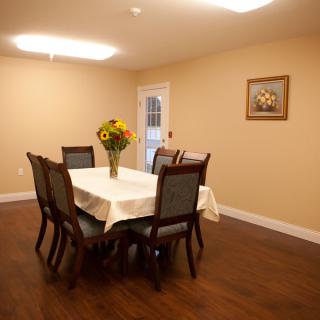
 Dining room
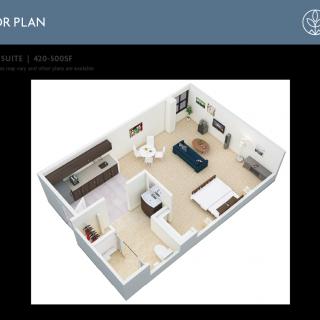
 Fully furnished
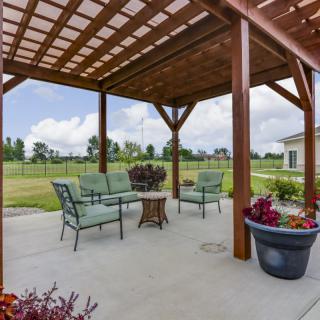
 Garden
 Housekeeping services
 Move-in coordination
 Outdoor space
 Telephone
 Wi-Fi/high-speed internet available
 Mbs International (5 miles away)
 24-hour supervision
 Activities of daily living assistance
 Assistance with bathing
 Assistance with dressing
 Assistance with transfers
 Diabetes diet
 Meal preparation and service
 Medication management
 Special dietary restrictions
 Transportation arrangement (medical)
 Transportation to doctors appointments



 A Detailed Exploration of Assisted Living Medicaid Waivers Across the United States
 Comprehensive Residential Support and Assisted Living Solutions for Individuals with Disabilities
 Comprehensive Supportive Living Arrangements for Adults with Disabilities