
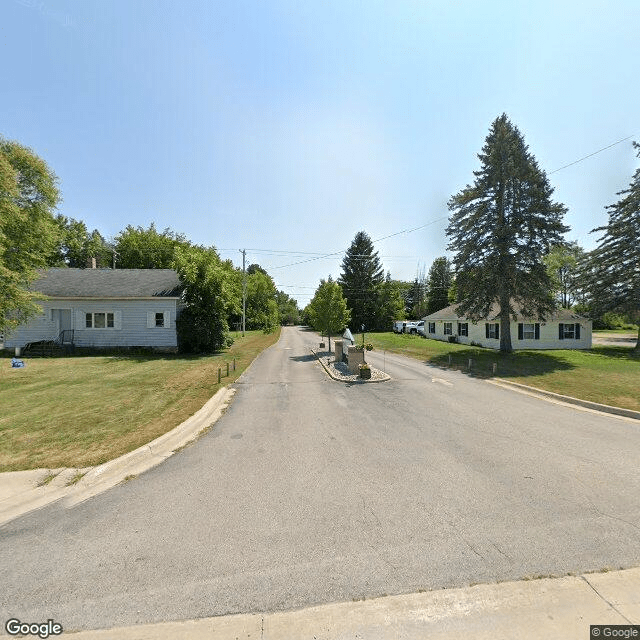
202 Plainview Dr., Auburn, MI 48611
To contact a resident: (989) 662-7202
For more information about senior living options: (866) 208-4318
Plainview Senior Neighborhood - Assisted Living Costs & Pricing
Plainview Senior Neighborhood - Assisted Living offers competitive pricing for its residents, with monthly costs for both studio and semi-private rooms set at $3,100. This rate is notably lower than the average studio costs in Bay County, which stands at $3,514, as well as the state average of $3,824. In terms of semi-private accommodations, Plainview maintains a similar cost of $3,100 while Bay County has a more affordable average of $2,851 and Michigan's overall average reaches $3,191. These figures highlight Plainview's commitment to providing accessible senior living options that cater to various financial needs within the local context.
| Floor plans | Plainview Senior Neighborhood - Assisted Living | Bay County | Michigan |
|---|---|---|---|
| Semi-Private | $3,100 | $2,851 | $3,189 |
| Studio | $3,100 | $3,514 | $3,824 |
Memory care communities with a similar price nearby
-
from +$398 / mo
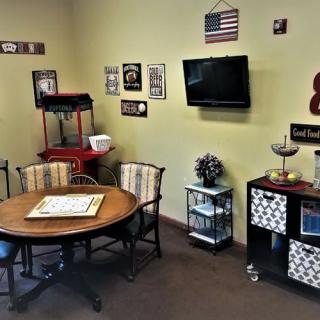
Bickford of Midland
$3,498 to $4,106 / month7.8 miles away -
from +$100 / mo
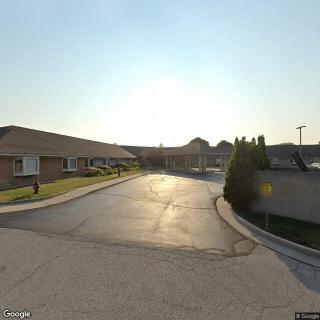
Edgewood Assisted Living Center
$3,200 to $3,300 / month13.4 miles away -
from +$398 / mo
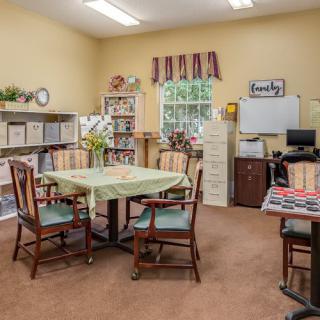
Bickford of Saginaw Township
$3,498 to $3,954 / month10.0 miles away -
from -$590 / mo
Sheffield Bay
$2,510 to $3,410 / month8.2 miles away -
from -$600 / mo
Serenity Springs
$2,500 / month18.1 miles away
Overall Review of Plainview Senior Neighborhood - Assisted Living
Pros
 The residents at Plainview receive superior care.
- The intimate environment helps residents feel comfortable and combats loneliness.
- It is a fantastic, family-like place with great activities and food.
- Residents receive substantial one-on-one attention.
- The care in this community is excellent, and the staff are helpful and kind.
- The community is clean and well maintained at all times.
- The menu is appealing with a lot of variety.
- Residents are very active with one another.
- The community is highly recommended for care and value.
Review
Plainview Senior Neighborhood in Auburn is best suited for seniors who want an intimate, home-style assisted living experience where care feels personal and daily life is built around relationships. The community consistently earns strong praise for a warm, family-like atmosphere, substantial one-on-one attention, and a sense of connection among residents. For families seeking a setting where staff know names, follow routines closely, and cultivate social ties through a deliberate activities calendar, Plainview delivers a convincing, hands-on approach to daily living.
Those who may want to consider alternatives are adults with higher medical complexity or the need for frequent on-site nursing oversight. If the priority is a large campus with more intensive clinical services, memory-care specialization, or a broader spectrum of therapies and vendors, a bigger operator may be a better fit. Additionally, families prioritizing ultra-low caregiver-to-resident ratios on every shift, or needing extensive rehabilitation, might prefer a community whose size and staffing are oriented toward those clinical benchmarks. Plainview’s strengths lie in warmth and engagement, but their model is less about scale and institutional medical intensity.
The strongest positives, an intimate environment, abundant one-on-one attention, and a highly engaging social program, work in concert to offset potential downsides. Residents are described as active and connected with peers, with menu variety and appealing food that support nutrition and enjoyment. Cleanliness and consistent maintenance reinforce a safe, comfortable setting, while staff who are helpful and kind reinforce trust and stability for families. This combination means the daily experience feels personal and reassuring, which matters greatly for staying engaged and overcoming loneliness. The main caveat is the potential gap between this intimate model and the level of on-site medical oversight some families expect; those concerns are not echoed as cons by current reviews, but are worth confirming directly with the community before moving.
Operationally, Plainview delivers what matters for sustained satisfaction: a program that emphasizes relationship-building, predictable routines, and meaningful activities. The advantage is that residents often thrive on the regular interaction and the sense of belonging that comes from a close-knit group. The trade-off to monitor is whether the environment can sustain specific medical supports as needs evolve. Prospective families should probe for nurse availability, on-call coverage, and how transitions in care are managed if health status changes. A tour that includes conversations with frontline staff about daily schedules, meal preparation, and activity planning will reveal how the practical rhythm fits individual expectations.
Emotionally, the environment appears well-suited for residents who value companionship and daily purpose. The “family-like” tone, coupled with strong activity offerings and a varied menu, supports both cognitive and social vitality. This is especially important for couples or friends choosing to live together and share each day, rather than facing a sterile, impersonal setting. The reputational emphasis on cleanliness and staff reliability also reduces uncertainty for families managing transitions, paying dividends in ongoing peace of mind as needs shift over time.
Bottom line: Plainview Senior Neighborhood is a strong match for seniors who prioritize intimacy, attentive staff, and an active, socially rich daily life. It’s an especially good fit for those who want genuine connection, predictable routines, and a warm communal feel over the newest amenities or the largest facility footprint. Families considering alternatives should reflect on medical needs, desired level of on-site clinical care, and the importance of a larger scale environment. To move forward with confidence, schedule a thorough tour, ask for specific staffing patterns, and review how care plans adjust as health needs evolve. This approach ensures the decision aligns with practical realities and emotional priorities alike.
 Assisted Living
 Memory Care
 Activities on-site
 Devotional services off-site
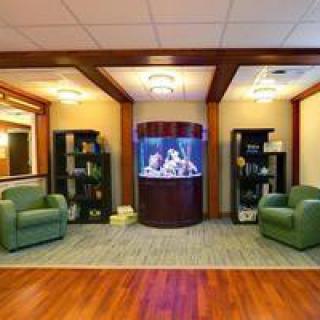
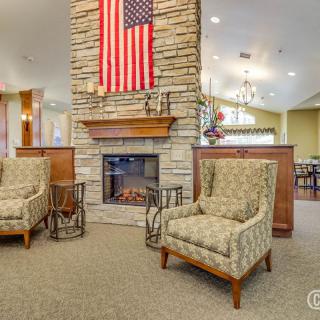
 Indoor common areas
 Mbs International (5 miles away)
 Ambulatory care
 Diabetic care
 Incontinence care
 Meals provided

 8 Important Indicators That Memory Care May Be Necessary
 Delving into the Inner World of Dementia: Insights into Thoughts and Awareness
 Five Subtle Dementia Indicators to Observe: An In-Depth Guide to Understanding “Does My Mom Have Dementia?”