Bayfield Assisted Living & Memory Care Costs & Pricing
Bayfield Assisted Living & Memory Care offers a range of accommodations that are competitively priced compared to both Bay County and the broader state of Michigan. For a studio apartment, residents can expect to pay $4,170 per month, which is notably higher than the county average of $3,514 and state average of $3,824. Similarly, the one-bedroom option at Bayfield is priced at $4,875, again exceeding the local ($3,104) and state averages ($3,384). While these costs may be greater than those found in nearby areas, they reflect the quality care and specialized services that Bayfield provides for its residents.
Floor plans
Bayfield Assisted Living & Memory Care
Bay County
Michigan
Studio
$4,170
$3,514
$3,824
1 Bedroom
$4,875
$3,104
$3,384
Memory care communities with a similar price nearby
About the same
Independence Village Of Midland
4.8 from 198 reviews
$4,245 to $5,070 / month
11.1 miles away
from +$330 / mo
Independence Village Assisted Living & Memory Care of Midland
Overall Review of Bayfield Assisted Living & Memory Care
common62 reviews mention this
Staff kindness and responsiveness
Residents and families repeatedly describe staff who are kind, attentive, and supportive.
Many reviews say the staff listens, responds to questions, and helps families through stressful transitions, including moves from hospitals or from home. Several residents mention feeling cared for and treated with patience and respect, with frequent comments that interactions feel personal rather than transactional. A few reviews also note occasional delays with responding to call buttons and staffing levels, though some people say care quality is improving over time.
differentiator34 reviews mention this
Meals and dietary options stand out
Dining is a frequent bright spot, with meals described as tasty and aligned with dietary needs.
Food comes up often, with many reviews describing meals as fresh, enjoyable, and well prepared rather than bland or repetitive. Multiple comments highlight dietary fit—residents or families reference special diets being met and options being available at meals. This lines up with the community listing restaurant-style dining and several structured dietary options such as low/no-sodium and gluten-free.
common33 reviews mention this
Activities keep residents engaged
Reviews repeatedly point to daily activities that help residents stay socially engaged.
Residents and families frequently describe being encouraged to join activities and mention that there is almost always something happening, from games and bingo to music and crafts. Some reviewers appreciate that the schedule supports different abilities and interests, including residents who are less inclined to participate. A small number of reviews wish for more variety or more creative options at certain times, especially around weekends.
differentiator9 reviews mention this
Memory care support is a focus
Families describe memory-care support that helps reduce daily worries as needs progress.
Several reviews specifically mention dementia or memory-care transitions and describe staff support that helps with supervision and daily routines. Families also connect the care to peace of mind—especially when loved ones become less safe living independently. This matches the community’s listed memory-care programming and services such as specialized memory care programming and dementia waiver support.
caveat4 reviews mention this
Call response and cleanliness issues
A few reviews flag operational gaps like delayed responses and cleanliness lapses.
While many people praise cleanliness and smooth day-to-day support, a few reviews report problems such as slow aide response after calling for help. One review also describes issues related to room or bathroom upkeep, including items not being handled as expected. Another review calls out staffing shortages as contributing to these problems, even though the same reviewer also said things have started to improve.
caveat2 reviews mention this
Pricing runs above local averages
Cost is described as high by some reviewers, and listed pricing is above county and state benchmarks.
At least a couple of reviews mention the overall price being costly or that the value does not match what they expected to receive. The pricing information provided also indicates rates above both county and state reference points for the unit types shown. Together, this can help explain why affordability comes up alongside other praise in the reviews.
How we summarize
Counts show how many written reviews mention each theme; a review can touch several themes, and only frequently mentioned themes are displayed.
Features
Housing
70 resident community capacity
Types of Care
Assisted Living
Memory Care
Amenities
Activities off-site
Activities on-site
Air-conditioning
Bath tubs
Beautician on-site
Beauty salon
Cable or satellite TV
Computer center
Devotional services off-site
Devotional services on-site
Dining room
Fitness room
Fully furnished
Gaming room
Garden
Ground floor units
Handicap accessible
Housekeeping services
Indoor common areas
Kitchenette
Move-in coordination
Outdoor common areas
Outdoor space
Private bathrooms
Respite or short term stays offered
Restaurant-style dining
Small library
Telephone
Wellness center
Wheelchair accessible showers
Wi-Fi/high-speed internet available
Transportation
Mbs International (9 miles away)
Community operated transportation
Transportation arrangement
Transportation arrangement (non-medical)
Transportation to doctors appointments
Care Services
12-16 hour nursing
24-hour call system
24-hour supervision
Activities of daily living assistance
Assistance with bathing
Assistance with dressing
Assistance with transfers
Coordination with health care providers
Dementia waiver
Diabetes diet
Diabetic care
Hospice waiver
Incontinence care
Meal preparation and service
Medication management
Mental wellness program
Mild cognitive impairment
Special dietary restrictions
Specialized memory care programming
Transportation arrangement (medical)
Transportation to doctors appointments
Dining
Diabetes diet
Gluten-free
Kosher
Low / no sodium
Meals provided
No Sugar
Special dietary restrictions
Vegetarian
Activities
Activities off-site
Activities on-site
Art classes
Community-sponsored activities
Concierge services
Devotional activities offsite
Devotional activities on-site
Fitness programs
Gardening club
Live dance or theater performances
Live musical performances
Planned day trips
Resident-run activities
Scheduled daily activities
Trivia games
Visiting chaplain or priest
Wii bowling
Nearby Places of Interest
Bay City, Michigan, offers a convenient and diverse range of amenities for seniors considering the area for living. With several reputable restaurants nearby such as Cracker Barrel and Lucky's Steak House, seniors can enjoy delicious meals without having to travel far. There are also cafes like Tim Hortons and Panera Bread for those looking for a casual dining experience. In terms of healthcare, there are numerous physicians offices and pharmacies within a short distance, providing easy access to medical care and medications. Additionally, Bay City boasts several parks such as Veterans Memorial Park and Bay City State Park, offering opportunities for outdoor recreation and relaxation. The presence of multiple places of worship also highlights the community's focus on spiritual well-being. Overall, with hospitals like Bay Regional Medical Center and McLaren- Bay Region located nearby, seniors can rest assured that their health needs will be met in this welcoming and well-equipped area of Bay City.
Restaurants
Cracker Barrel (0.4 miles)
Uno Chicago Grill (0.4 miles)
Lucky's Steak House (0.5 miles)
Culver's (0.7 miles)
Applebee's (1.7 miles)
Taco Bell (1.8 miles)
Arby's (1.9 miles)
Cafes
Tim Hortons (1.7 miles)
Panera Bread (2.7 miles)
Starbucks (2.7 miles)
Cafe One 3 (5 miles)
Physicians
Bay Regional Pain Management Center (1.8 miles)
Baker Ear Nose & Throat Associates (1.8 miles)
McLaren Bay Region West Side Medical Mall (1.8 miles)
Saginaw Bay Dermatology (1.9 miles)
Boyce Brent M Md Pc (1.9 miles)
McLaren Bay Region - Physical Medicine & Rehabilitation (2 miles)
Bayfield Assisted Living & Memory Care offers a range of accommodations that are competitively priced compared to both Bay County and the broader state of Michigan. For a studio apartment, residents can expect to pay $4,170 per month, which is notably higher than the county average of $3,514 and state average of $3,824. Similarly, the one-bedroom option at Bayfield is priced at $4,875, again exceeding the local ($3,104) and state averages ($3,384). While these costs may be greater than those found in nearby areas, they reflect the quality care and specialized services that Bayfield provides for its residents.
Bayfield Assisted Living & Memory Care offers a comprehensive range of features that are specifically designed to support residents with dementia and Alzheimer's disease. The 24-hour supervision ensures that individuals receive constant care and immediate assistance, enhancing their safety and comfort. Assistance with activities of daily living, such as bathing, dressing, and transfers, promotes independence while providing the necessary support for those who may struggle with these tasks. Coordination with healthcare providers ensures continuity of medical care tailored to each resident's unique needs. The dementia waiver facilitates specialized programming that caters to varying cognitive abilities, including mild cognitive impairment. Incontinence care is provided discreetly to maintain dignity, while meal preparation and service ensure nutritional needs are met in a supportive environment. Medication management helps prevent errors and promotes health stability, and the mental wellness program fosters cognitive engagement through meaningful activities. Additionally, transportation arrangements for medical appointments facilitate access to essential healthcare services, all contributing to an enriching environment tailored for individuals facing memory challenges.
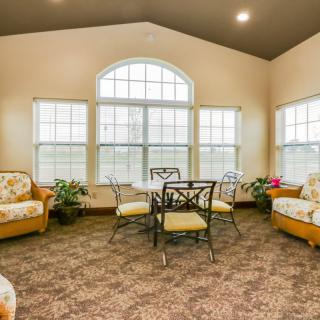
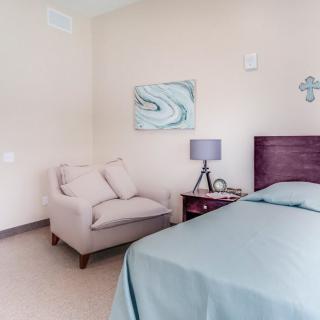
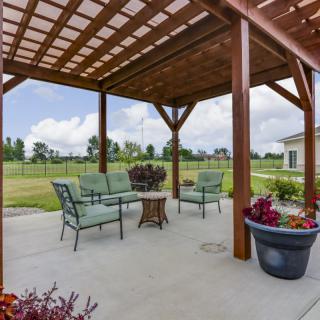
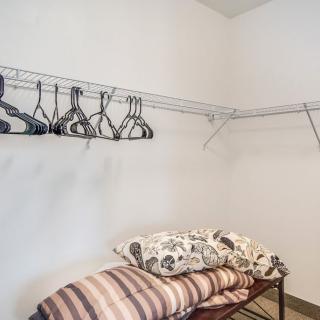
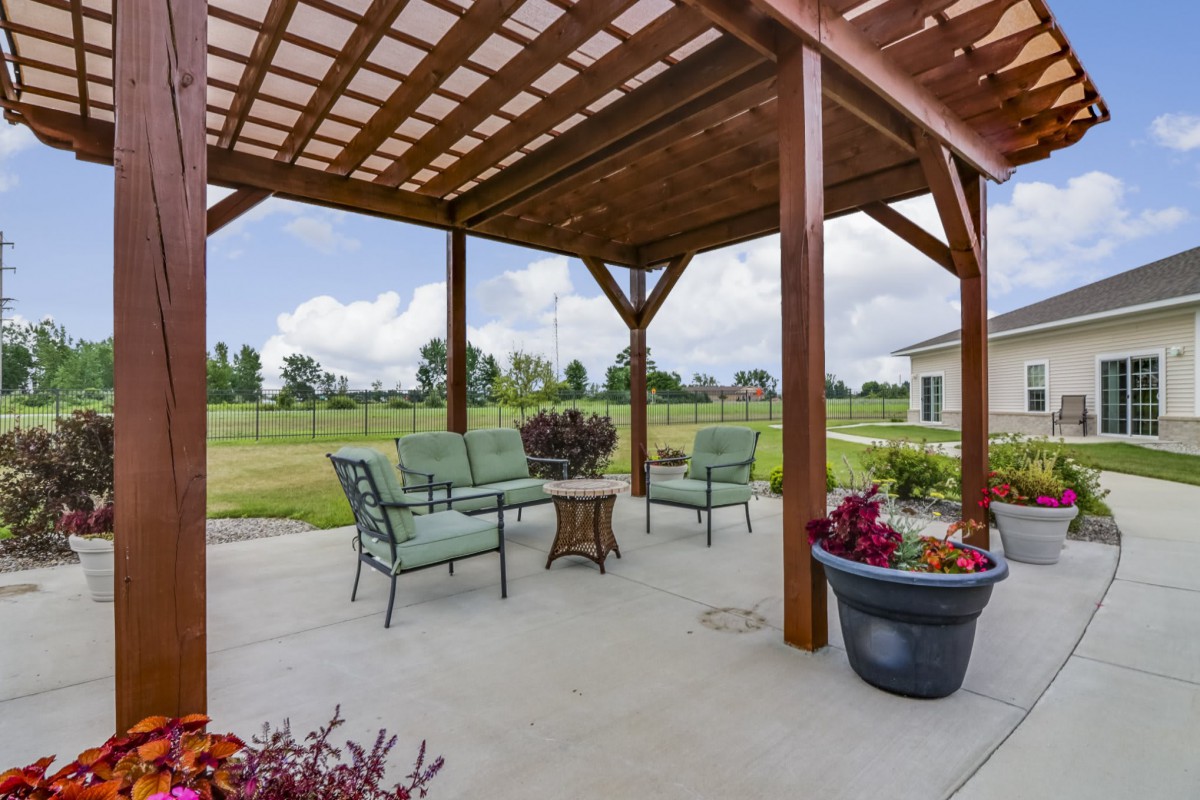
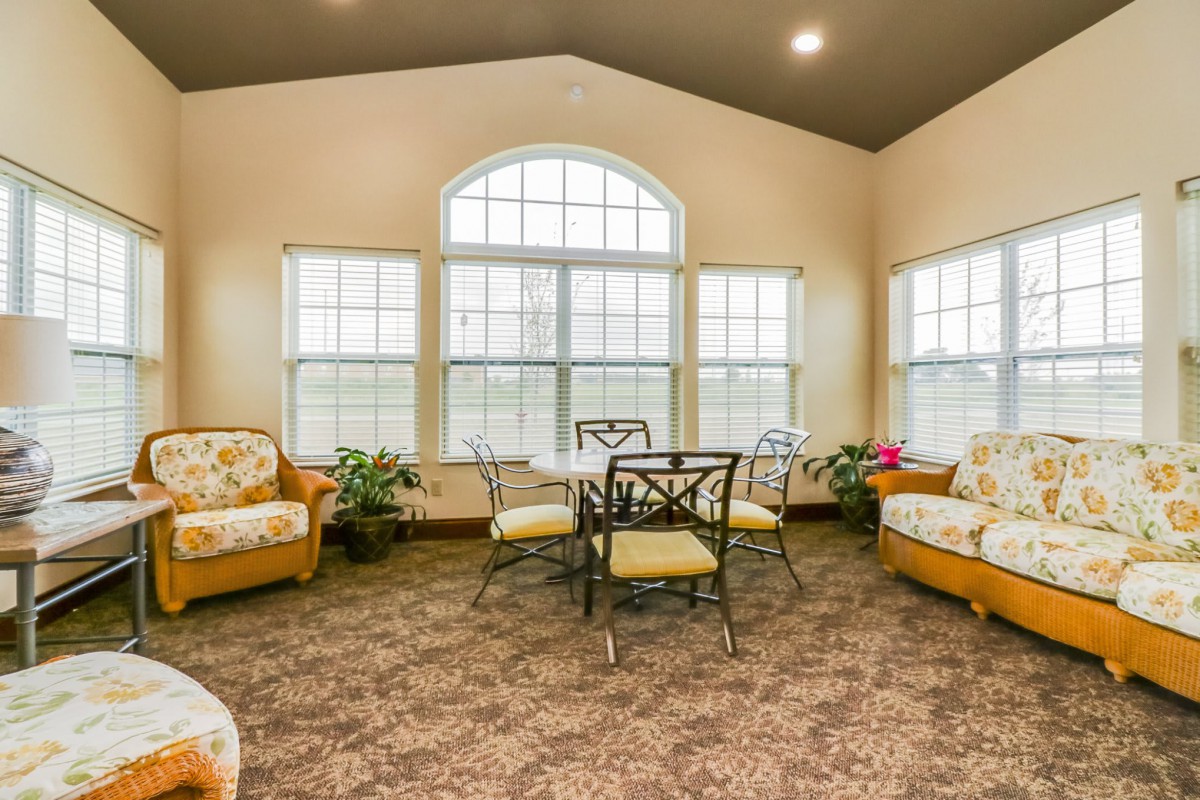
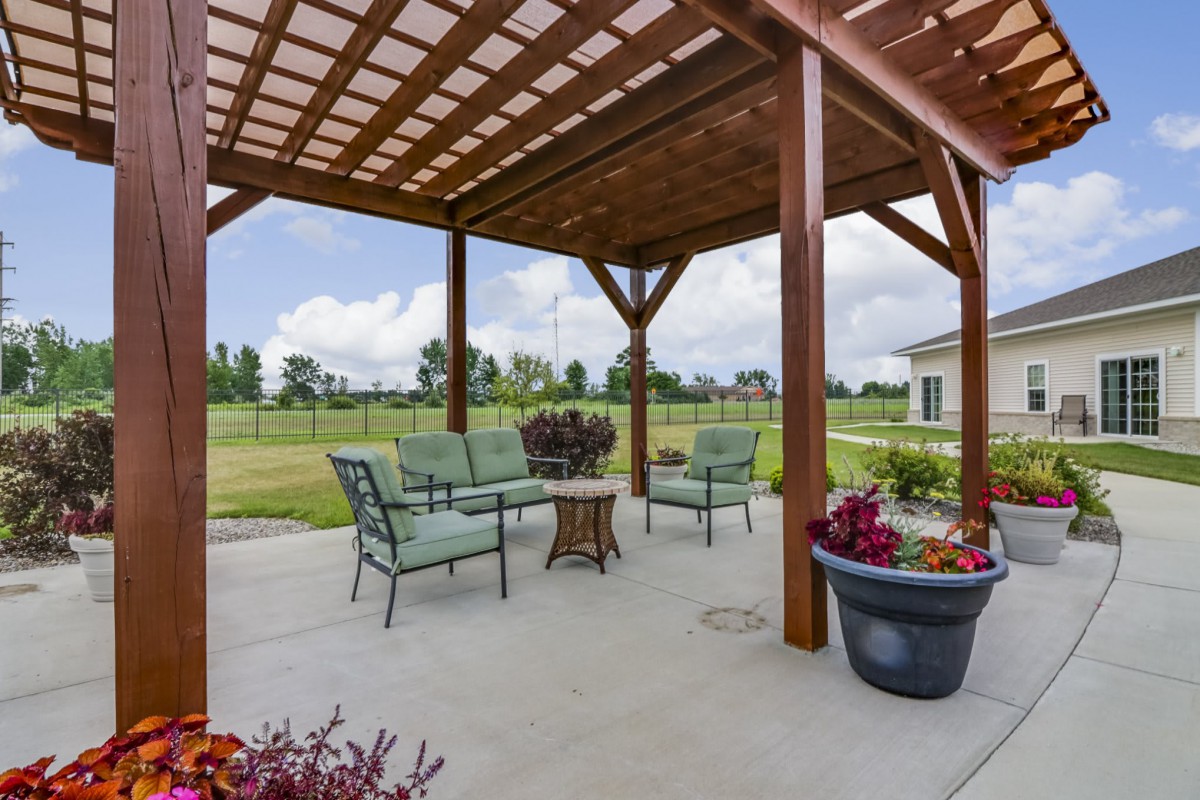
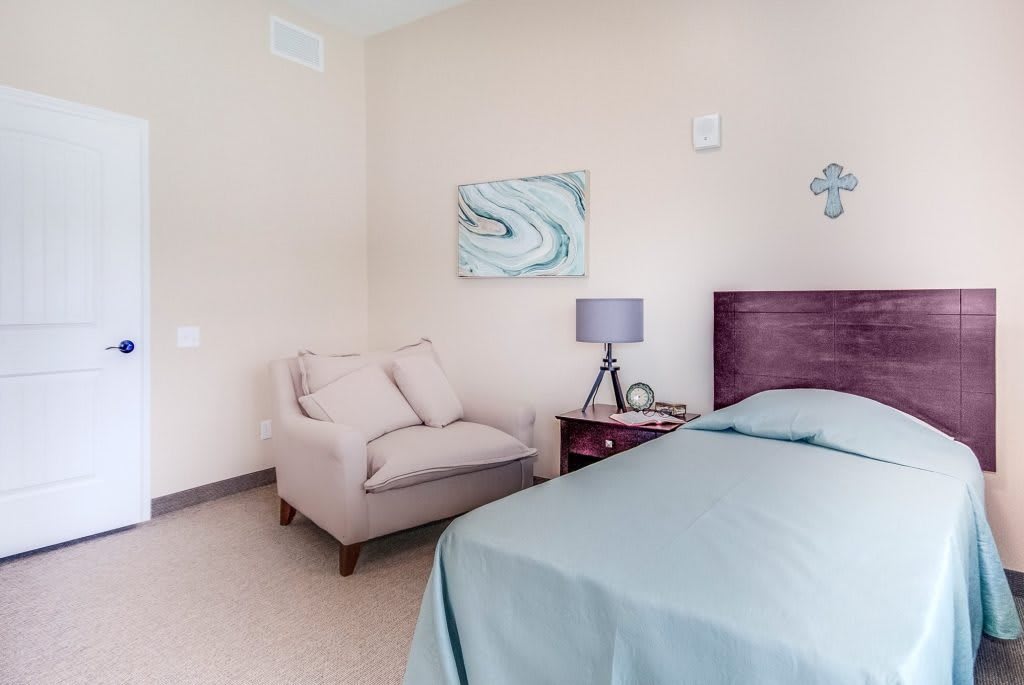
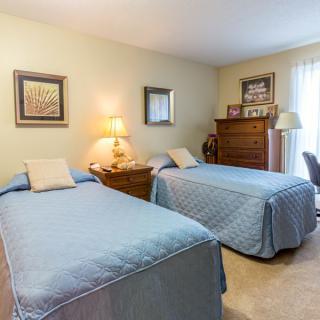
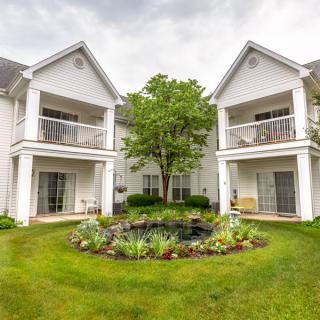
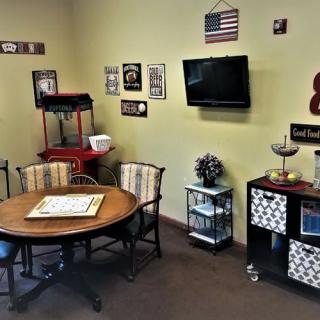
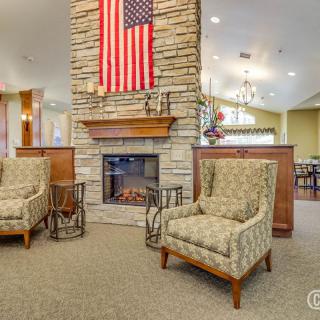
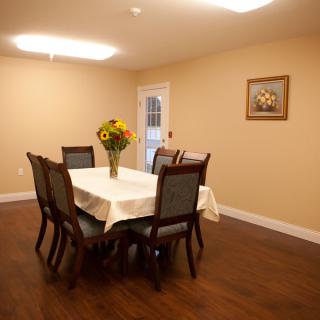
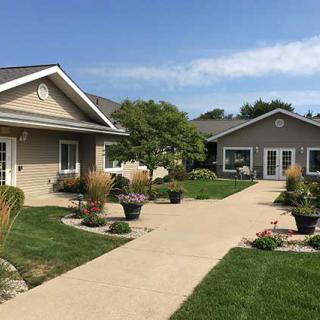
Bayfield Assisted Living & Memory Care on seniors.fyi includes 6 photos including images showing landscaping, patio, pergola, interior, bedroom, outdoor seating, living room, windows, and more.
Nearby Communities
Woodhaven Senior Living at Bay City
Bay City, MI
5 from 4 reviews
$1,850 to $4,800 / month
Clean facility with friendly staff and engaging activities.
Woodhaven At Bay City
Bay City, MI
5 from 2 reviews
Homelike board-and-care with personalized care, meals, housekeeping, and medical coordination.
Wildwood
Bay City, MI
2.9 from 116 reviews
Comprehensive care with 24/7 supervision and medical coordination.
Maplewood
Bay City, MI
2.9 from 9 reviews
Small, intimate setting with personalized care and full on-site amenities.
Oakwood Home
Bay City, MI
Fully furnished apartments with housekeeping, 24-hour supervision, diabetes-friendly dining, and medical transportation.
Birchwood - Bay City
Bay City, MI
Intimate, personalized care with 24-hour supervision.
Sheffield Bay
Bay City, MI
3.9 from 30 reviews
$2,510 to $3,410 / month
Beautiful, well-maintained facility with spacious rooms, restaurant-style dining, and engaging activities with responsive staff.
Bay City Comfort Care
Bay City, MI
4.1 from 116 reviews
$4,000 to $6,000 / month
Engaging activities and attentive staff in a welcoming environment.
Bay Valley House
Bay City, MI
4.2 from 22 reviews
Specialized memory care with diabetic support and on-site meals.
Dementia is characterized by cognitive decline, with nutrition playing a vital role in brain health; while no specific diet can prevent or reverse it, a nutrient-dense diet rich in antioxidants and healthy fats may support cognitive function. The MIND diet, which emphasizes beneficial foods and limits processed items, along with proper hydration and individualized meal strategies, can enhance the well-being of dementia patients.
Dementia affects memory and cognitive function in older adults, presenting challenges for caregivers due to behavioral changes such as confusion and mood swings. Compassionate, person-centered care that considers individual history and preferences, along with effective communication and environmental modifications, is essential for supporting both patients and their caregivers.
Dementia leads to cognitive impairment and can cause emotional and behavioral changes, including aggression that arises from frustration, confusion, or fear. Effective coping strategies for caregivers include understanding dementia's nature, recognizing triggers, using empathetic communication, and employing non-pharmacological interventions like music and art therapy.
Living Room, Windows, Seating Area, and Natural Light
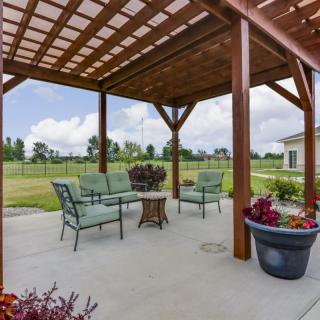
Landscaping, Patio, Outdoor Seating, and Pergola
Garden and Potted Plants
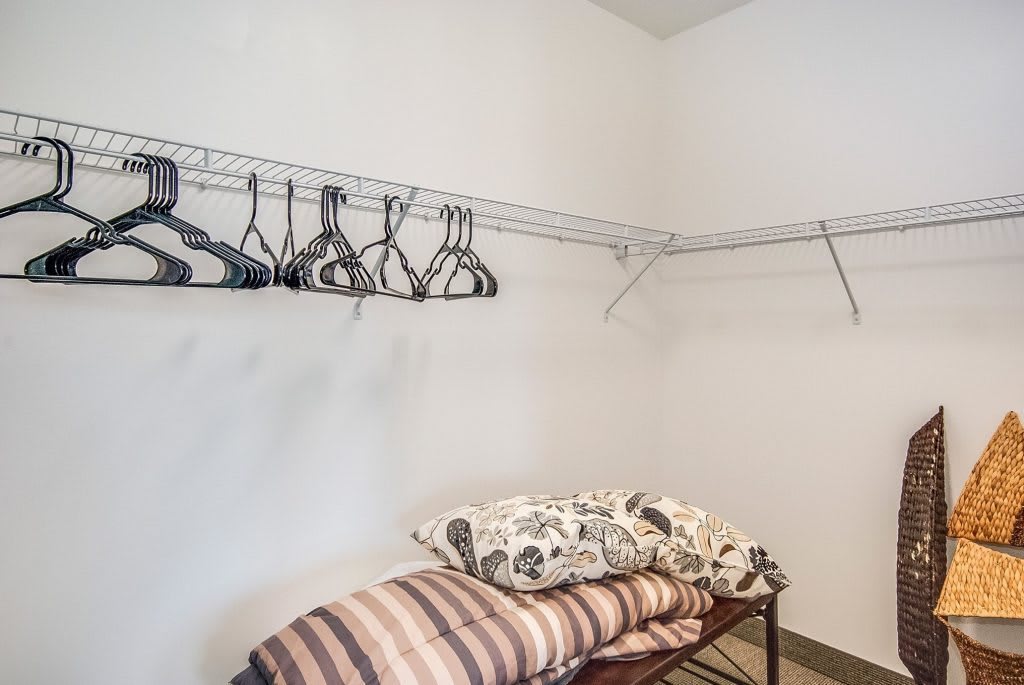
Closet
Get PricingAsk A QuestionSchedule A TourContact Senior Advisor
By clicking submit, you agree to our Partner's Terms of Use. You
also consent to receive calls and texts, which may be autodialed, from our Partner. Your consent is not a condition to
using our Partner's service. Please visit our Partner's Privacy Policy for information about their privacy practices.

 70 resident community capacity
 Assisted Living
 Memory Care
 Activities off-site
 Air-conditioning
 Bath tubs
 Beautician on-site
 Cable or satellite TV
 Computer center
 Devotional services off-site
 Dining room
 Fitness room
 Fully furnished
 Gaming room
 Garden
 Ground floor units
 Handicap accessible
 Housekeeping services
 Indoor common areas
 Kitchenette
 Move-in coordination
 Outdoor common areas
 Private bathrooms
 Respite or short term stays offered
 Restaurant-style dining
 Small library
 Telephone
 Wellness center
 Wheelchair accessible showers
 Wi-Fi/high-speed internet available
 Mbs International (9 miles away)
 Community operated transportation
 12-16 hour nursing
 24-hour call system
 Assistance with bathing
 Assistance with dressing
 Assistance with transfers
 Diabetes diet
 Diabetic care
 Hospice waiver
 Incontinence care
 Medication management
 Mental wellness program
 Special dietary restrictions
 Transportation arrangement (medical)
 Art classes
 Concierge services
 Live dance or theater performances
 Live musical performances
 Planned day trips
 Trivia games
 Visiting chaplain or priest
 Wii bowling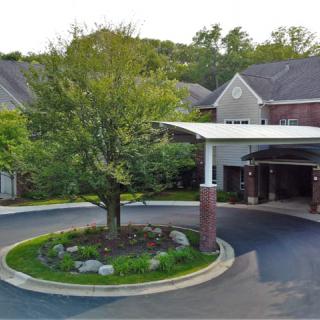
 Clean facility with friendly staff and engaging activities.
 Nourishing the Mind: Essential Dietary Approaches for Dementia
 Understanding Dementia Behaviors: Practical Insights and Strategies for Caregivers
 When Dementia Sparks Anger and Aggression: Understanding the Connection and Ways to Cope