Bridges® By Epoch At Westford offers a unique and supportive living experience, reflected in its monthly costs that are notably higher than both Middlesex County and the state averages in Massachusetts. For a semi-private room, residents can expect to pay $10,345 per month, significantly above the county's average of $6,395 and the state's average of $5,805. Additionally, those choosing a studio will find the monthly cost is $11,235, which surpasses Middlesex County's typical rate of $5,867 and the statewide average of $5,312. These figures underscore Bridges® commitment to providing high-quality care and enriched living environments for its residents.
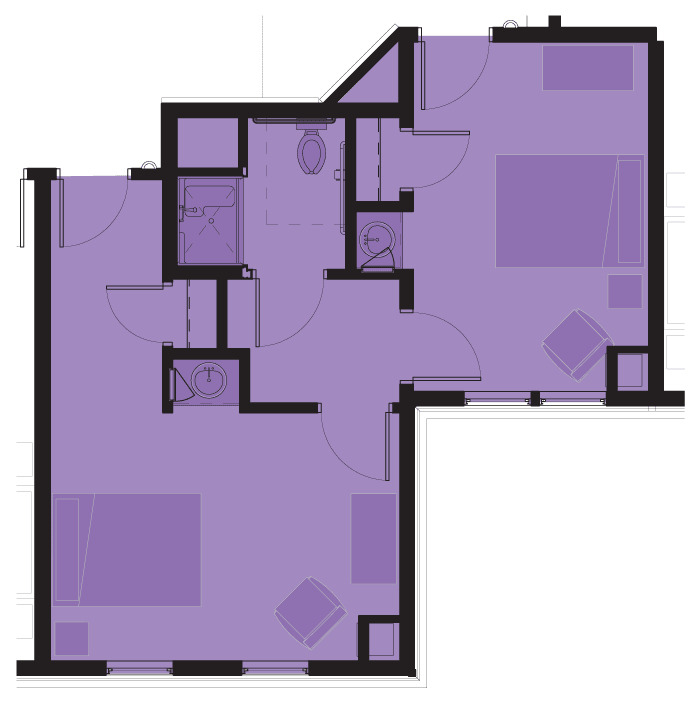
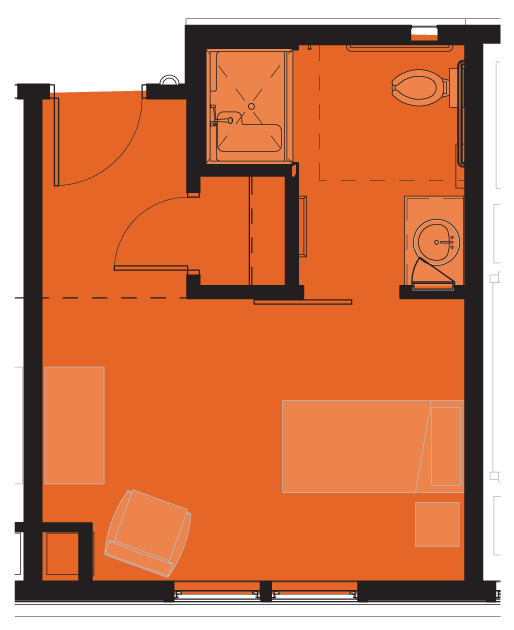
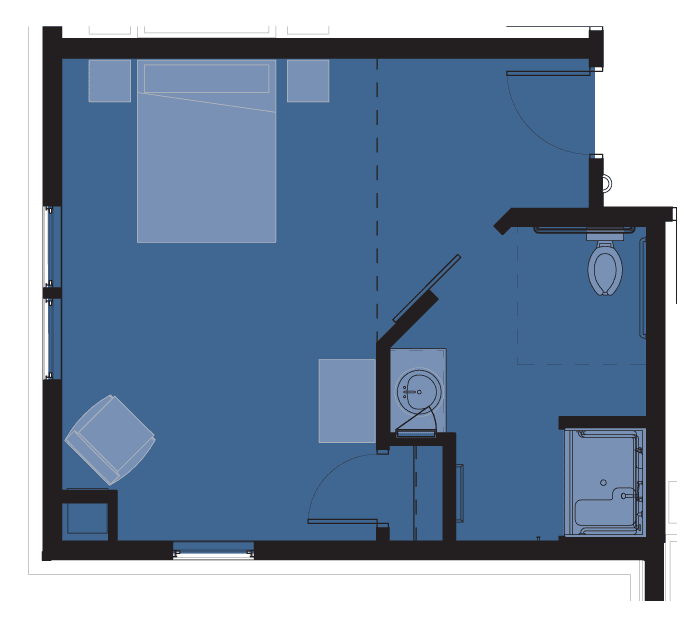
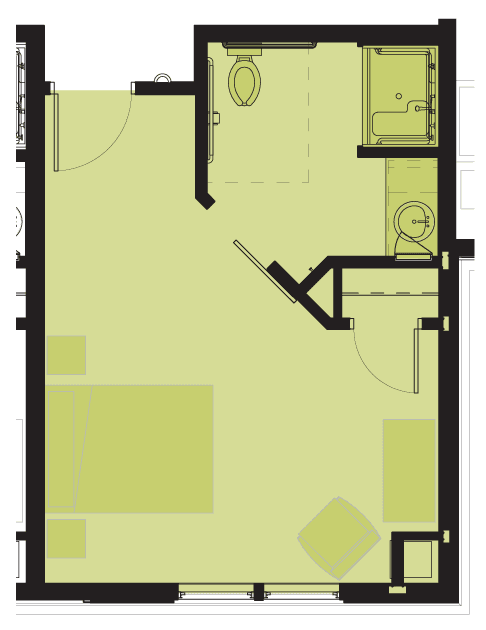
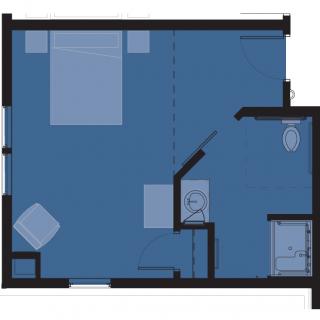
Floor plans
Bridges® By Epoch At Westford
Middlesex County
Massachusetts
Semi-Private
$10,345
$6,395
$5,805
Studio
$11,235
$5,867
$5,312
Memory care communities with a similar price nearby
Residents and families describe Bridges as purpose-built for dementia and memory loss needs.
Many reviewers frame Bridges as a memory-care option and describe it as the right fit as conditions progress, especially with moderate-to-late memory loss. Several mention dementia-specific support such as psychiatrist involvement, caregiver education, and a memory-focused approach to daily routines and activities. The community also offers specialized memory care programming and related care services, aligning with what families emphasize about the care focus.
common42 reviews mention this
Staff are caring and responsive
Across reviews, families and residents consistently describe staff as kind, attentive, and quick to help.
Reviewers repeatedly highlight caring interactions with residents and families, including staff learning residents’ needs and maintaining frequent check-ins. Several also describe staff support beyond day-to-day care, such as caregiver support groups and educational gatherings. While most experiences are positive, one review raises concerns about staffing levels and communication, which is important to consider when looking at resident needs.
common7 reviews mention this
Meals are generally a strength
Dining receives frequent praise, and some residents note restaurant-style meals.
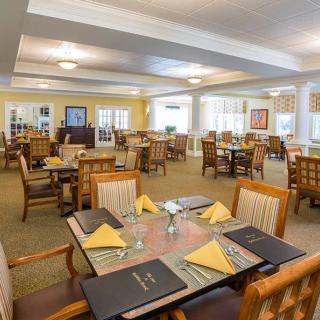
A number of reviewers say the food is delicious, appetizing, and improves their overall experience, with some mentioning regular shared meals with families. Several also reference an on-site chef and routine that feels comforting for people managing memory issues. One reviewer, however, reports food was sub-par despite expectations for the monthly cost, making dining a clear “mostly praised” but not universal theme.
common6 reviews mention this
Courtyards and walking areas
Residents get access to outdoor spaces that reviewers describe as calming and walkable.
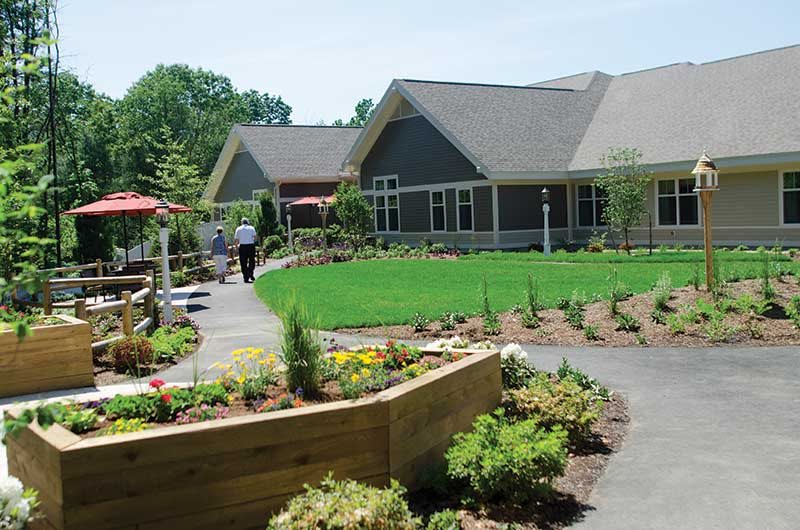
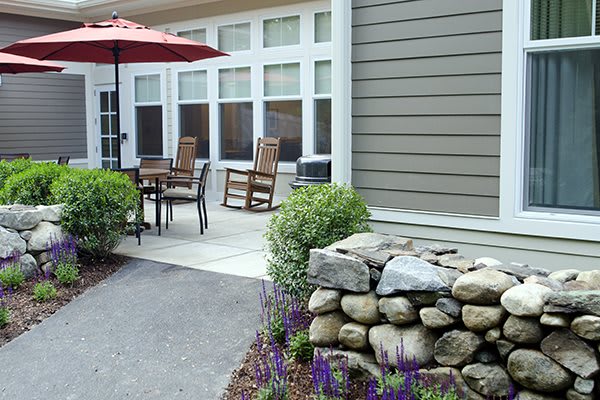
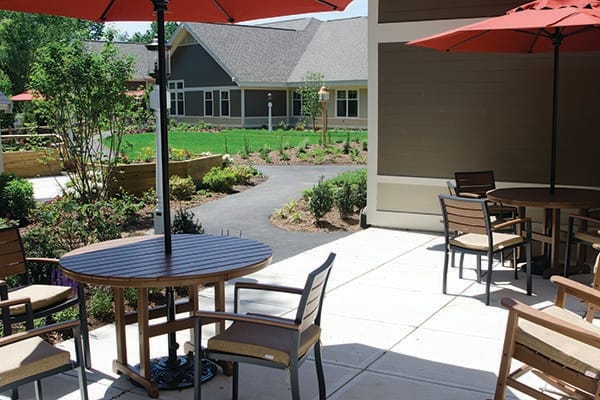
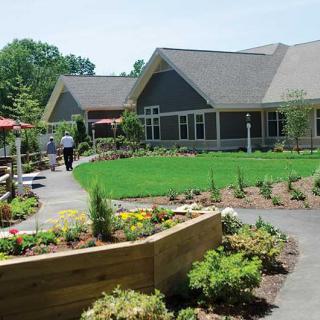
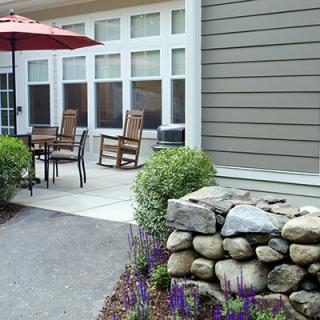
Multiple reviews mention courtyards, gardens, and outdoor walking paths that provide fresh air and a change of scenery. Some families describe these spaces as secure and comfortable, with seating and landscaped areas that support quiet time. The community also offers outdoor common areas and outdoor space, which matches what reviewers focus on when describing day-to-day comfort.
caveat1 reviews mention this
Pricing runs well above averages
Pricing appears high compared with county and state benchmarks.
The monthly pricing for studio and semi-private options is shown as substantially higher than county and state figures. While many reviews describe strong value in care and programming, cost is still a consideration given at least one negative comment about expectations for food quality relative to the monthly rate.
How we summarize
Counts show how many written reviews mention each theme; a review can touch several themes, and only frequently mentioned themes are displayed.
Features
Housing
48 resident community capacity
Types of Care
Assisted Living
Memory Care
Pets
Cats allowed
Dogs allowed
Amenities
Activities off-site
Activities on-site
Air-conditioning
Beautician on-site
Beauty salon
Cable or satellite TV
Devotional services on-site
Dining room
Full kitchen
Fully furnished
Garden
Handicap accessible
Housekeeping services
Indoor common areas
Kitchenette
Move-in coordination
Outdoor common areas
Outdoor space
Respite or short term stays offered
Restaurant-style dining
Small library
Telephone
Wheelchair accessible showers
Wi-Fi/high-speed internet available
Care Services
24-hour call system
24-hour supervision
Activities of daily living assistance
Assistance with bathing
Assistance with dressing
Assistance with transfers
Coordination with health care providers
Diabetes diet
Incontinence care
Meal preparation and service
Medication management
Mental wellness program
Mild cognitive impairment
Special dietary restrictions
Specialized memory care programming
Transportation arrangement (medical)
Transportation to doctors appointments
Dining
Diabetes diet
Gluten-free
Guest meals
Low / no sodium
Meals provided
No Sugar
Professional chef
Restaurant style dining
Special dietary restrictions
Special dining programs
Vegetarian
Activities
Art classes
Catholic services
Community-sponsored activities
Cooking classes
Day trips and outings
Devotional activities on-site
Educational speakers / life long learning
Fitness programs
Jewish services
Karaoke
Live well programs
Protestant services
Resident-run activities
Scheduled daily activities
Visiting Rabbi
Visiting chaplain or priest
Wine tasting
Nearby Places of Interest
This part of Westford, Massachusetts offers a range of healthcare services conveniently located within a short distance. With physicians, pharmacies, and hospitals nearby, seniors can easily access quality medical care. The area also features a variety of dining options including Seoul Kitchen, McDonald's, and Five Guys Burgers & Fries for convenient meal choices. For leisure activities, parks such as Friendship Park and Castle in the Trees provide opportunities for outdoor recreation. Additionally, transportation options like the South Acton Mbta Commuter Rail Station make it easy to explore the surrounding areas. Overall, this part of Westford provides a balance of essential services, amenities, and recreational opportunities that may appeal to seniors considering the area for retirement living.
Physicians
Lexington Eye Associates (0.2 miles)
Westford Health Center (0.2 miles)
Westford Internal Medicine (0.2 miles)
Chelmsford Dermatology (3.8 miles)
Massachusetts Eye Associates (3.8 miles)
Allergy & Asthma Specialists, PC (3.8 miles)
Mark Gilchrist, MD (3.9 miles)
Restaurants
Seoul Kitchen (0.3 miles)
McDonald's (0.4 miles)
Five Guys Burgers & Fries (0.8 miles)
Kimball Farm (2.7 miles)
Tavern in the Square (3.3 miles)
Sully's Ice Cream Stand (3.9 miles)
Zesty's Pizza (3.9 miles)
Pharmacies
Walgreens (0.3 miles)
CVS Pharmacy (0.5 miles)
CVS Pharmacy (3.4 miles)
CVS Pharmacy (3.6 miles)
Walgreens (4 miles)
CVS Pharmacy (5.4 miles)
Walgreens (5.4 miles)
Cafes
Whole Foods Market (0.4 miles)
Gourmet Donuts (3.4 miles)
Starbucks (3.5 miles)
Starbucks (4.5 miles)
Triangle Store And Deli (4.5 miles)
Donelans cafe (5.5 miles)
Starbucks (6.8 miles)
Places of Worship
First Baptist Church (1.8 miles)
Parks
Friendship Park (2.7 miles)
Castle in the Trees (4.2 miles)
Groton Playground (8.2 miles)
Hospitals
Ascendant Healthcare (3.5 miles)
Geriatric Psychiatric Unit (8.1 miles)
Genesis Healthcare (8.2 miles)
Essent Healthcare - Ayer (8.2 miles)
Emerson Hospital - Main Campus (8.4 miles)
Transportation
South Acton Mbta Commuter Rail Station (7.9 miles)
Bridges® By Epoch At Westford offers a unique and supportive living experience, reflected in its monthly costs that are notably higher than both Middlesex County and the state averages in Massachusetts. For a semi-private room, residents can expect to pay $10,345 per month, significantly above the county's average of $6,395 and the state's average of $5,805. Additionally, those choosing a studio will find the monthly cost is $11,235, which surpasses Middlesex County's typical rate of $5,867 and the statewide average of $5,312. These figures underscore Bridges® commitment to providing high-quality care and enriched living environments for its residents.
The 24-hour supervision at Bridges® By Epoch at Westford ensures that residents have constant support, promoting safety and security for those with dementia or Alzheimer's disease. Assistance with activities of daily living, including bathing, dressing, and transfers, helps maintain the dignity of residents while addressing their unique physical needs. Coordination with health care providers and medication management facilitates seamless medical oversight, which is crucial for individuals with complex health issues. Incontinence care promotes comfort and hygiene, while tailored meal preparation and service cater to dietary requirements, encouraging proper nutrition. The mental wellness program and specialized memory care programming engage residents cognitively and emotionally, enhancing their quality of life. Furthermore, transportation arrangements for medical appointments ensure access to necessary healthcare services without added stressors for both residents and families. Overall, these features work in concert to create a supportive environment that fosters independence while addressing the specialized needs associated with cognitive decline.
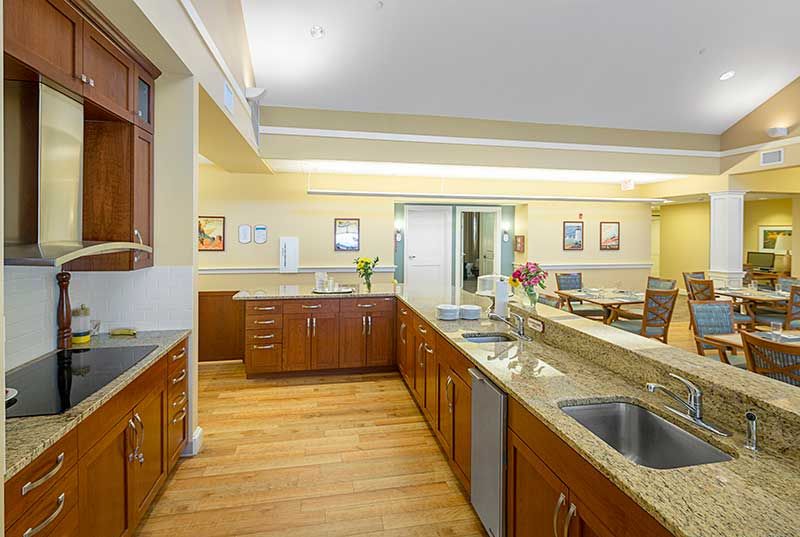
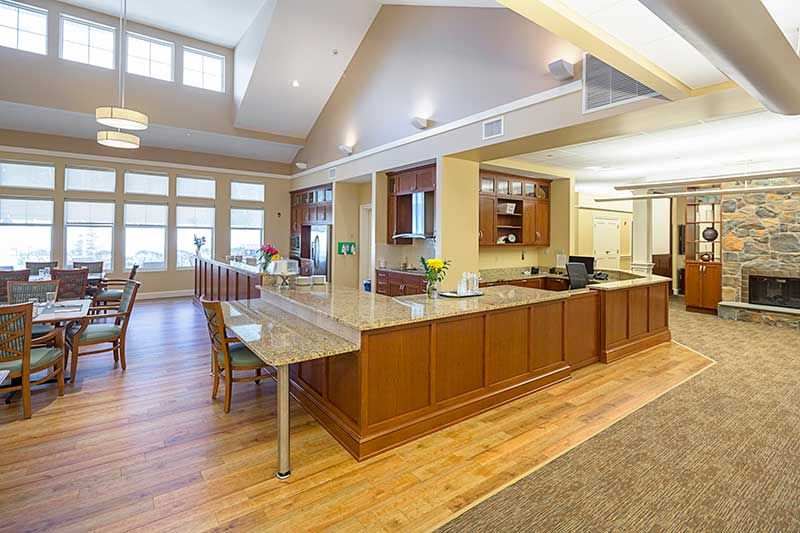
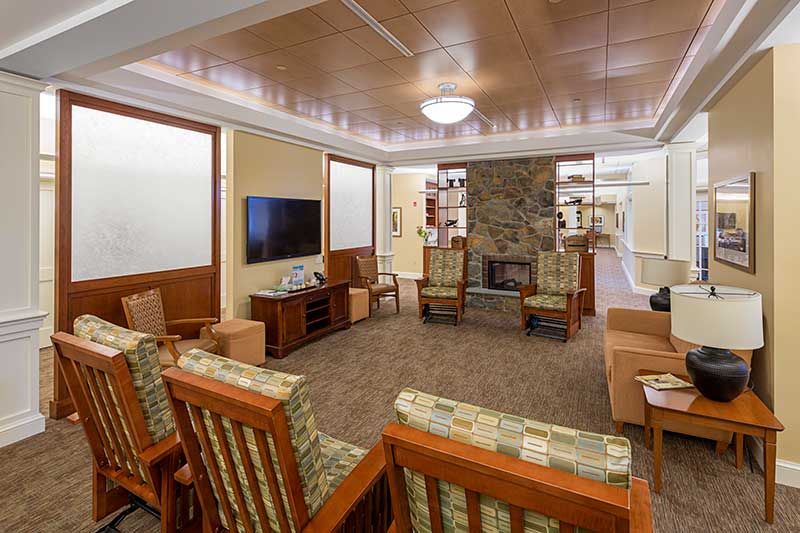
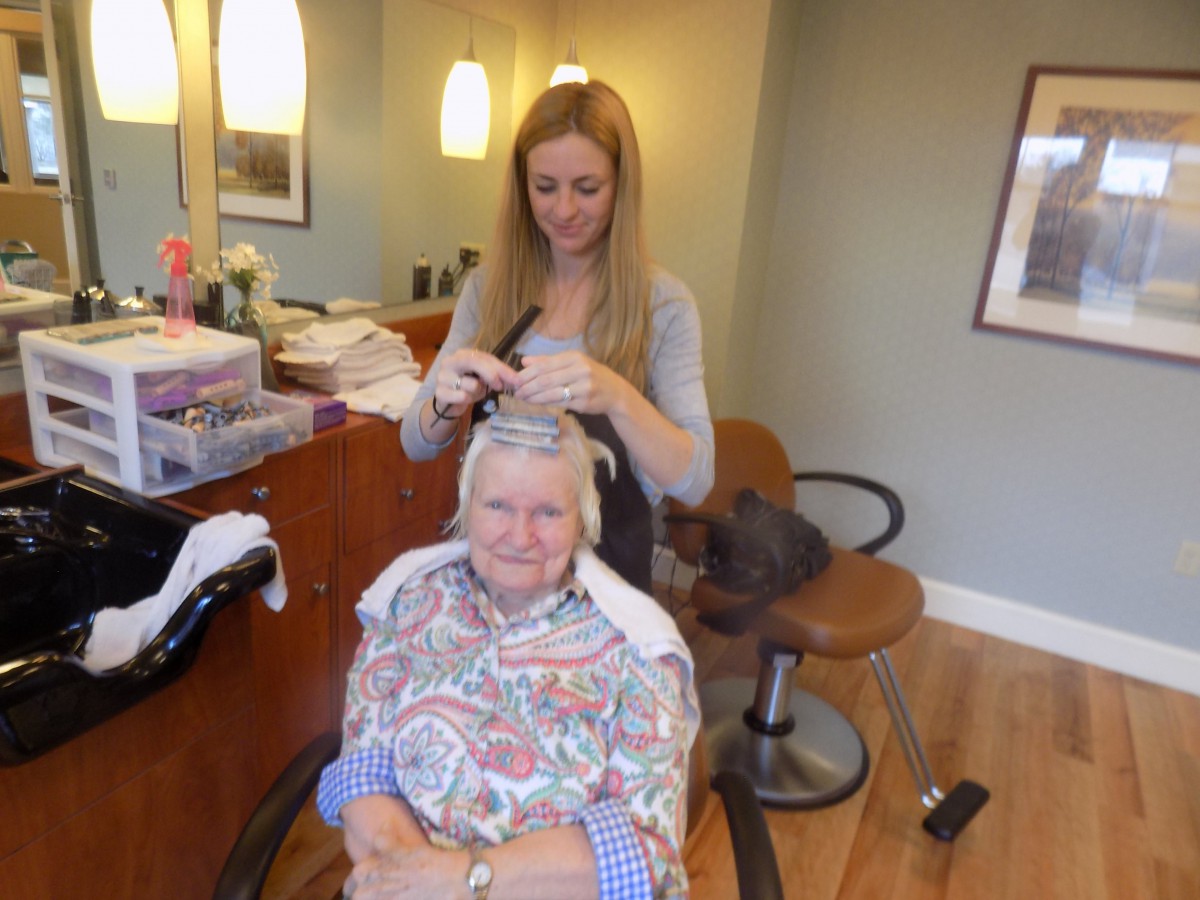
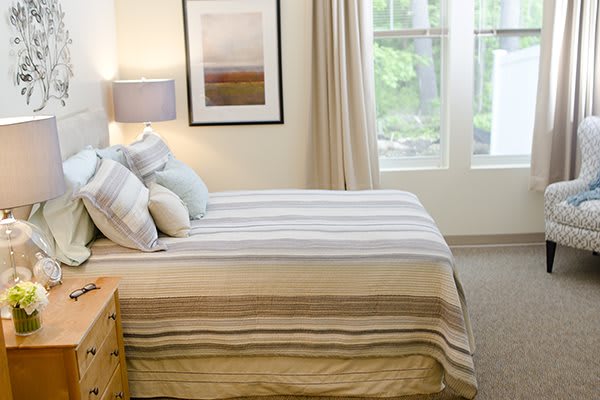
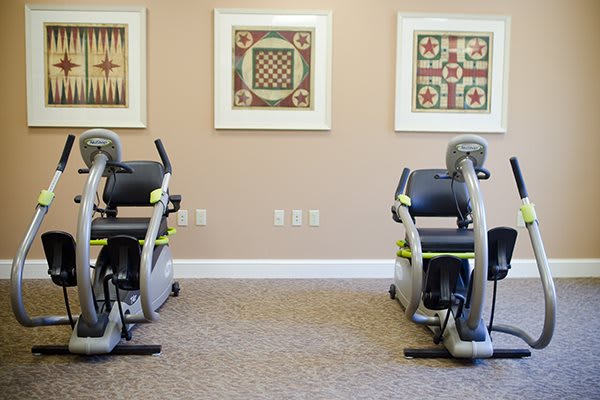
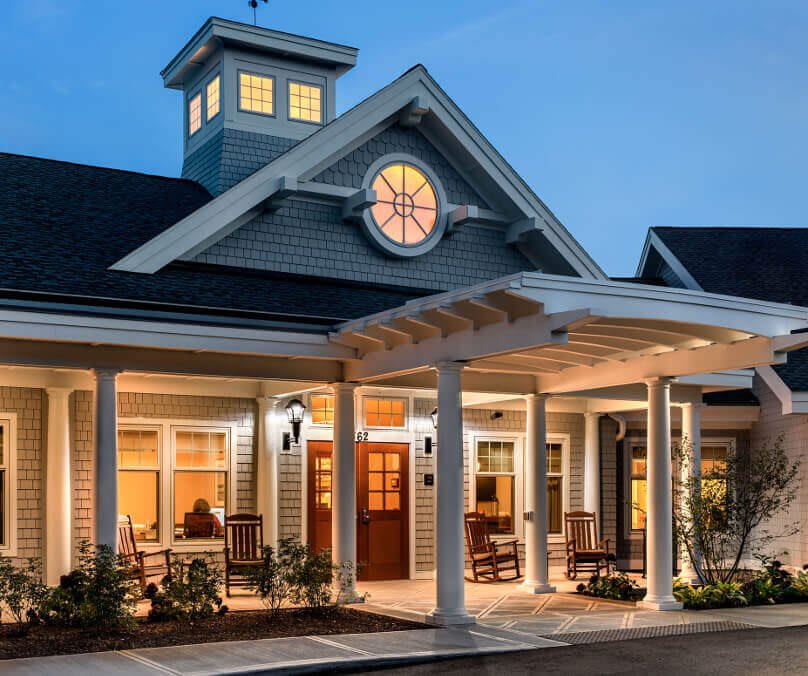
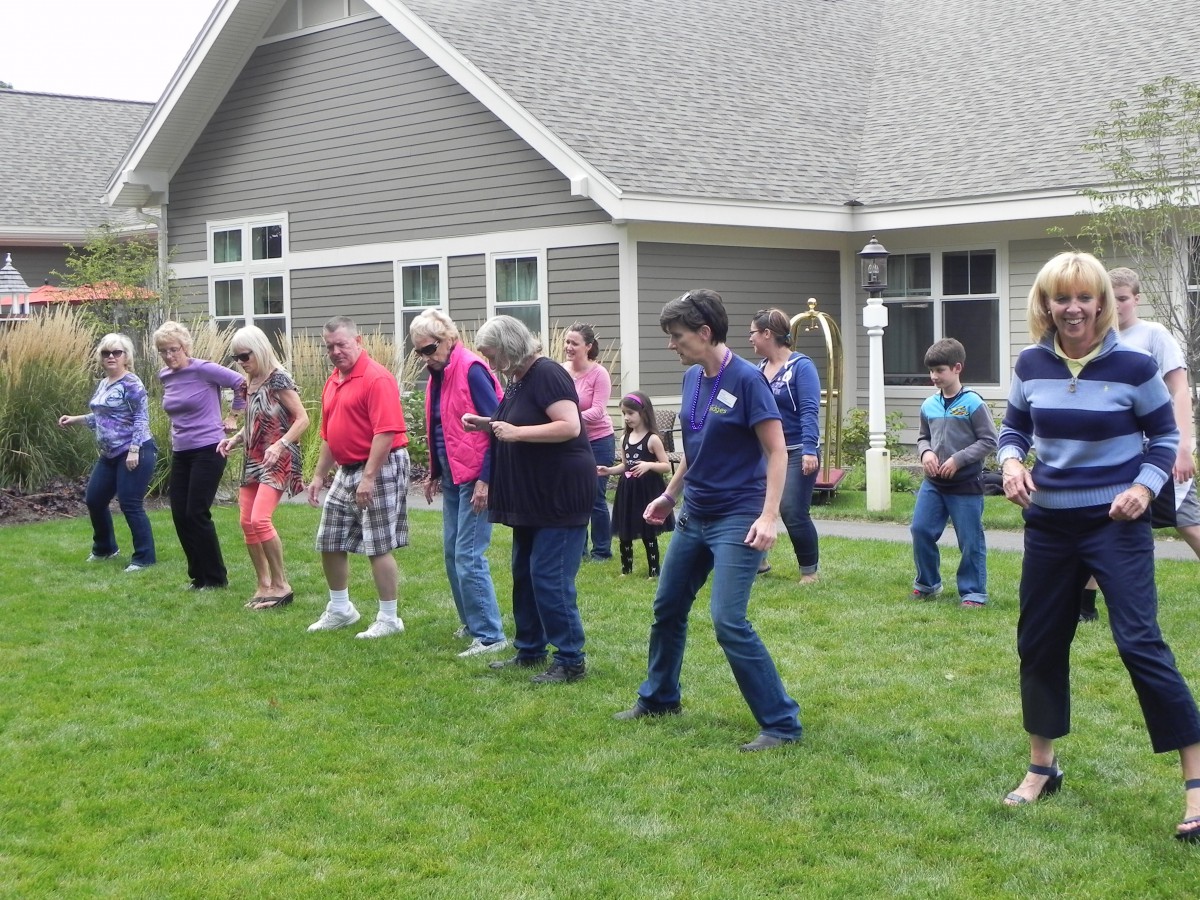
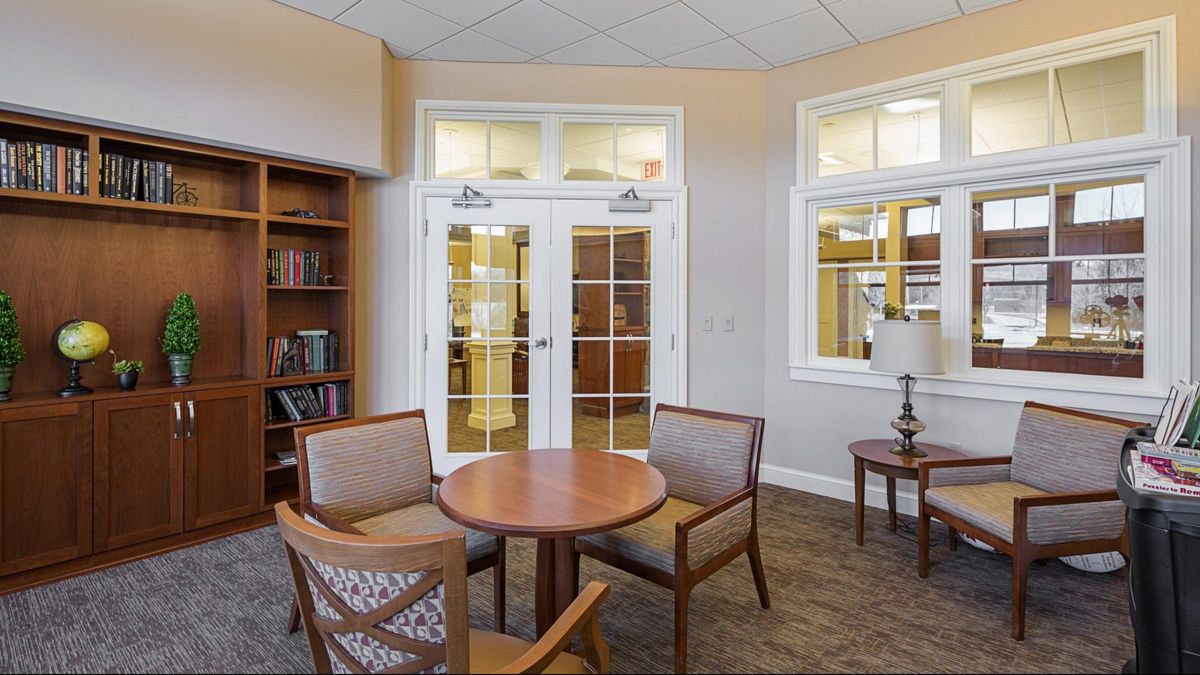
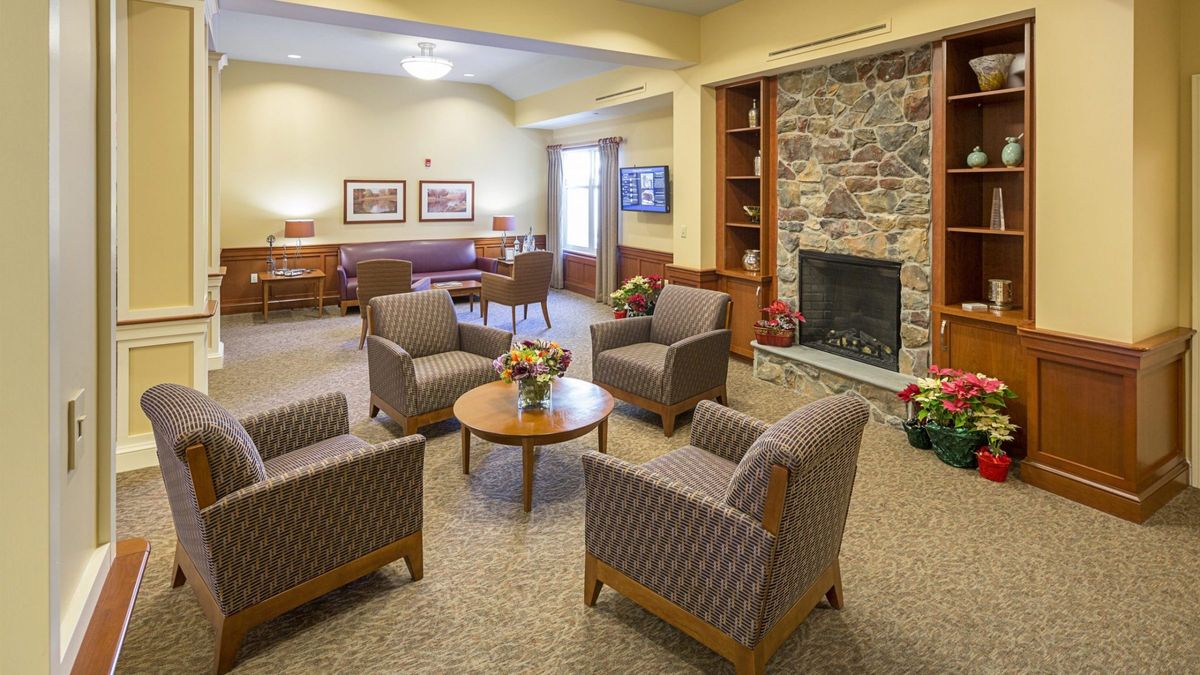
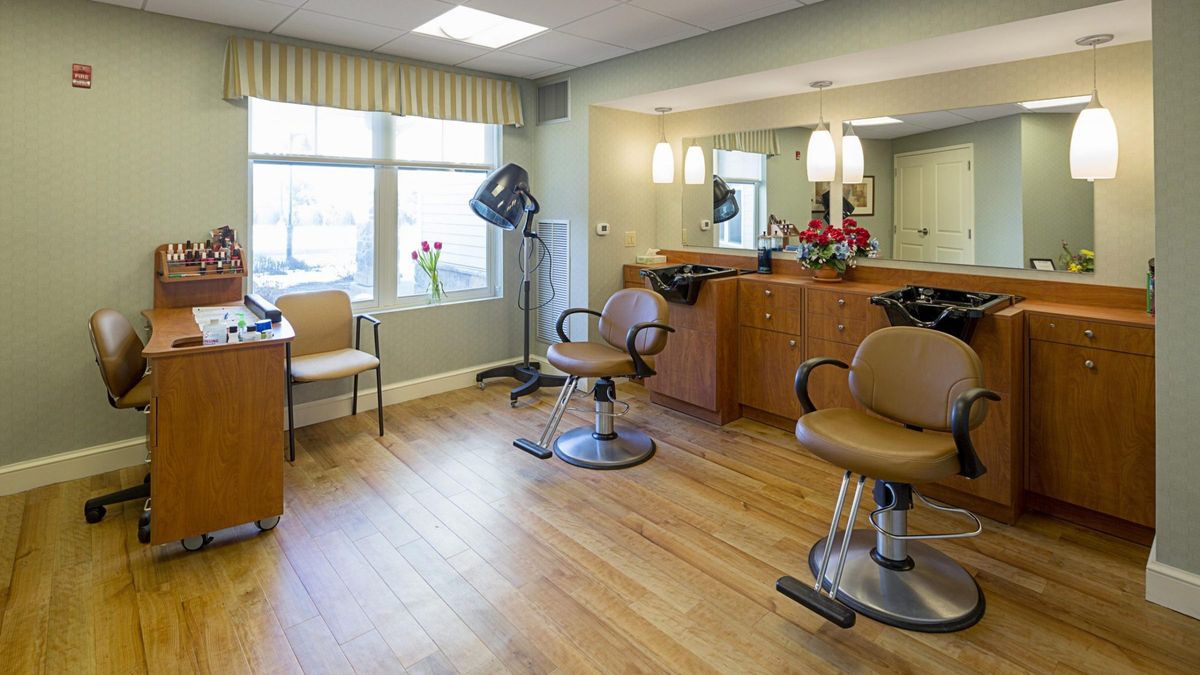
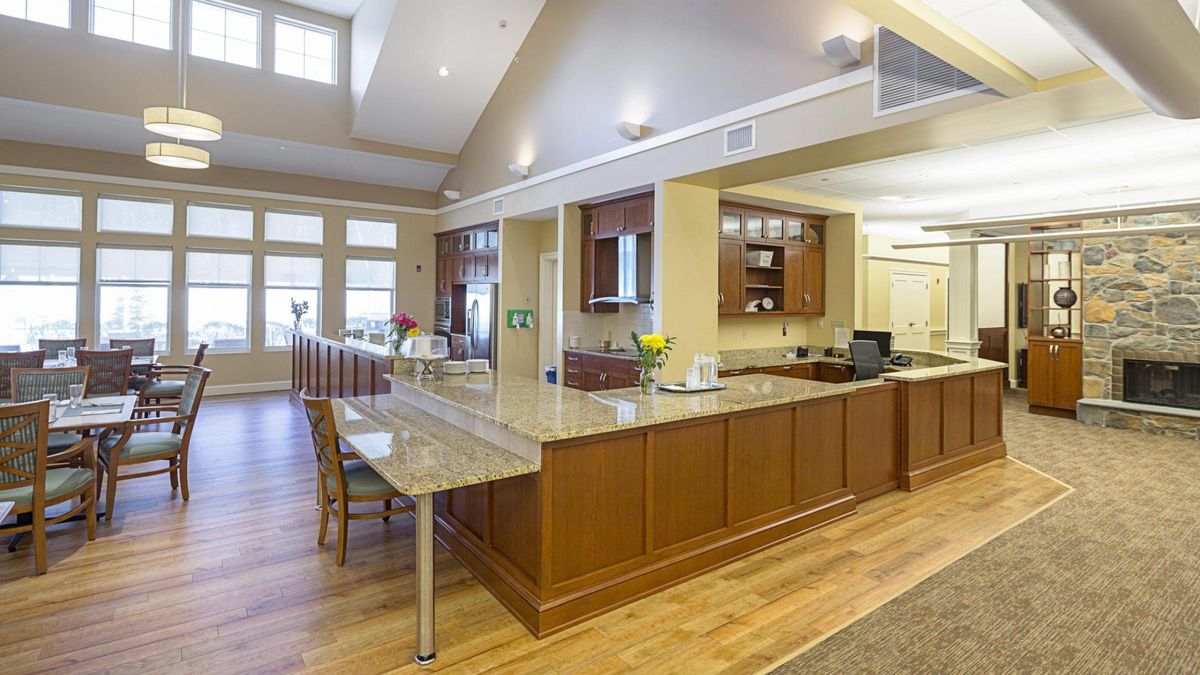
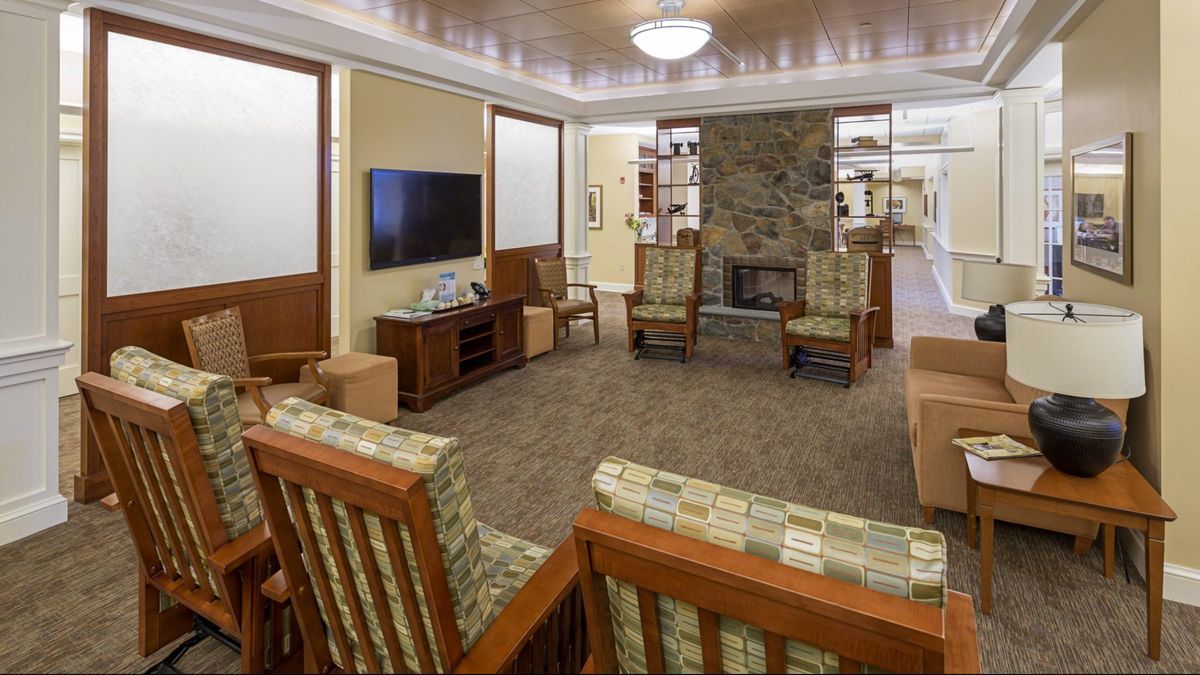
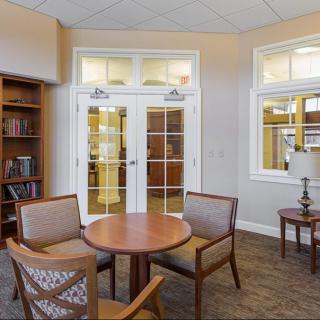
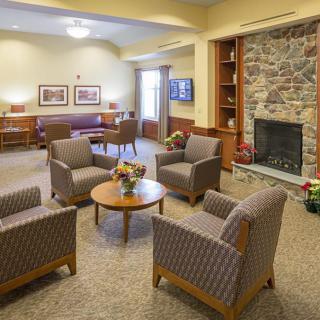
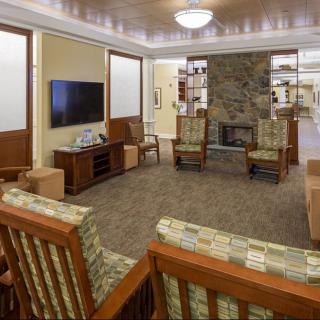
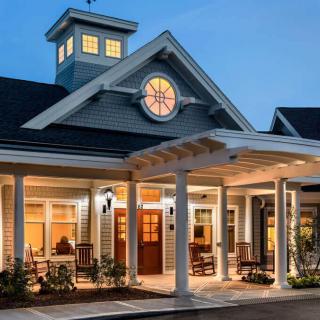
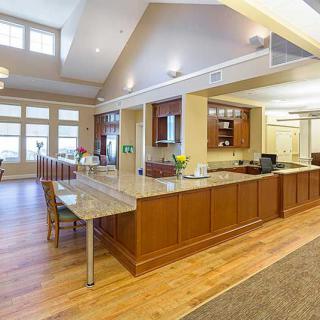
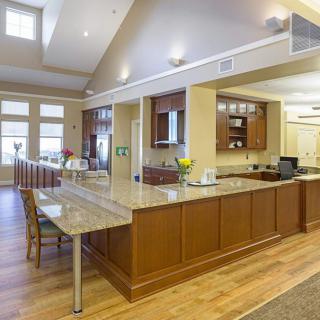
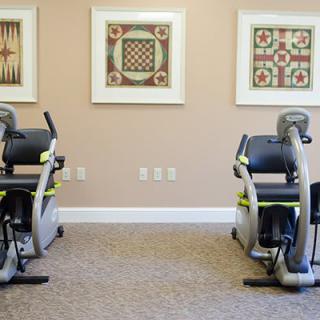
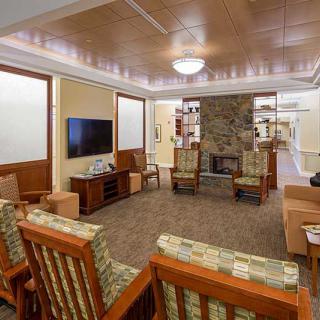
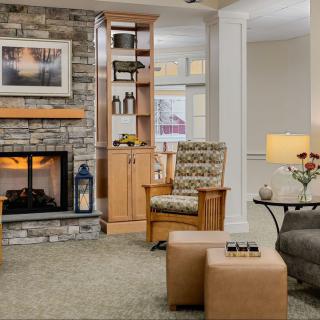
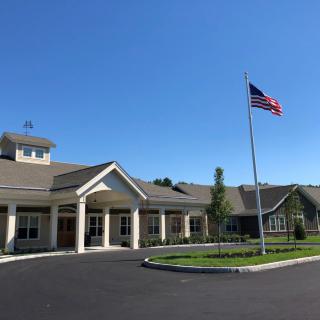
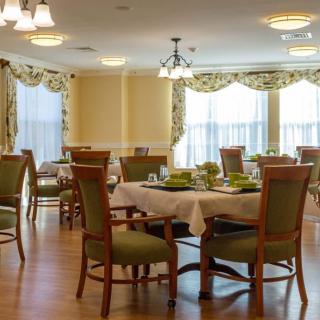
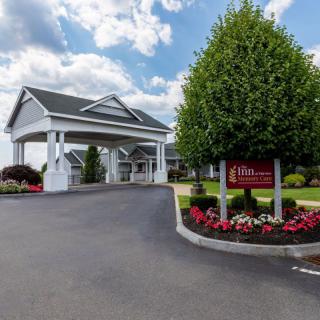
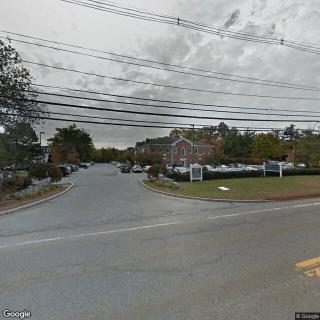
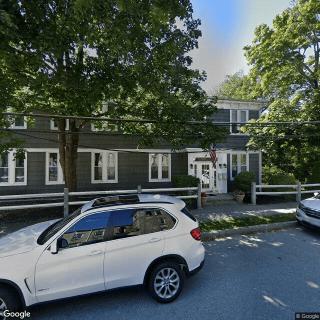
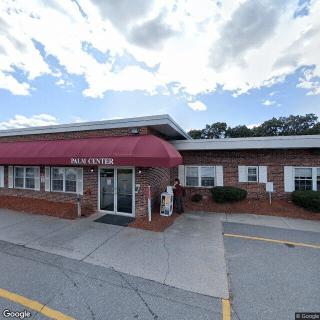
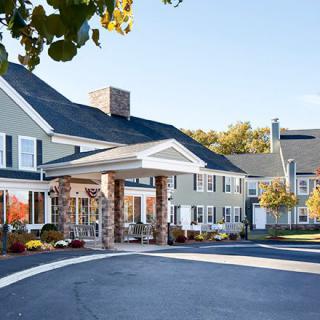
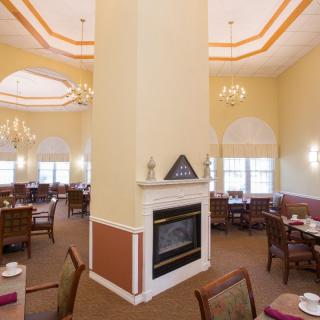
Bridges® By Epoch At Westford on seniors.fyi includes 29 photos including images showing interior, floor plan, salon, architecture, living room, fireplace, kitchen, outdoor, and more.
Nearby Communities
Synergy Home Care – Westford, MA
Westford, MA
5 from 4 reviews
Nearby amenities and healthcare services enhance resident convenience.
Senior Helpers - Westford, MA
Westford, MA
4.8 from 36 reviews
Compassionate, personalized care with professional staff
Samaritan Home Care
Westford, MA
5 from 5 reviews
Compassionate, owner-led team delivering personalized in-home senior care with comprehensive services.
ComForCare Home Care - Westford, MA
Westford, MA
4.8 from 4 reviews
Convenient location with easy access to healthcare, parks, dining, and shops.
Benchmark Senior Living At Robbins Brook
Acton, MA
4.6 from 61 reviews
$6,050 to $8,900 / month
Caring staff with engaging activities and clean, modern facilities.
Life Care Center Of Acton
Acton, MA
4.4 from 126 reviews
Friendly staff and engaging activities.
Palm Manor
Chelmsford, MA
4.4 from 53 reviews
$7,920 to $8,250 / month
Friendly staff, clean rooms, and an effective rehab program.
The Residence at Freeman Lake
North Chelmsford, MA
4.4 from 175 reviews
$4,995 to $6,400 / month
Attentive, compassionate staff with engaging activities and high-quality meals in a clean, well-maintained environment.
Benchmark Senior Living at Chelmsford Crossings
Chelmsford, MA
4.5 from 113 reviews
$3,350 to $4,550 / month
Friendly staff with engaging activities and well-regarded dining.
Choosing between assisted living and nursing homes involves evaluating emotional and financial factors, with assisted living offering independence and support for daily activities at a lower cost, while nursing homes provide intensive medical care for individuals with significant health needs. The decision is influenced by personal preferences, health status, cognitive function, and varying Medicaid coverage across states.
The article presents eight strategies for preserving cognitive health and memory in older adults, emphasizing a nutrient-rich diet, regular exercise, intellectually stimulating activities, adequate sleep, social connections, stress management techniques, limiting harmful substances, and regular medical checkups to mitigate age-related memory decline.
Activities of Daily Living (ADLs) are fundamental tasks vital for an individual's independence, particularly in older adults over 85, and include functions like bathing and dressing; assessing ADLs alongside Instrumental Activities of Daily Living (IADLs) helps determine the level of required assistance due to age-related health challenges. Tailored support plans, involving family and community resources, are essential for maintaining dignity and autonomy in assisted living environments.
Get PricingAsk A QuestionSchedule A TourContact Senior Advisor
By clicking submit, you agree to our Partner's Terms of Use. You
also consent to receive calls and texts, which may be autodialed, from our Partner. Your consent is not a condition to
using our Partner's service. Please visit our Partner's Privacy Policy for information about their privacy practices.







 48 resident community capacity
 Assisted Living
 Memory Care
 Cats allowed
 Dogs allowed
 Activities off-site
 Air-conditioning
 Beautician on-site
 Cable or satellite TV
 Devotional services on-site
 Dining room
 Full kitchen
 Fully furnished
 Garden
 Handicap accessible
 Housekeeping services
 Indoor common areas
 Move-in coordination
 Outdoor common areas
 Respite or short term stays offered
 Restaurant-style dining
 Small library
 Telephone
 Wheelchair accessible showers
 Wi-Fi/high-speed internet available
 24-hour call system
 Assistance with bathing
 Assistance with dressing
 Assistance with transfers
 Diabetes diet
 Incontinence care
 Medication management
 Mental wellness program
 Special dietary restrictions
 Transportation arrangement (medical)
 Transportation to doctors appointments
 Art classes
 Catholic services
 Cooking classes
 Day trips and outings
 Educational speakers / life long learning
 Fitness programs
 Jewish services
 Karaoke
 Live well programs
 Wine tasting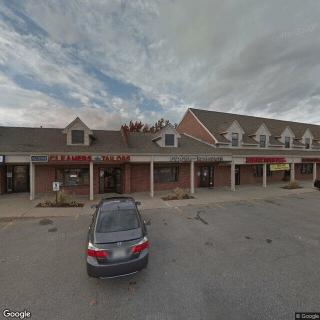
 Nearby amenities and healthcare services enhance resident convenience.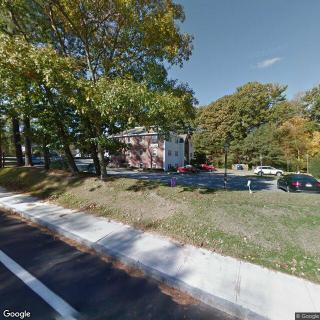

 Choosing the Right Senior Care: A Detailed Exploration of Assisted Living and Nursing Homes
 Safeguarding Your Memory Through the Golden Years: Eight Ways to Preserve Cognitive Health
 Comprehensive Insights into Activities of Daily Living (ADLs) and Their Assessment