

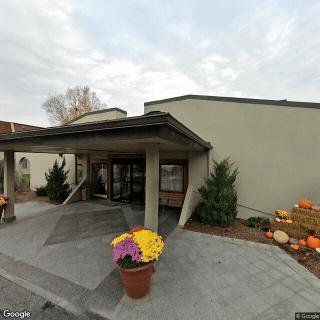
182 Turnpike Road, Westborough, MA 01581
To contact a resident: (401) 455-0111
For more information about senior living options: (866) 208-4318
Overall Review of Specialty Home Care Services, Inc
Pros
 They did a great job.
- The aides were a pleasure to work with.
- They took great care of her.
Review
Specialty Home Care Services, Inc. in Westborough, MA is best suited for families seeking in-home, one-on-one supportive care that allows an aging loved one to stay in familiar surroundings. The service is clearly oriented toward seniors who prefer aging in place and want reliable aides who can assist with daily tasks, provide companionship, and coordinate simple medical-support needs under supervision from a licensed agency. For households that value a personal, relationship-driven approach and want to avoid the structure of an assisted living setting, this option stands out as a practical path to maintaining independence at home without surrendering trusted oversight.
Those weighing other routes should consider alternatives if medical complexity or social needs exceed what in-home care typically offers. If round-the-clock nursing supervision, frequent skilled interventions, or a robust on-site social program is essential, a traditional assisted living community or skilled nursing facility may deliver the level of medical oversight and peer engagement that home care cannot match. Budget dynamics and geographic coverage also matter; if transportation, proximity, or predictable scheduling are pivotal, families may find a facility-based option more straightforward to plan around than a per-visit home-care model.
The strongest takeaway from the available impression is the quality of the aides and the relational dynamic with the family. The reviewer describes the aides as enjoyable to work with and emphasizes that they “took great care” of the mother, signaling dependable, compassionate, and attentive daily support. In a home-care context, this kind of personal connection translates into consistent routines, smoother communication, and a greater sense of security for family members who are coordinating care from afar. When care is delivered primarily in the home, the bond with caregivers often becomes a central asset, reducing anxiety around unfamiliar staff and enabling more individualized attention to preferences and habits.
Where this model tends to fall short, and what families should probe, lies in the inherent limits of in-home care. The single positive review can’t fully illuminate scheduling predictability, back-up coverage, or the scope of medical oversight available during off-hours. Potential cons include variability in babysitting coverage if a key aide is unavailable, the need for a proactive family liaison to manage care plans, and the absence of on-site clinical resources that exist in a living-arrangement setting. These factors can compromise continuity if not explicitly addressed in the agency’s policies, contracts, and care coordination processes.
For decision-making, families considering Specialty Home Care Services should seek clear answers on licensing, accreditation, and background checks for every aide, as well as the agency’s standard caregiver-to-client ratio and back-up staffing plans. Important details include transparent rate structures, cancellation and contingency terms, and the process for updating care plans as needs evolve. Request written care plans, caregiver introductions, and routine progress notes to monitor changes in health, mood, and daily functioning. Verifying references and arranging a short-term trial period can also reveal whether the demonstrated caregiver quality translates into sustained reliability over time.
In sum, Specialty Home Care Services presents a compelling option for seniors who prize home comfort and individualized attention delivered by caring, well-regarded aides. It works particularly well for families wanting minimal disruption to daily routines, with a trusted partner who can extend the life of independent living at home. However, if the priority is intensive medical supervision, extensive social programming, or guaranteed 24/7 availability, exploring alternative arrangements is prudent. The positive caregiver dynamic noted in the review is a meaningful signal, but prospective clients should confirm coverage, continuity, and care coordination details to ensure the model aligns with evolving needs and budget.
 Worcester Regional (13 miles away)






 California's Form 602A: An In-Depth Examination of Senior Care Assessment
 Comprehensive Look at Senior Blood Pressure Charts: Normal and Elevated Levels by Age
 Top Canine Companions for Older Adults