









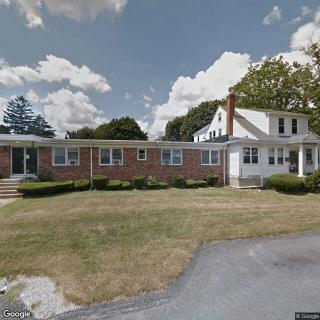
924 Gardners Neck Rd, Swansea, MA 02777
To contact a resident: (508) 324-9074
For more information about senior living options: (866) 208-4318
Swan Brook Assisted Living Costs & Pricing
Swan Brook Assisted Living offers a compelling option for those seeking affordable senior living in comparison to both Bristol County and the broader Massachusetts state averages. For instance, their studio apartments are priced at $2,650 per month, significantly lower than the Bristol County average of $4,245 and the state average of $5,312. Similarly, their one-bedroom units at $3,450 also present a more budget-friendly alternative to the county's average of $4,853 and Massachusetts's average of $5,349. Even the two-bedroom options at Swan Brook are competitively priced at $4,050 versus Bristol County's $5,921 and the state's $6,151. Overall, Swan Brook Assisted Living provides an attractive financial choice while maintaining quality care and community for its residents.
| Floor plans | Swan Brook Assisted Living | Bristol County | Massachusetts |
|---|---|---|---|
| Studio | $2,650 | $4,245 | $5,312 |
| 1 Bedroom | $3,450 | $4,853 | $5,349 |
| 2 Bedrooms | $4,050 | $5,921 | $6,151 |
Assisted Living communities with a similar price nearby
-
from +$500 / mo

The Branches of North Attleboro
$3,150 / month17.5 miles away -
from +$345 / mo
Prosper at Fall River
$2,995 to $3,350 / month2.8 miles away -
from -$295 / mo

Wyndemere Woods
$2,355 to $2,755 / month24.0 miles away -
from +$515 / mo
The Village at Waterman Lake
$3,165 to $6,585 / month21.9 miles away -
from +$400 / mo
Greenwich Farms At Warwick
$3,050 to $6,200 / month11.8 miles away
Overall Review of Swan Brook Assisted Living
Pros
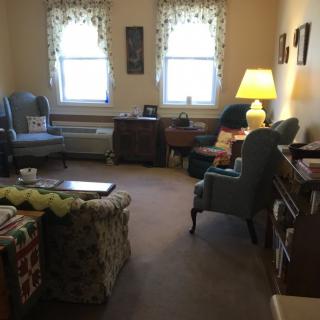
 The facility is clean, well kept, and nicely appointed.
- The staff and the owner are very nice and easy to talk to.
- It is the least expensive option in miles around and feels very homey.
- The staff calls families promptly to inform them of any issues.
- The facility is small enough that the staff really gets to know the residents, with frequent contact from RN and CNAs.
- The staff go above and beyond, including providing hospice care when needed.
- The reviewers would highly recommend this facility to others and feel grateful for finding it.
Cons
 The reviewer felt the facility declined after the woman in charge passed away.
- The head nurse was not pleasant to speak to, spoke over others, and was disrespectful, failing to address the scabies issue.
- There was a scabies outbreak in the facility that was not handled properly and residents were not notified.
- The staff denied the diagnosis of Norwegian Scabies despite evidence, indicating a lack of proper concern.
Review
Swan Brook Assisted Living in Swansea, MA is best suited for families prioritizing affordability and a home-like, intimate setting where seniors receive daily help and caregivers know them personally. The community stands out as one of the least expensive options in the region, and reviews repeatedly describe a clean, welcoming environment with staff who are easy to talk to. The small size means residents are not just another room number: CNAs and the RN stay in close touch with families, and staff make routine updates when issues arise. For seniors who want regular human contact, visible care planning, and a sense of being cared for rather than cycled through a large facility, this setting lines up well.
Nevertheless, there are reasons to consider alternatives depending on care needs and preferences. Those requiring robust medical oversight or advanced nursing interventions may want a larger community with more on-site specialists. The history of turnover in leadership, noted in some accounts after the owner passed away, can translate into periods of uneven management and slower responsiveness. Reported concerns about infection control and communication challenges from a head nurse highlight the importance of verifying current leadership stability and safety practices. Families seeking a performance-driven environment with formal QA programs, transparent incident reporting, and a track record of consistent governance may find other options more reassuring.
On the positives, affordability is not merely theoretical: it translates into real savings with no obvious sacrifice in cleanliness or daily care quality. The homey, low-traffic atmosphere makes it easier for residents to settle in, while the staff’s willingness to call families about small issues demonstrates a responsive culture. The presence of licensed nursing staff who stay in touch with families and the ability to coordinate hospice care when needed are meaningful advantages. Maintenance and housekeeping come across as solid, and the small census ensures staff can tailor routines to individual preferences, which often translates into better meal participation and engagement.
Yet the negatives merit sober consideration. Reports of a decline in governance after leadership turnover and a difficult interaction with a head nurse suggest potential friction points in day-to-day management. Issues around infection control, including a claim of unaddressed scabies, underscore the need for clear, proactive safety protocols and timely notifications to families. Those concerns do not erase the strengths noted elsewhere, especially the high degree of family communication and the ability to deliver home-like care with attentiveness; still, they do create a risk profile that families must weigh, particularly for residents with higher medical complexity or dementia requiring steady oversight.
To decide, focus on current leadership stability, the pace of issue resolution, and what is included in the monthly rate. Prospective residents should tour, speak with front-line staff, and ask for recent incident reports or QA summaries. Confirm the availability of RN coverage, the processes for fall prevention, medication management, and how hospice or palliative care is integrated. Request examples of care plans and daily schedules, and check whether meals, activities, and transportation align with the resident’s interests. Financial clarity matters too: ensure there are no hidden costs that would erode the affordability advantage over time.
In practical terms, Swan Brook Assisted Living serves best as a cost-conscious option where warmth, personalized attention, and clear family communication are paramount, and where the resident’s needs stay within the scope of assisted living rather than complex skilled nursing. For families prioritizing budget and a small, intimate environment, it deserves serious consideration. Those seeking deeper governance stability, stricter infection-control assurance, or extensive medical management may want to compare other communities with steadier leadership and higher-acuity capabilities. The prudent path is a comprehensive visit paired with candid conversations about leadership, safety protocols, and expected communication cadence, then a decision anchored in whether the comfort and affordability balance meet the resident’s essential care needs.
 29 resident community capacity
 Assisted Living
 Activities on-site
 Air-conditioning
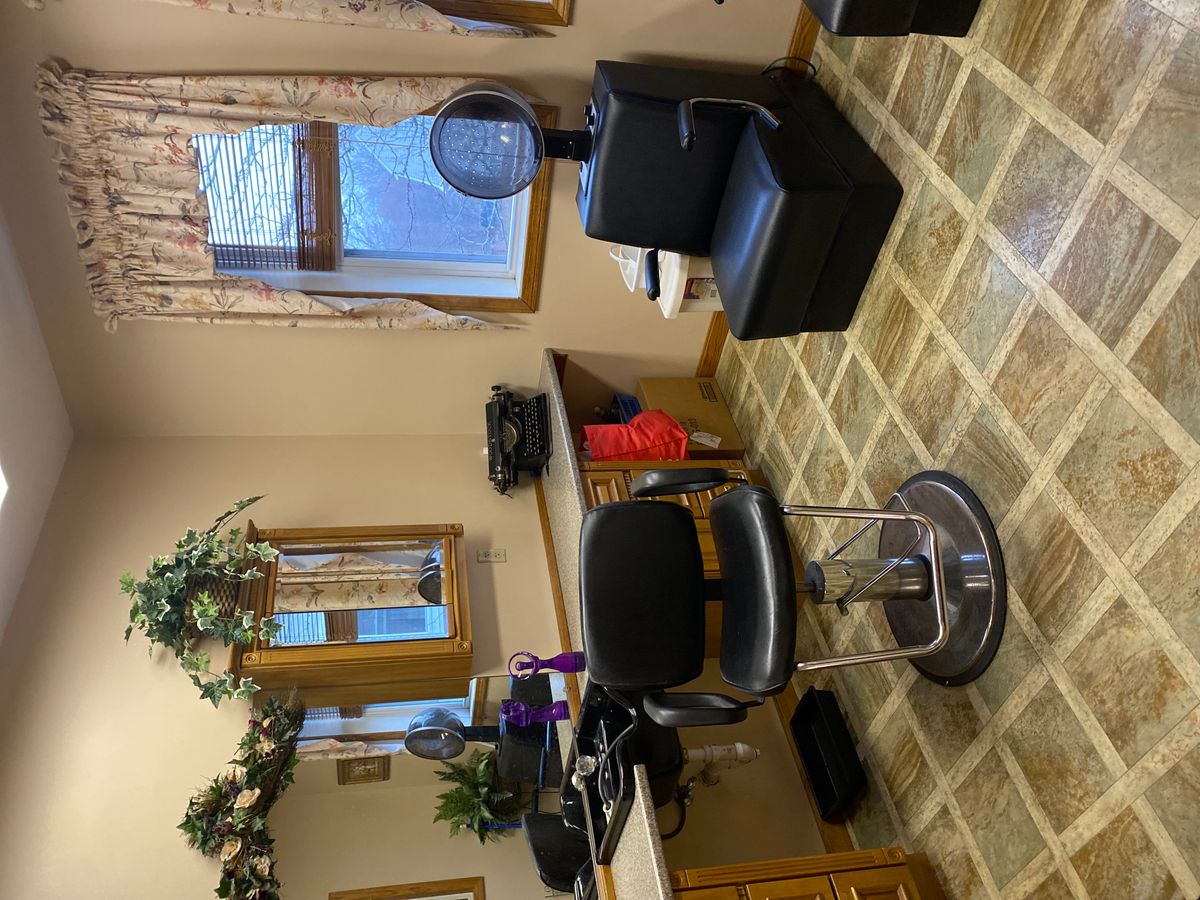
 Beautician on-site
 Cable or satellite TV
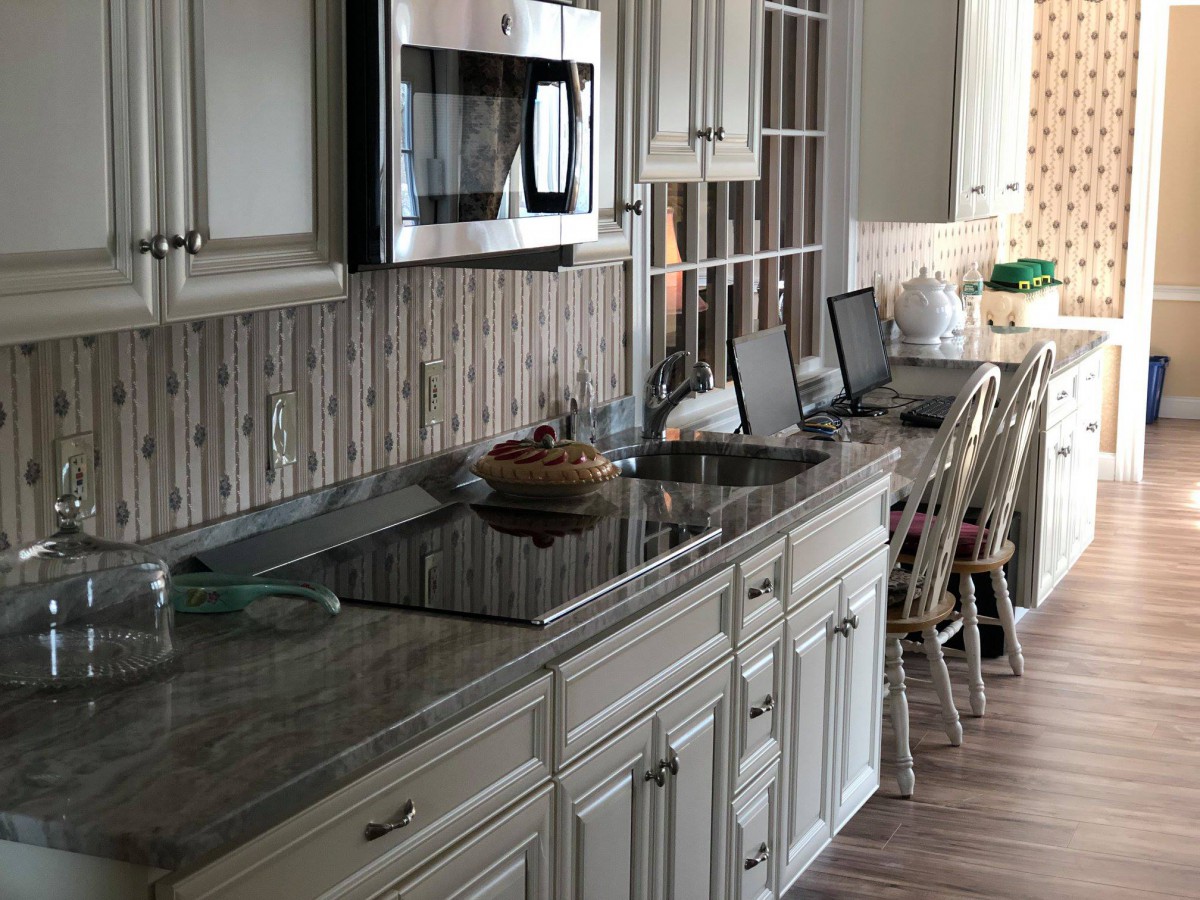
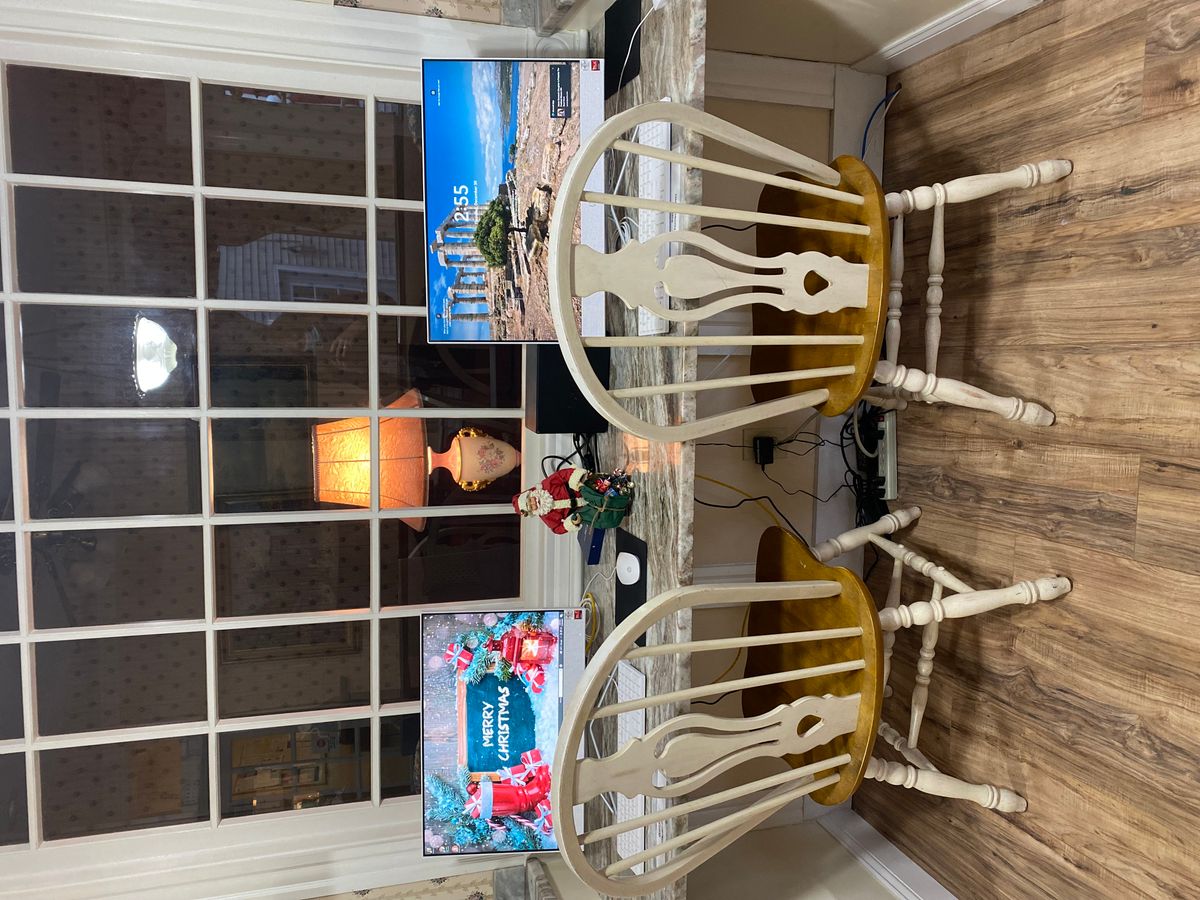
 Computer center
 Devotional services off-site
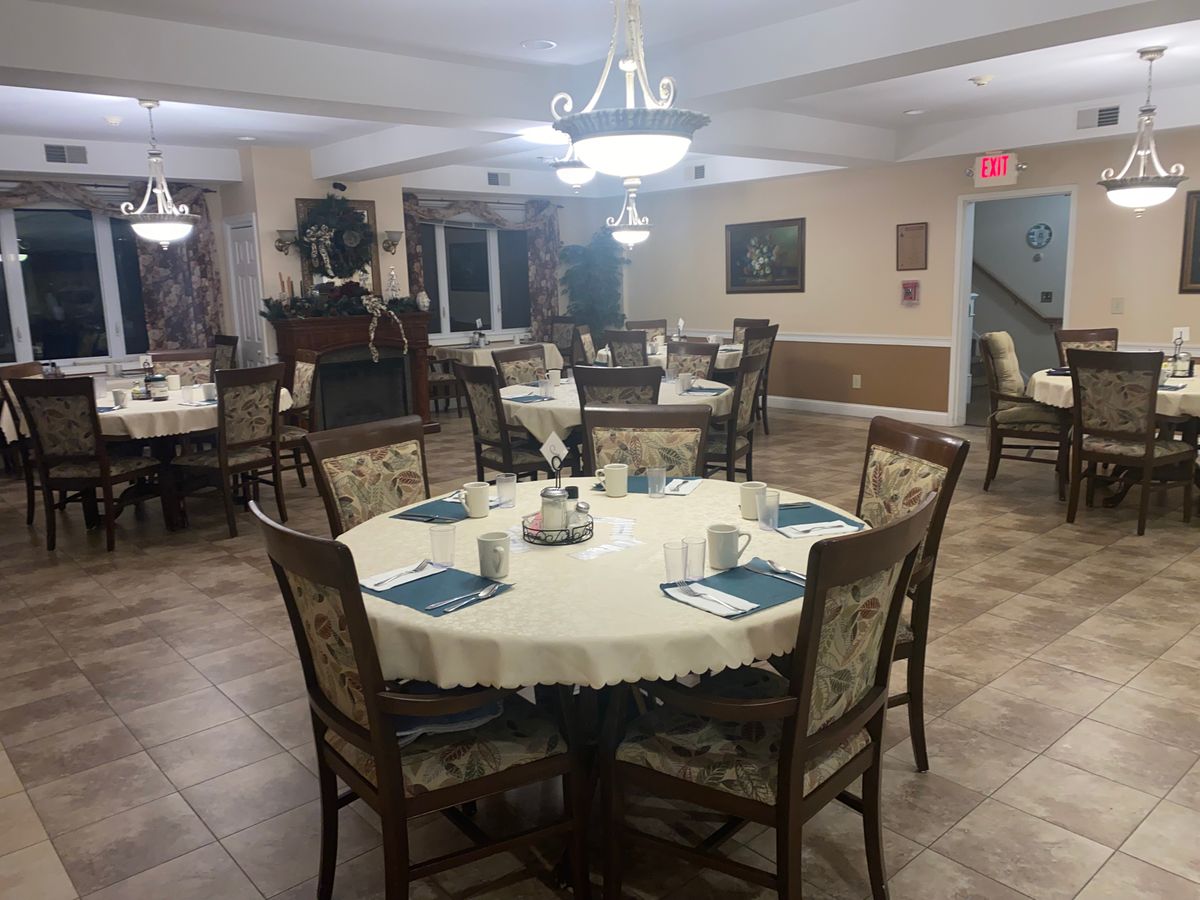
 Dining room
 Fully furnished
 Garden
 Ground floor units
 Housekeeping services
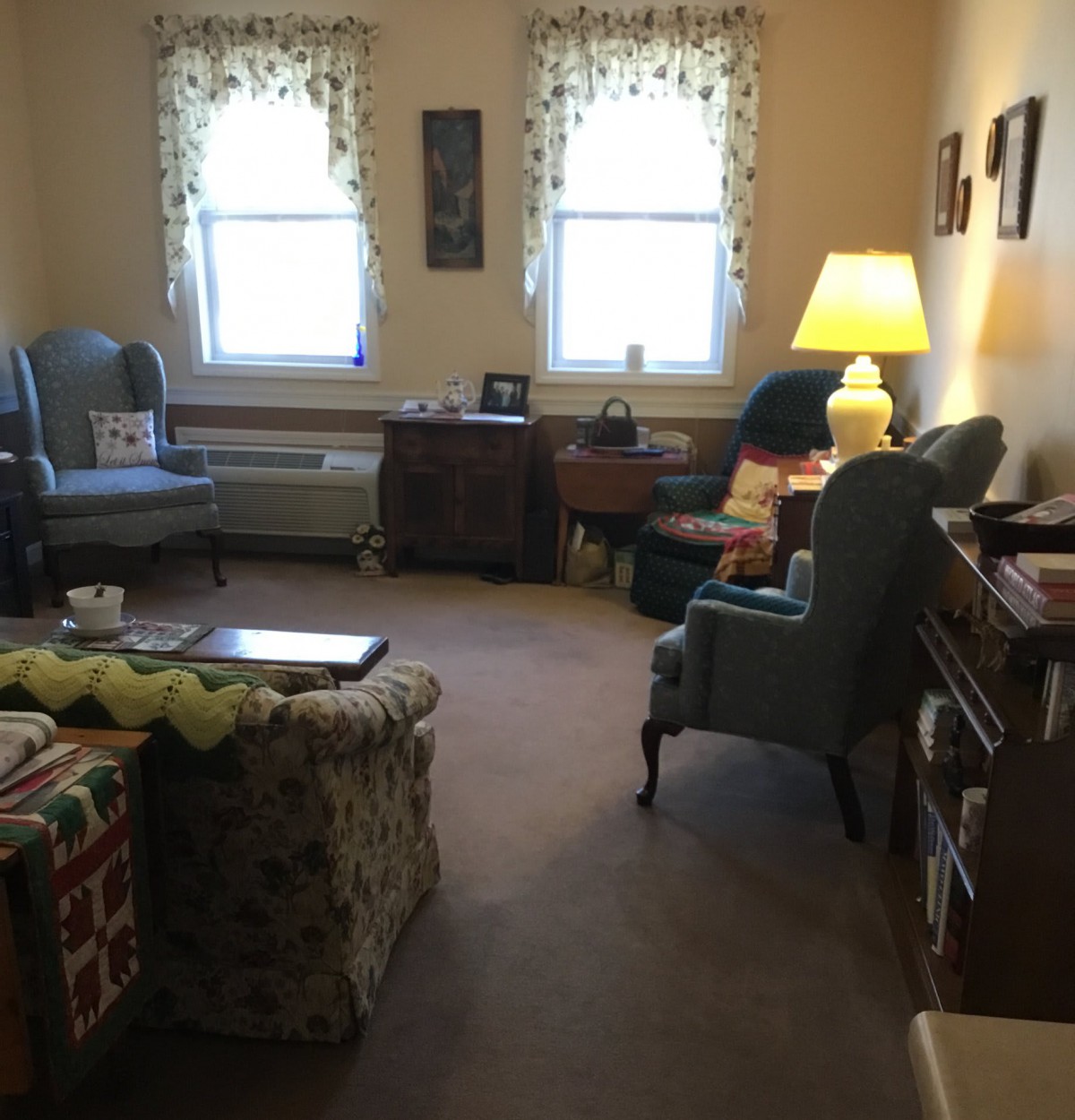
 Indoor common areas
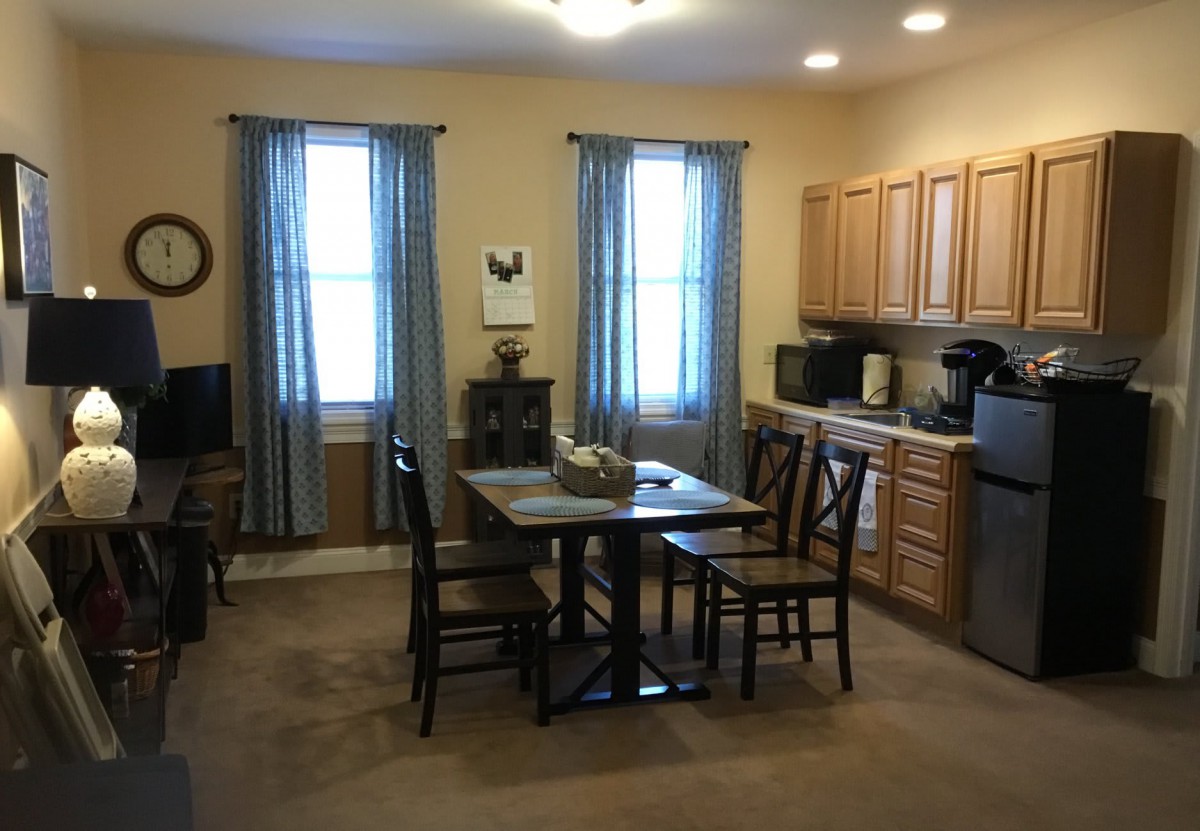
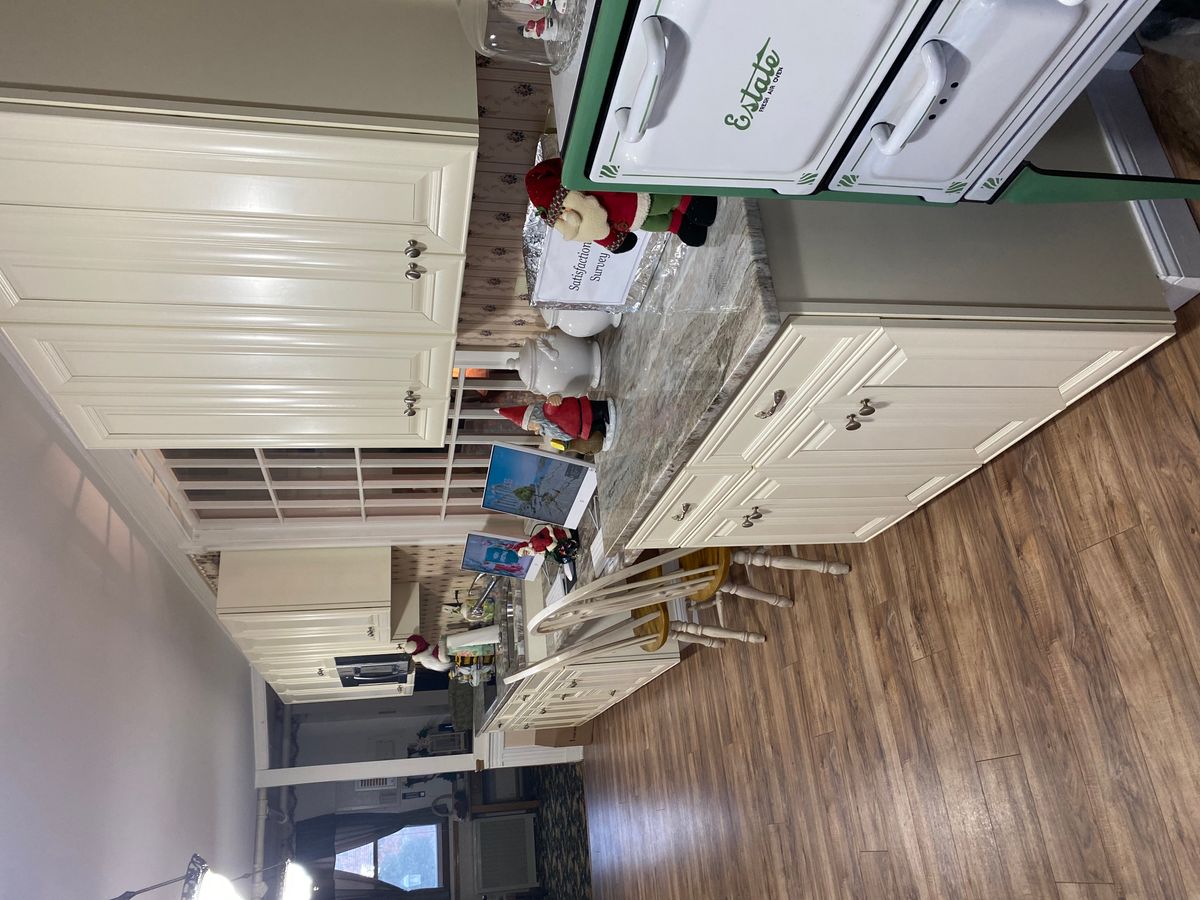
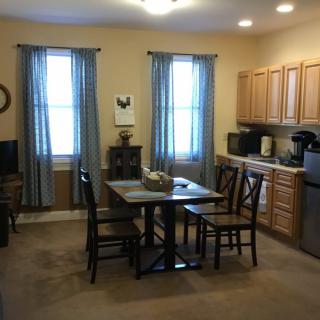
 Kitchenette
 Located close to restaurants
 Located close to shopping centers
 Move-in coordination
 On-site market
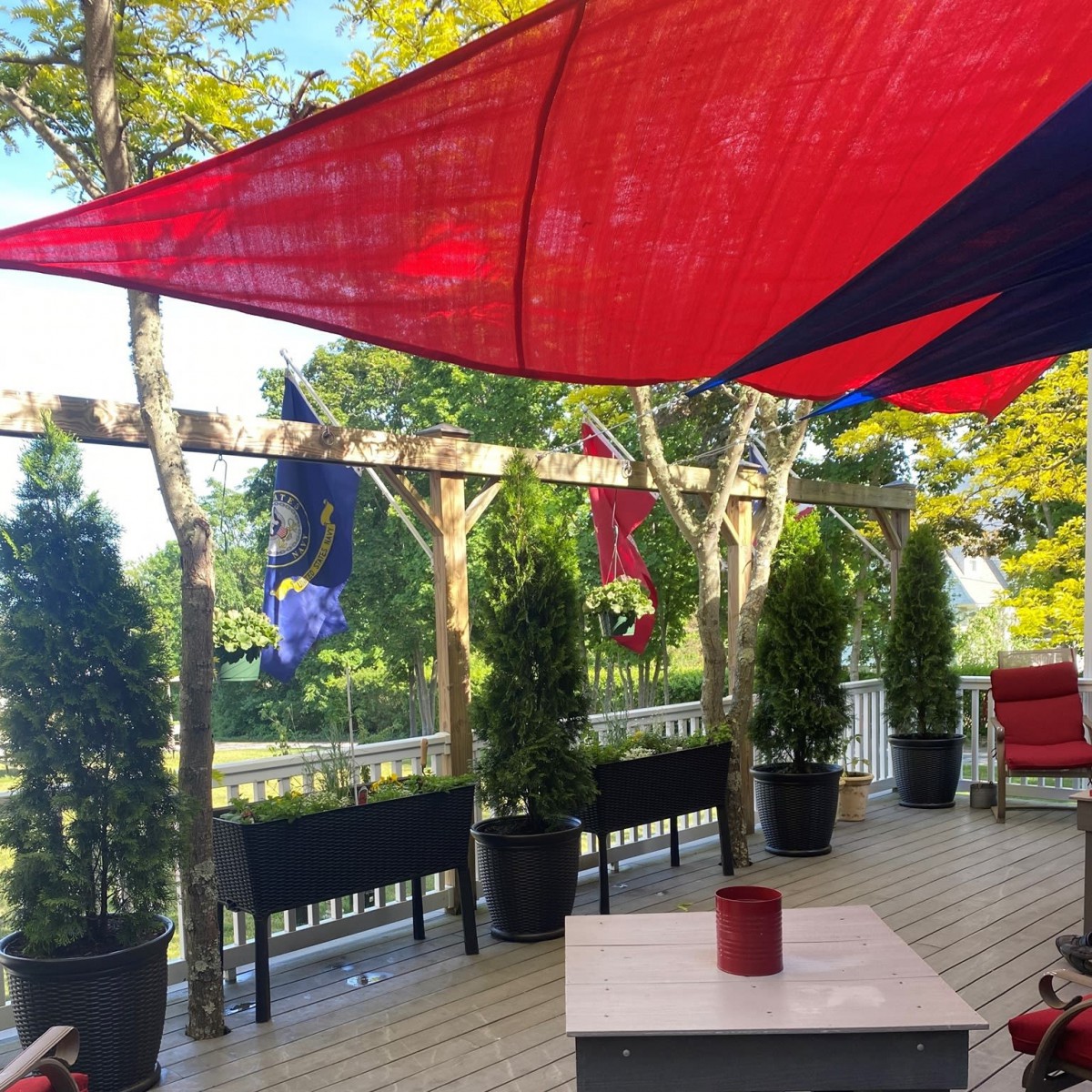
 Outdoor common areas
 Outdoor patio
 Private bathrooms
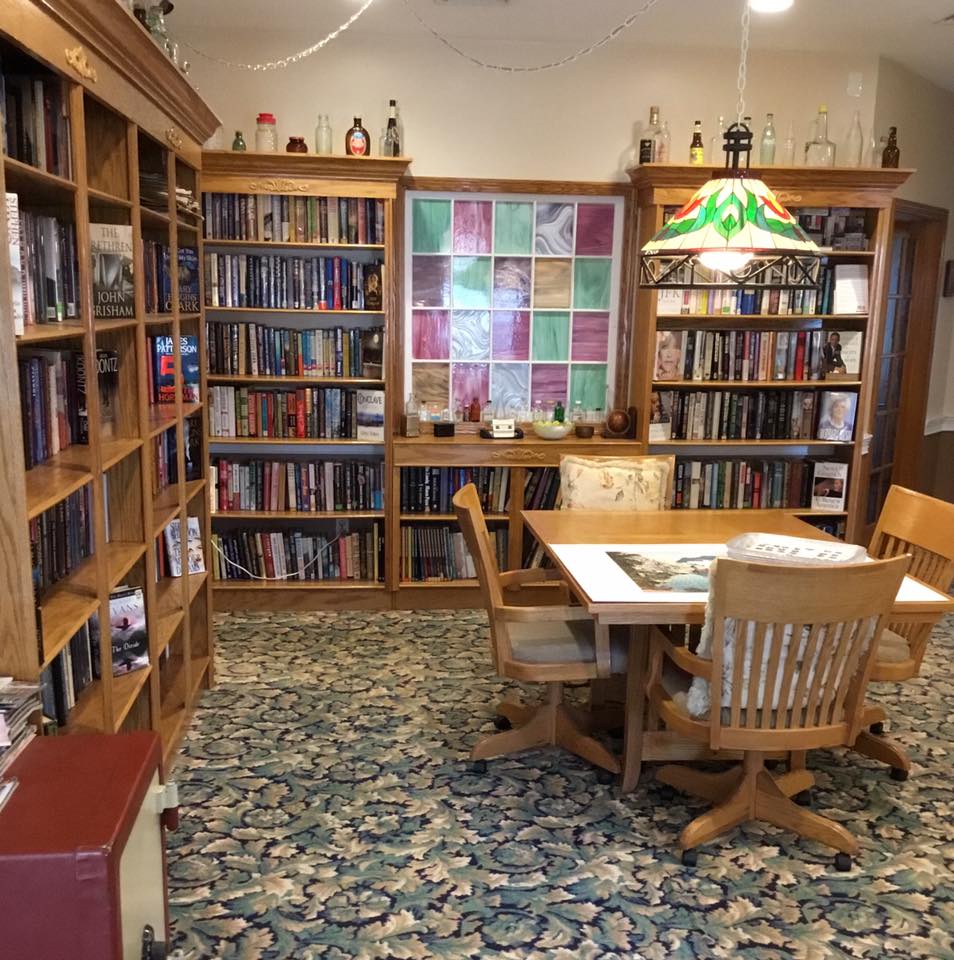
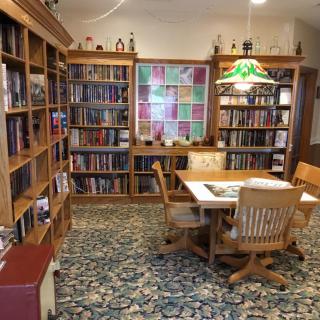
 Small library
 Telephone
 Wi-Fi/high-speed internet available
 Theodore F Green State (12 miles away)
 24-hour call system
 Ambulatory care
 Assistance with bathing
 Assistance with dressing
 Assistance with transfers
 Diabetes diet
 Diabetic care
 Incontinence care
 Meal preparation and service
 Medication management
 Mental wellness program
 Mild cognitive impairment
 Preventative health screenings
 Same day assessments
 Special dietary restrictions
 Transportation arrangement (medical)
 Catholic services
 Day trips and outings
 Fitness programs
 Live dance or theater performances
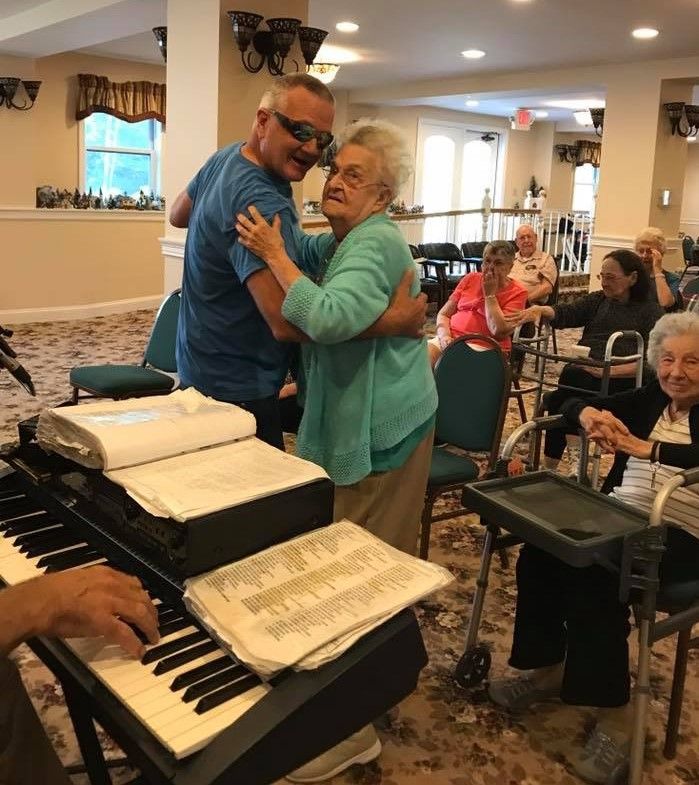
 Live musical performances
 Live well programs
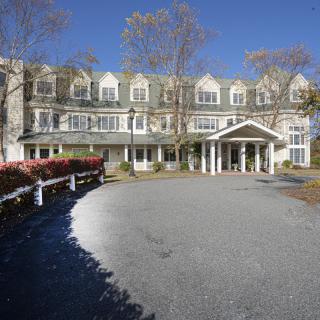
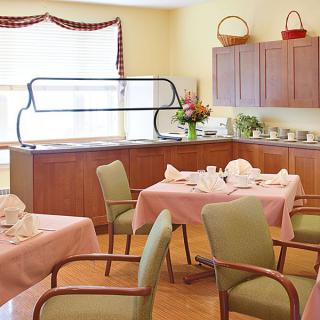





 Comprehensive Supportive Living Arrangements for Adults with Disabilities
 Funding and Affording Assisted Living: A Thorough Overview
 Assisted Living Expenses and Long-Term Care Insurance: A Comprehensive Exploration