Benchmark Senior Living At Shrewsbury Crossings Costs & Pricing
Benchmark Senior Living At Shrewsbury Crossings offers competitive pricing for its accommodations compared to the broader market in Worcester County and the state of Massachusetts. For a studio, residents can expect a monthly cost of $4,714, which is notably lower than both the county average of $5,109 and the state average of $5,312. Transitioning to a one-bedroom unit, the price rises to $5,475; while this exceeds Worcester County's average of $4,661, it remains slightly less than Massachusetts's average at $5,349. The semi-private room option is priced at $6,350, which is higher than both county and state averages ($5,477 and $5,805 respectively). Overall, Benchmark Senior Living At Shrewsbury Crossings provides attractive options that cater to various preferences while still reflecting the financial realities of senior living in the region.
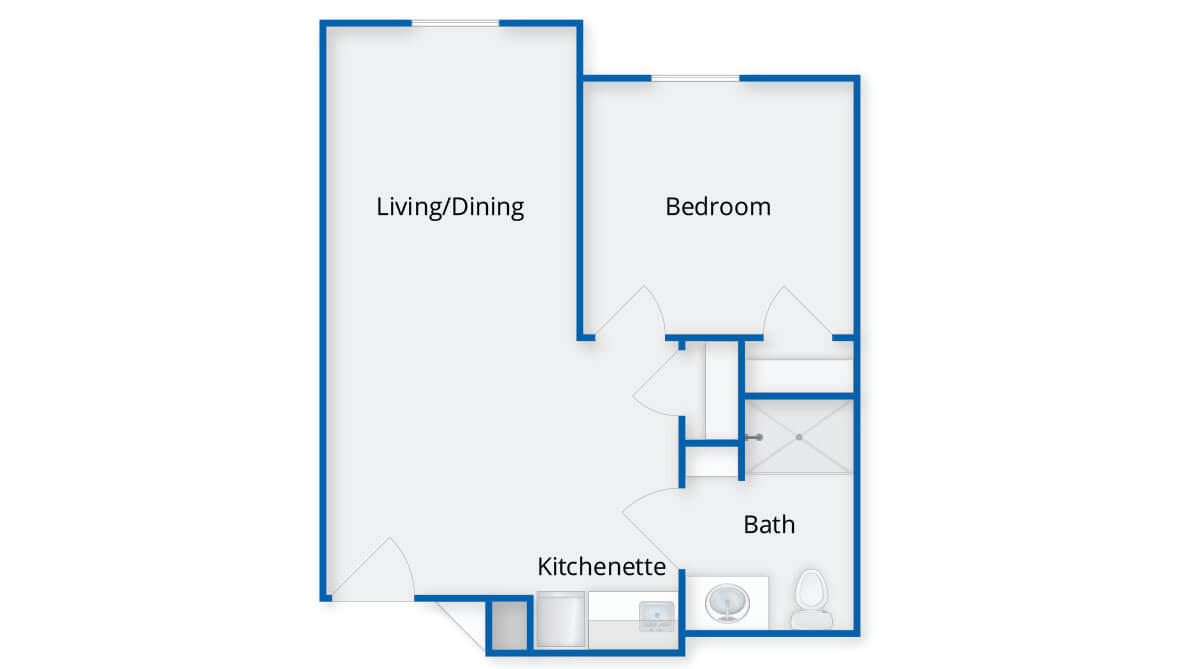
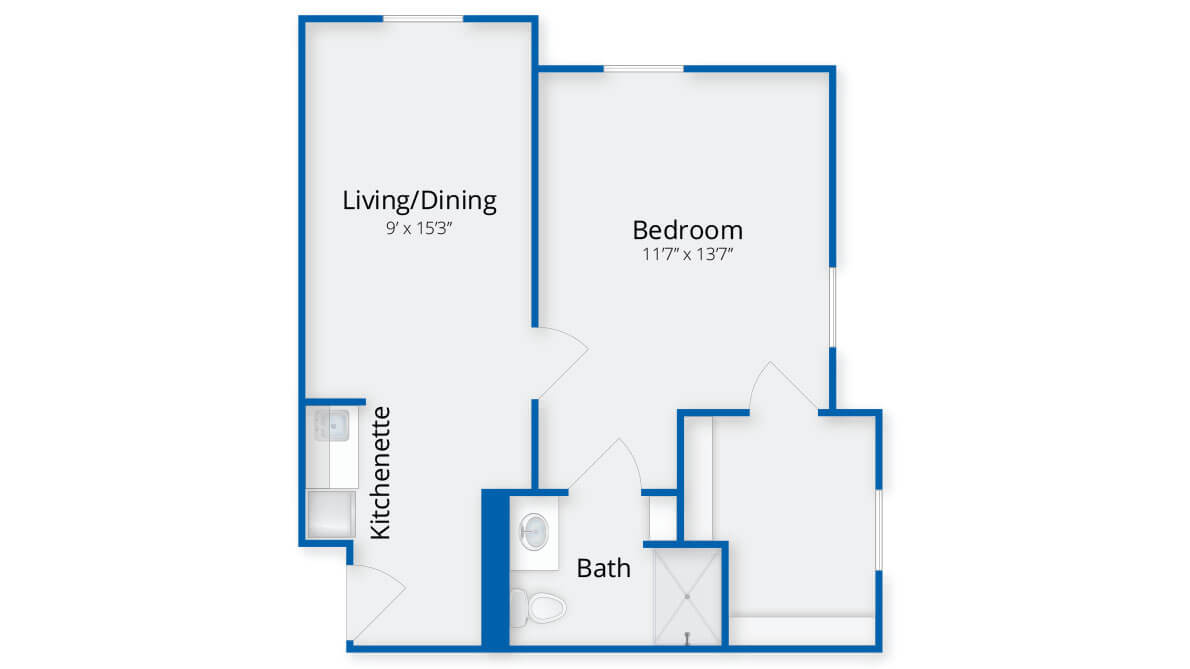
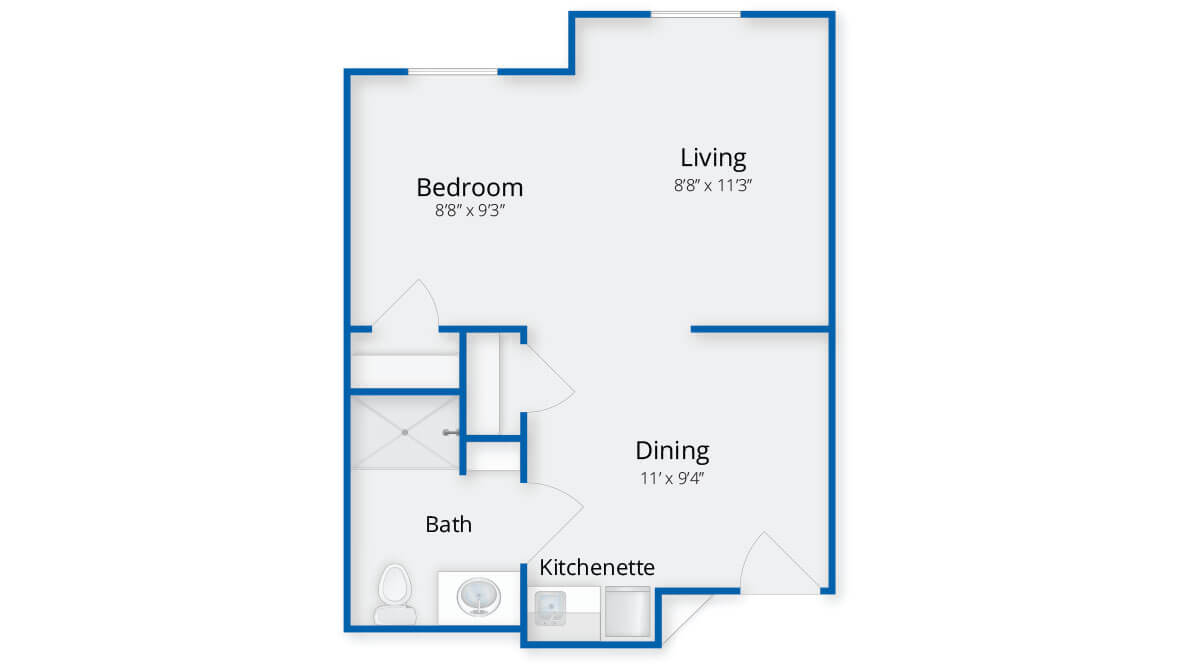
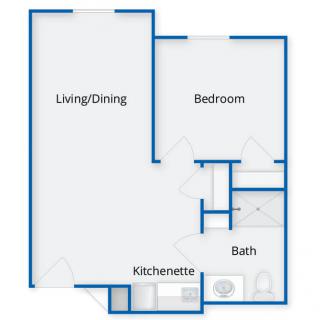
Floor plans
Benchmark Senior Living At Shrewsbury Crossings
Worcester County
Massachusetts
Studio
$4,714
$5,109
$5,312
1 Bedroom
$5,475
$4,661
$5,349
Semi-Private
$6,350
$5,477
$5,805
Skilled Nursing Facilities with a similar price nearby
Overall Review of Benchmark Senior Living At Shrewsbury Crossings
common34 reviews mention this
Staff responsiveness is a theme
Residents and families repeatedly describe staff as kind, attentive, and helpful.
Across many reviews, people say the staff are welcoming and treat residents respectfully, including consistently greeting both residents and family members. Families also describe feeling supported—especially during medical or care transitions—when staff coordinate and address concerns. Several reviews specifically mention staff keeping up communication with families and being available when help is needed.
differentiator16 reviews mention this
Meals and dining stand out
Dining is frequently praised as appealing, flexible, and accommodating to diets.
Multiple residents and families describe the food as enjoyable, with variety and appealing presentation. Reviews mention that dining supports different schedules and preferences, including the ability to get meals when residents want them. There are also comments about accommodating dietary needs, such as gluten-free, as well as options like low-sodium and special diet restrictions.
common13 reviews mention this
Activities keep residents engaged
Residents are drawn into daily activities and outings.
Reviews describe a steady calendar of activities, including group events, games, creative pursuits, and live entertainment. Several people say their loved ones became more social after moving in, and that staff encourage participation even when residents are hesitant. Families also point to outings and local trips as part of how residents stay involved day to day.
common6 reviews mention this
Memory care feels structured
The dementia/memory care setup is a key factor for families considering care.
Some reviews mention having a locked unit for memory care, with staff who understand dementia-related needs and interact appropriately. Others describe tours where the memory care environment and dementia approach were part of the reason they felt comfortable. At the same time, at least one review raises concerns about dementia care execution, including medication and supervision issues.
caveat9 reviews mention this
High cost and add-ons worry some
Several families worry about pricing changes and steep fees.
Some reviews describe the cost as high and mention surprise increases or additional charges during the year. Others cite an add-on style of pricing that makes it harder to predict the full monthly amount. Even when residents are pleased with care, a few reviewers still flag cost and fees as a key concern.
common10 reviews mention this
Facilities and cleanliness get praise
Reviews commonly note that the community is clean and well kept.
Many reviewers describe the building as very clean, organized, and well maintained, including during tours and after move-in. Some comments also highlight cleanliness in the apartments and common areas. A few reviews contrast this with older or worn aspects like dingy floors or dirty rugs, though most overall cleanliness feedback is positive.
How we summarize
Counts show how many written reviews mention each theme; a review can touch several themes, and only frequently mentioned themes are displayed.
Features
Housing
22 resident community capacity
1-bedroom apartments
Studio apartments
Types of Care
Assisted Living
Memory Care
Skilled Nursing Facility
Pets
Cats allowed
Dogs allowed
Amenities
Activities off-site
Activities on-site
Air-conditioning
Beautician on-site
Beauty salon
Cable or satellite TV
Cafe
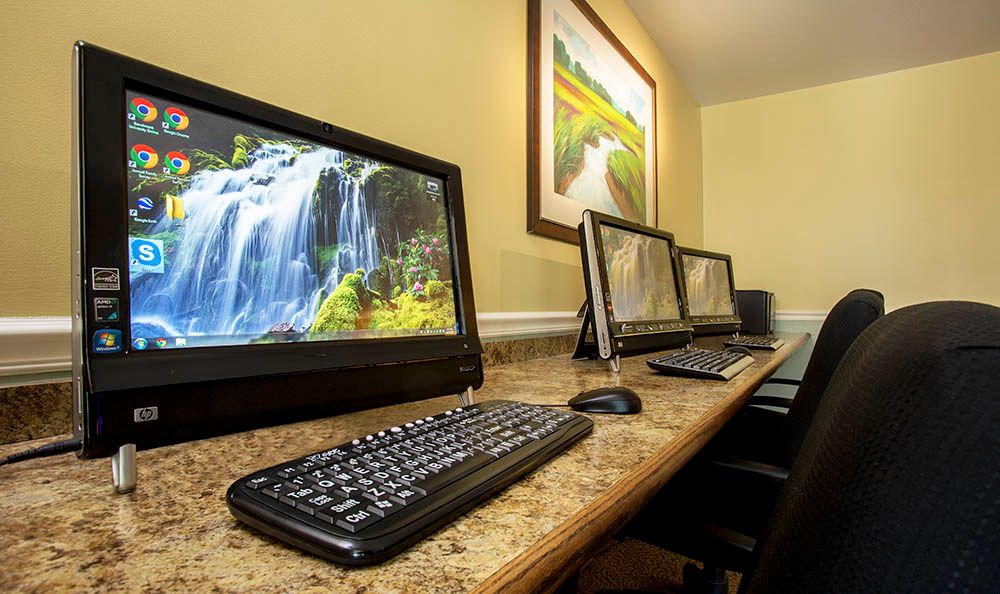
Computer center
Devotional services off-site
Devotional services on-site
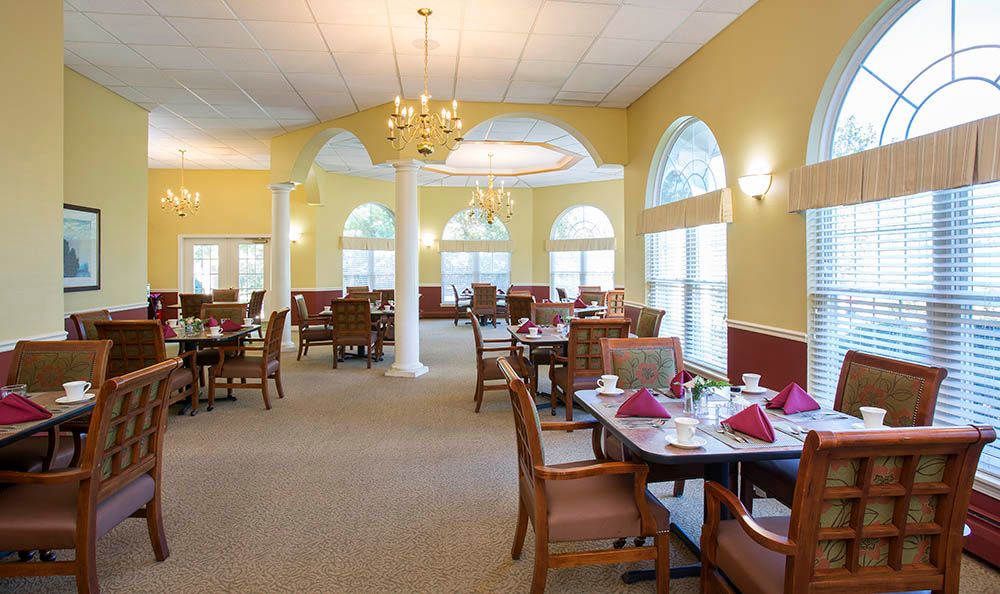
Dining room
Financial aid
Financing advice
Fitness room
Fully furnished
Garden
General store
Ground floor units
Guasts at mealtime
Guest parking
Handicap accessible
Housekeeping services
Indoor common areas
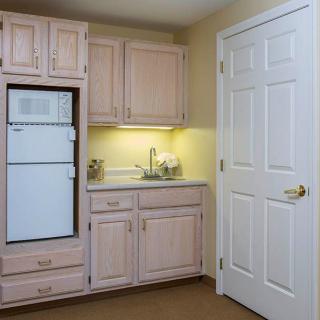
Kitchenette
Laundry
Move-in coordination
Outdoor common areas
Outdoor patio
Outdoor space
Overnight guests
Party space
Private cleaning services
Resident parking
Respite or short term stays offered
Restaurant-style dining
Small library
TV room
Telephone
VA Benefits Consultation
Wellness center
Wheelchair accessible showers
Wi-Fi/high-speed internet available
Transportation
Worcester Regional (7 miles away)
Transportation & parking
Transportation arrangement (non-medical)
Transportation to doctors appointments
Care Services
12-16 hour nursing
24-hour call system
24-hour supervision
Activities of daily living assistance
Assistance with bathing
Assistance with dressing
Assistance with transfers
Coordination with health care providers
Dementia waiver
Diabetes diet
Hospice care
Hospice waiver
Incontinence care
Meal preparation and service
Medication management
Mental wellness program
Mild cognitive impairment
Physical therapy
Special dietary restrictions
Specialized memory care programming
Transportation arrangement (medical)
Transportation to doctors appointments
Dining
Anytime dining
Diabetes diet
Guest meals
International cuisine
Low / no sodium
Low fat
Meals provided
No Sugar
Professional chef
Restaurant style dining
Room service
Special dietary restrictions
Special dining programs
Vegetarian
Activities
Activities off-site
Art classes
Arts and crafts
Book club
Catholic services
Community-sponsored activities
Cooking classes
Cooking club
Day trips and outings
Devotional activities offsite
Devotional activities on-site
Educational speakers / life long learning
Fitness programs
Games
Gardening club
Live musical performances
Live well programs
Other religious services
Religious services
Resident-run activities
Scheduled daily activities
Stories
Tai Chi
Visiting chaplain or priest
Wine tasting
Yoga / chair yoga
Nearby Places of Interest
This part of Shrewsbury, Massachusetts, offers a convenient location with easy access to various healthcare facilities, including physicians' offices and pharmacies. The area also provides a range of dining options from casual establishments like Hooters and Tavern in the Square to fast-food chains like Wendy's and Taco Bell. In addition, there are several cafes for enjoying a leisurely cup of coffee. The proximity to UMass Hospital and other medical centers ensures quality healthcare services are readily available. Nearby parks such as Lake Park and Green Hill Park provide opportunities for outdoor recreation and relaxation. There are also places of worship within a short distance for spiritual support. Overall, this neighborhood offers a mix of amenities that cater to senior living needs in terms of healthcare, dining, recreation, and spiritual fulfillment.
Physicians
Shrewsbury Ob Gyn (1.1 miles)
Reliant Medical Group (1.2 miles)
Child Health Associates at Shrewsbury (1.2 miles)
Reliant Medical Group (1.3 miles)
Browning Clifford A MD Cardiology Consultants (1.5 miles)
Great Brook Valley Health Center (1.6 miles)
Shrewsbury Family Medicine (1.6 miles)
Restaurants
Hooters (1.2 miles)
Tavern in the Square (1.3 miles)
Regatta Deli & Sandwich Shoppe (1.8 miles)
Wendy's (2 miles)
IHOP (3.3 miles)
Taco Bell (3.3 miles)
Chick-Fil-A (3.5 miles)
Pharmacies
CVS Pharmacy (1.3 miles)
UMass Memorial Medical Center - Prescription Center Pharmacy (1.6 miles)
Gaia Biotech (1.8 miles)
CVS Pharmacy (2 miles)
CVS Pharmacy (2.1 miles)
Walgreens (2.1 miles)
AbbVie Bioresearch Center (2.1 miles)
Cafes
Starbucks (1.3 miles)
Redemption Rock Brewing (2.7 miles)
In House Coffee (3 miles)
Panera Bread (3.4 miles)
Fuel America (3.5 miles)
Starbucks (3.5 miles)
Starbucks (3.5 miles)
Hospitals
U Mass Hospital (1.5 miles)
UMass ACC (1.8 miles)
Worcester Recovery Center And Hospital (1.9 miles)
UMass Interventional Radiology (3.2 miles)
Nahtm (3.2 miles)
Saint Vincent Hospital (3.6 miles)
St Vincent Hospital (3.6 miles)
Parks
Lake Park (2.5 miles)
Green Hill Park (2.6 miles)
Elm Park (4.4 miles)
Places of Worship
Our Lady of The Rosary Rectory & Main Number (3.2 miles)
St Rose of Lima Parish (4.3 miles)
St Spyridon Cathedral Special Events Committee (4.4 miles)
Benchmark Senior Living At Shrewsbury Crossings offers competitive pricing for its accommodations compared to the broader market in Worcester County and the state of Massachusetts. For a studio, residents can expect a monthly cost of $4,714, which is notably lower than both the county average of $5,109 and the state average of $5,312. Transitioning to a one-bedroom unit, the price rises to $5,475; while this exceeds Worcester County's average of $4,661, it remains slightly less than Massachusetts's average at $5,349. The semi-private room option is priced at $6,350, which is higher than both county and state averages ($5,477 and $5,805 respectively). Overall, Benchmark Senior Living At Shrewsbury Crossings provides attractive options that cater to various preferences while still reflecting the financial realities of senior living in the region.
The comprehensive features offered at Benchmark Senior Living At Shrewsbury Crossings are integral to supporting residents with dementia or Alzheimer's disease. Continuous 24-hour supervision ensures a safe environment where residents receive timely assistance tailored to their needs, enhancing both security and confidence. Support with activities of daily living, including bathing, dressing, and transfers, fosters independence while addressing personal dignity and comfort. Coordination with healthcare providers facilitates holistic care management, ensuring that medical needs are met seamlessly. The facility's dementia waiver and specialized memory care programming provide targeted interventions designed to engage residents cognitive and emotionally. Additionally, incontinence care, meal preparation and service, and medication management promote wellbeing by catering to essential daily requirements without added stress. The mental wellness program and mild cognitive impairment resources further enrich the residents' experience by encouraging cognitive engagement, while transportation arrangements for medical appointments ensure continuity of care. Collectively, these features create a nurturing environment that supports both physical health and emotional stability for individuals navigating the challenges of memory loss.
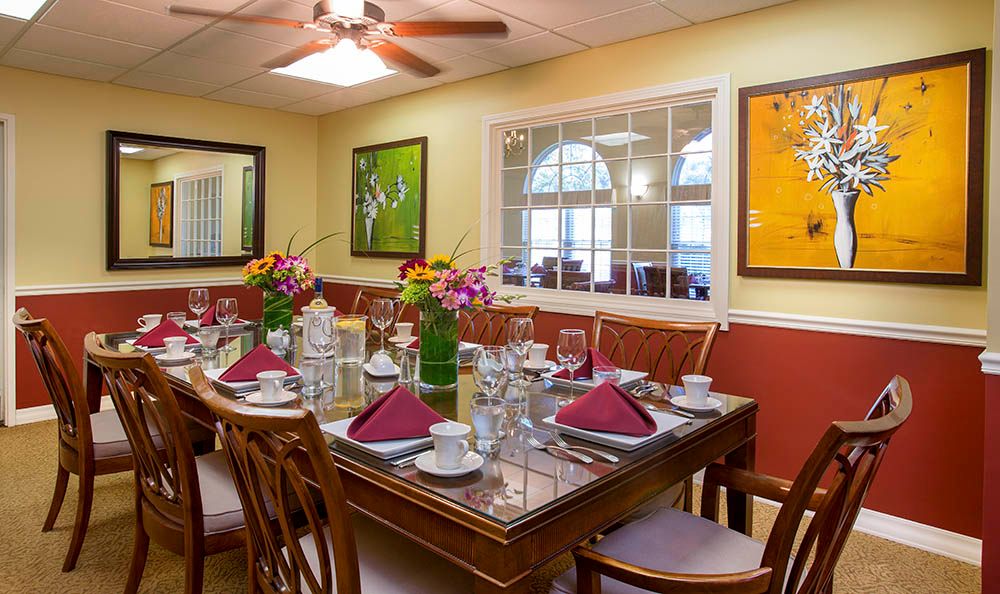
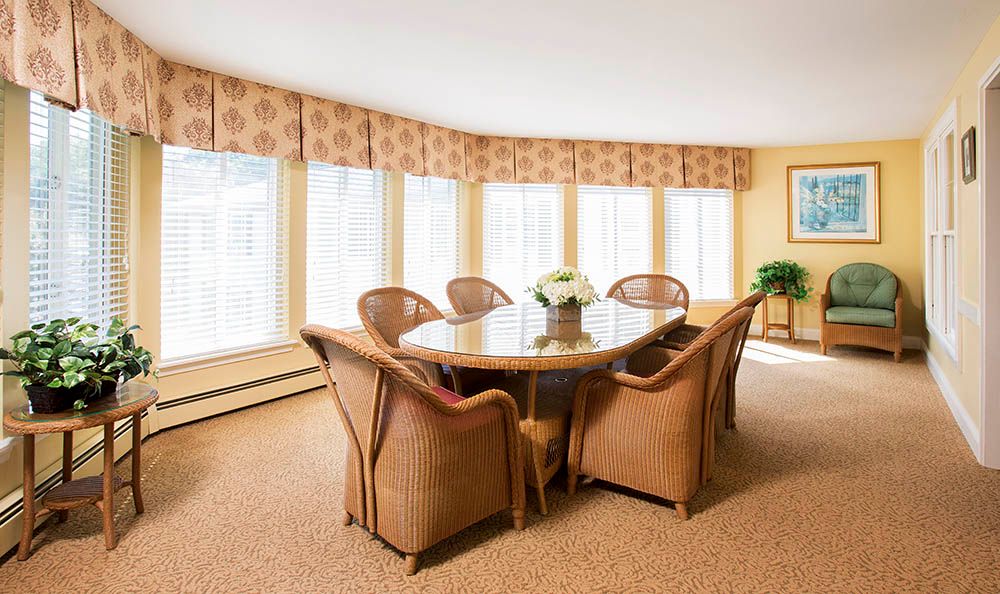
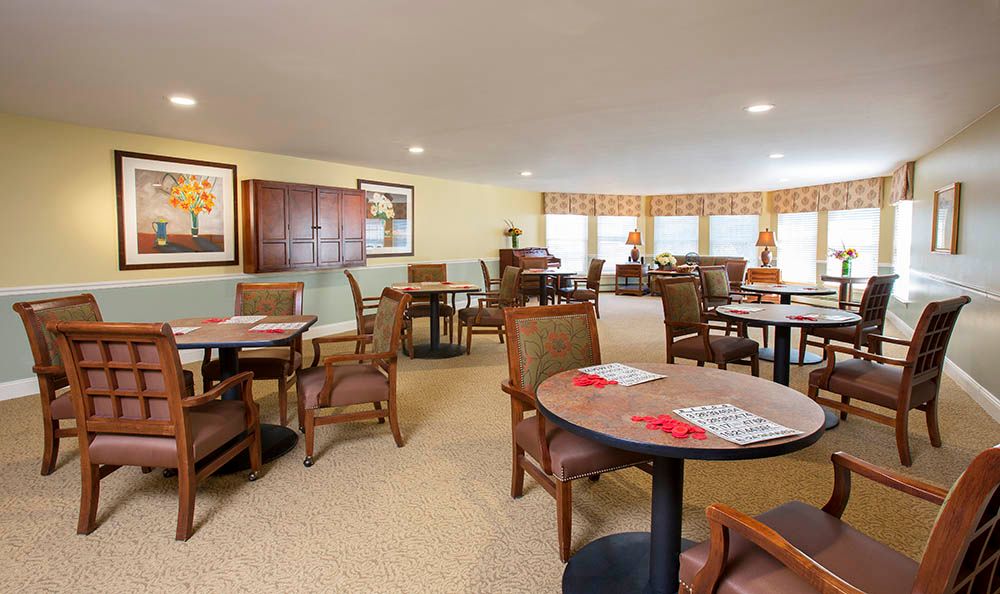
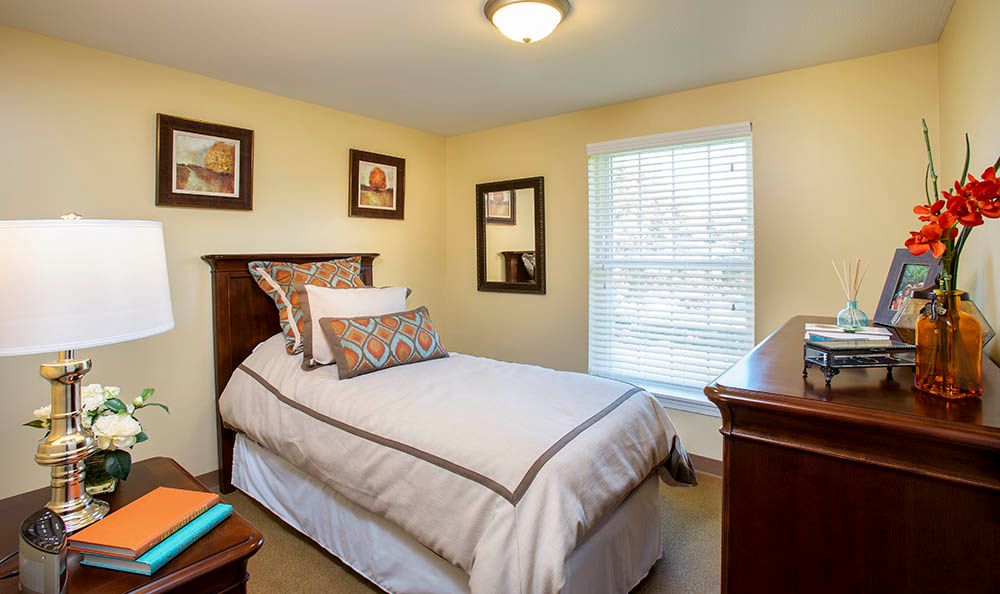
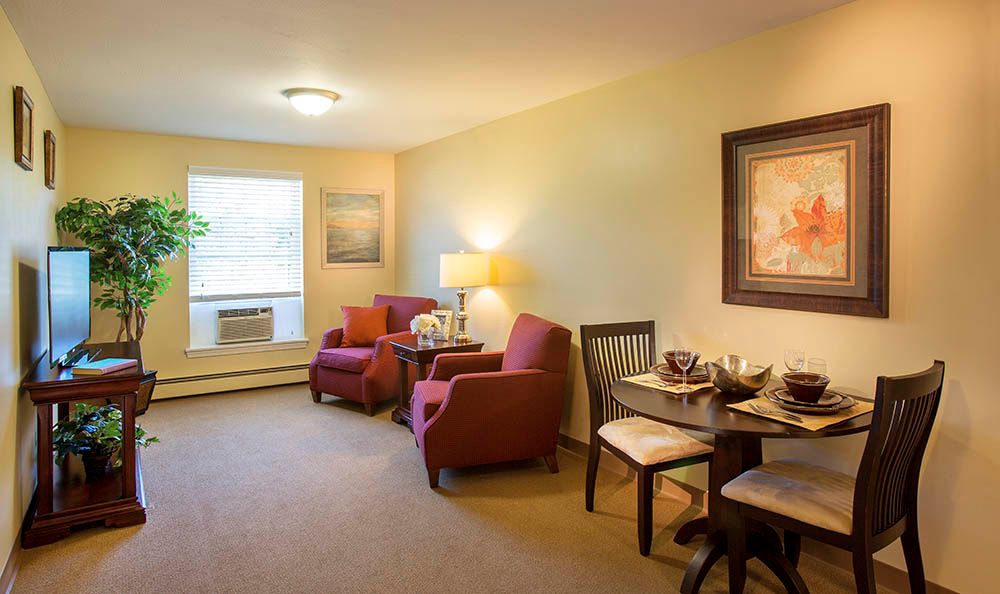
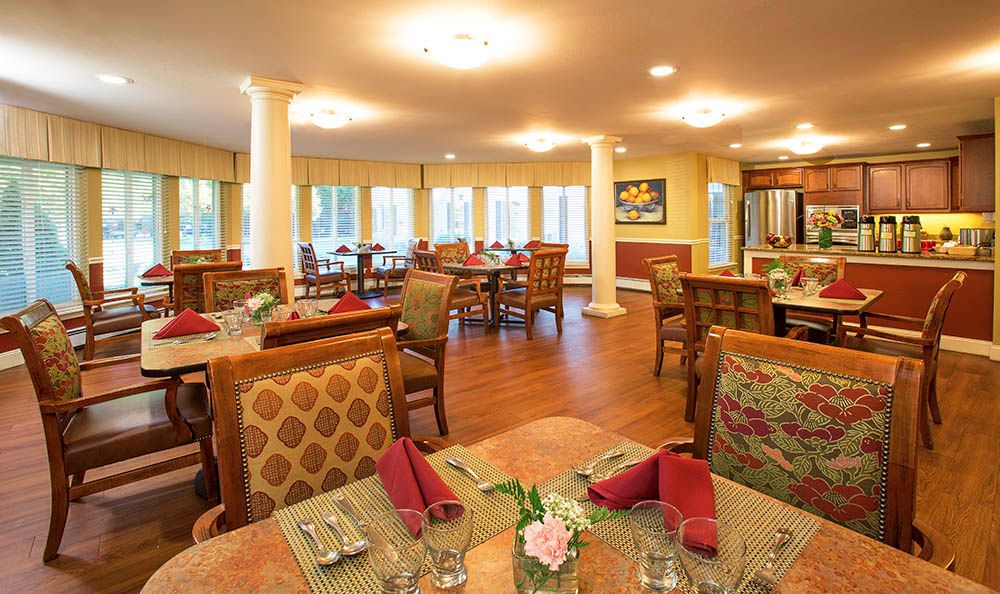
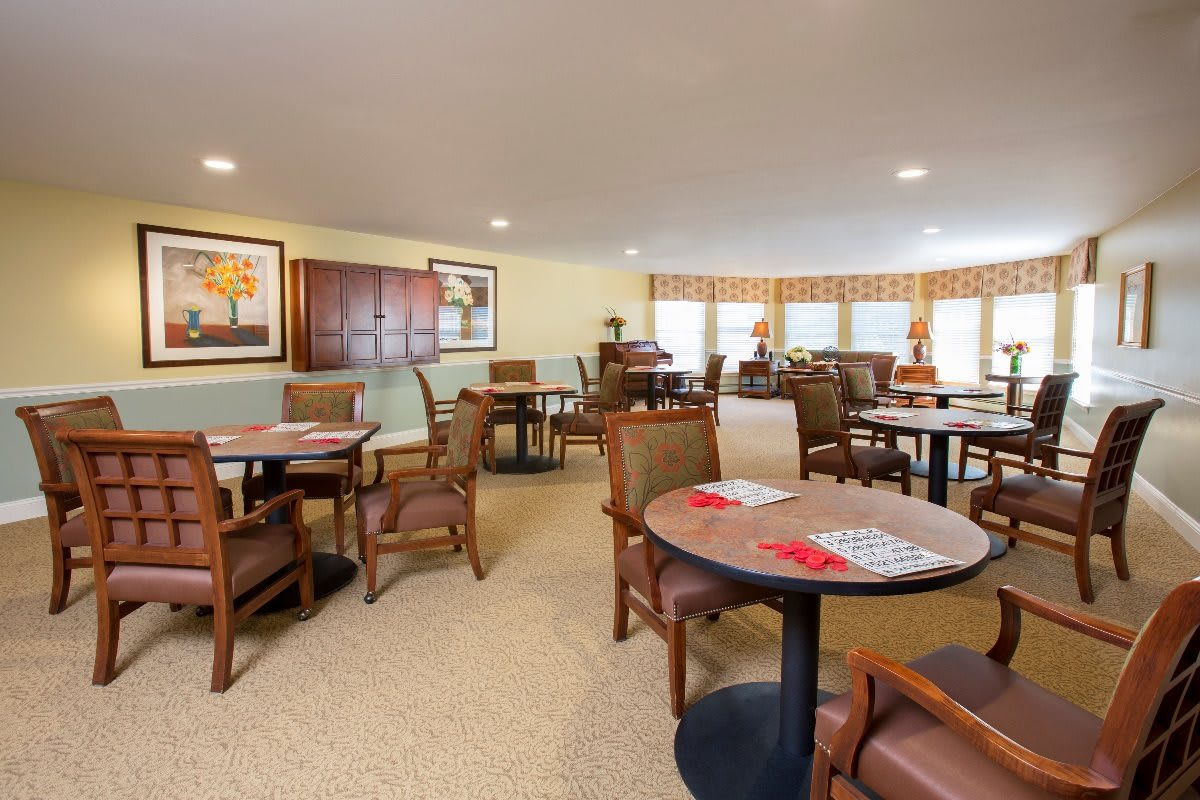
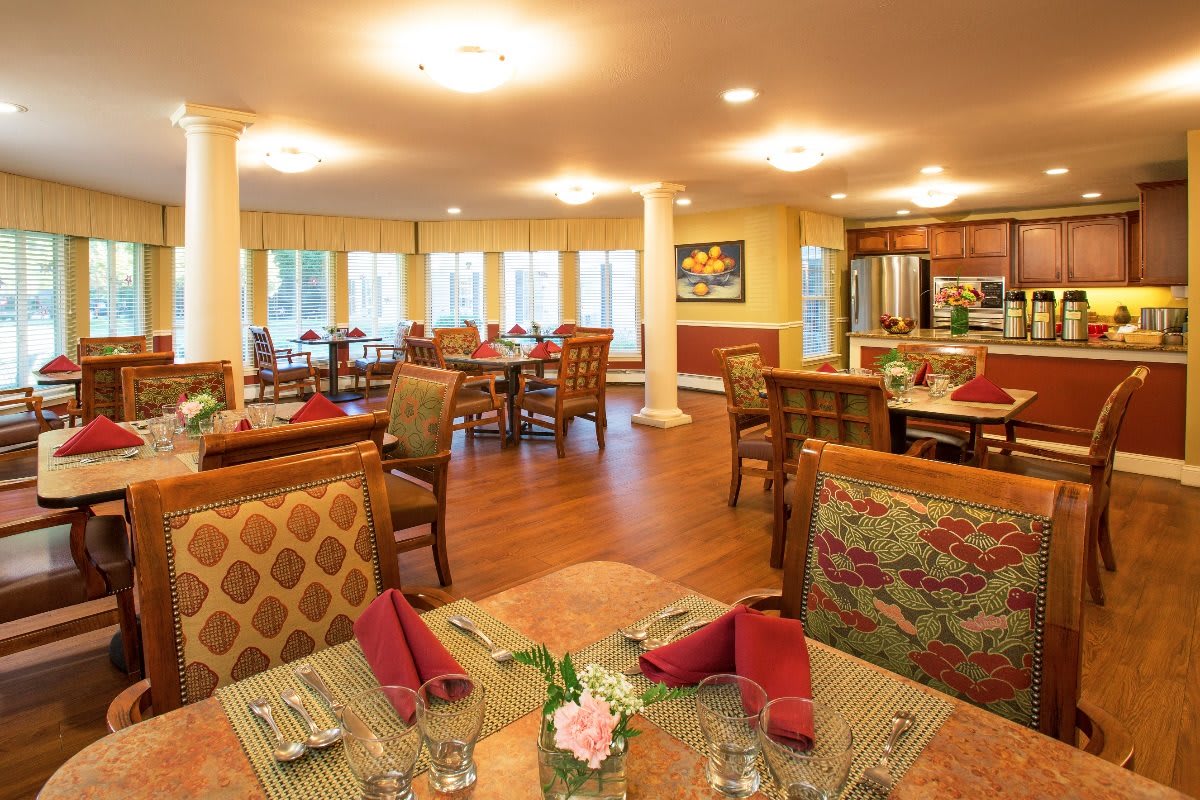
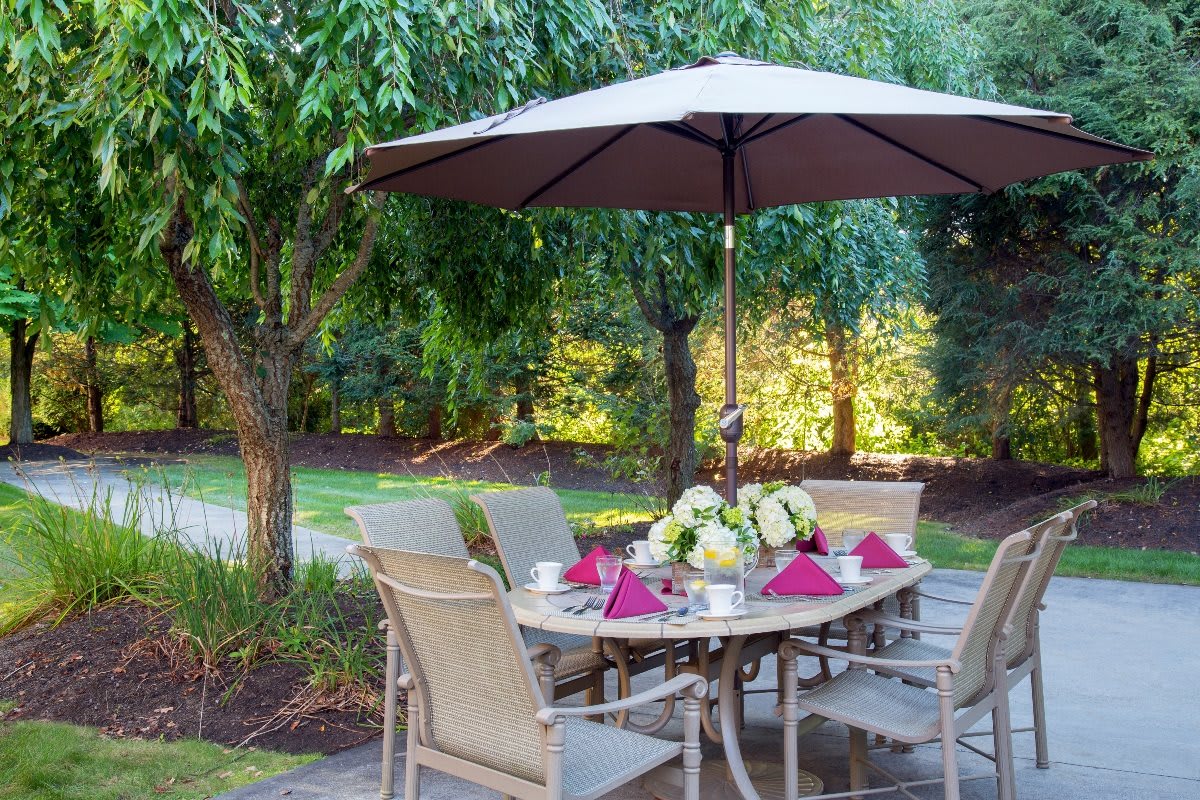
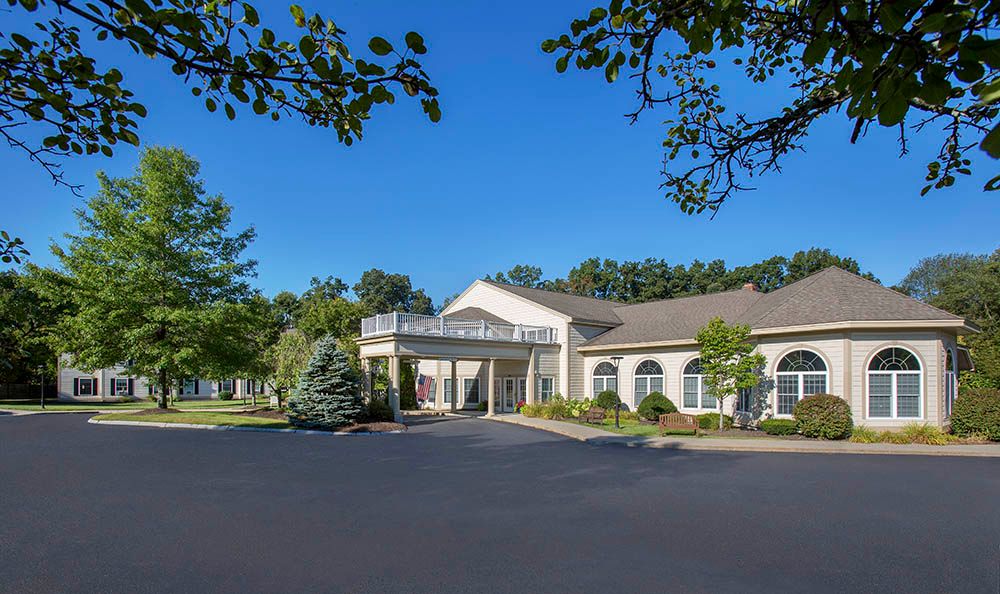
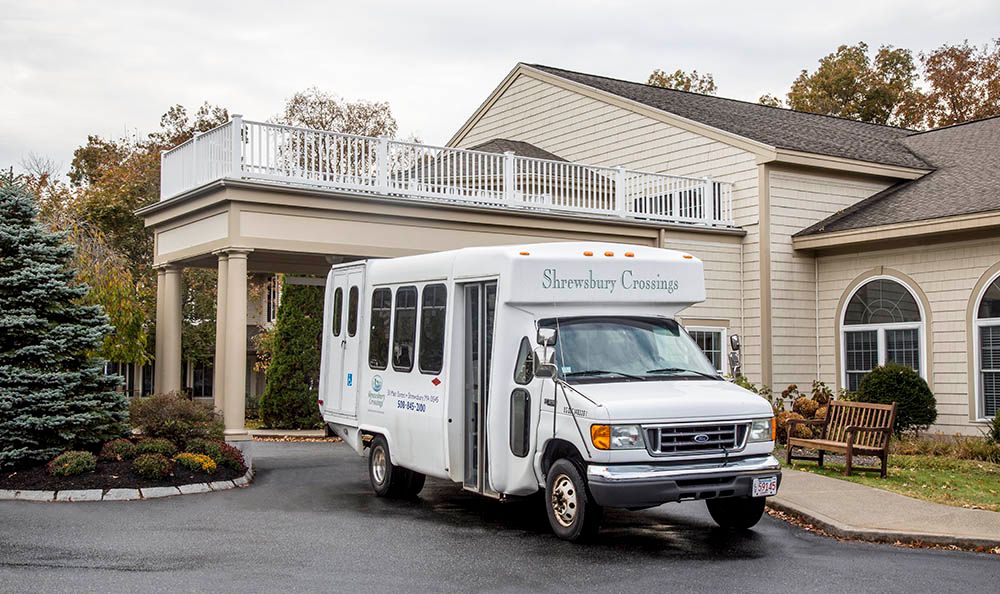
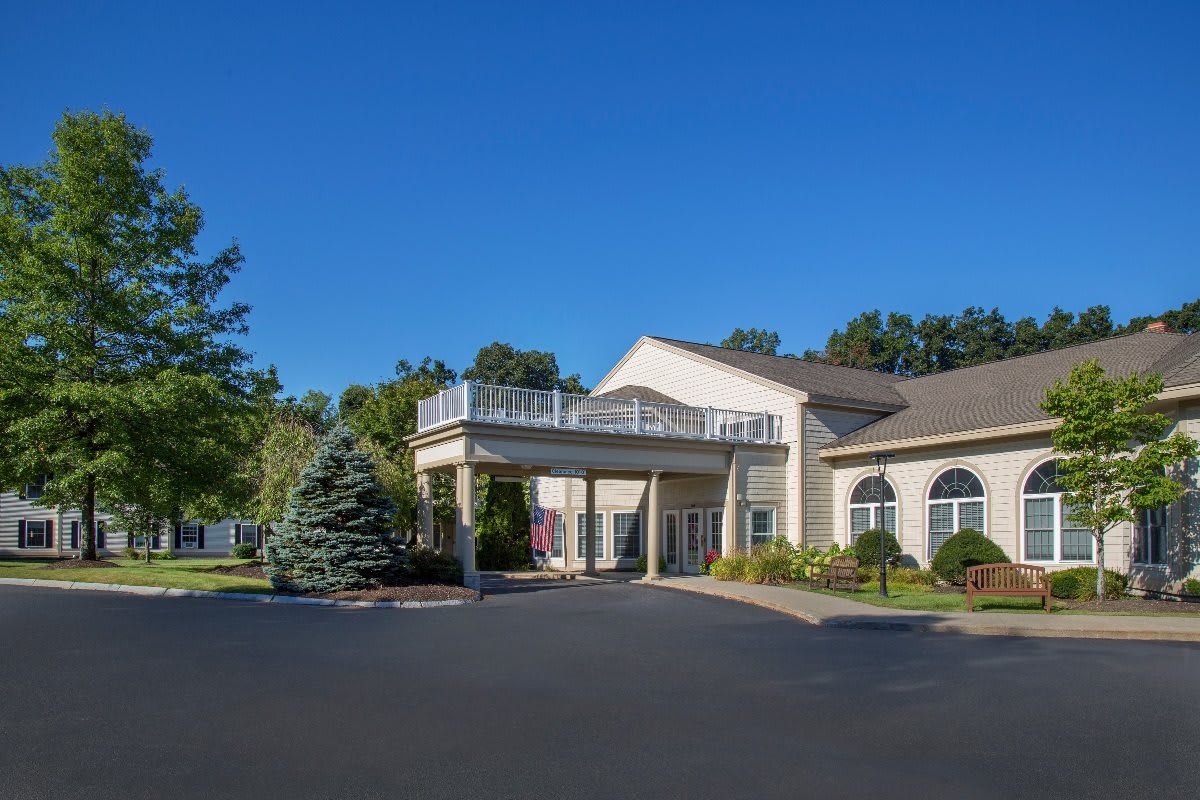
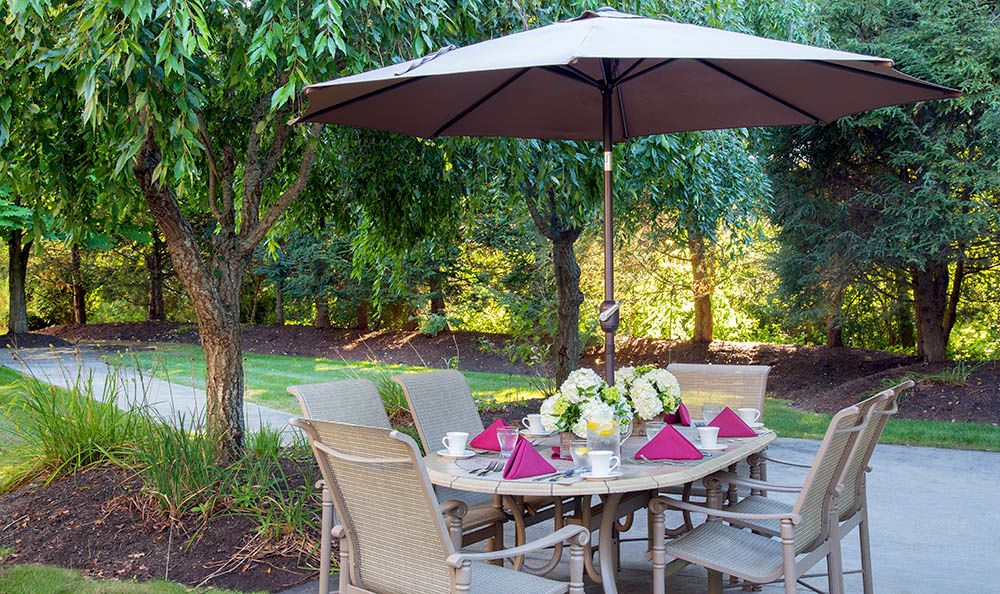
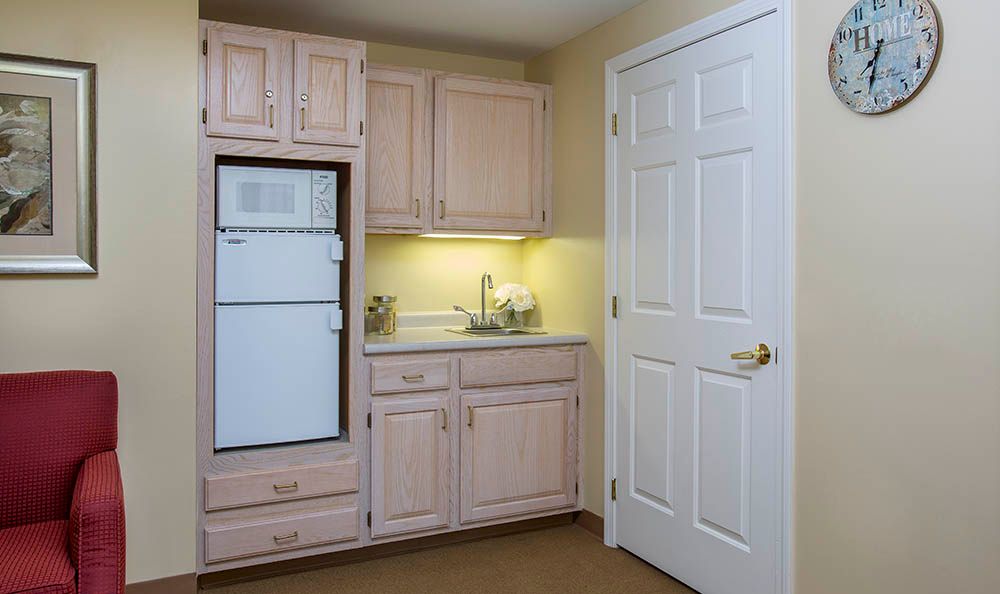
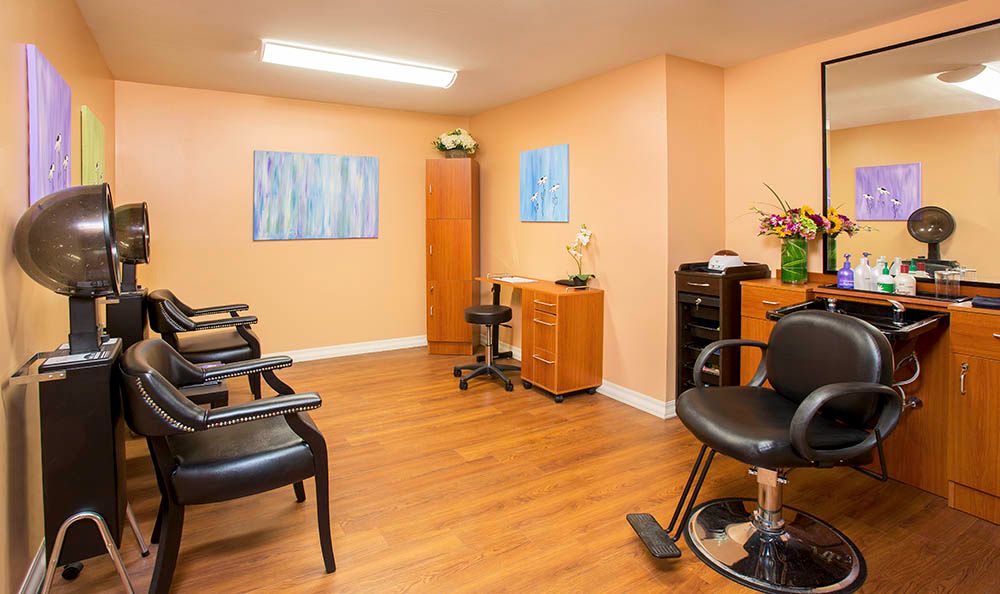
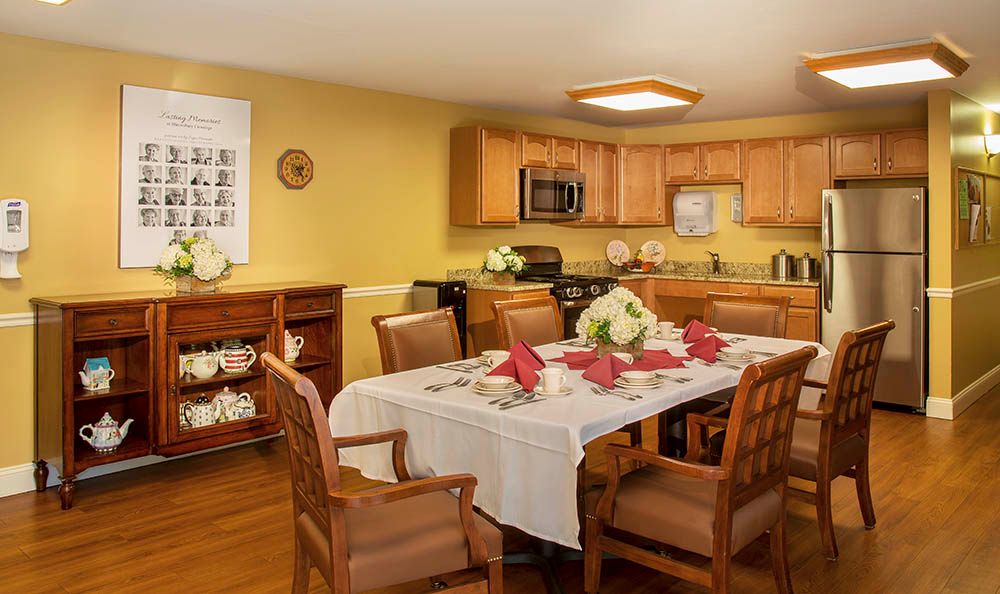
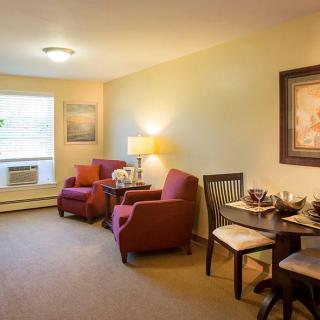
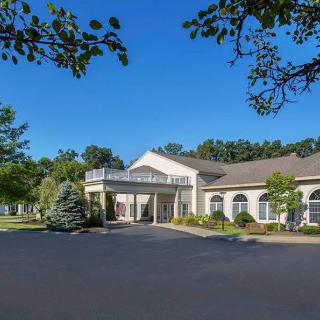
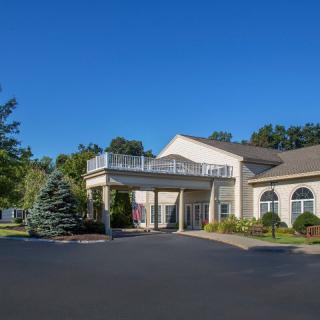
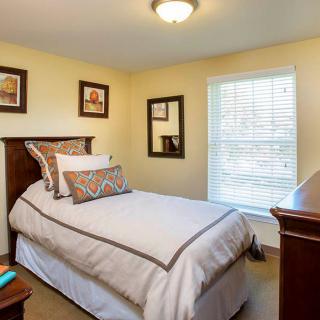
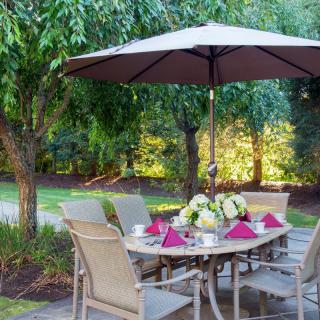
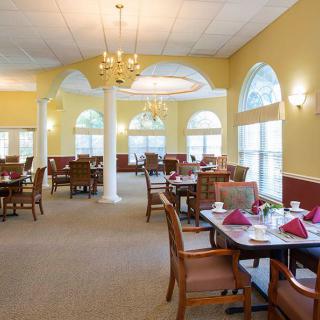
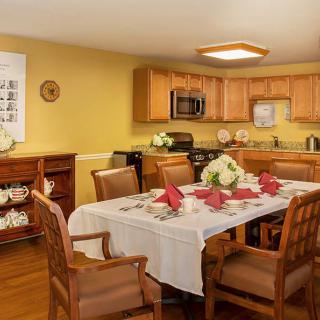
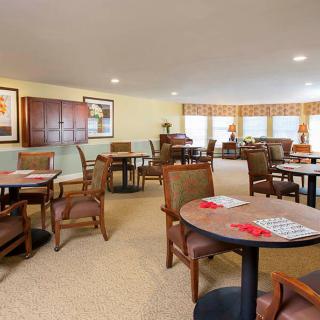
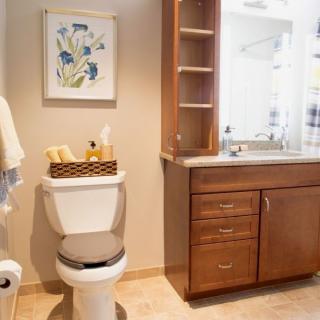
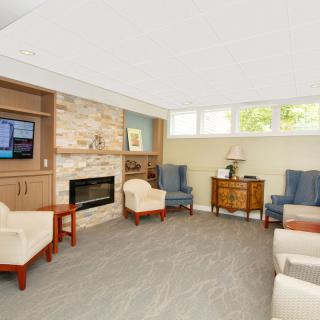
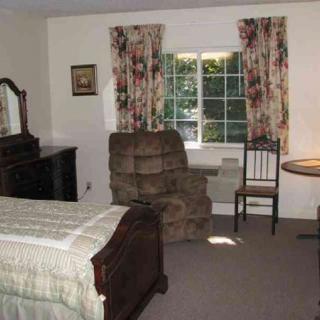
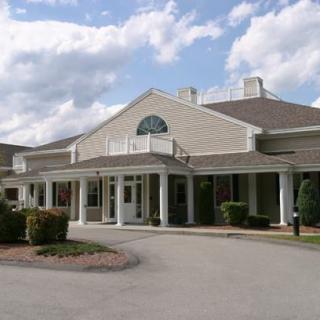
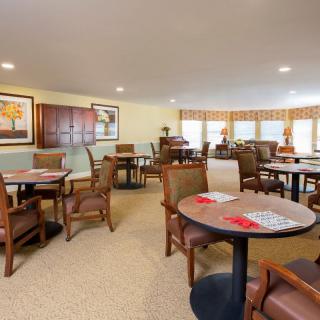
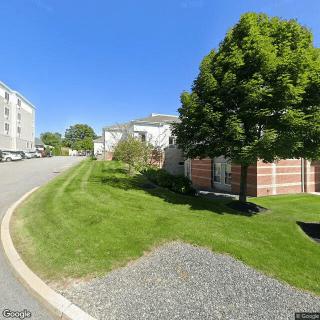
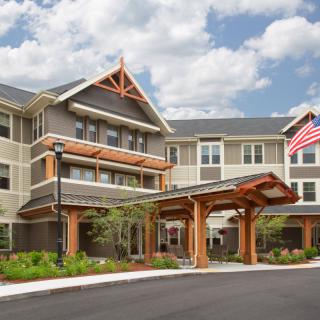
Benchmark Senior Living At Shrewsbury Crossings on seniors.fyi includes 22 photos including images showing interior, dining, floor plan, decor, bedroom, windows, building, trees, and more.
Nearby Communities
Notre Dame Long Term Care Center
Worcester, MA
4.3 from 27 reviews
Extensive amenities and comprehensive care programs.
Notre Dame du Lac
Worcester, MA
4.4 from 35 reviews
$3,780 to $7,300 / month
Caring, knowledgeable staff with engaging activities in a well-kept setting.
Salisbury Nursing & Rehab Ctr
Worcester, MA
2.9 from 47 reviews
Excellent nursing care with attentive staff and a spotless, comfortable environment.
Beaumont At University Campus
Worcester, MA
5 from 1 review
Responsive, caring staff and engaging activities.
Southgate At Shrewsbury
Shrewsbury, MA
4.4 from 112 reviews
Warm, homelike environment with spacious units, friendly staff, and a seamless continuum of care plus diverse amenities.
Hampton Suites at Southgate
Shrewsbury, MA
4.5 from 128 reviews
$2,995 to $3,310 / month
Vibrant, welcoming community with ample activities and compassionate staff.
Christopher House Of Worcester
Worcester, MA
3.6 from 14 reviews
Warm, friendly staff in a clean, engaging environment with active rehab and social programs.
The Residence at Orchard Grove
Shrewsbury, MA
4.9 from 160 reviews
$4,600 to $8,300 / month
Warm, well-maintained community with attentive staff, engaging activities, and excellent dining.
Dementia, primarily caused by Alzheimer's disease but also linked to other conditions, leads to cognitive decline impacting memory and daily functioning, with individuals experiencing varied awareness of their impairments. Despite memory loss, emotional connections persist, enabling responses to familiar stimuli, highlighting the need for caregivers to provide compassionate support that recognizes both limitations and retained emotional depth.
The article presents five subtle indicators of dementia, such as memory lapses and mood swings, to help families assess cognitive decline in loved ones. It emphasizes early detection, open communication, and seeking professional help while providing practical support steps.
Dementia encompasses progressive neurological disorders that impair cognitive functions and can lead to paranoia due to cognitive decline and emotional changes. The article discusses the triggers of paranoia in dementia, caregiver strategies for managing it, and the importance of distinguishing between dementia-related paranoia and other psychiatric conditions.
Benchmark Senior Living At Shrewsbury Crossings photos
×
Interior
Outdoors
Decor
Living Room
Building
Architecture
Bedroom
Trees
Windows
Dining
Lighting
Garden
Floor Plan
Office
Interior
Decor
Bedroom
Dining
Living Room and Dining Table
Landscaping
Windows
Floor Plan, Bathroom, and Kitchenette
Building
Architecture
Trees
Kitchen
Lighting
Garden
Artwork
Chandelier
Seating Area
Outdoor and Patio
Entrance and Parking
Outdoors
Salon
Appliances, Cabinets, and Refrigerator
Wall Art
Office and Computers
Living Area
Nursing Home
Living Space
Place Settings
Table Settings
Get PricingAsk A QuestionSchedule A TourContact Senior Advisor
By clicking submit, you agree to our Partner's Terms of Use. You
also consent to receive calls and texts, which may be autodialed, from our Partner. Your consent is not a condition to
using our Partner's service. Please visit our Partner's Privacy Policy for information about their privacy practices.






 22 resident community capacity
 1-bedroom apartments
 Assisted Living
 Memory Care
 Skilled Nursing Facility
 Cats allowed
 Dogs allowed
 Activities off-site
 Air-conditioning
 Beautician on-site
 Cable or satellite TV
 Cafe
Cafe Computer center
 Devotional services off-site
 Dining room
 Financial aid
 Fitness room
 Fully furnished
 Garden
 General store
 Ground floor units
 Guest parking
 Handicap accessible
 Housekeeping services
 Indoor common areas
 Kitchenette
 Laundry
 Move-in coordination
 Outdoor common areas
 Outdoor patio
 Overnight guests
 Party space
 Respite or short term stays offered
 Restaurant-style dining
 Small library
 Telephone
 Wellness center
 Wheelchair accessible showers
 Wi-Fi/high-speed internet available
 Worcester Regional (7 miles away)
 Transportation & parking
 12-16 hour nursing
 24-hour call system
 Assistance with bathing
 Assistance with dressing
 Assistance with transfers
 Diabetes diet
 Hospice care
 Incontinence care
 Medication management
 Mental wellness program
 Physical therapy
 Special dietary restrictions
 Transportation arrangement (medical)
 Art classes
 Book club
 Catholic services
 Cooking classes
 Day trips and outings
 Educational speakers / life long learning
 Games
Games Live musical performances
 Wine tasting
 Extensive amenities and comprehensive care programs.



 Delving into the Inner World of Dementia: Insights into Thoughts and Awareness
 Five Subtle Dementia Indicators to Observe: An In-Depth Guide to Understanding “Does My Mom Have Dementia?”
 Dementia, Paranoia, and Caregiver Guidance: Understanding the Connection