
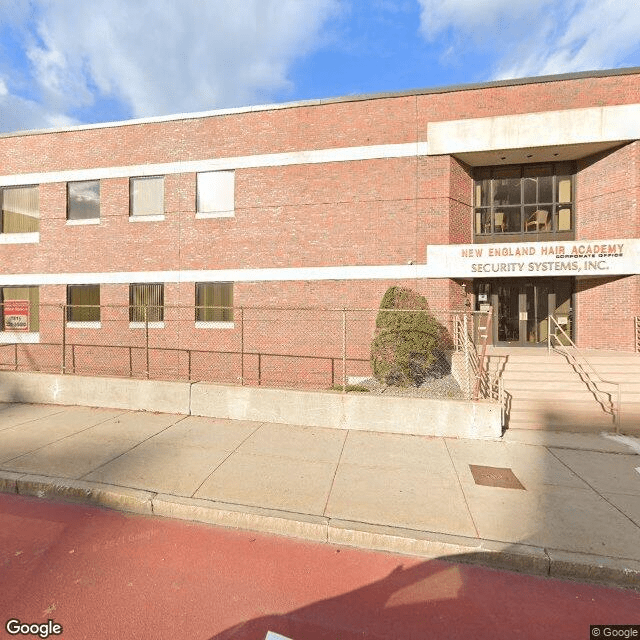
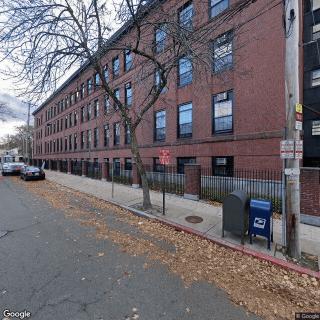
110 Florence St., Malden, MA 02148
To contact a resident: (800) 225-3151
For more information about senior living options: (866) 208-4318
Overall Review of CSI Management
Cons
 CSI uses "co-op" methods with "members" who don't understand what a co-op is and don't explain it before moving in, and uses it to an extreme.
- CSI has occasional staff in the building, but they have no knowledge about the building or elderly-related information, creating a revolving door.
- The staff cannot help beyond making copies and assisting with basic forms.
- Residents are expected to work in the office answering phones for the public looking to rent there and to interview potential new residents.
- No one vets the new residents.
- The 95-year-old in the office reportedly does not know what the internet is.
- They do not know how to operate the security cameras, which means incidents are ignored because the film cannot be accessed.
- Maintenance workers allegedly cannot speak English.
- Elevators stay broken for months, as do washers and dryers.
- The review notes that the mother did not have hot water for months.
- CSI does not answer its phones.
- Problems are ignored and the elderly are blamed.
Review
This community in Malden, MA is best suited for seniors who want a hands-off, resident-driven living arrangement and can tolerate substantial gaps in professional oversight. The model described centers on a cooperative-like structure in which residents are expected to participate in basic office tasks and even participate in interviewing potential new tenants. In practice, this translates to a setting where independence is prized but real-world support from trained staff is minimal, and where the day-to-day operations depend on the capacity and tolerance of fellow residents. For someone who values autonomy and can weather a revolving-door staff, this environment may feel like a communal experiment more than a traditional senior housing option.
Those who may want to consider alternatives are individuals who depend on reliable maintenance, clear, proactive management, and a straightforward, transparent governance model. Anyone who requires consistent access to essential services, hot water, functional elevators, responsive phone lines, and competent problem-solving, should look elsewhere. Traditional property-managed independent living, or assisted living options with licensed administrators and stable staffing, offer clearer accountability and fewer expectations that residents will fill in gaps. Prospective families should prioritize options with documented service standards and predictable response times rather than a structure that blends resident participation with fragile support systems.
The limited pros of a resident-driven model do little to offset the major drawbacks evident here. The idea of resident empowerment and a collaborative ethos might appeal in theory, but the implementation is muddled. The reality is a sparse staff presence coupled with a process that leaves ordinary daily needs to be handled by elderly residents who are already managing their own health concerns. The co-op framing does not translate into meaningful governance or cost control; instead, it creates ambiguity around responsibilities, qualifications, and the actual flow of information from management to residents. In short, any perceived benefit from resident involvement is eclipsed by the practical downside of inadequate staffing and governance that is not transparent or reliable.
The most troubling aspects are operational and safety-related. Elevators and washers/dryers routinely malfunction for extended periods, and hot water has been unavailable for months. Phones are not consistently answered, and when they are, the response is slow or unhelpful. Security functions are undermined by a lack of access to cameras, and maintenance staff are described as non-English-speaking, limiting effective communication during problems. The governance appears to be in disarray, with reports that incidents go unaddressed or are dismissed by staff who lack the tools or authority to intervene. Even a routine day, getting a cup of coffee, taking a shower, or reaching the office, can feel uncertain due to the inconsistency in basic services.
For families evaluating options, concrete steps matter. Tour the building with a critical checklist: test the elevators, confirm the uptime of hot water, and observe whether maintenance problems are acknowledged and tracked. Ask for written service level agreements, maintenance logs, and the process for reporting issues. Speak with multiple residents about how quickly problems are resolved and whether staff can communicate effectively in clear English. Confirm who vets new residents and how conflicts or disruptive behavior are addressed. If the answer is vague, delayed, or defensive, that is a red flag. A community that cannot guarantee dependable daily operations is not a sound choice for long-term safety and peace of mind.
Ultimately, this Malden facility reads as a high-risk option for most seniors seeking stability, predictable support, and professional oversight. It may appeal to a rare subset, those who are exceptionally independent, willing to shoulder administrative duties, and prepared to navigate a governance framework that is unclear and inconsistent. For the majority, especially those with mobility needs, cognitive concerns, or a reliance on reliable maintenance, the better choice is to pursue traditional, clearly managed senior housing where staff are accessible, accountability is explicit, and essential services function without prolonged outages. The right decision hinges on whether independence and potential cost savings can compensate for chronic service gaps and governance confusion.
 Active Adult Communities (55+)
 Gen Edw L Logan International (5 miles away)
 Abundant nearby amenities and healthcare access.



 Nurturing Our Loved Ones: A Daughter's Journey in Caring for Her Mother
 Nurturing Our Elders: Linda's Journey of Supporting Her Mother
 A Comprehensive Exploration of Common Misunderstandings about Powers of Attorney