For more information about senior living options: (866) 208-4318
4.7 from 111 reviews
5 stars
90
4 stars
12
3 stars
5
2 stars
2
1 stars
2
Overall Review of The Commons in Lincoln
common42 reviews mention this
Staff care and helpfulness stand out
Residents and visitors repeatedly describe staff as kind, attentive, and supportive.
Many reviews focus on the day-to-day tone of the place—staff members are described as friendly, caring, and responsive to residents and families. Several mentions call out how smooth the check-in or visit process felt, with front-desk and other staff providing patient guidance. A few reviews also reference specific reassurance or personal support during difficult moments, including end-of-life comfort.
common18 reviews mention this
The community feels clean and well kept
Multiple reviewers call out cleanliness and a well-maintained facility.
Cleanliness comes up often, with reviews describing the property as clean, tidy, and well maintained. Visitors also mention the rooms and the overall environment feeling freshly updated or in good condition. A few reviews tie this upkeep to confidence in care, especially in rehabilitation or daily support settings.
common14 reviews mention this
Dining gets frequent praise
Dining is repeatedly described as enjoyable, with restaurant-style experiences.
Food is a recurring positive theme, with reviews mentioning delicious dinners, enjoyable lunches, and servers who are competent and kind. Residents or families also mention that meals are a strong part of the experience, including no complaints about food. The community offers restaurant-style dining and room-service options, which fits the way reviews describe meals and service.
differentiator13 reviews mention this
Activities keep days full
Reviews commonly mention a packed schedule of activities and classes.
A lot of reviews highlight scheduled activities, fitness, and group programming that help residents stay engaged. Several reviewers mention lectures, music or entertainment, and resident-friendly ways to spend the day, including specific interests like yoga or art. While most describe plenty to do, one review notes that memory-care activities could be more available.
common9 reviews mention this
Outdoor space and pool time
Residents and visitors frequently mention outdoor access and a swimming pool.
Reviews often reference outdoor seating, walking around the grounds, and time spent outside. The community also offers a swimming pool, and multiple reviews connect it to what they liked most during visits or everyday life. Fitness and recreation options are mentioned alongside outdoor features, reinforcing that residents have more than indoor-only spaces to use.
caveat2 reviews mention this
Rehab support can feel slow
Some rehab-related reviews describe delays and difficulties getting timely help.
While several rehabilitation-focused reviews are positive, at least a couple describe problems with getting assistance when needed. One review describes excessive wait times for help during transfers and daily support, and another mentions moments when non-emergency help wasn’t easy to find. These experiences stand apart from the broader feedback about care and cleanliness.
How we summarize
Counts show how many written reviews mention each theme; a review can touch several themes, and only frequently mentioned themes are displayed.
Features
Housing
64 resident community capacity
1-bedroom apartments
2-bedroom apartments
Types of Care
Continuing Care Retirement Community (CCRC)
Amenities
Air-conditioning
Beautician on-site
Beauty salon
Cable or satellite TV
Cafe
Computer center
Dining room
Fitness room
Fully furnished
Gaming room
Garden
General store
Hiking trails
Home sale assistance
Housekeeping services
Kitchenette
Move-in coordination
Outdoor space
Party space
Private bathrooms
Resident parking
Restaurant-style dining
Security gate
Small library
Swimming pool
TV room
Telephone
Wellness center
Wi-Fi/high-speed internet available
Transportation
Gen Edw L Logan International (17 miles away)
Community operated transportation
Transportation & parking
Transportation arrangement
Care Services
24-hour call system
24-hour supervision
Activities of daily living assistance
Assistance with bathing
Assistance with dressing
Assistance with transfers
Diabetes diet
Meal preparation and service
Medication management
Special dietary restrictions
Dining
Diabetes diet
Room service
Special dietary restrictions
Activities
Activities off-site
Arts and crafts
Book club
Community-sponsored activities
Concierge services
Cooking club
Educational speakers / life long learning
Fitness programs
Games
Gardening club
Live musical performances
Planned day trips
Religious services
Resident-run activities
Scheduled daily activities
Stories
Tai Chi
Yoga / chair yoga
Nearby Places of Interest
Transportation
Hanscom Field (BED) (1.8 miles)
South Acton Mbta Commuter Rail Station (7.1 miles)
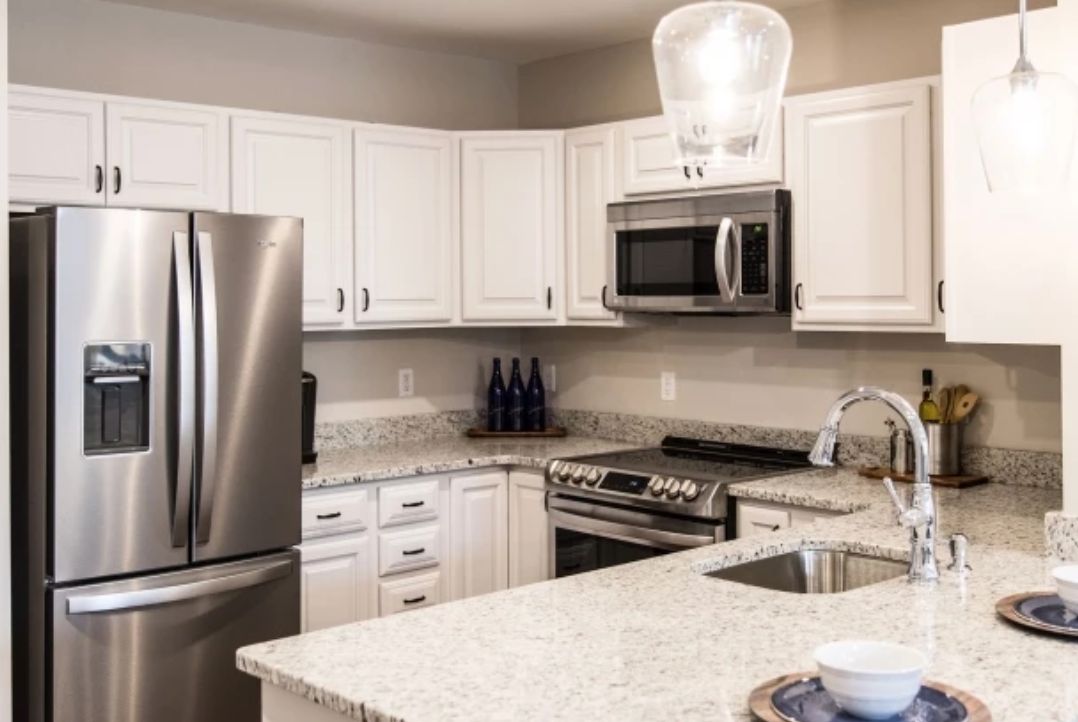
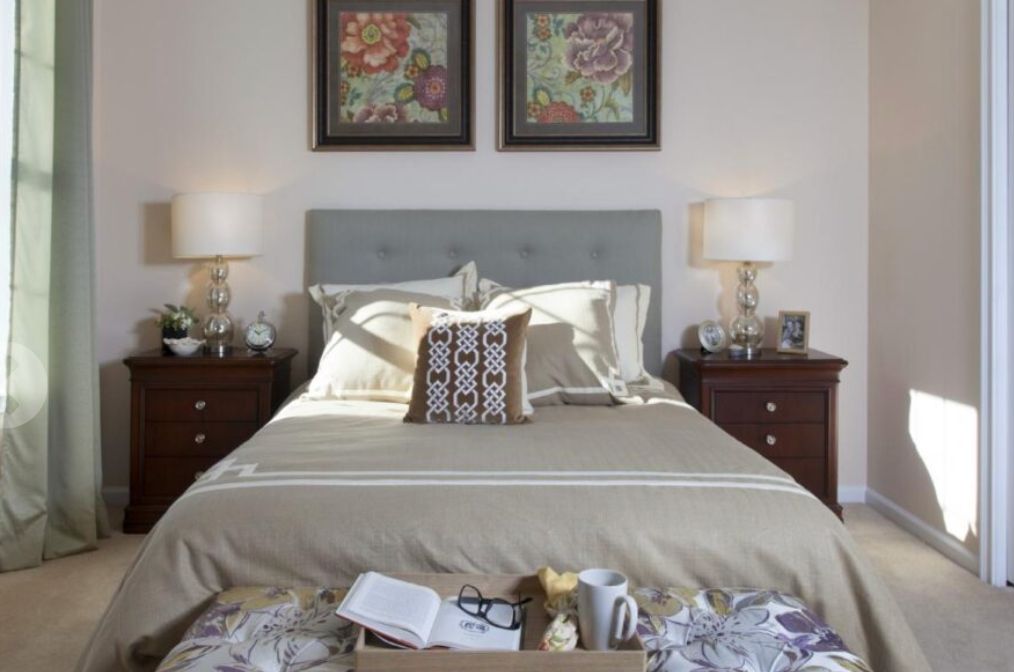
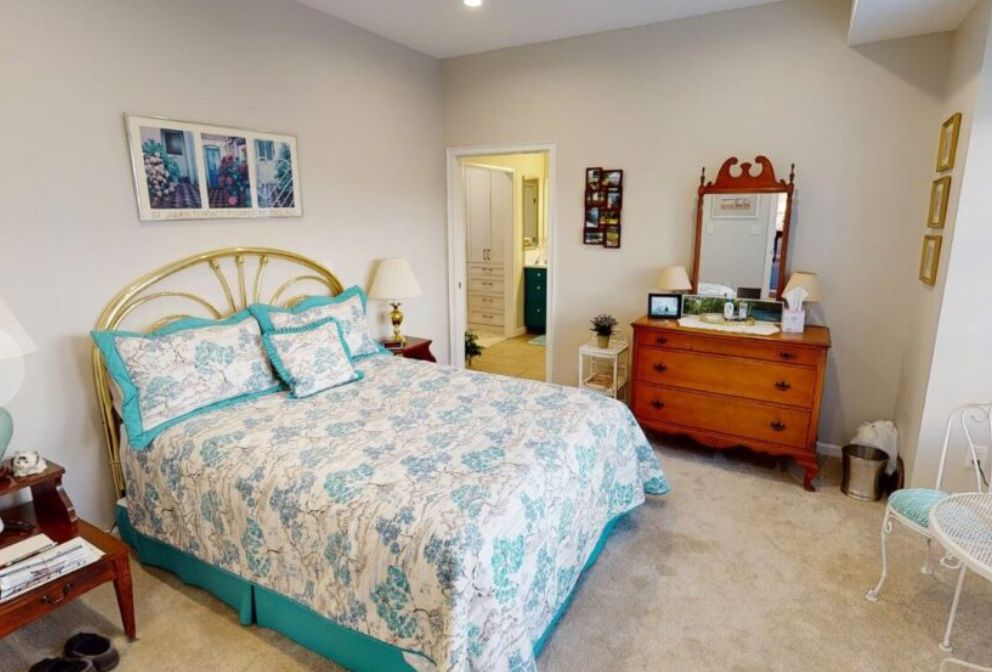
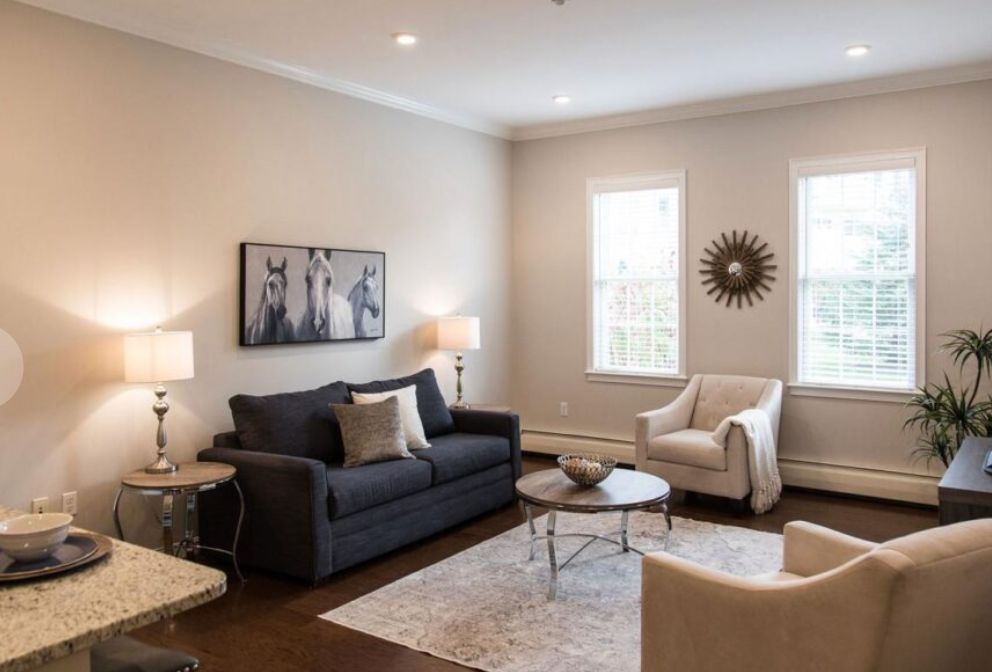
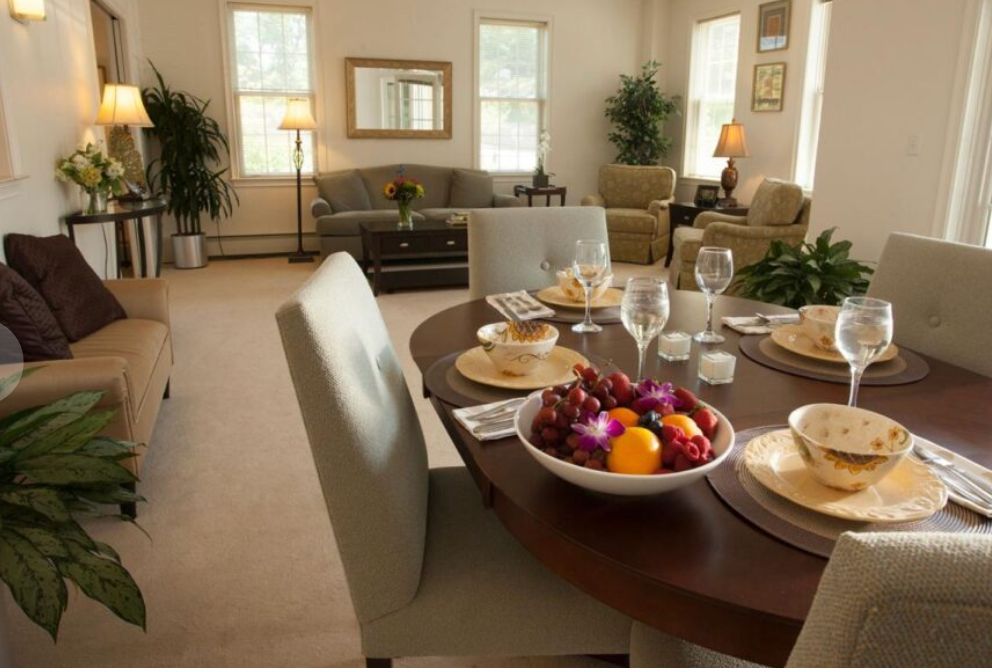
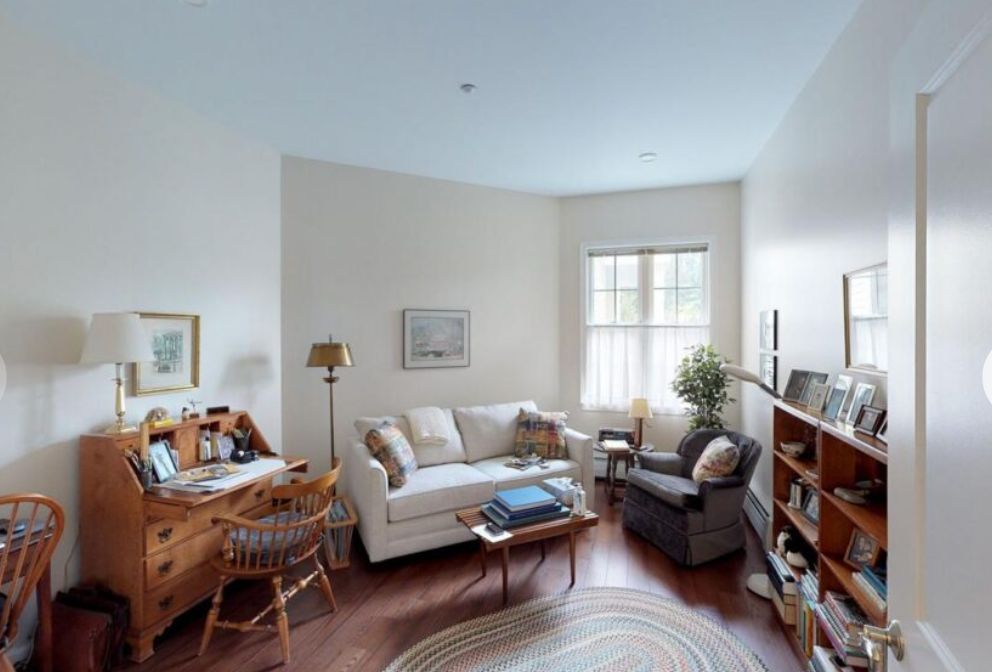
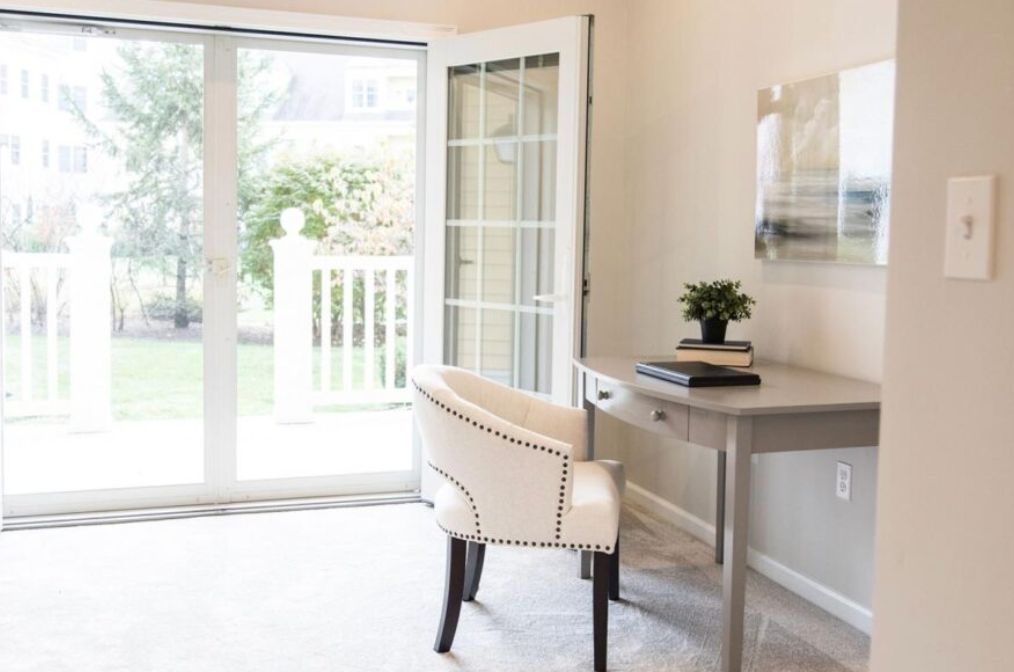
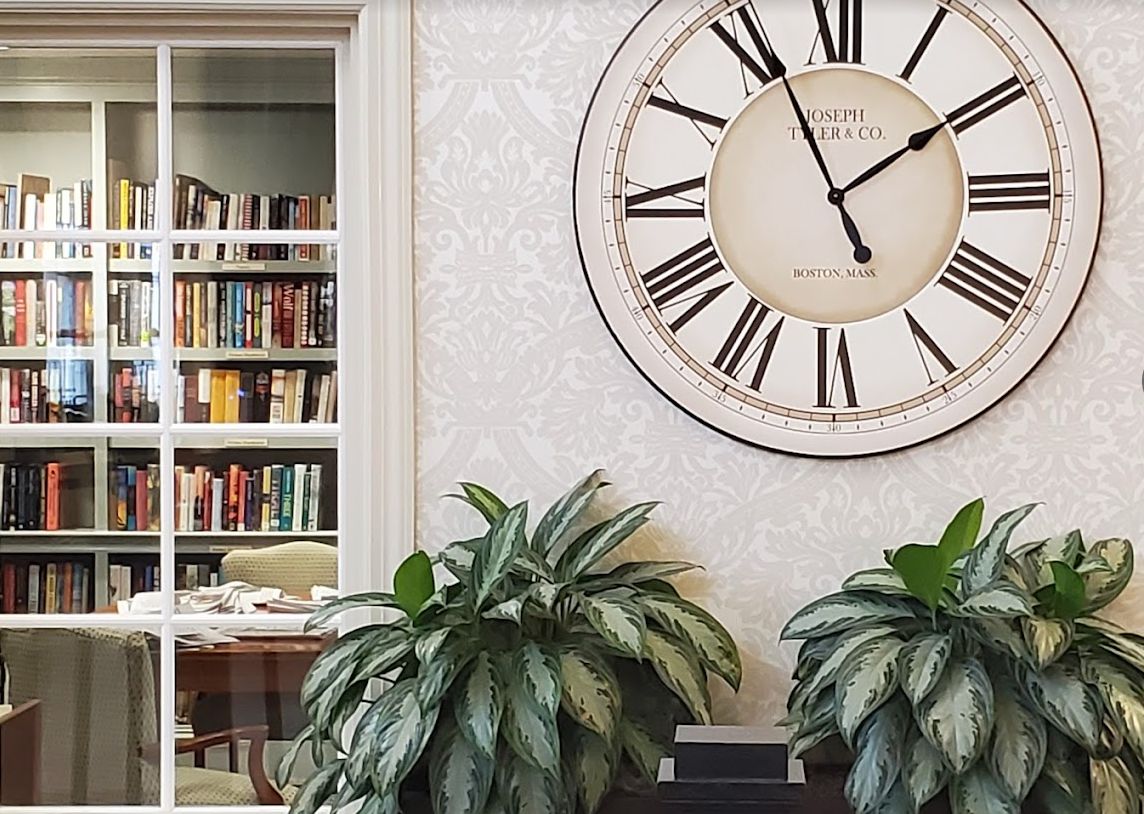
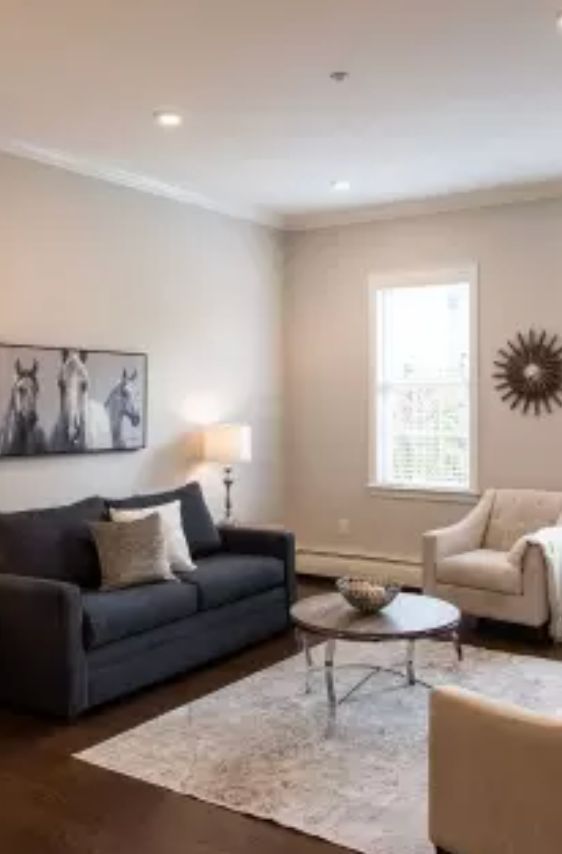
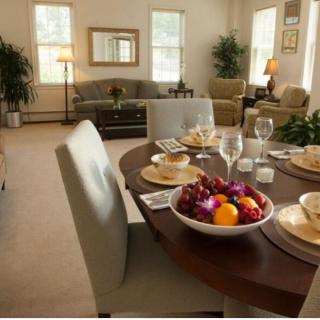
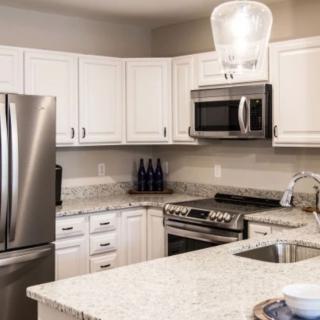
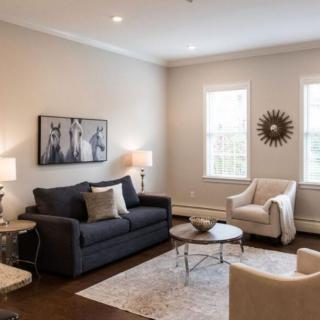
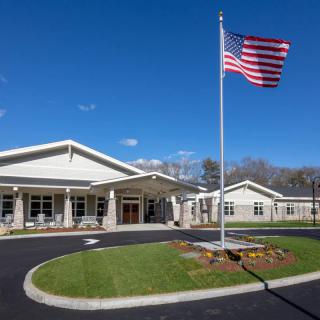
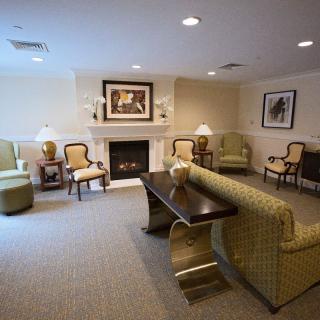
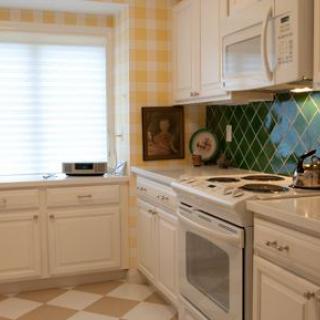
The Commons in Lincoln on seniors.fyi includes 12 photos including images showing interior, decor, living room, bedroom, windows, wall art, artwork, clouds, and more.
Nearby Communities
The Commons in Lincoln, a CCRC
Lincoln, MA
4.7 from 110 reviews
$3,650 to $4,770 / month
High-quality care with attentive staff in a luxurious, activity-rich setting.
Benchmark Senior Living at The Commons A CCRC
Lincoln, MA
4.5 from 21 reviews
$5,000 to $12,000 / month
Luxurious, hotel-like ambiance with top amenities, friendly staff, and strong dining; memory care unit is well-maintained.
Concord Home For the Aged
Concord, MA
Serene setting with convenient nearby amenities (cafes, pharmacies, hospitals)
The Groves in Lincoln
Lincoln, MA
4.7 from 100 reviews
Specialized diabetic care with medication management
Care One At Concord
W Concord, MA
3.2 from 89 reviews
Luxurious amenities with comprehensive 24/7 care and a focus on mental wellness.
Emerson Rehabilitation & Transitional Care Unit
West Concord, MA
Small, intimate facility with 24/7 supervision and personalized daily living assistance.
Bridges by EPOCH at Lexington
Lexington, MA
4.9 from 37 reviews
$9,500 / month
Friendly, professional, and caring staff.
Artis Senior Living of Lexington
Lexington, MA
4.3 from 54 reviews
$9,250 / month
Compassionate staff with memory-care focus and engaging activities in a clean, well-maintained setting.
Carleton Willard Village
Bedford, MA
4.5 from 40 reviews
Compassionate, attentive staff across care levels in a well-maintained, activity-rich environment.
Home health nursing is an expanding field where licensed professionals provide specialized medical care in patients' homes, addressing the needs of an aging population through personalized services like assessments and medication management. Effective collaboration with healthcare teams, cultural sensitivity, and quality assurance measures are essential for fostering trust and ensuring positive patient outcomes.
Medicare covers in-home health care services, which are medical and provided by licensed professionals under a physician's supervision, whereas non-medical personal assistance is generally not covered unless part of a broader skilled care plan. Eligibility for benefits depends on being homebound and needing intermittent skilled services from a Medicare-certified agency, with specific coverage limitations and additional resources available for navigating options.
In-home care is increasingly sought after by older adults for maintaining independence, with average private home care rates in 2025 varying by state and service type, reflecting geographical and local labor market influences. As demand rises, families are considering funding options like Medicaid waivers and long-term care insurance to manage costs effectively while ensuring quality care.
Get PricingAsk A QuestionSchedule A TourContact Senior Advisor
By clicking submit, you agree to our Partner's Terms of Use. You
also consent to receive calls and texts, which may be autodialed, from our Partner. Your consent is not a condition to
using our Partner's service. Please visit our Partner's Privacy Policy for information about their privacy practices.








 64 resident community capacity
 1-bedroom apartments
 Continuing Care Retirement Community (CCRC)
 Air-conditioning
 Beautician on-site
 Cable or satellite TV
 Cafe
Cafe Computer center
 Dining room
 Fitness room
 Fully furnished
 Gaming room
 Garden
 General store
 Hiking trails
 Home sale assistance
 Housekeeping services
 Kitchenette
 Move-in coordination
 Outdoor space
 Party space
 Private bathrooms
 Resident parking
 Restaurant-style dining
 Security gate
 Small library
 Swimming pool
 Telephone
 Wellness center
 Wi-Fi/high-speed internet available
 Gen Edw L Logan International (17 miles away)
 Community operated transportation
 24-hour call system
 Activities of daily living assistance
 Assistance with bathing
 Assistance with dressing
 Assistance with transfers
 Diabetes diet
 Medication management
 Special dietary restrictions
 Arts and crafts
 Book club
 Concierge services
 Cooking club
 Educational speakers / life long learning
 Games
Games Live musical performances
 Planned day trips
 Religious services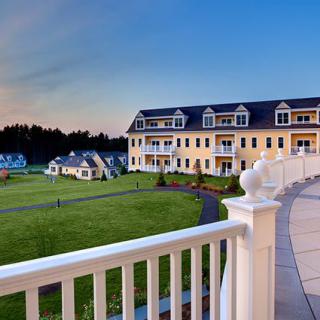
 High-quality care with attentive staff in a luxurious, activity-rich setting.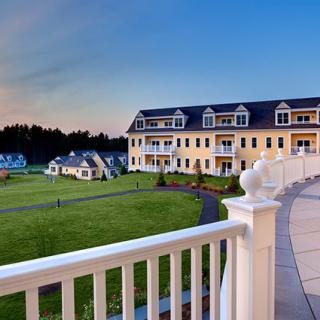

 Exploring the World of Home Health Nurses: Qualifications, Roles, and Hiring Tips
 Navigating Medicare Coverage for In-Home Care Services
 In-Home Care Costs in 2025: A Detailed State-by-State Exploration